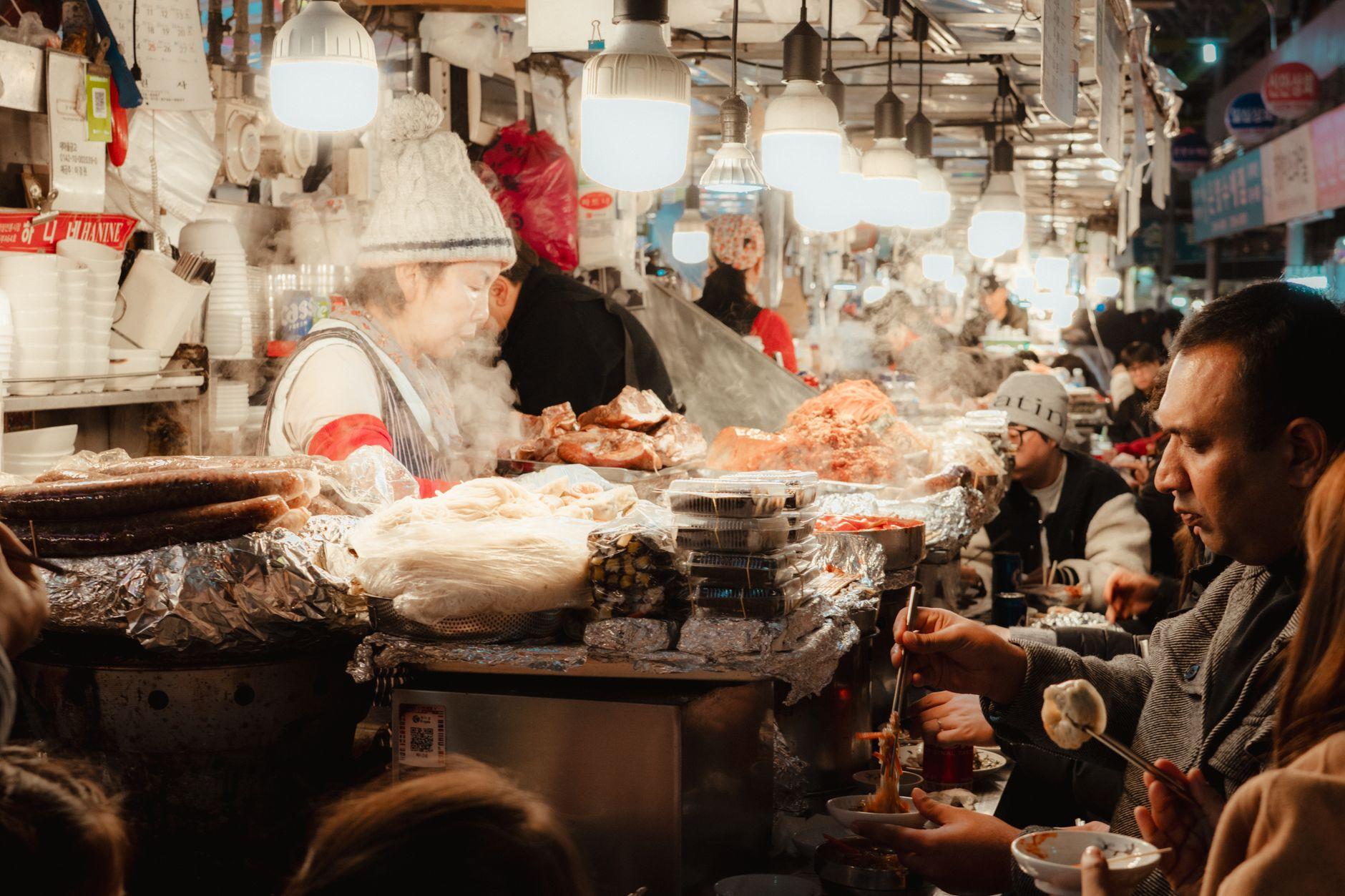

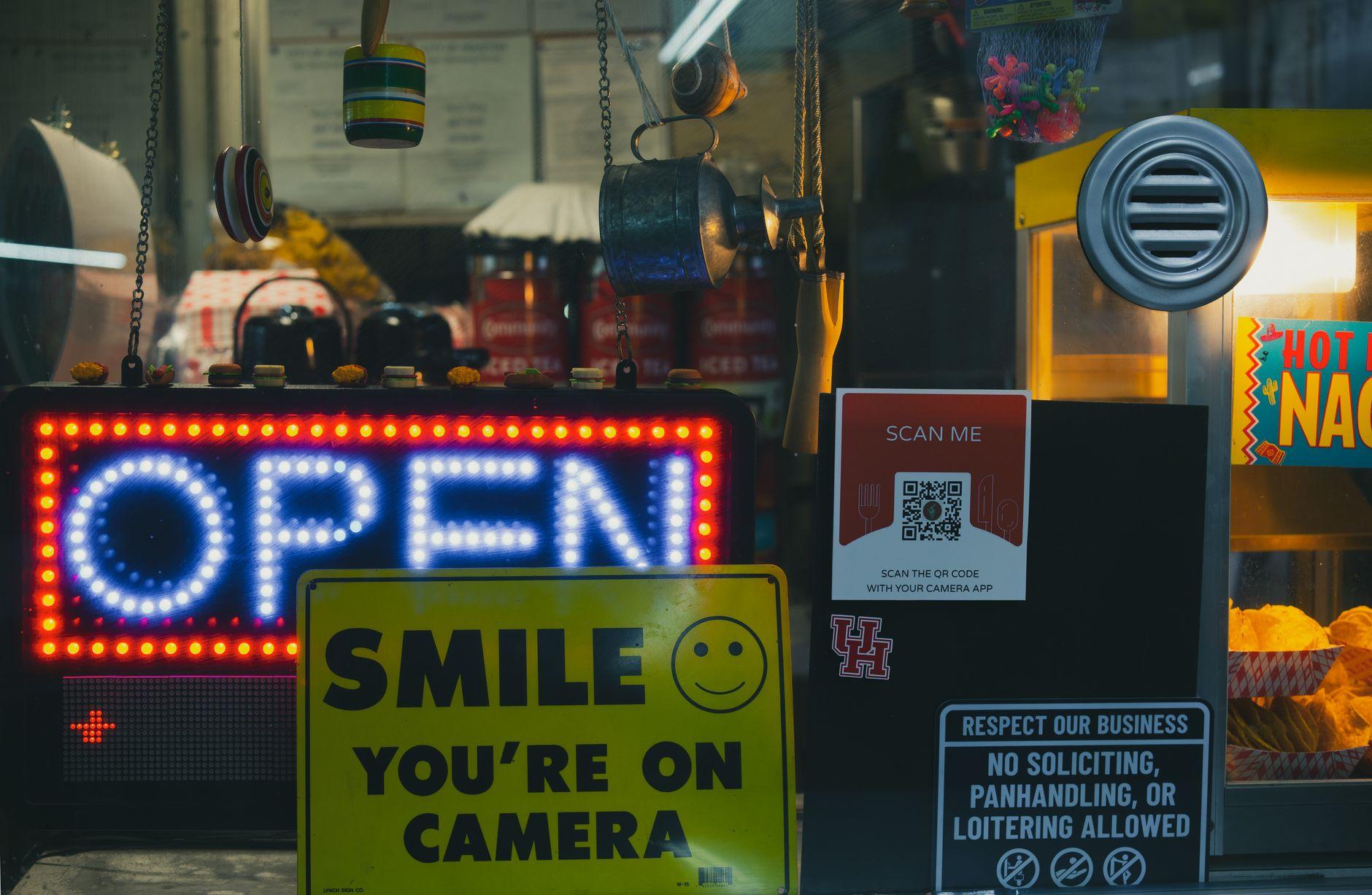
Here is the moment that catches almost every first-time visitor to China. You finish a bowl of noodles in Chengdu, walk to the counter, and hold out cash. The owner winces. She gestures at a laminated square of black and white taped to the till. Everyone behind you is paying by pointing a phone at that square. You are the only person in the room holding paper.
China is not going cashless. It already went. Years ago. WeChat Pay and Alipay are not alternatives to cash in Chinese cities, they are the default, and often the only option anyone is prepared to handle. Understanding that before you land is the difference between a smooth trip and a week of awkward counter standoffs.
Why cash and foreign cards both let you down
Cash is still legal, and large hotels and tourist sites will take it. But smaller restaurants, taxi drivers, market stalls, and even some convenience store clerks often have no float. They may not refuse your yuan outright, but you will get sighs, a hunt through drawers for change, and sometimes a flat shake of the head.
Foreign cards are worse. Outside international hotel chains and a handful of flagship stores, card terminals that accept overseas Visa or Mastercard are rare. The machine on the counter is usually for domestic cards only, if there is a machine at all. Plenty of places have skipped terminals entirely because the QR code does everything.
So the real question is not how to find places that take your card. It is how to join the QR ecosystem locals already use. This is the same wall travelers hit in Seoul, where the local payment apps won't have you, except in China the wall is taller and there are fewer gaps in it.
How QR payments actually work in China
Two things happen at Chinese counters, and knowing which one you are looking at helps.
The first is the printed merchant QR code. It sits on the counter, hangs from a lanyard around a fruit seller's neck, or is taped to the plexiglass divider in a taxi. You scan it with your payment app, type or confirm the amount, and pay. The merchant's phone chirps a confirmation, often a little robotic voice announcing the amount received. That chirp is your receipt in most casual settings.
The second is the reverse: at supermarkets and chain stores, the cashier scans a barcode on your phone screen. That flow is tied to domestic app accounts and is harder for visitors.
The good news is that the printed merchant code, the one you scan yourself, covers the vast majority of situations a traveler faces. Noodle shops, tea stands, night markets, taxis, tailors, museum gift shops. If you can scan that code, you can function in China.
Scanning the local codes without a local bank account
The standard advice used to be: set up WeChat Pay or Alipay as a foreigner. It is possible now, but travelers still report verification hurdles, card linking that fails for certain banks, and accounts that work for a week and then demand documents you do not have.
The simpler route is a wallet built for exactly this situation. Moreta Pay lets you scan the same WeChat Pay merchant codes locals scan, while the money behind the payment comes from your own bank at home. You top up the wallet in your own currency, from a US bank via Plaid or ACH, a European SEPA transfer, UK Faster Payments, a Canadian e-Transfer, or an international card. When you scan a code in Shanghai, you see the amount, the merchant name, and the exact exchange rate before you confirm. The merchant gets paid in yuan instantly, and that confirmation chirp goes off just like it does for everyone else in line.
No Chinese bank account. No Chinese phone number. No ATM run at midnight because the hostel only takes exact change.
The counter moment, step by step
Here is the whole flow, so there is no mystery left in it:
1. Finish your meal or pick your items. The owner points at the QR code or says "saoma" (scan the code).
2. Open Moreta Pay and scan the printed code.
3. If the code is a fixed-amount code, the price appears. If it is an open code, type the amount the owner tells you. Numbers written on a calculator held up to your face are a time-honored fallback if you do not speak Mandarin.
4. Check the merchant name and the FX rate on screen, then confirm.
5. Wait for the chirp from the merchant's phone. Show your confirmation screen if they ask, though they usually will not.
That is it. The whole thing takes less time than counting change.
Taxis, markets, and the places that trip people up
Taxis are the classic trap. Drivers often carry no change and have no card machine, just a QR code taped near the meter or hanging from the headrest. Scan it, enter the meter amount, show the driver the confirmation. Done. If you use Didi, the ride-hailing app, you can also pay inside the app, but street-hailed cabs are pure QR territory.
Wet markets and street food are the same. The woman selling jianbing at 7am has a QR code on a card clipped to her cart. She is not set up for a 100 yuan note and she definitely is not set up for your debit card.
Convenience stores like FamilyMart and Lawson usually take cash without drama, so they are a decent fallback. But once you are scanning codes comfortably, you will stop bothering.
One habit worth copying from locals: glance at the merchant name that appears after you scan. It should roughly match the business you are standing in. It is a quick sanity check against swapped-out codes, and Moreta Pay shows it to you on every payment before you confirm anything.
Booking and paying online while you are there
QR payments are not just for counters. Trip.com, Agoda, and other platforms you will lean on for trains, hotels, and attractions support QR-based checkout, and you can pay those the same way you pay the noodle shop. That matters in China, where booking domestic trains and popular attractions ahead of time is less optional than in most countries.
Set yourself up before the plane lands
Do the boring part at home: download the app, connect your bank, and load the wallet while you are still on familiar wifi. Chinese internet restrictions can make account setup for various services annoying on arrival, so arriving already funded removes a variable. If you are on a longer trip, it is also worth thinking about how you will keep the wallet topped up if a card expires or a bank connection needs refreshing, which we covered in our guide to keeping a payment app funded mid-trip.
Keep a small amount of cash for the rare holdout, maybe a temple donation box or a rural bus. Everything else, scan.
China without cash is not a hardship, it is just China. The locals solved payments years ago, and you can borrow their solution the day you arrive. Get Moreta Pay set up before your flight and that first noodle shop counter will be a non-event.