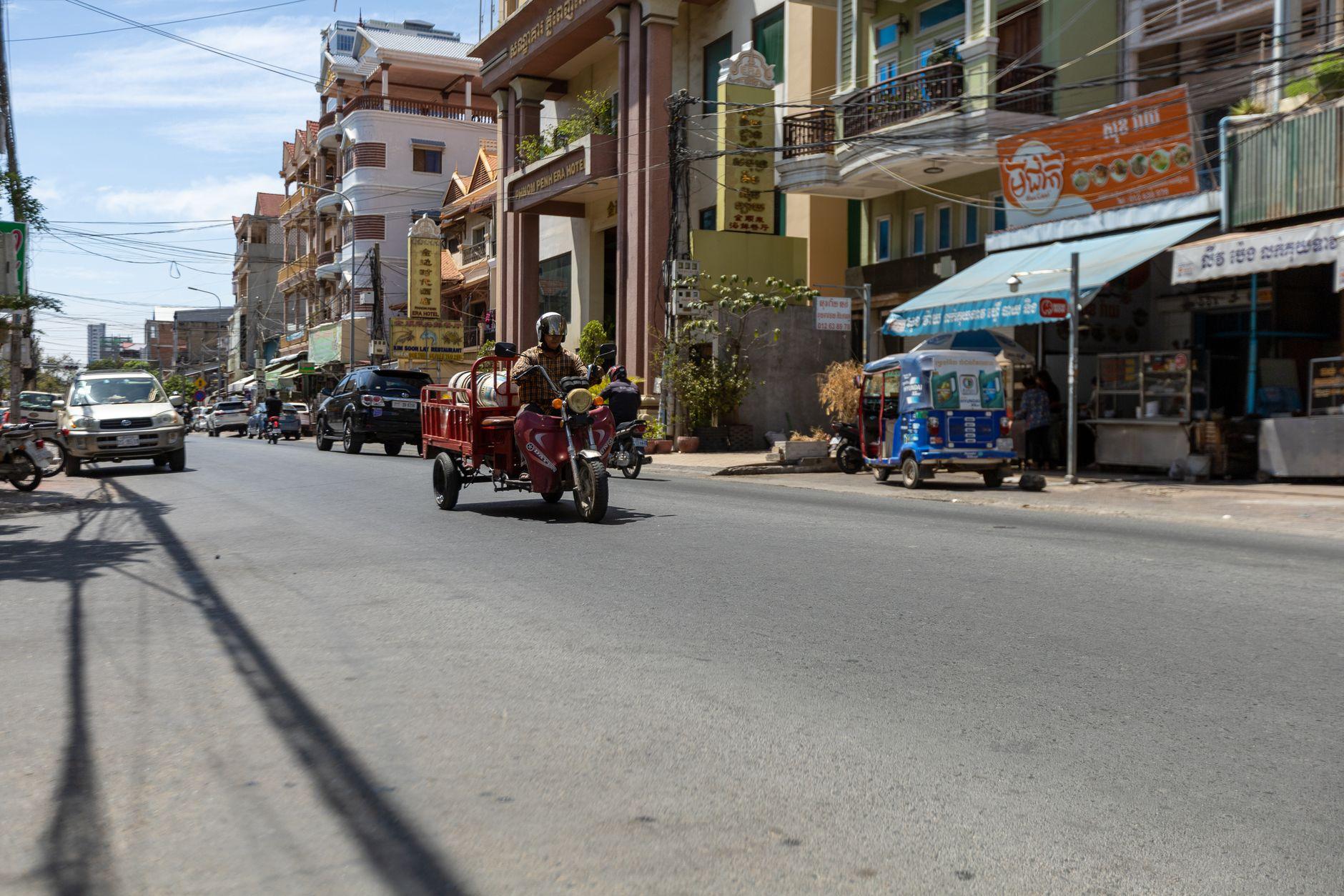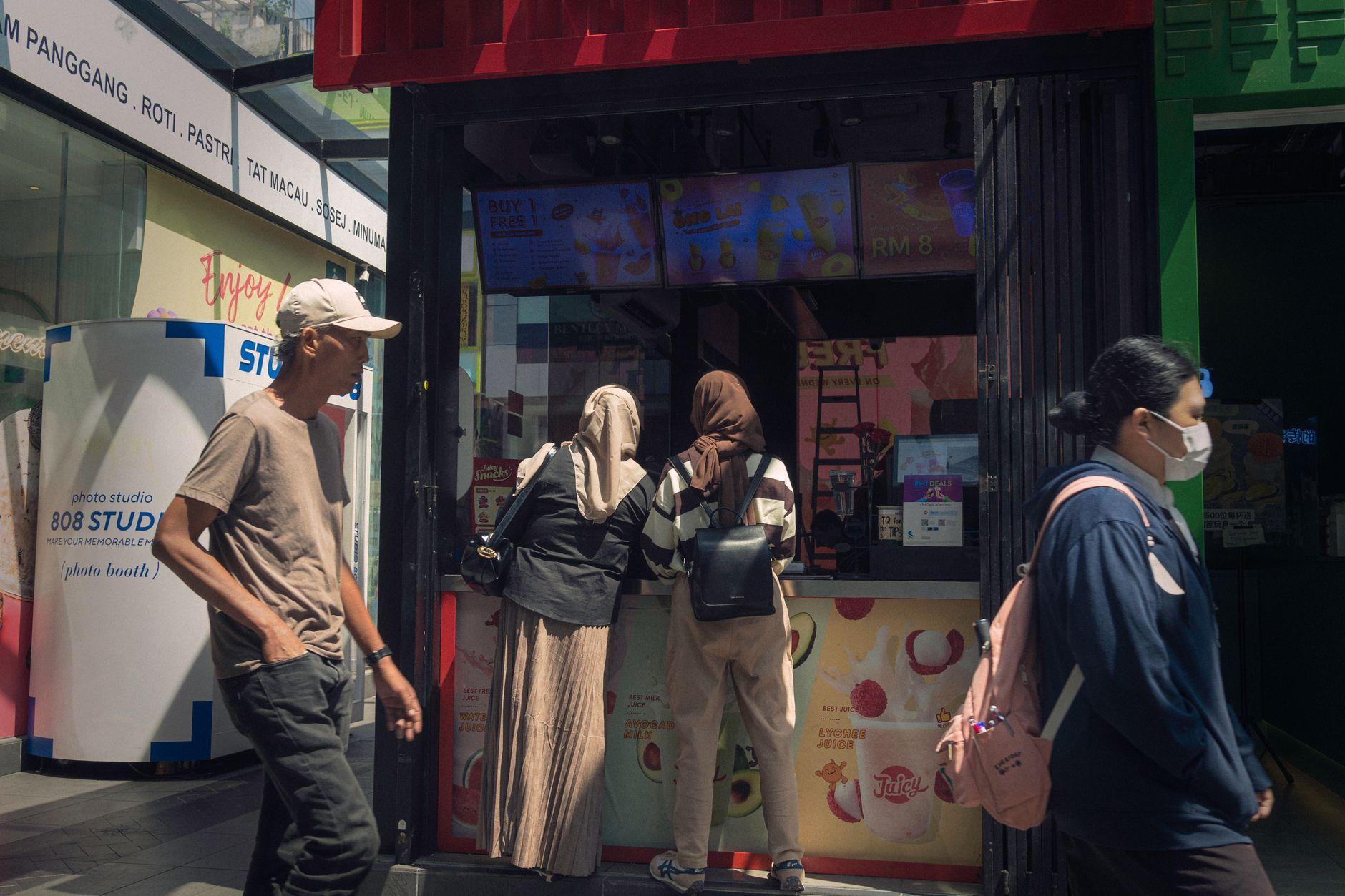

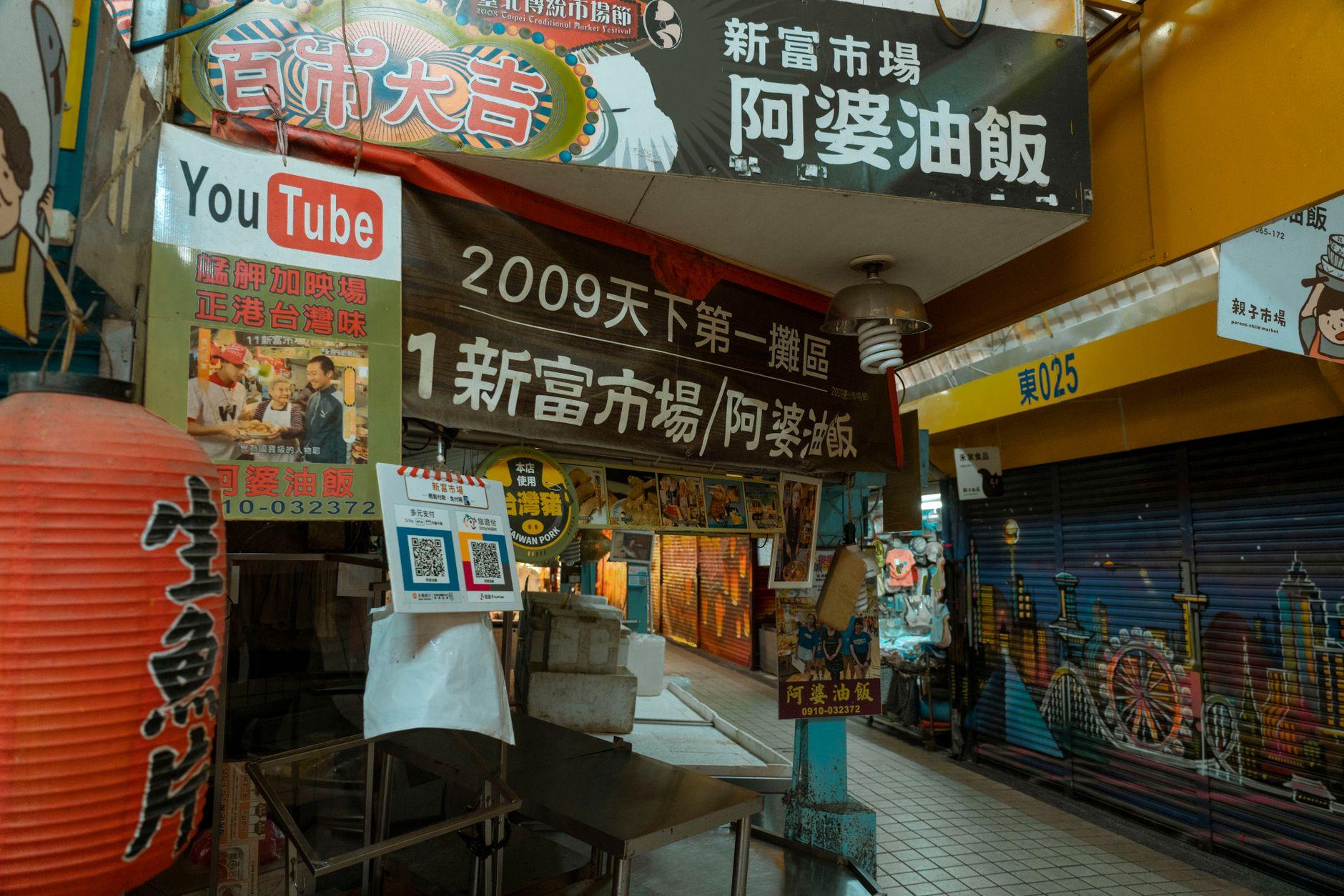
Can you pay the DuitNow sticker on a Kuala Lumpur mamak counter if you landed this morning? In 2026 the answer depends on which side of the QR code you stand on. Nearly every national QR code accepts money from anyone already on its domestic rail, but few let a foreigner sign up as a payer.
At the counter, the laminated code sits beside the teh tarik jug, and the cashier simply waits for a phone to chime.
Moreta's wallet pays on these rails across Asia and Latin America. That is why this guide sorts networks by what a visitor can actually do at the counter.
About the Author: Written by the team at Moreta, a Y Combinator-backed (Summer 2024), FinCEN-registered Money Services Business. Its app lets travelers pay on local QR networks in markets including Malaysia, Cambodia, Brazil and Peru.
Why can a tourist scan a QR code but not join the network behind it?
"Open" has two sides, and travelers usually see only one. A national merchant QR code is essentially an account number on a laminated card, plus the merchant name. Reading it is free. Paying it requires your money to start inside the same domestic transfer system.
It works like a local phone number on a shop sign. Anyone can read the digits. But the call only connects from a line on that country's network, or from a foreign carrier with a roaming agreement.
- Merchant side: open. Any app on the rail can pay the code.
- Payer side: usually closed, because most domestic networks require a local bank account for direct registration.
- The workaround: a foreign wallet connected to the rail, either through a cross-border agreement or its own local connection.
Which countries' QR payment networks are most open to foreign visitors in 2026?
Applying that payer-side test, the networks fall into four tiers. The tier describes direct sign-up, not whether you can pay at all.
| Country | Openness tier | What a visitor can do | Rails Moreta pays on |
|---|---|---|---|
| China | Card-friendly | Link a foreign credit card to Alipay or WeChat Pay | WeChat Pay / Weixin Pay (only while in China) |
| Malaysia | Cross-border wallets | Pay through an integrated foreign wallet | DuitNow QR |
| Brazil | Cross-border wallets | Pay through an integrated foreign wallet | Pix |
| Argentina | Cross-border wallets | Pay through an integrated foreign wallet | Transferencias 3.0 |
| Cambodia | Tourist registration available | Register in the Bakong Tourists app with an email and passport and fund it with a Visa or Mastercard, or pay through a connected foreign wallet | KHQR |
| Vietnam | Local account to register | Pay through a connected foreign wallet | VietQR, MoMo, ZaloPay |
| Philippines | Local account to register | Pay through a connected foreign wallet | QR Ph, InstaPay |
| Laos | Local account to register | Pay through a connected foreign wallet | BCEL, OnePay |
| South Korea | Local account to register | Pay through a connected foreign wallet | Seoul Pay |
| Mongolia | Local account to register | Pay through a connected foreign wallet | QPay |
| Peru | Local account to register | Pay through a connected foreign wallet | Yape, Plin |
| Colombia | Local account to register | Pay through a connected foreign wallet | Bre-B |
| Bolivia | Local account to register | Pay through a connected foreign wallet | QR BCB |
What does "open via cross-border integration" mean for Pix for foreigners?
The middle group is the one most often misread. Pix for foreigners does not mean downloading a Brazilian bank app at Guarulhos airport. The merchant still receives reais instantly, and the currency conversion happens inside the wallet you brought.
Regional plumbing is expanding. ASEAN as a whole aims to link its regional QR payment system to India and China, the US-ASEAN Business Council wrote in 2023 [usasean.org]. For tourists, the payoff is paying in local currency, seeing prices clearly and avoiding exchange fees [marketresearchsoutheastasia.com].
The catch is that many of these links are bilateral agreements between specific countries. A wallet from a neighboring country may connect, while one issued in the US, Europe or Canada may not. Regional interoperability mostly helps regional travelers. Long-haul visitors still need a wallet that is connected to the rail itself.
Is China the most tourist-friendly QR market?
China is distinct. It is the only market here where the dominant apps, Alipay and WeChat Pay, accept foreign credit cards directly. That makes it the easiest place to start paying by QR with a card you already own. The conversion is handled by your card issuer under its own terms.
Three practical limits apply if you use Moreta Pay in China:
- WeChat Pay / Weixin Pay payments work only while you are physically in China.
- A code marked only for Alipay belongs to a different network.
- Money added with USDC or USDT cannot be spent in China.
Why is VietQR still locals-only at sign-up?
Most Southeast Asian and Andean networks sit in the largest tier. Searches for "vietqr for foreigners" or "qr ph for foreigners" hit the same wall. The national standard is everywhere at the merchant end, but direct registration runs through a domestic bank account.
The gap is now filled by foreign wallets.
Cambodia's KHQR adds a two-currency quirk. A Siem Reap noodle stall may quote in US dollars and hand back change in riel.
South Korea is a hybrid. Moreta's own Korea guide notes that the ZeroPay network is aimed at small businesses, so cards still dominate larger stores.
How does a foreign wallet pay on a locals-only network?
A wallet connected to the domestic rail closes the payer-side gap. Moreta Pay works like this:
- Top up from home. Fund your balance in USD, EUR, GBP or CAD. Options include US ACH, SEPA, UK Faster Payments, Interac e-Transfer, Visa, Mastercard, American Express, Discover, Apple Pay or Google Pay.
- Scan the merchant's own local code, for example DuitNow in Penang, KHQR in Phnom Penh or Pix in Salvador.
- Check the screen before confirming. It shows the merchant name, the amount and the exact FX rate.
- Slide to pay. The merchant receives local currency instantly and installs nothing.
USDC and USDT on Solana can also fund the balance for some markets, but not for spending in Cambodia or China. Moreta reports one 1.5% fee per payment, the live rate shown before you confirm and no monthly plan. You do not need a local SIM, only mobile data or Wi-Fi at the moment you pay.
Where will you still need cash on a QR-heavy trip?
The most open network fails where there is no signal. Moreta's Mongolia guide advises cash wherever coverage drops, and that includes long stretches of countryside outside Ulaanbaatar. QR acceptance in Brazil is not everywhere, but close in the cities and the places visitors go.
Keep a modest reserve: a few 10,000-riel notes in Cambodia, a couple of 20-real notes in Brazil. If an ATM or card terminal offers to charge you in your home currency, decline it and choose local currency every time.
Before you board, verify your identity in the app with your passport and a selfie, top up before departure so your first scan is not your first deposit, and save offline maps for any rural legs where you will rely on cash. The five-second version: QR networks fall into four tiers, merchants accept from anyone on the rail, most payers need a local account or a connected foreign wallet, so carry a little cash and always pay in local currency.
Frequently Asked Questions
Can foreigners use Pix in Brazil?
Yes, through a connected foreign wallet. Moreta Pay lets you top up in your own currency and pay Pix codes without opening a Brazilian bank account.
Is there a way to use VietQR for foreigners without a Vietnamese bank account?
Yes.
Can I link my foreign card to WeChat Pay?
Yes. Alipay and WeChat Pay both accept foreign credit cards directly.
Does ASEAN QR interoperability mean my home wallet works abroad?
Not necessarily. The links are largely bilateral and regional [usasean.org], so wallets issued outside the region usually need their own connection to each rail.
Do merchants need to install anything to receive my payment?
No. Only the payer installs Moreta Pay. The merchant receives funds on their usual local network.
Is Moreta a bank?
No. Moreta is a FinCEN-registered Money Services Business, and customer funds are held with licensed partner banks.
About Moreta
Moreta Global Inc. is a Delaware corporation and a FinCEN-registered Money Services Business, backed by Y Combinator (Summer 2024). Its app, Moreta Pay, lets travelers, expats and digital nomads top up in their own currency and pay on local QR networks. Supported markets include Vietnam, Cambodia, the Philippines, Laos, Malaysia, South Korea, Mongolia, China, Brazil, Peru, Colombia, Argentina and Bolivia. Every account is verified with a passport scan and a selfie, transactions are monitored around the clock, and every payment requires confirmation in the app.
Planning a trip through one of the locals-only tiers? See how Moreta Pay connects you to each country's QR network at https://moretapay.com/.
References
- Google (google.com)
- Korea's QR Payment Shift for Boosting Tourism Experience | The Fintech Times (thefintechtimes.com)
- ASEAN QR Payment Interoperability and the End of Cash Pain (marketresearchsoutheastasia.com)
- Global E-Commerce Payment Linkages Beyond ASEAN | US ABC (usasean.org)