
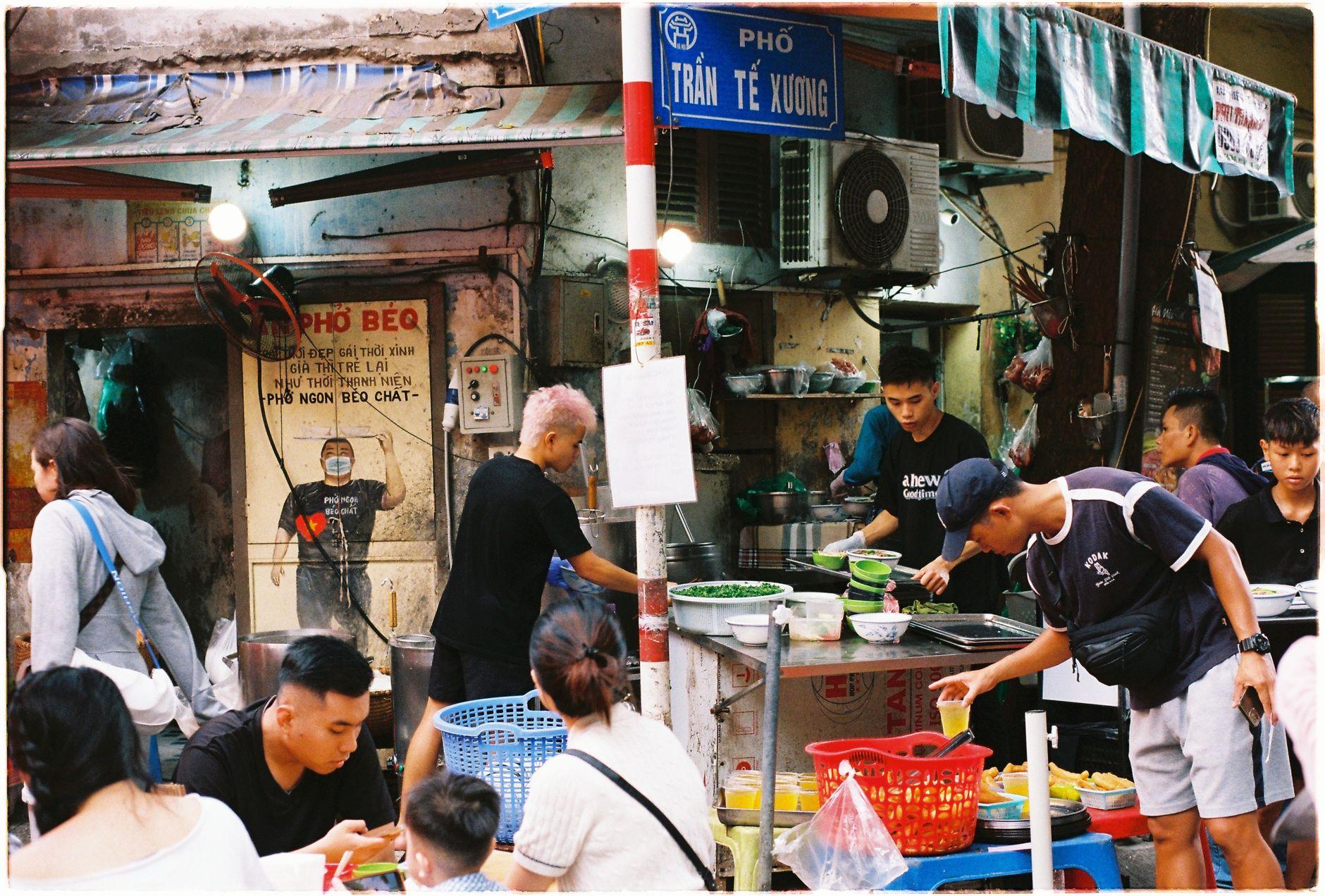
Spend ten minutes at any coffee stall in Hanoi’s Old Quarter and you’ll notice it: locals order a cà phê sữa đá, point their phone at a laminated QR code taped to the counter, and walk off. No cash changes hands. The vendor barely looks up.
Meanwhile, the visitor next to them is counting out a fistful of dong they withdrew that morning, after paying a fee to a Vietnamese ATM, a fee to their home bank, and a quiet markup on the exchange rate they never saw.
Vietnam in 2026 is a place where the locals have mostly solved payments and visitors are still paying the old way. Here’s how to close that gap.
Where your money actually leaks in Vietnam
Three places, usually all at once.
The ATM itself. Most Vietnamese ATMs charge foreign cards a fee per withdrawal, and many cap how much you can take out in one transaction. Low cap plus per-withdrawal fee means you end up paying the fee two or three times just to get a normal amount of cash. Then your home bank often adds its own foreign ATM charge on top.
The conversion trap. Some ATMs and card terminals offer to charge you in your home currency instead of dong. It sounds helpful. It is not. That option, dynamic currency conversion, lets the machine set the exchange rate, and it sets a bad one. If a screen ever asks “with conversion or without conversion,” always choose without. Always pay in dong.
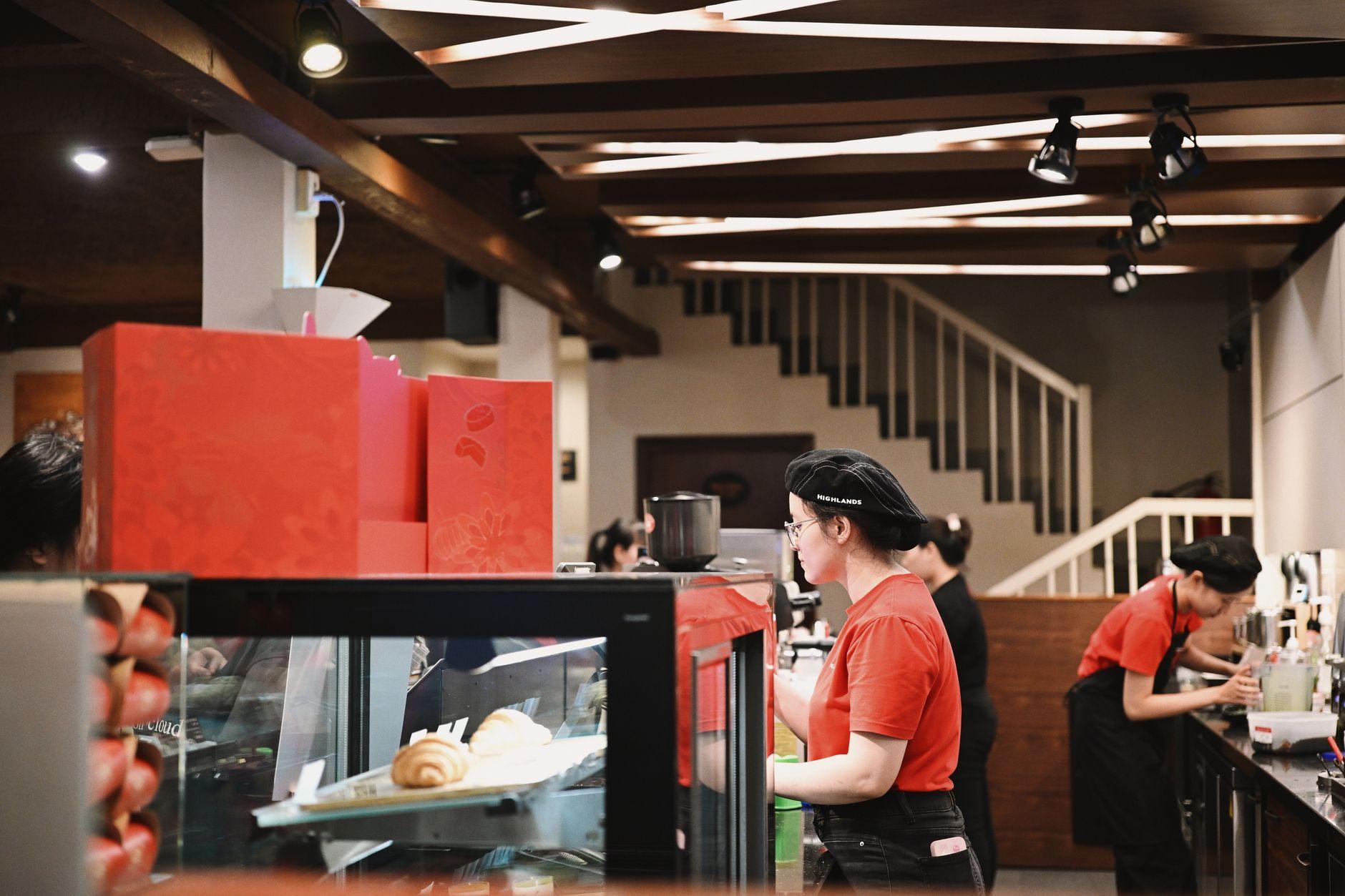
The card fallback that isn’t there. In Bangkok or Kuala Lumpur you can often just tap a foreign card. In Vietnam, outside of hotels, big malls, and chains like Highlands Coffee, card acceptance for foreign visitors is patchy. The phở place, the tailor in Hoi An, the motorbike mechanic in Da Nang: they take cash or QR. This is the same basic squeeze we wrote about in Thailand, where the ATM fee turned out to be optional, except Vietnam gives you even fewer card escape hatches.
What locals are doing instead
Vietnam went from cash-heavy to QR-everywhere fast. The system underneath is VietQR, a standard that lets any bank app scan any participating merchant’s code. On top of that sit the bank apps themselves (Vietcombank, Techcombank, MB Bank and the rest) plus wallets like MoMo and ZaloPay.
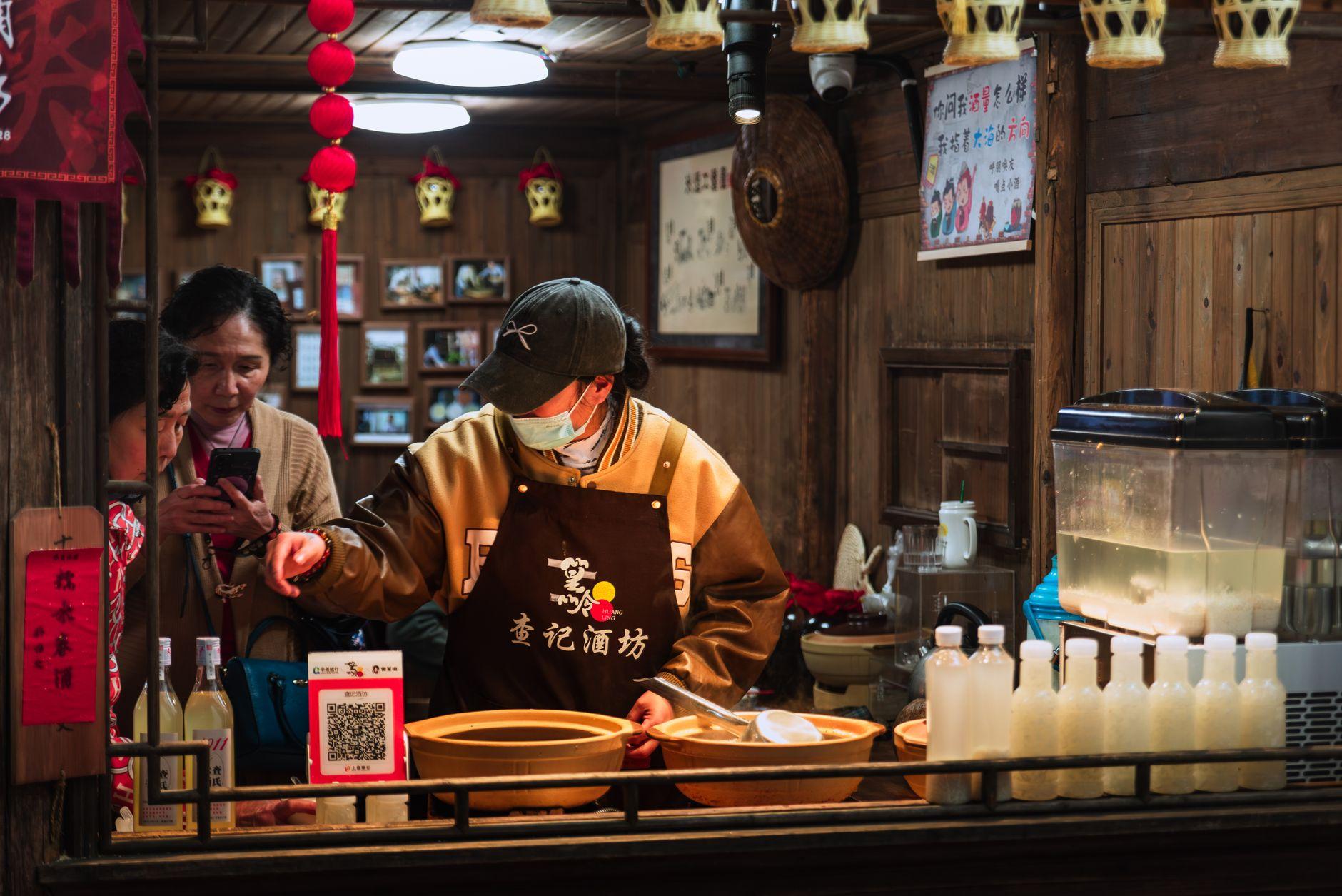
The practical result: nearly every business that takes money has a QR code. Street vendors have them laminated and zip-tied to their carts. Cafes tape them next to the register. Market stalls hang them from the awning. Even the lady selling sticky rice off the back of a bicycle often has one clipped to her basket.
You’ll see it at scale in Ho Chi Minh City’s District 1, but it isn’t a big-city thing. Small towns run on the same codes, because for the vendor a printed QR is free and a card terminal is not.
The catch: you can’t just scan them with anything
Here’s where most travelers hit a wall. Those VietQR codes are designed to be paid from a Vietnamese bank account. Your banking app from home won’t read them. MoMo and ZaloPay generally need local credentials to set up properly. So you can see the entire local payment system, working perfectly, all around you, and not be able to touch it. We’ve written before about the frustration of QR codes you can’t scan, and Vietnam is one of the clearest examples.
This is exactly the gap Moreta Pay exists to fill. You top up a wallet from your own bank at home (US bank via Plaid or ACH, SEPA in Europe, UK Faster Payments, Canadian e-Transfer) or with a credit or debit card, in your own currency. Then you scan the same VietQR codes locals scan. The app shows you the amount in dong, the exchange rate, and the merchant name before you confirm. You approve it, the merchant gets paid instantly in dong, and you never touched an ATM.
No local bank account, no local phone number gymnastics, no guessing what rate you got.
Your first 48 hours, step by step
- Before you fly: set up Moreta Pay and load your wallet from your home bank. Doing this on home Wi-Fi is easier than doing it jetlagged at Tan Son Nhat.
- Get a small amount of cash on arrival. Not a huge withdrawal. Enough for a taxi backup and the handful of cash-only moments below. One withdrawal, one fee, done for the week instead of every other day.
- Pay your first coffee by QR. Scan the laminated code, check the merchant name and the dong amount on your screen, confirm. The vendor’s phone chimes. That chime is the receipt; vendors listen for it.
- Check the amount before confirming. Vietnamese prices have a lot of zeros. A bowl of phở might be 50,000 dong. Reading the number back on your screen before you approve saves you from the classic extra-zero mixup that happens constantly with cash.
- Use it online too. Booking rooms on Agoda or Trip.com, or ordering from Shopee while you’re in the country, QR checkout works the same way from your wallet.
Where cash still earns its place
Vietnam is not cashless, and pretending otherwise will strand you. Keep some dong for:
- Rural areas and remote stretches, especially motorbike loops like Ha Giang, where connectivity and QR adoption both thin out.
- Very small tips, temple donations, and the occasional elderly vendor who genuinely only takes notes.
- A backup for the moments your phone is dead or the vendor’s signal drops.
The trick is scale. You need pocket cash, not envelope cash. When QR covers your meals, coffee, shopping, and hotels, a modest reserve lasts weeks, and you stop making the ATM runs that were bleeding you in the first place.
The quiet upside nobody mentions
Beyond the fees, paying by QR in Vietnam removes an entire category of small friction. No more vendors hunting for change on a 500,000 dong note. No more mental math converting five-digit prices while someone waits. No more carrying a week of cash through a crowded night market. You see the exact rate before every payment, you get a record of what you spent and where, and haggling at the market ends with a scan instead of a shuffle through your money belt.
The locals figured this out years ago. The laminated QR code at the bánh mì cart was never off limits to you, you just needed a way in. Set up Moreta Pay before your flight and you’ll be paying like a Hanoi regular before your first bowl of phở gets cold.