
The bangka drops you at a beach in El Nido that looks like a screensaver. Grilled fish is sizzling under a tarp, someone is hacking open a coconut, and the woman running the lunch stop tells you it's 350 pesos per person. You reach for your card. She laughs, kindly. You reach for your cash. You have 180 pesos and a crumpled receipt from the airport taxi. The nearest ATM is a boat ride and a tricycle away, and it may or may not have money in it today.
The Philippines punishes vague money plans more than almost anywhere in Southeast Asia, because the country is 7,000 islands and your wallet strategy has to travel with you. Here are the mistakes visitors make again and again, and the fixes that actually work in 2026.
Believing Manila's rules apply everywhere
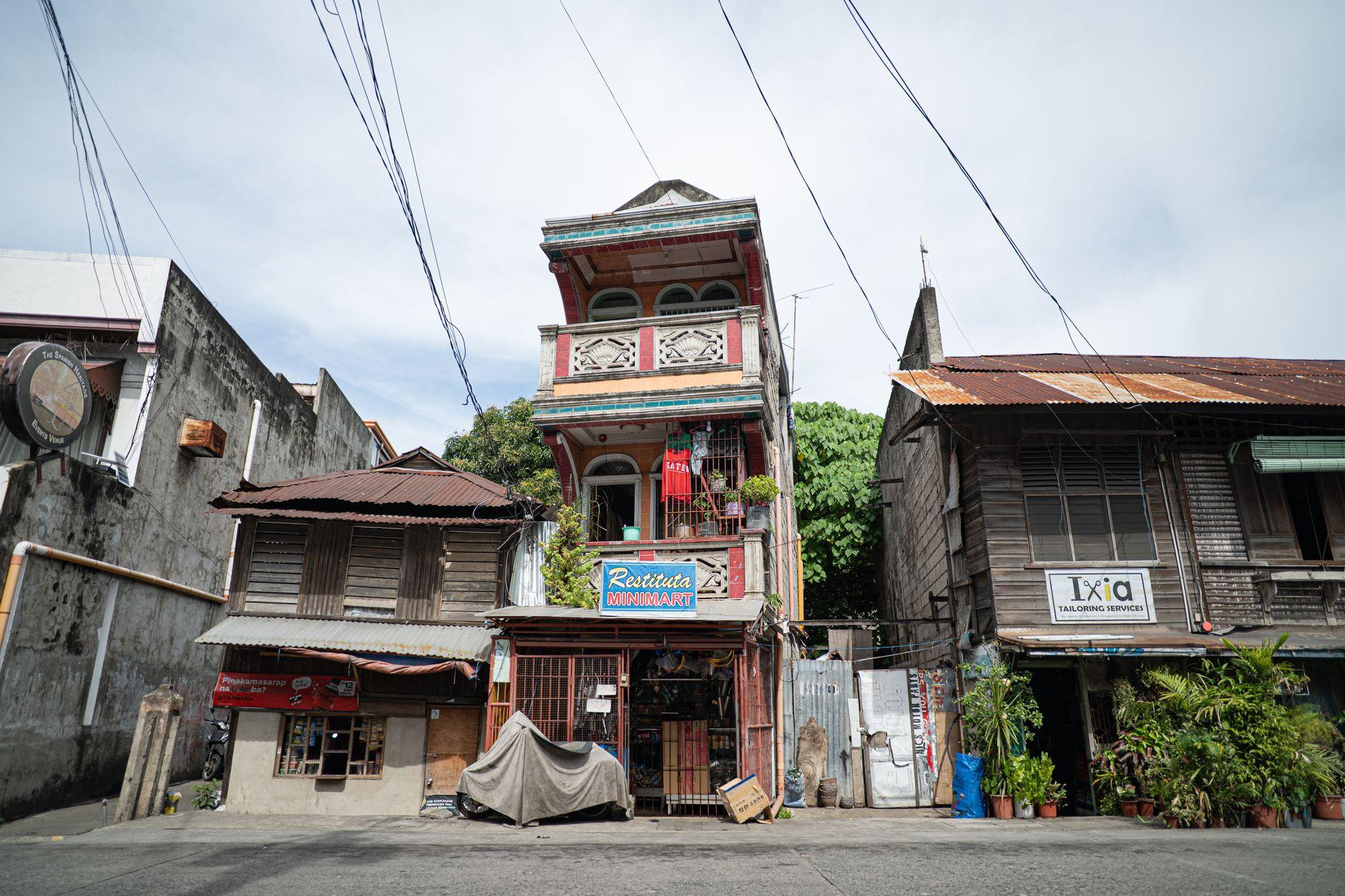
In Metro Manila and Cebu City, you can swipe a foreign card at malls, chain restaurants, and big supermarkets without much drama. Visitors then assume the whole country works this way. It does not. Step outside the cities, onto Siargao, into Port Barton, around Bohol's countryside, and you're in a world of carinderias, sari-sari stores, tricycle drivers, and island-hopping crews where a card terminal is a rumor. Cash is still king in the provinces, and the gap between urban and provincial payment habits is wider here than in Thailand or Vietnam.
The fix is to plan for two Philippines: the one where your card works, and the one where it absolutely won't. Decide before you leave the city how you'll handle the second one.
Assuming you can just download GCash at the airport
Here's the part nobody tells you until you're standing in NAIA on airport WiFi. The Philippines has a genuinely excellent local payment scene. GCash and Maya wallets are everywhere, and the national QR Ph standard means one scannable code works across apps, stuck to the glass at pharmacies, coffee shops, market stalls, even some tricycle and jeepney operators in bigger towns.
The catch: signing up for GCash or Maya as a foreigner typically means a Philippine SIM for verification plus ID checks that are built around local documents. Some travelers manage it, many burn an afternoon trying and give up. Meanwhile locals around you are breezing through checkout with a two-second scan.
This is exactly the gap Moreta Pay exists to close. You top up a wallet from your own bank or card at home, in your own currency, then scan the same QR Ph codes everyone else is scanning. You see the amount in pesos, the FX rate, and the merchant's name before you confirm, and the merchant gets paid instantly in pesos. No Philippine SIM, no local bank account, no signup wall. If you've ever wondered how to pay in the Philippines without wrestling with local wallet onboarding, this is the answer.
Trusting that the next island has an ATM
Island-hopping is the whole point of the Philippines, and it's also where cash plans die. El Nido town has a handful of machines that run dry on busy weekends. Smaller islands and beach stops often have none at all. Travelers who planned to "just withdraw as they go" end up rationing pesos on day two of a four-day loop.
Withdraw in the city before you fly or ferry out, and withdraw more than feels necessary, because operator fees per withdrawal add up fast when you're pulling small amounts repeatedly. We broke down how those machine fees work region by region in our country-by-country ATM fee guide, and the short version is: fewer, larger withdrawals beat many small ones.
Then reduce how much cash you need in the first place. More tour operators, dive shops, and guesthouses in places like El Nido, Coron, and Siargao now display QR Ph codes, because locals pay that way. Every peso you can pay by scan is a peso you don't have to carry in a dry bag on a boat.
Carrying a wallet full of 1,000 peso notes
Philippine ATMs love dispensing 1,000 peso bills. Tricycle drivers, sari-sari stores, and market vendors do not love receiving them. Hand over a 1,000 for a 30 peso fare and you'll get a pained look, a long wait while someone runs next door for change, or a polite refusal. Break big notes at malls, convenience stores like 7-Eleven, and supermarkets early and often. Hoard your 20s, 50s, and 100s like they're precious, because in the provinces they are.
Letting the card machine pick your currency
At hotels and bigger restaurants, the terminal may offer to charge you in your home currency instead of pesos. It sounds helpful. It's dynamic currency conversion, and the rate baked into it is almost never in your favor. Always choose pesos and let the conversion happen transparently. The same logic applies to QR payments: with Moreta Pay you see the exact FX rate on screen before you tap confirm, which is more than any card terminal in a hotel lobby will ever show you.
Forgetting that online bookings have local payment options too
Filipinos book ferries, hotels, and shopping through Lazada, Shopee, Trip.com, and Agoda, and those platforms support local QR-based payment at checkout. Travelers default to their foreign card, eat the foreign transaction fee, and never notice the local option sitting right there. If you're paying by QR through a wallet, you can use the local checkout path like a resident would. And if a scan ever charges the wrong amount, it's worth knowing in advance how QR payment disputes actually get resolved in the Philippines.
What a working Philippines wallet looks like
Pulling it together, the setup that survives both a Makati mall and a beach with no electricity:
- A stash of small-denomination pesos for tricycles, carinderias, boat crews, and anywhere truly remote, topped up before you leave a city.
- A QR option for everything with a QR Ph sticker, which in towns is more than you'd expect: cafes, pharmacies, tour desks, groceries, even bills in supported cases.
- A card kept in reserve for hotels and malls, always charged in pesos, never in your home currency.
The travelers who struggle here are the ones who bring exactly one of these and hope. The ones who glide through bring all three and let the situation decide.
The scan-to-pay layer is the piece most visitors are missing, and it's the easiest to fix. Install Moreta Pay while you still have fast WiFi at home, load it from your own bank, and land in Manila already able to pay at every QR Ph sticker you see.