
Argentina attracts a specific kind of money folklore. Every traveler who went before you has a system: bring crisp hundred dollar bills, find the right exchange house, count your pesos twice, never trust a card machine. Some of that advice was genuinely smart once. A lot of it has quietly expired, because the way Argentines actually pay has changed faster than the travel forums have.
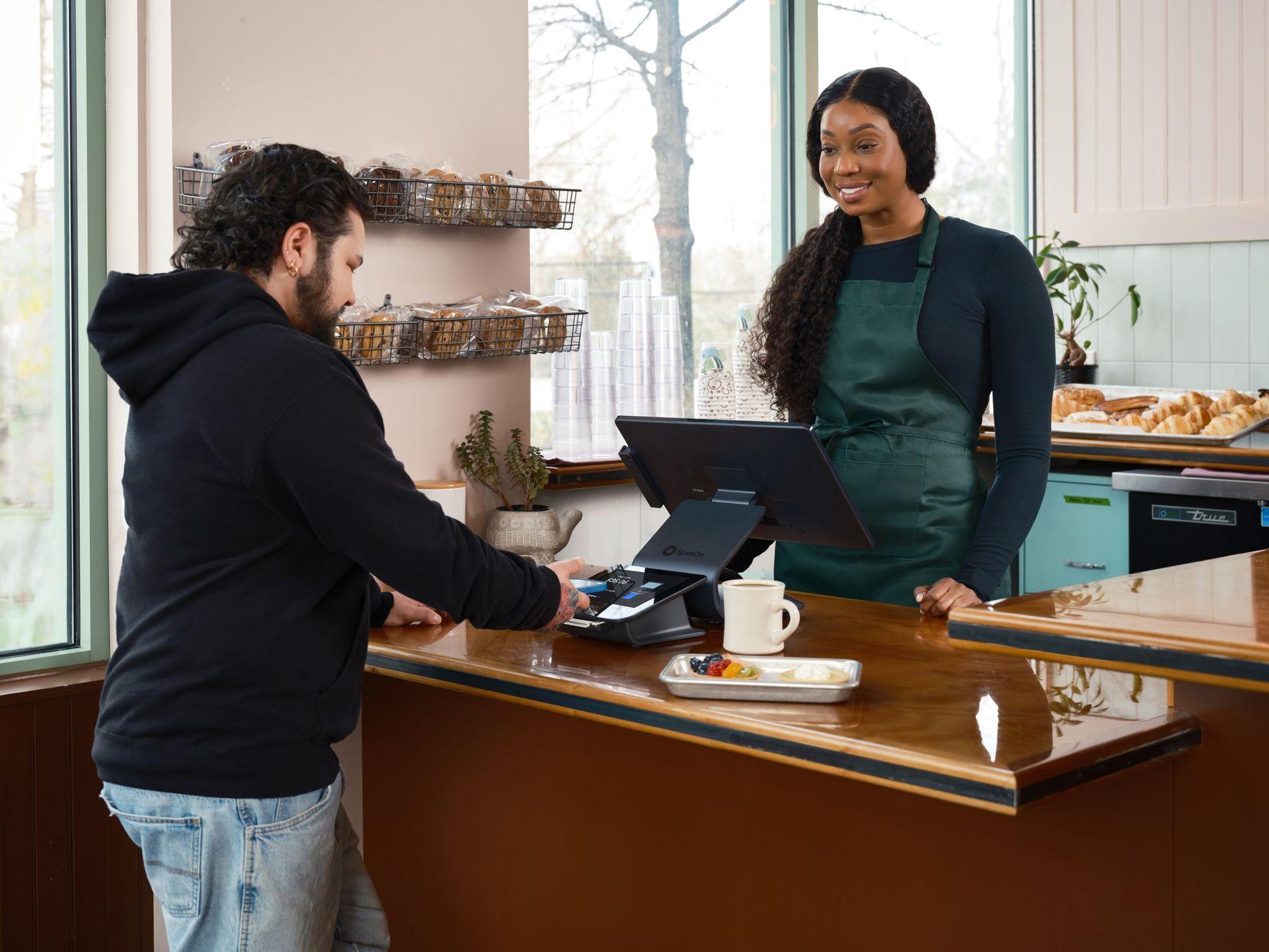
Walk through Palermo or downtown Córdoba today and watch the counters. Locals are not peeling bills off a stack. They are scanning QR codes, mostly through Mercado Pago and MODO, at everything from supermarkets to the kiosco selling you a bottle of water. So before you build your whole trip around cash logistics, let's go through the beliefs one by one and see which ones survive contact with 2026.
Belief one: Argentina runs on cash, so you need a fat envelope of pesos
This is the big one, and it is the most outdated. Argentines themselves have been moving away from cash for a simple, practical reason: inflation made it miserable. When prices climb, the physical stack of bills you need to carry grows with them. Nobody enjoys paying for dinner by counting out a brick of banknotes, and merchants do not enjoy receiving one either.
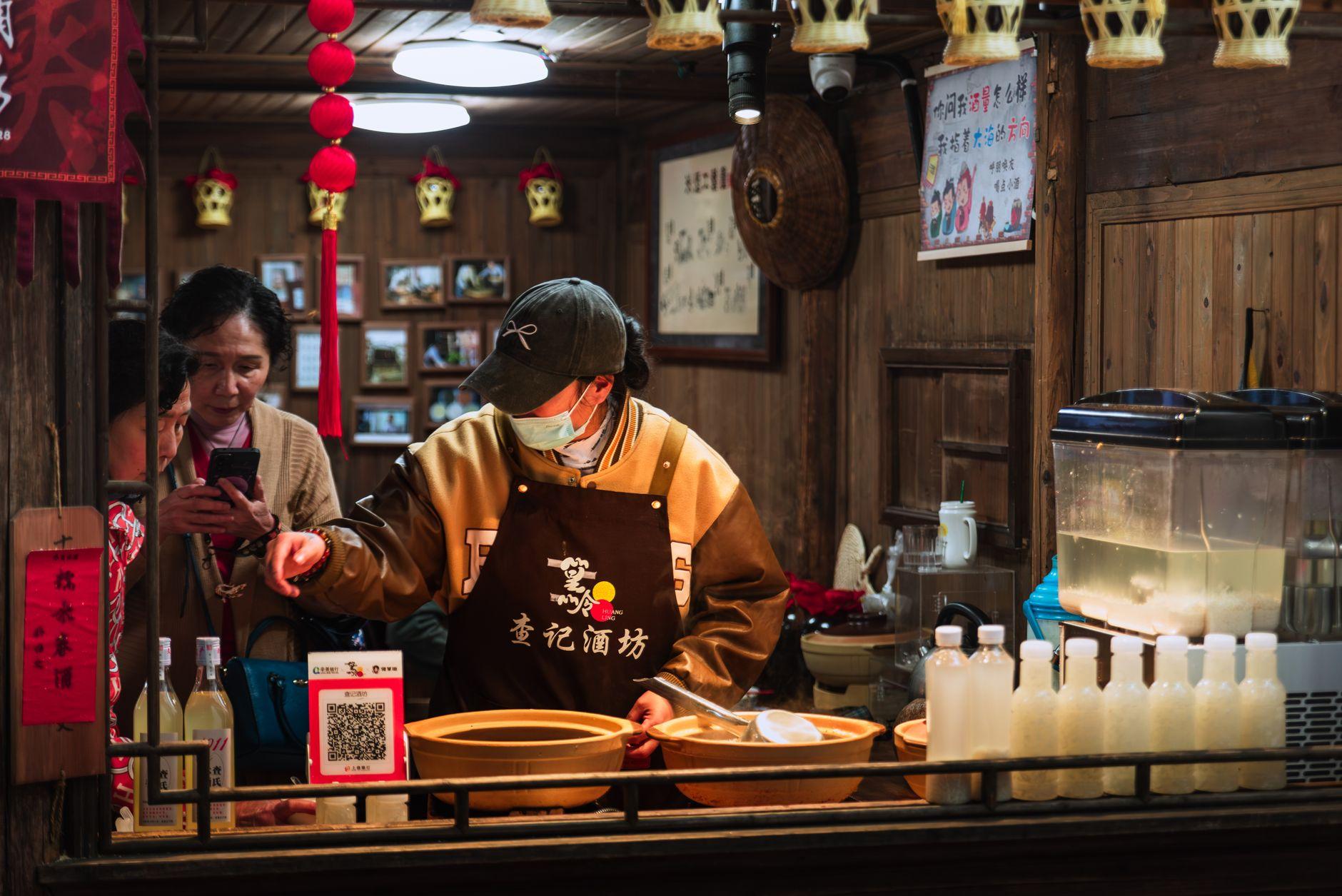
The result is that QR payment has gone from novelty to default. Mercado Pago, the payment arm of the Mercado Libre ecosystem, is everywhere. MODO, backed by Argentina's banks, is right behind it. The QR codes are interoperable across much of the system, which is why you see one printed code taped next to the register rather than five competing stickers. The verdulería, the taxi, the parrilla with handwritten menus, the craft stall at the Feria de San Telmo: the little laminated QR square is there.
Cash still exists and still works, and it is worth keeping some pesos for the rare holdout. But "Argentina is cash country" is no longer a description of how locals live. It is a description of how visitors get stuck living.
Belief two: the exchange rate situation means you must exchange dollars in person
For years, the gap between Argentina's official exchange rate and the parallel market made physical dollars genuinely valuable, and travelers built elaborate rituals around exchanging them. The landscape has shifted and keeps shifting, and card payments for foreigners have their own rate treatment that confuses almost everyone who tries to compare receipts.
The honest answer is that the rate you get depends heavily on how you pay, and the differences between official rates, card rates, and street rates change over time. We went deep on this in our breakdown of Argentina's blue dollar, card dollar, and QR dollar, so we will not repeat the whole map here. The practical takeaway for a visitor: the old rule of "cash dollars always win" is no longer automatic, and what matters most is seeing the actual rate you are getting before you commit to a payment, not after it appears on a statement. That transparency is exactly what QR payment through a wallet like Moreta Pay gives you: the amount in pesos, the FX rate, and the merchant name on screen before you confirm anything.
Belief three: you can just download Mercado Pago when you land
Plenty of travelers try. The app is free, it is in the app stores, and half the country uses it. The wall you hit is identity: registering fully requires an Argentine tax or national ID and, for most useful features, a local bank account or local funding source. The same applies to MODO, which is built on top of Argentine bank accounts by design.
So the local apps are built for locals, which is fair, but it leaves visitors staring at QR codes they cannot use. This is where Moreta Pay fits. You top up a wallet from your own bank at home (US bank via Plaid or ACH, SEPA in Europe, UK Faster Payments, Canadian e-Transfer) or an international card, in your own currency. In Argentina, you scan the same QR code the local in front of you just scanned, review the peso amount and the rate, and confirm. The merchant is paid instantly in pesos. No Argentine bank account, no ID workaround, no asking the waiter whether they take foreign cards.
Belief four: ATMs are a reasonable backup plan
Argentine ATMs are famously unkind to foreign cards: withdrawal limits tend to be low relative to prices, fees stack on top, and in busy areas the machines run dry or grow lines. When inflation pushes prices up, those low per-withdrawal limits mean more trips, more fees, and more time spent hunting for a working machine instead of eating milanesa. Travelers in Brazil face a similar trap, which is why we wrote about skipping the cash gauntlet there entirely. The logic in Argentina is the same: treat the ATM as a last resort for small amounts of walking-around cash, not as your main pipeline.
Belief five: QR codes are only for fancy places in Buenos Aires
Flip this one around. The humbler the business, the more likely QR is their preferred way to get paid. A card terminal costs money and takes a cut; a printed QR code costs nothing and settles instantly. That is why the empanada window, the flea market vendor in Mendoza, and the remis driver in Salta all have one. Big international hotels will take your Visa without drama. It is the small, cash-light, delicious places where QR stops being a convenience and becomes the practical way in.
Belief six: online bookings are a separate headache
Argentine e-commerce leans on the same rails. Many online checkouts, and travel platforms serving the region, offer QR or local payment options alongside cards. If a checkout shows you a QR code, you can scan and pay it with Moreta Pay the same way you would at a counter, with the amount and rate shown upfront. It also covers bill payments in supported countries, useful if you are an expat settling in and facing your first utilities.
What to actually do before you fly
Keep the parts of the old advice that still work: carry a modest amount of pesos for the edge cases, know roughly what things should cost so odd rates jump out at you, and do not change large sums at the airport. Then add the part the forums have not caught up on yet: get yourself into the QR ecosystem before you arrive, because that is where Argentina actually transacts now.
Set up your wallet, connect your home bank, and land ready to scan. You can get Moreta Pay working before your flight boards, so your first payment in Argentina is a coffee, not a currency puzzle.