
Ask five people how to handle money in Argentina and you will get five confident, contradictory answers. Bring crisp hundred dollar bills. No, use your card, the rate is fine now. No, withdraw pesos, but only from certain ATMs. Someone's cousin mentions the blue dollar. Someone else says everything changed last year anyway.
Most of that advice was true at some point. Argentina's exchange rate landscape has shifted so many times that travel forums are a graveyard of outdated tips. So instead of another hot take, here are the actual questions visitors ask, answered as directly as possible for 2026.
Why does everyone warn me about ATMs in Argentina?
Because Argentine ATMs have long been one of the worst deals in Latin American travel. Withdrawal limits tend to be low relative to what things cost, machine fees are charged per transaction, and your home bank often adds its own foreign withdrawal fee on top. Low limits plus per-withdrawal fees is a brutal combination: you end up paying the same fixed costs again and again just to keep a few days of pesos in your pocket.
Add inflation to the picture and cash gets even less appealing. Prices in pesos are large numbers, which means the stack of banknotes needed for a normal week is physically thick. Locals solved this problem years ago by moving everyday payments onto their phones. Visitors are the only ones still queuing at the machine.
What is the deal with the official rate, the card rate, and the blue dollar?
Argentina became famous for having more than one exchange rate at the same time. The official rate, the informal cash market everyone calls the blue dollar, and various rates applied to card transactions have all diverged and converged at different moments. Which one was best for tourists has flipped more than once, and policy changes can rearrange the whole picture quickly.
The practical takeaway is not to memorize today's spread, because it may not hold by the time you land. The takeaway is this: never pay through a channel where you cannot see the rate before committing. A quoted price in pesos plus a visible conversion you can accept or decline beats any secondhand advice about which rate is winning this month.
Can I just tap my foreign credit card everywhere?
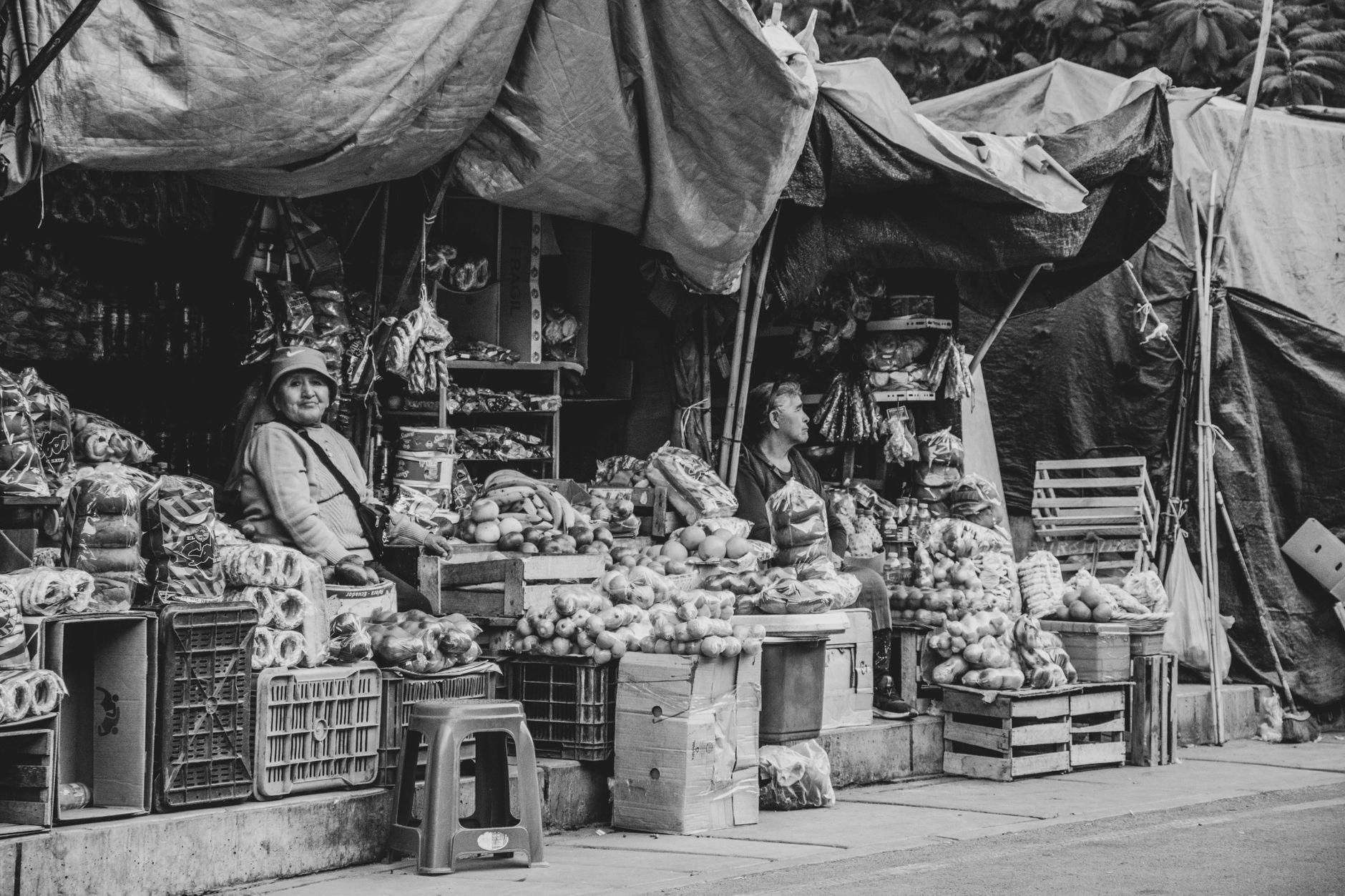
In central Buenos Aires, often yes. Supermarkets, chain restaurants, and hotels generally take international cards. But step into a neighborhood parrilla, a verdulería, a craft fair in Palermo, or almost anywhere outside the capital, and the answer gets shakier. Some places accept cards but quietly prefer not to. Others offer a discount for anything that is not a credit card, because card processing is expensive for small merchants.
And even where your card works, you are trusting your bank's conversion plus any foreign transaction fee it tacks on, none of which you see until the statement arrives.
Why does every kiosco have a QR code taped to the counter?
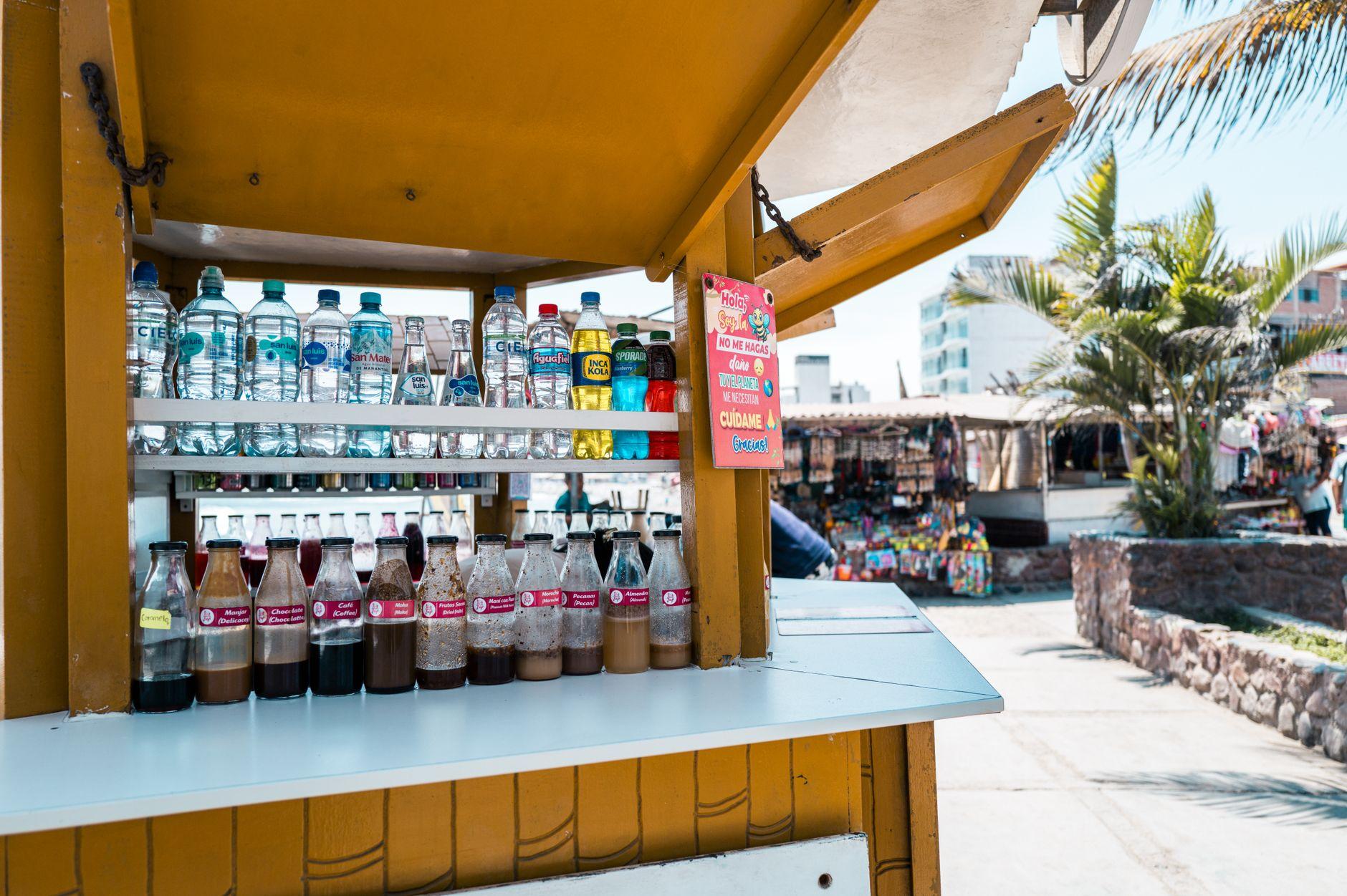
Because Argentina runs on QR payments now. Mercado Pago, the payments arm of Mercado Libre, is everywhere: the little blue QR sticker sits on the counter of kioscos, cafes, taxis, farmacias, and market stalls from Recoleta to Salta. MODO, backed by the country's banks, is the other major network, and interoperability rules mean most QR codes can be read by multiple apps. For Argentines, scanning a QR is as normal as handing over cash used to be, and it spares everyone from counting out a brick of banknotes.
The same shift has happened across the region. If your trip continues north, the dynamic with Yape and Plin in Peru will feel instantly familiar.
Can a foreigner sign up for Mercado Pago or MODO?
Realistically, no. Both are built around Argentine identity documents and local bank accounts or funding sources. As a visitor you can download the apps, but you will hit a wall at verification or funding. This is the gap that frustrates travelers most: the QR codes are on every counter, the locals are all paying in two taps, and you are stuck outside the system.
That gap is exactly what Moreta Pay exists to close. You top up a wallet from your own bank at home (US bank via Plaid or ACH, SEPA in Europe, UK Faster Payments, Canadian e-Transfer) or an international card, in your own currency. Then you scan the same QR codes the locals scan. No Argentine ID, no local account, no app you cannot activate.
So how does paying by QR actually work at the counter?
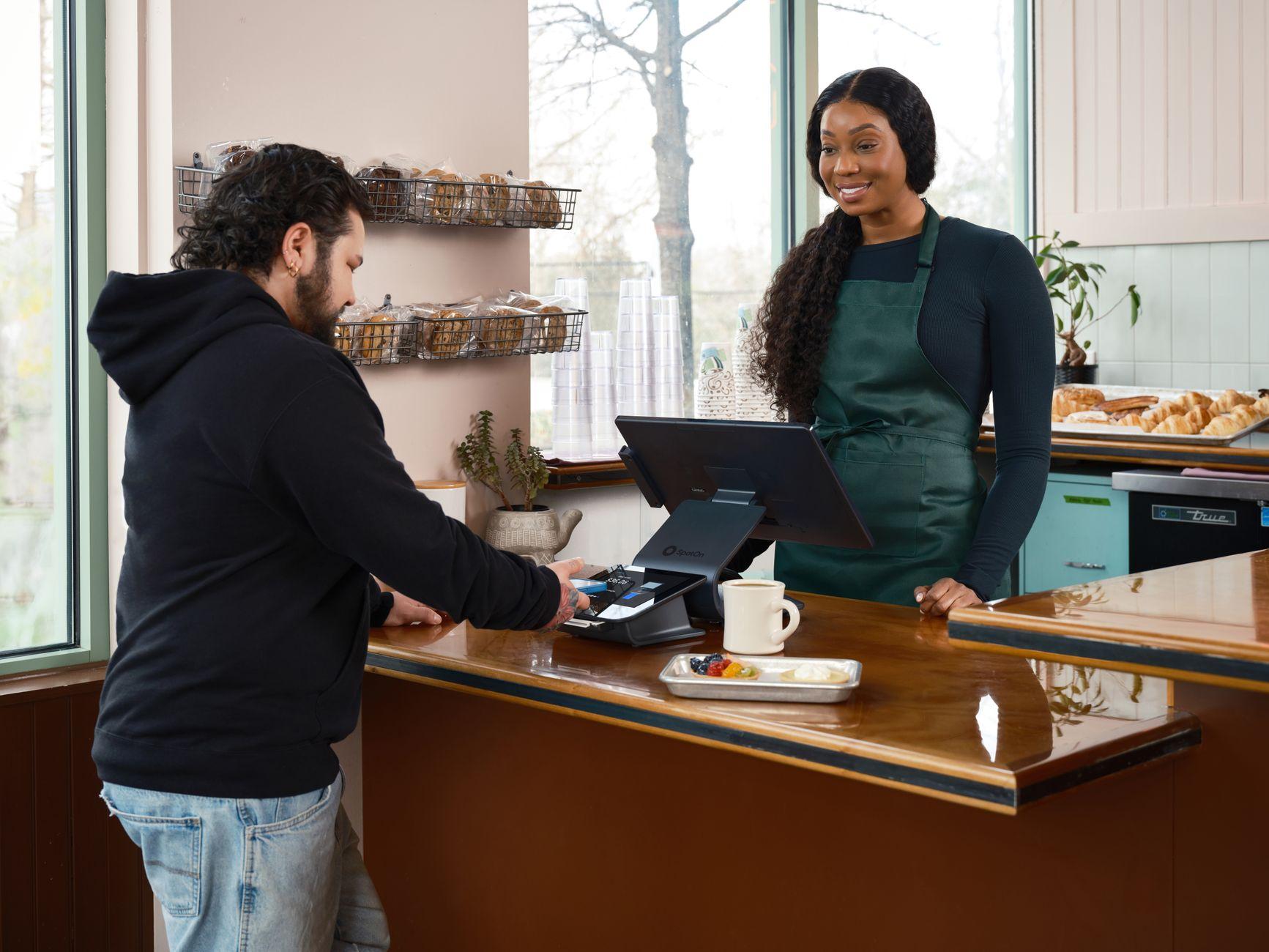
You order your café con leche and medialunas, the total comes up, and you scan the sticker on the counter with Moreta Pay. Before anything moves, you see the amount in pesos, the exchange rate being applied, and the merchant's name on your screen. If it looks right, you confirm, your wallet converts, and the merchant is paid in pesos instantly. In a country where the honest answer to "what rate will I get?" has historically been "it depends," seeing the rate on screen before every single payment is the entire game.
It also quietly solves the inflation annoyance. Prices can move, but you are never caught holding a stack of pesos that bought more last month than it does today. You convert at the moment you spend, payment by payment.
Do I still need any cash at all?
Yes, a little. Buses in Buenos Aires run on the SUBE transit card, which is loaded separately. Tips at restaurants are customarily left in cash. Rural areas, remote stretches of Patagonia, and some small-town vendors remain cash territory. One modest withdrawal, or a small amount of pesos exchanged on arrival, covers these edges. The point is to make cash the exception for specific situations rather than your default for everything, which is the same logic that works next door in Brazil with Pix.
What about paying for things online while I am there?
QR-based checkout is common on Argentine and regional platforms, and Moreta Pay handles QR payments online as well as in person, including on travel platforms like Trip.com and Agoda. That matters for a trip like Argentina, where you are often booking a domestic flight to Mendoza or a bus to Bariloche mid-journey, from your phone, in pesos.
What should my actual money plan look like?
Keep it simple. Before you fly, load your wallet from your home bank. Carry a small cash reserve for SUBE top-ups, tips, and the occasional cash-only stall. For everything else (the cafe, the parrilla, the taxi, the feria stall, the pharmacy), scan the QR on the counter and check the rate on your screen before you confirm. No ATM queues, no mental math about which exchange rate you are getting, no brick of banknotes in your front pocket.
Argentina's money situation has confused visitors for decades, but the fix in 2026 is refreshingly boring: pay the way portenos pay. Set up Moreta Pay before your flight and walk into your first kiosco already knowing exactly what every peso costs you.