
Ask around before a Bolivia trip and you will hear the same advice on repeat: bring stacks of cash, find a working ATM the moment you land, and pray your card is accepted somewhere. Some of that advice was true for a long time. Some of it was never quite right. And in 2026, a surprising amount of it is simply out of date, at least in the two cities where most travelers spend most of their money. Let's take the common beliefs one by one.
Myth 1: "Bolivia is all cash, so there's nothing to plan"
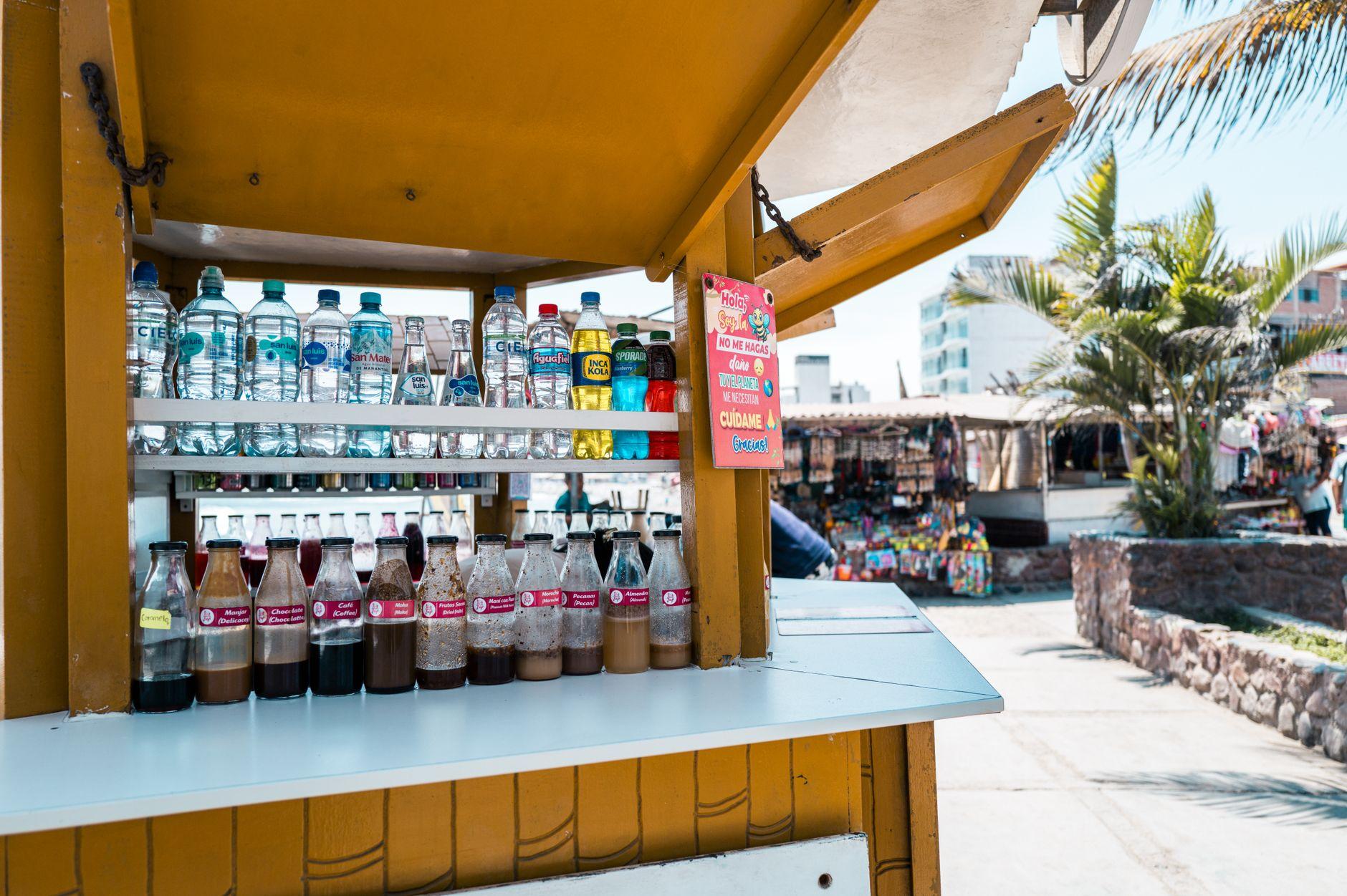
Bolivia is still a cash-heavy economy, nobody disputes that. But "cash-heavy" is not "cash-only," and the difference matters more every month. QR Simple, the standardized QR payment system used by Bolivian banks, has spread quickly through La Paz and Santa Cruz. You will see the printed QR codes taped to the glass at cafes in Sopocachi, at juice stands inside Mercado Lanza, at restaurants in Equipetrol, even at some stalls selling salteñas on the street. Locals scan, confirm, and walk off without touching a coin.
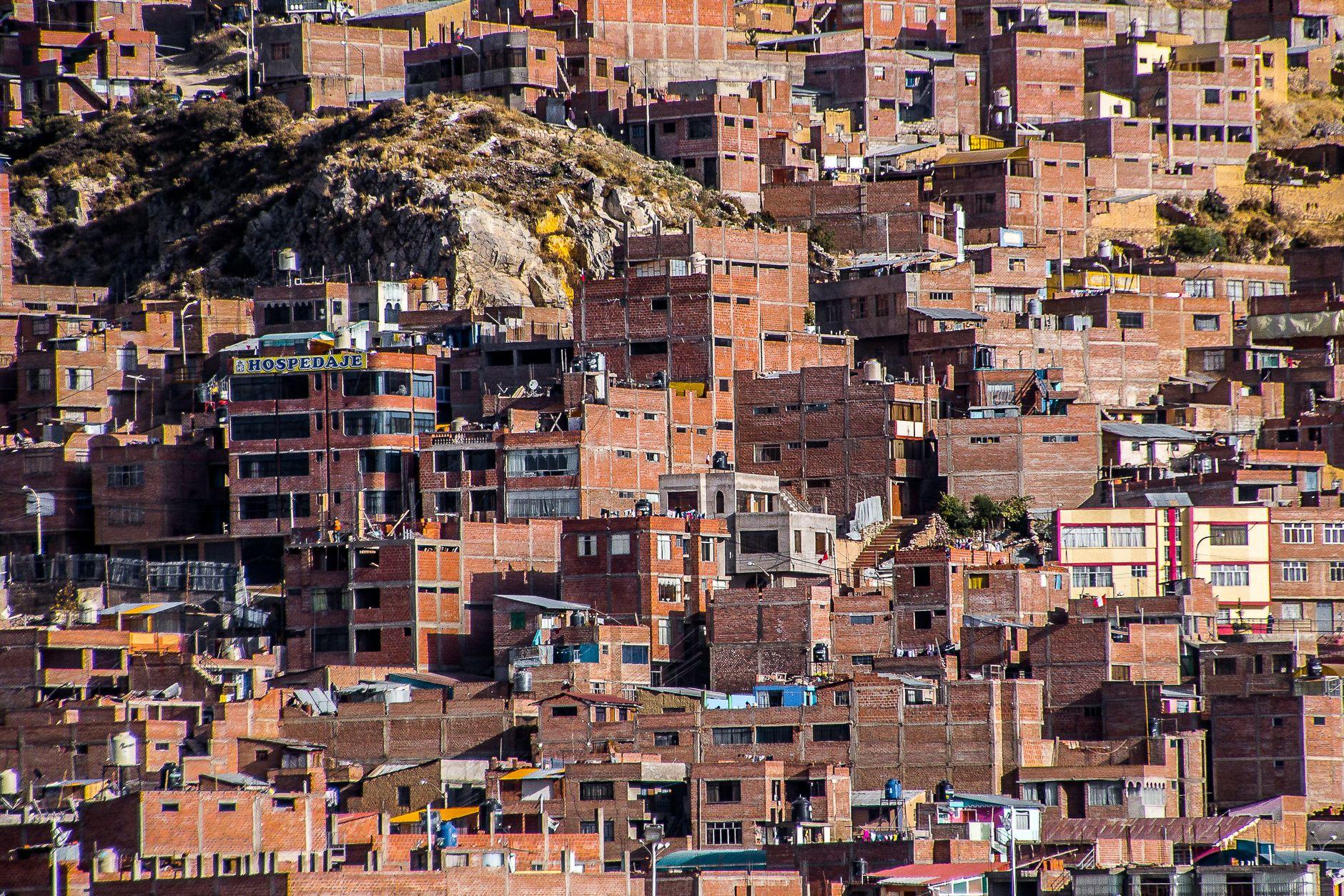
The mistake is treating Bolivia as one uniform cash zone. It is really two zones: the big cities, where QR payments are increasingly normal, and everywhere else, where cash is still king. Your money plan should match that split, not ignore it. The logic is similar to what we described for planning money in Mongolia: scan in the city, carry cash for the countryside.
Myth 2: "I'll just pull cash from ATMs as I go"
This plan works in La Paz, Santa Cruz, and Cochabamba, where foreign-card-friendly ATMs exist if you look for them. It falls apart fast outside the big cities. In Uyuni, Copacabana, Rurrenabaque, or smaller towns in the valleys, ATMs that accept foreign cards are rare, and the ones that do exist are sometimes empty, offline, or capped at amounts that barely cover a tour deposit.
Travelers who assume ATMs will always be around end up doing one of two things: making a stressed, fee-stacked mega-withdrawal in La Paz the night before a bus leaves, or arriving in a small town with not enough bolivianos and no way to get more. Neither is fun. The fix is not "carry your entire budget in cash from day one." The fix is to pay digitally wherever QR codes exist, so the cash you do carry stretches across the places that genuinely need it.
Myth 3: "My credit card will cover the gaps"
Card terminals exist in Bolivia, but mostly at the top end: international hotels, upscale restaurants, some tour agencies in tourist hubs. The everyday economy, the market lunch, the trufi ride, the artisan stall on Calle Sagárnaga, does not take plastic. And when a card is accepted, you may still face foreign transaction fees from your home bank, plus the occasional offer to charge you in your home currency at a rate you did not choose. Decline that, always.
In other words, a foreign credit card in Bolivia is a backup for big-ticket purchases, not a daily payment tool. The daily payment tools here are cash and, increasingly in the cities, QR Simple.
Myth 4: "QR Simple is only for people with Bolivian bank accounts"
This one used to be the dealbreaker. QR Simple runs through Bolivian banking apps, and as a visitor you cannot open a local account for a two-week trip, nor would you want to. So travelers saw the QR stickers everywhere and assumed the system was closed to them.
It isn't anymore. Moreta Pay lets you scan the same QR Simple codes locals use, directly from a wallet you top up from your home bank or an international card in your own currency. You scan the merchant's code, see the amount, the merchant name, and the exact exchange rate on screen, then confirm. The merchant gets paid in bolivianos instantly, and you never guessed at a rate or handed over a card. No local account, no SIM-card workarounds, no asking a stranger to pay for you while you hand them cash.
Myth 5: "Changing dollars at a casa de cambio is the smart move"
Plenty of travelers arrive with US dollars planning to change them as needed. It can work, but it comes with real friction: you need crisp, undamaged bills (worn notes get rejected or discounted), you need to compare rates between exchange houses, and you are carrying a lot of value in your pocket while you do it. Exchange rates in Bolivia have also been a moving target in recent years, which makes it hard to know whether the number on the chalkboard is fair on any given day.
If you have spent time in the region, you already know currency situations can get complicated; we wrote about the parallel-rate maze next door in Argentina. Bolivia is a different story, but the lesson carries over: the fewer times you convert blind, the better. When you pay by QR with Moreta Pay, the rate is displayed before you confirm each payment, so there is no post-trip spreadsheet surprise.
Myth 6: "Small purchases aren't worth paying digitally"
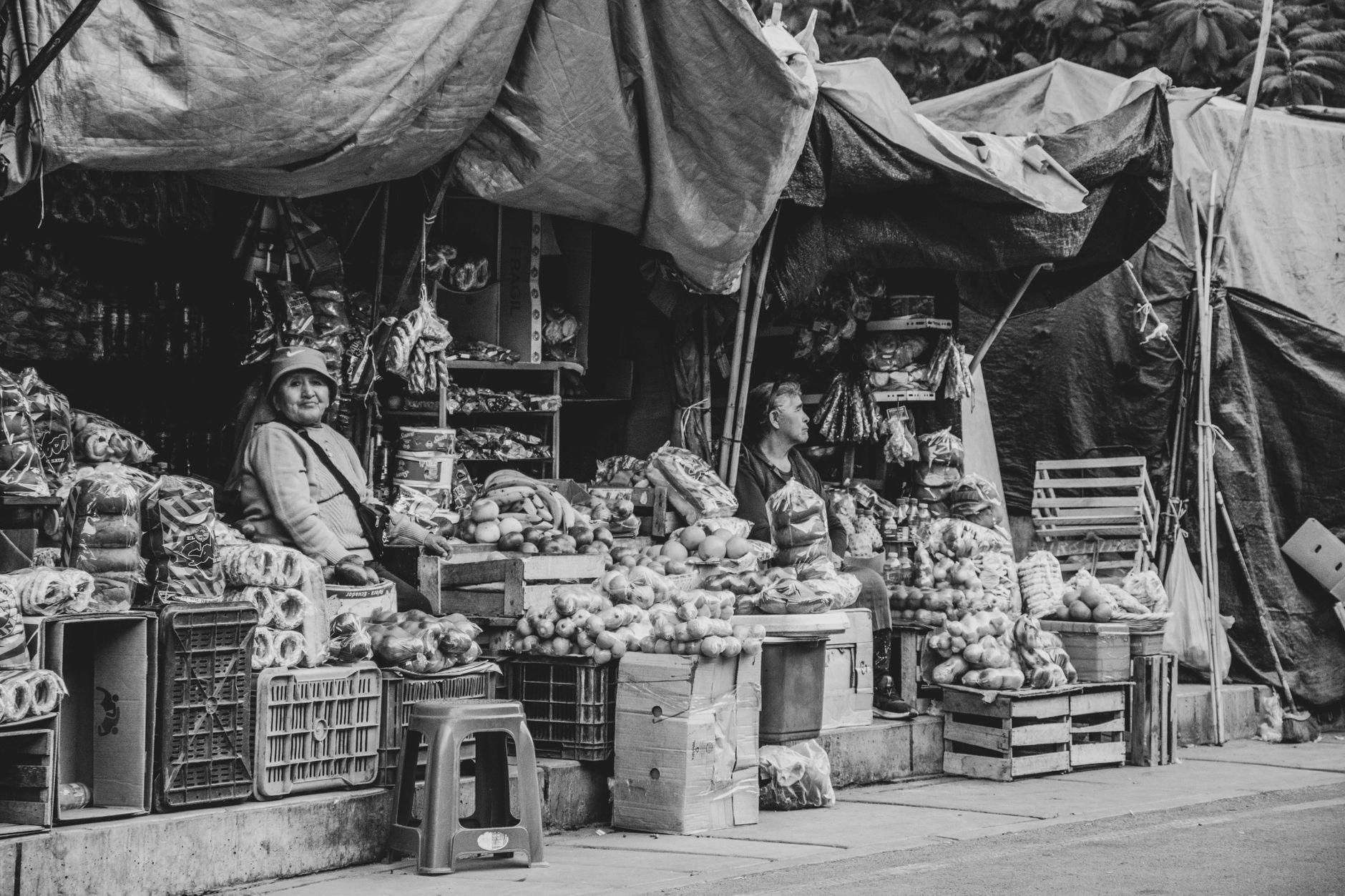
Actually, small purchases are where QR shines in Bolivia, because of the change problem. Hand a vendor a 200 boliviano note for a 12 boliviano api con pastel and watch the search for change begin, sometimes involving three neighboring stalls. Locals guard their small bills carefully for exactly this reason. Every coffee, almuerzo, or market snack you pay by QR is small change you keep in reserve for the micro, the public bathroom, or the village where QR has not arrived yet.
So what does a realistic Bolivia money plan look like?
Put the pieces together and the plan is straightforward:
- In La Paz and Santa Cruz: default to QR Simple wherever you see the sticker. Cafes, restaurants, many shops and market stalls will have one. Pay through Moreta Pay and keep your cash untouched.
- Before leaving the big cities: withdraw or exchange what you will genuinely need for the Salar de Uyuni circuit, Lake Titicaca towns, the Yungas, or wherever you are headed, in small denominations as much as possible.
- Everywhere: keep a modest cash float for transport, tips, and the stalls that are cash-only even in the cities. Bolivia rewards travelers who carry some cash; it just no longer requires you to carry all of it.
The old advice treated ATMs as the center of your Bolivia trip logistics. They should be a footnote. Let the cities pay themselves by QR, save the cash hunt for the places that truly need it, and spend your planning energy on the salt flats instead. Download Moreta Pay, load your wallet before you land in El Alto, and you will be scanning alongside paceños by your first lunch.