
Cambodia manages to confuse first-time visitors twice before they’ve even bought a coconut. First there’s the money itself: US dollars and Cambodian riel circulating side by side, sometimes in the same transaction. Then there are the ATMs, which charge you to access your own cash and often hand it to you in denominations no market vendor wants to break. The good news is that Cambodia also has one of the most unified QR payment systems in Asia, and travelers can plug into it. Here are the questions people actually ask, answered straight.
Why does everything in Cambodia have two prices?
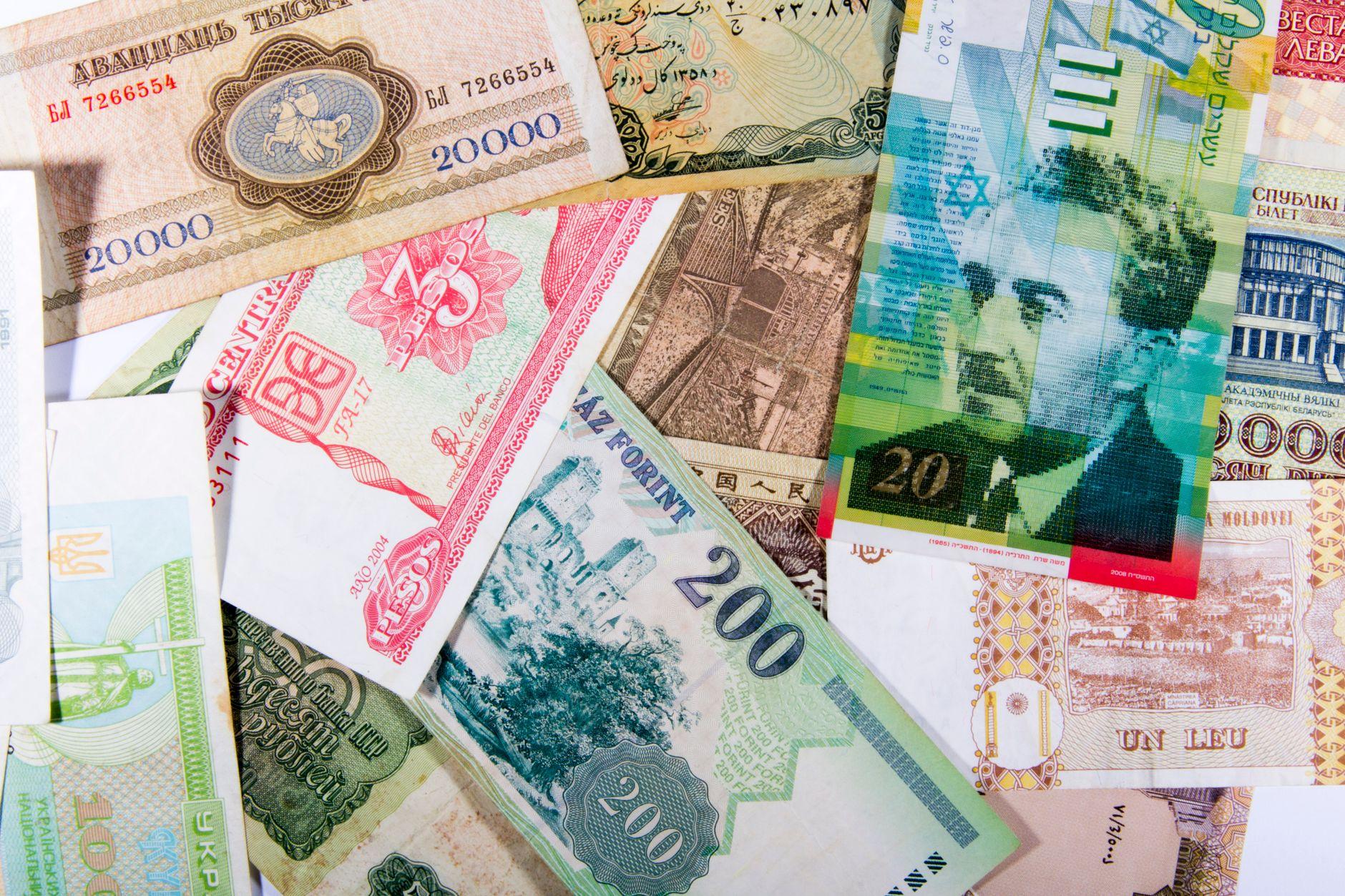
Because Cambodia genuinely runs on two currencies. Larger amounts, hotel bills, tours, and anything tourist-facing tend to be quoted in US dollars. Small everyday amounts, street food, tuk tuk fares, market produce, are usually in riel. Pay a dollar-priced item with a dollar bill and your change often comes back in riel, calculated at whatever rate the vendor uses. It works, locals do the math instantly, but for visitors it means constant mental conversion and a wallet slowly filling with small riel notes you never quite spend.
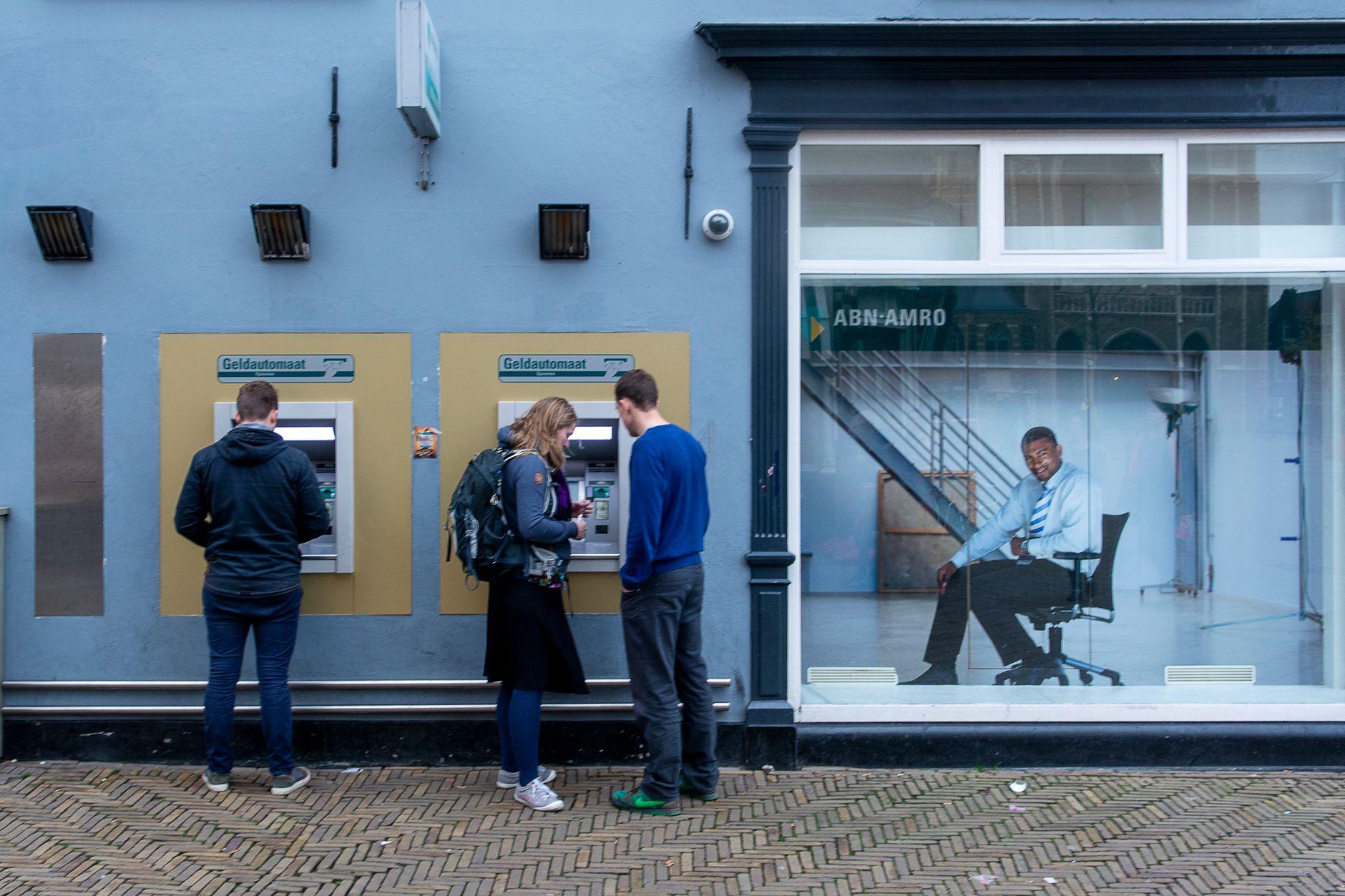
Are Cambodian ATMs really that bad?
They’re not broken, they’re just expensive in layers. The local machine charges its own withdrawal fee, your home bank may add a foreign transaction fee on top, and the exchange rate applied can be worse than the mid-market rate you see online. None of these charges are huge on their own. Stacked across a two or three week trip with multiple withdrawals, they quietly become one of your larger travel expenses. And you still end up carrying cash you have to guard, break, and count in two currencies.
What is KHQR, and why is it everywhere?
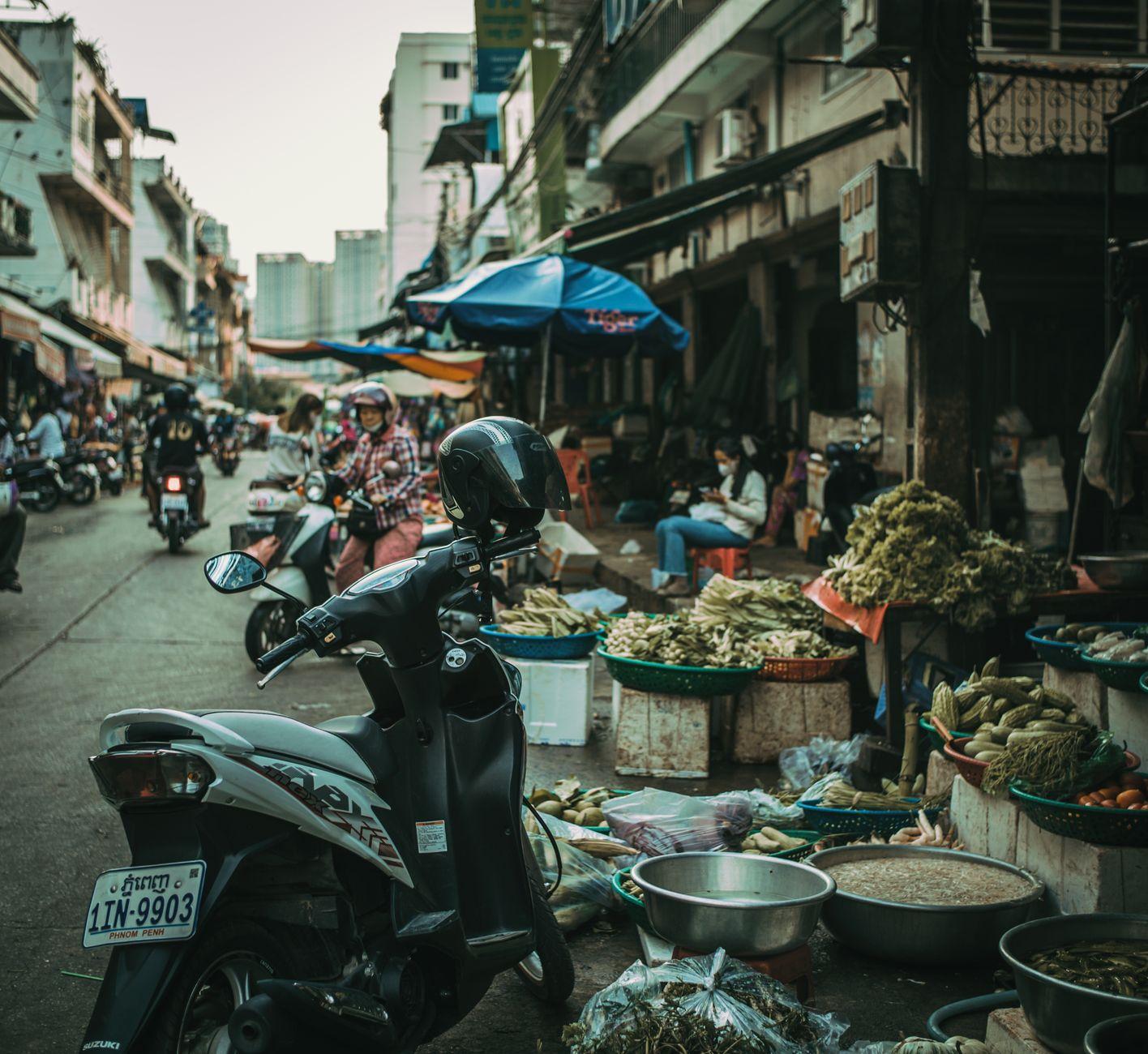
KHQR is Cambodia’s national QR code standard, built on the central bank’s Bakong system. Instead of every bank and wallet printing its own incompatible code, one standard KHQR sticker works across the whole ecosystem. That’s why you see the same red and white QR design at Phnom Penh coffee shops, Siem Reap night market stalls, pharmacies, petrol stations, and the lady selling num pang sandwiches from a cart. If you’re curious how a country this cash-heavy adopted QR this fast, we wrote a longer piece on it in The QR Code That Ate Cambodia.
Can a foreigner actually use KHQR without a Cambodian bank account?
Historically, no, and that was the frustrating part. The codes were everywhere, but scanning them required a local bank app or wallet, which required local ID and residency paperwork most travelers don’t have. That’s the gap Moreta Pay fills: you top up a wallet from your home bank or card in your own currency, then scan the same KHQR codes locals scan. The app shows you the amount, the exchange rate, and the merchant name before you confirm, converts from your balance, and the merchant is paid instantly in their currency. No local account, no paperwork, no ATM run first.
Does paying by QR fix the dollar-versus-riel confusion?
Mostly, yes, and this is underrated. When you scan a KHQR code, the amount is the amount. There’s no negotiating which currency you’re paying in, no vendor rounding the conversion in their favor, and no mixed handful of dollars and riel coming back as change. You see exactly what you’re paying and what it costs in your home currency before you tap confirm. The dual-currency system doesn’t disappear, but it stops being your problem.
What about the small change problem?
Anyone who has spent a week in Cambodia knows this one. Riel comes in small notes, US coins aren’t used, so change for anything under a dollar arrives as a stack of 100 and 500 riel bills. Vendors run short of change constantly, especially in the morning. Break a larger dollar bill at a street stall and you may get an apologetic shrug. QR payments simply delete this friction. The exact amount moves, down to the smallest unit, and nobody has to dig through a change box. For a fifty-cent bag of fruit, that matters more than you’d think.
Where does KHQR work, and where will I still hit cash-only?
Coverage in Phnom Penh, Siem Reap, Battambang, Kampot, and the coastal towns is strong: cafes, restaurants, minimarts, markets, guesthouses, laundries, many tuk tuk drivers. Where you should still carry some cash: remote villages, some island beach bars with no signal, temple donation boxes, and the occasional older vendor who never got a code. A sensible setup is a modest cash reserve in small riel notes plus QR for everything else. That flips the usual ratio, where cash is the default and cards are the backup, into something much cheaper.
Should I just use my credit card instead?
You can at hotels, malls, and upscale restaurants, but acceptance thins out fast below that level, and card terminals sometimes offer to charge you in your home currency, a conversion that rarely favors you. The places where you spend most often in Cambodia, food stalls, markets, small shops, transport, are exactly the places where cards don’t work but KHQR does. This is the same pattern we found next door, where Thailand’s PromptPay codes cover the everyday economy that cards never reached.
Can I use QR for online bookings too?
Yes. QR-based checkout shows up on platforms travelers in the region actually use, including Agoda and Trip.com, so you can pay for a Siem Reap guesthouse or a bus booking the same way you pay for lunch. Moreta Pay handles those QR checkouts as well, with the same upfront view of the rate and total.
So what’s the actual plan for a Cambodia trip?
Keep it simple. Withdraw a small amount of cash once, ask for small notes, and treat it as your backup for signal-dead beaches and rural stops. Load a Moreta Pay wallet from your home bank before you land. Then pay by scanning KHQR everywhere it’s offered, which in the cities is nearly everywhere. You’ll skip the stacked ATM fees, skip the exchange-rate guesswork, skip the two-currency change dance, and spend your mental energy on deciding between amok and lok lak instead. Ready to land in Phnom Penh already able to pay like a local? Set up Moreta Pay before your flight and your first coffee can go on a KHQR code, not an ATM receipt.