
Cambodia has a reputation problem when it comes to money. Ask in any travel forum how to pay in Cambodia and you’ll get the same recycled advice: bring crisp US dollars, hoard small bills, expect chaos with the riel, and forget about paying by phone. Some of that advice was true once. Most of it is now years behind reality. Cambodia quietly built one of the most unified QR payment systems in Southeast Asia, and visitors who show up with a money belt full of twenties are solving a problem that has largely stopped existing.
Let’s go through the myths one at a time.
Myth 1: Cambodia is a cash economy, full stop
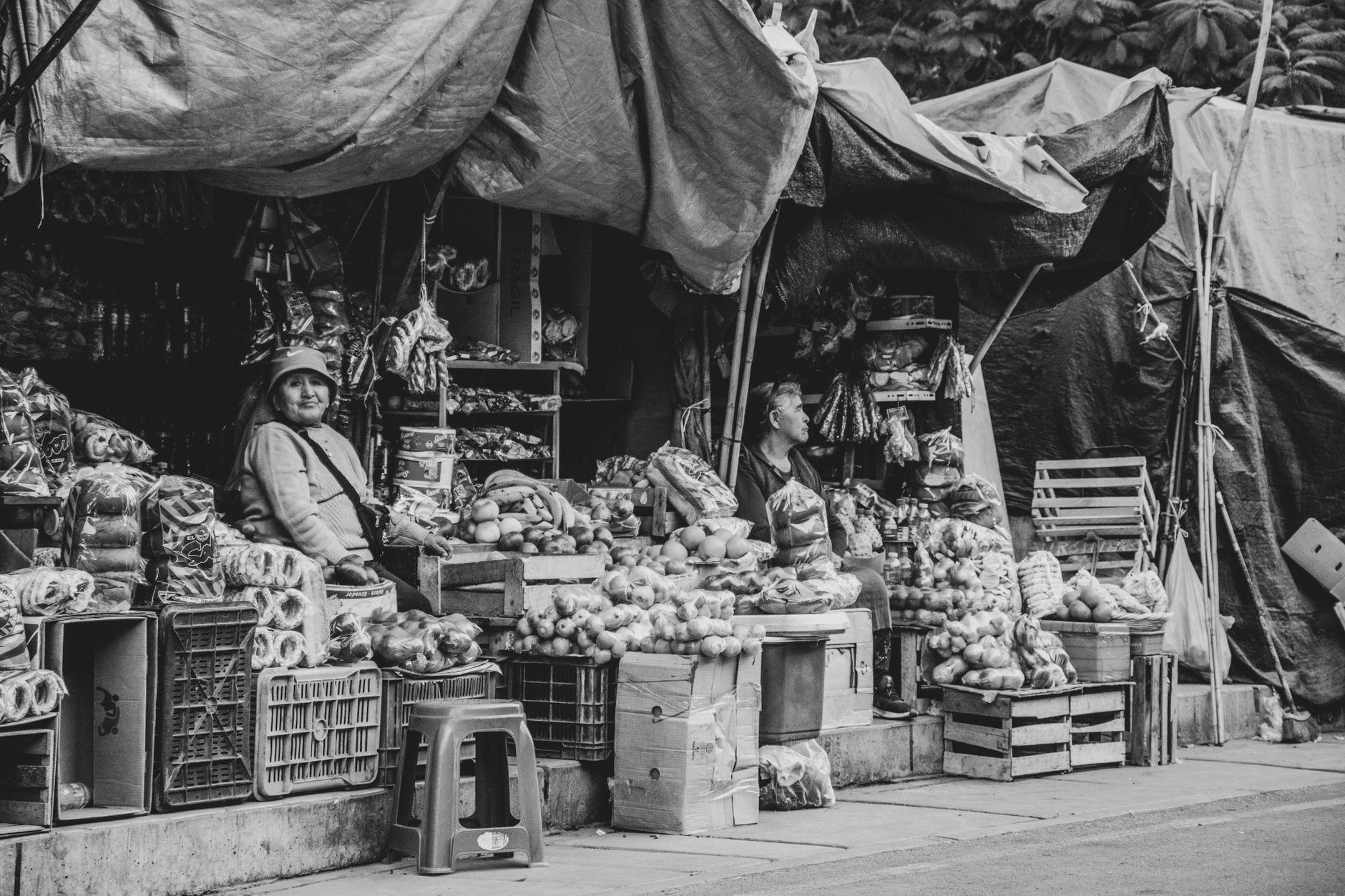
This is the big one, and it collapses the moment you walk through Phnom Penh’s Russian Market or order an iced coffee in Siem Reap. Nearly every counter, cart, and stall displays a red and white KHQR code. KHQR is Cambodia’s national QR standard, running on the Bakong system operated through the National Bank of Cambodia, and it works the same way whether you’re at a shopping mall in BKK1 or a noodle stand near the riverside.
The remarkable part is how uniform it is. In some countries you face three or four competing wallet apps and have to guess which one a merchant accepts. In Cambodia, one KHQR code covers essentially everyone. The vendor selling grilled bananas from a cart and the boutique hotel reception desk are on the same rails. Locals pay this way constantly, for amounts as small as a bottle of water, so nobody blinks when you do the same.
Myth 2: US dollars make everything simple
Cambodia’s dual currency system sounds convenient on paper. Dollars are accepted almost everywhere, so surely you can just use them and skip the riel entirely?
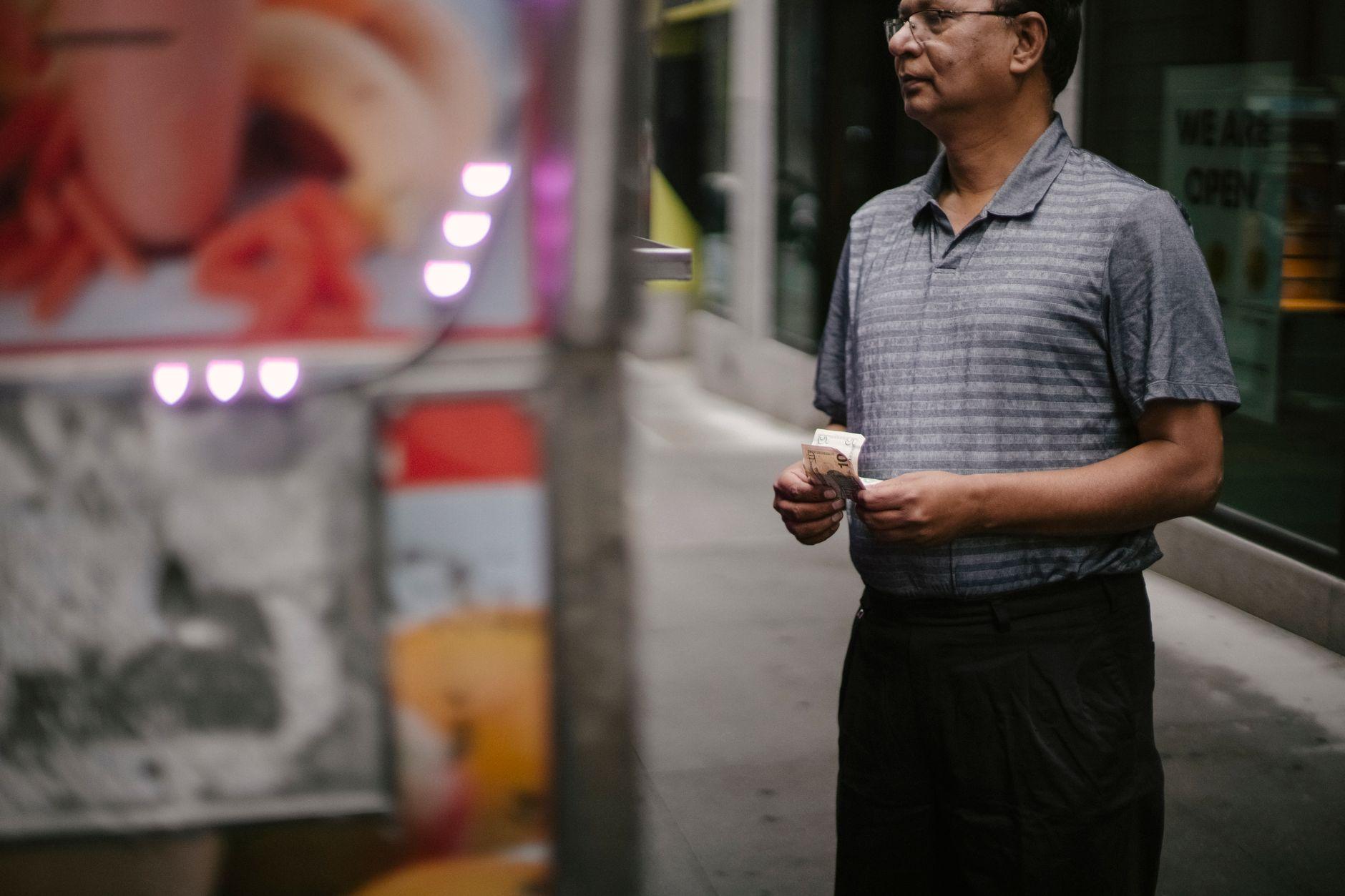
In practice, dollars are where the confusion starts, not where it ends. Larger purchases are typically priced in dollars, small ones in riel, and your change often comes back as a mix of both. Hand over a ten dollar bill for a two dollar snack and you might receive a five, some ones, and a small stack of riel notes you now have to mentally value on the fly. Vendors are also famously picky about the condition of dollar bills. A note with a small tear or heavy crease can be politely refused, which is a strange experience the first time it happens to you at a pharmacy counter.
Paying by QR sidesteps the entire dual currency dance. The merchant’s price is the amount charged, in whichever currency it was quoted, and nobody has to negotiate over a worn bill or hunt for change.
Myth 3: The riel change problem is just something you live with
Every traveler who spends a week in Cambodia on cash ends up with the same artifact: a wad of small riel notes accumulating in a pocket or a hotel drawer. Riel handles everything under a couple of dollars, so change from tuk-tuk rides, market snacks, and convenience store runs arrives in denominations that feel too small to matter individually and too numerous to ignore collectively. Plenty of visitors fly out with a souvenir stack they never managed to spend.
QR payments make this problem simply not happen. There is no change when the exact amount moves digitally. That sounds like a minor convenience until you’ve spent your third morning trying to assemble the right combination of notes for a five thousand riel coconut while a queue forms behind you.
Myth 4: KHQR is only for people with Cambodian bank accounts
This one used to be true, and it’s the myth that keeps most travelers stuck in cash. Bakong wallets and local banking apps are built for residents, and opening a Cambodian account for a two week trip is nobody’s idea of a good time.
But you don’t need a local account to scan local codes anymore. Moreta Pay lets you pay any standard KHQR code from a wallet you top up in your own currency, from your own bank at home (US bank connection, SEPA, UK Faster Payments, Canadian e-Transfer) or an international card. You scan the same laminated code the person ahead of you just used, see the amount, the merchant’s name, and the exact exchange rate before anything moves, then confirm. The merchant is paid instantly in their currency. No ATM run, no torn dollar debates, no riel arithmetic.
If you’ve used something similar in Thailand, the experience is nearly identical to paying with PromptPay codes in Bangkok, just with red and white codes instead.
Myth 5: QR payments stop working outside Phnom Penh
Travelers often assume the capital is digital and everywhere else is cash country. Cambodia doesn’t really work that way. Siem Reap, powered by years of tourism, is arguably even more QR saturated than Phnom Penh, with codes at temple town cafes, night market stalls, and massage shops alike. Kampot’s riverside guesthouses, Battambang’s coffee shops, and even ticket counters for island ferries out of Sihanoukville commonly display KHQR.
You should still carry some cash for genuinely remote areas and the occasional vendor who prefers it. But the ratio has flipped. Cash is the backup in Cambodia now, not the plan. Travelers heading onward overland will find a similar story next door, which we covered in our piece on why your wallet is too small for Laos.
Myth 6: A credit card covers whatever QR doesn’t
Card terminals exist in Cambodia, mostly at upscale hotels, international restaurants, and larger supermarkets. Outside that bubble, they’re rare. The tuk-tuk driver, the market tailor, and the family-run guesthouse are far more likely to show you a QR code than a card machine. And where terminals do exist, you may be offered the choice to pay in your home currency, a classic dynamic currency conversion trap that quietly worsens your rate. The safer habit is treating QR as the default and cards as an occasional fallback, not the other way around.
QR also follows you online. Cambodian bookings on platforms like Agoda and Trip.com can often be settled through QR-based checkout, which a Moreta Pay wallet handles the same way it handles a street stall.
What your first day actually looks like
Here’s the un-mythologized version of arriving in Cambodia in 2026. You land, connect to Wi-Fi or a local eSIM, and confirm your wallet has a balance you topped up before the flight. Your first coffee, your ride into town, and your night market dinner all get paid the same way: scan the KHQR code, check the name and the rate on screen, tap confirm. You exchange a modest amount of cash as insurance and probably still have most of it at the end of the week.
Cambodia without cash isn’t quite literal, but Cambodia without ATM anxiety, dollar-bill inspections, and pockets of orphaned riel absolutely is. Set up Moreta Pay before you land and you’ll be scanning KHQR codes alongside the locals from your very first meal.