
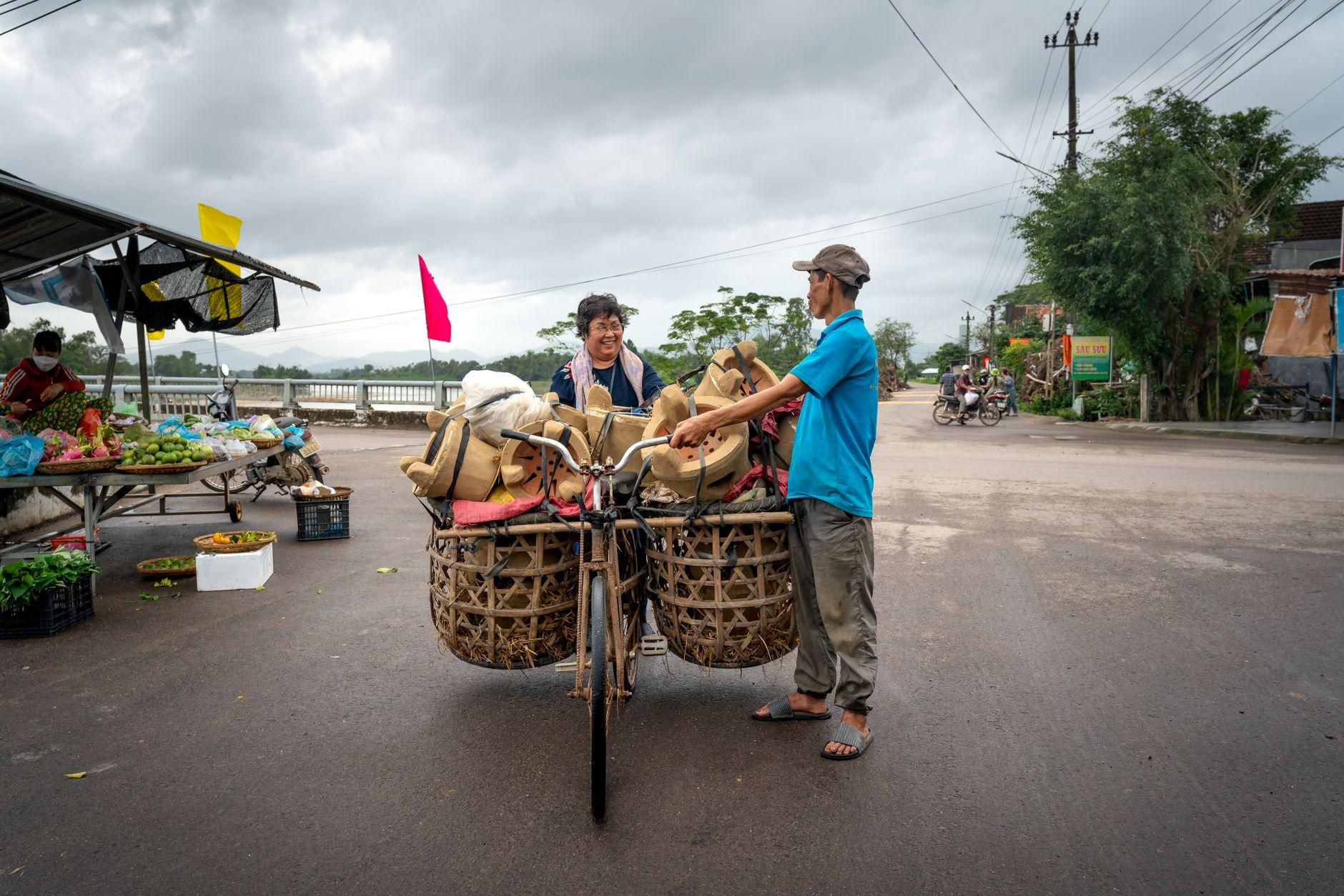
It’s 7am at the Luang Prabang morning market and you’ve just bought a bag of sticky rice, two bananas, and a coffee poured over ice into a plastic bag with a straw. Total damage: not much. But the vendor is now counting out your change in a stack of banknotes thick enough to prop open a door. You fold the wad, try to close your wallet, fail, and end up walking away with a fist of kip stuffed into your daypack like contraband.
Welcome to the strange arithmetic of money in Laos, where you can feel rich and broke at the same time, where the ATM charges you generously for the privilege of a small withdrawal, and where, quietly, a QR code taped next to the fruit scale has started making all of this optional.
The kip problem nobody warns you about
The Lao kip comes in big numbers. Everyday notes run into the tens of thousands, and prices for anything beyond street food land in the hundreds of thousands fast. That has two practical consequences for a visitor.
First, mental math gets slippery. When a tuk tuk ride and a bowl of khao soi both involve five or six digits, it’s easy to hand over the wrong note or misjudge whether something is a fair price. Second, physical cash becomes a logistics problem. A modest daily budget translates into a brick of paper. You’ll find yourself doing wallet triage every evening, sorting large notes from small ones so you’re not fumbling at the next noodle stall.
None of this is a crisis. Lao vendors are patient and used to confused foreigners squinting at zeros. But it does mean that every trip to the ATM restocks a pile you then have to carry, count, and defend from humidity for days.
Why the ATM run stings more here
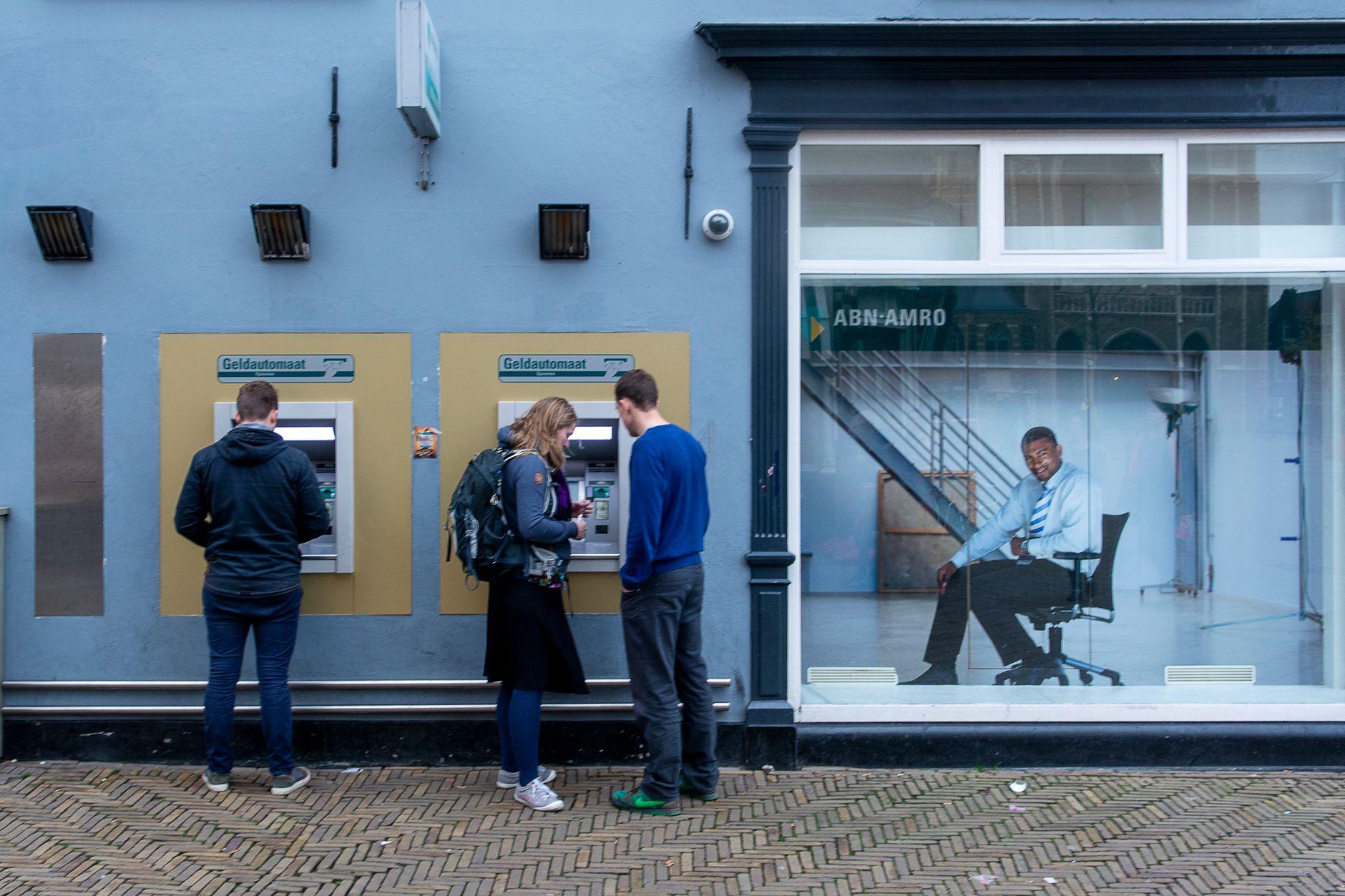
Here’s the part that actually costs you money. ATMs in Laos tend to combine two unfriendly features: low withdrawal limits and high fees per transaction. Individually, either one is annoying. Together, they’re a trap.
Because the per-withdrawal cap is low, you can’t do the usual traveler trick of pulling out a big amount once to spread the fee thin. Instead you’re back at the machine every couple of days, paying the fee again each time, plus whatever your home bank adds on its end, plus an exchange rate you never got to inspect. It’s death by a dozen small cuts, and the low limits mean the cuts come frequently.
Then there’s availability. In Vientiane and Luang Prabang you’ll find machines without much trouble. Head to Nong Khiaw, the Bolaven Plateau, or a village along the Nam Ou, and working ATMs get scarce. The traditional advice was to withdraw heavily in the cities before heading out, which, given the low limits, meant standing at a machine feeding it your card multiple times in a row while a queue formed behind you.
LAO QR is quietly changing the picture
While travelers have been grumbling about ATMs, locals in Laos have been doing what locals across Southeast Asia have done: skipping cash entirely and scanning QR codes instead. The national standard is called LAO QR, and it’s spreading fast through Vientiane and Luang Prabang. You’ll spot the codes at cafes along the Mekong riverfront, at minimarts, at guesthouses, and increasingly at the same market stalls where you were just handed that brick of change.
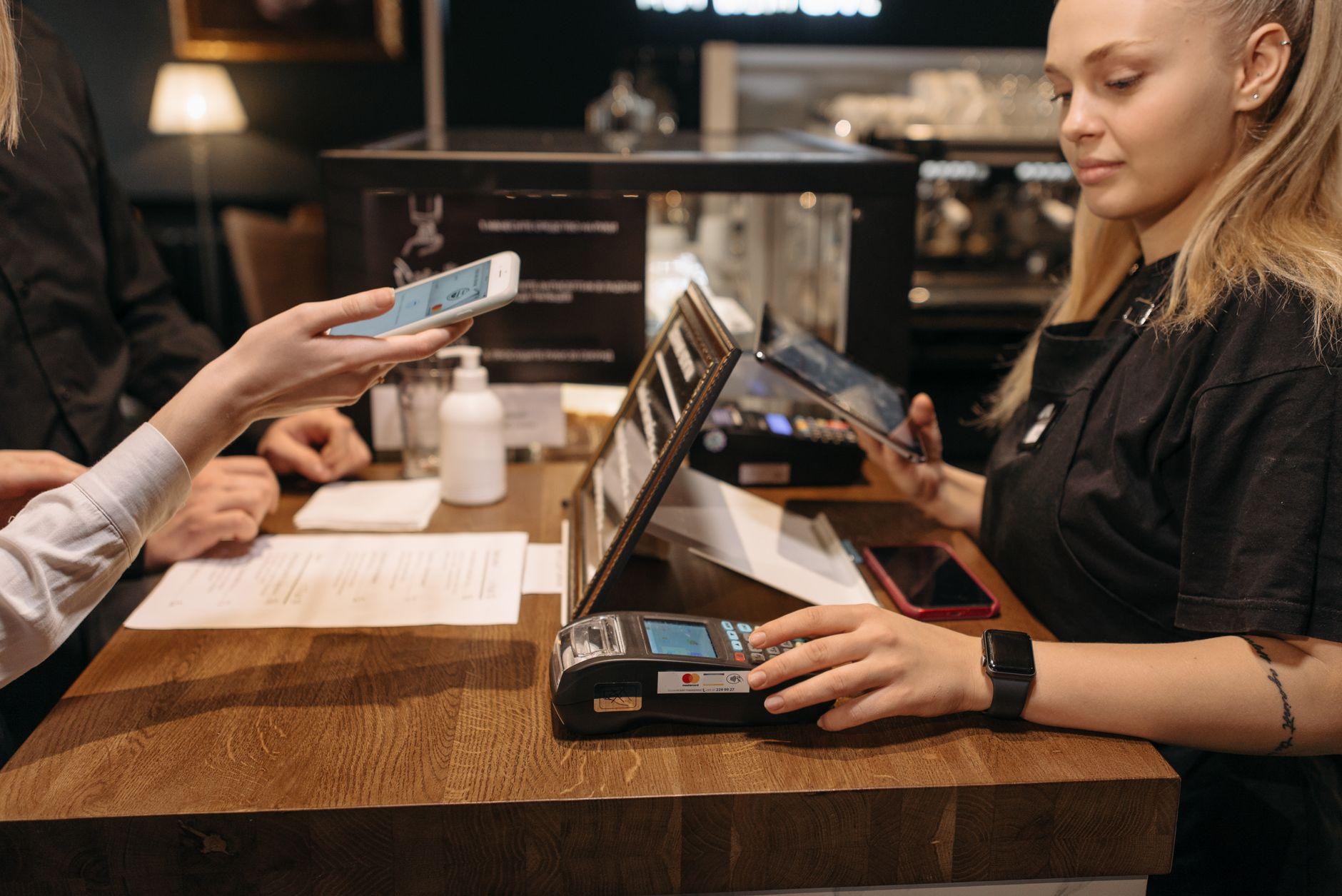
Watch a local shopper for a minute. Phone out, camera on the laminated code, a glance at the amount, a tap, done. No counting, no change, no wallet the size of a paperback. If you’ve traveled the region recently you’ve seen this movie before, in Thailand with PromptPay and in Vietnam with VietQR, and Laos is now firmly in the same story. If you’re crossing over from Thailand on the Friendship Bridge or the railway, the habit transfers directly, and it’s the same logic we covered in our guide to skipping ATM fees in Thailand.
The catch, historically, was that LAO QR belonged to people with Lao bank accounts. Tourists could admire the codes but not scan them.
How a visitor gets into the local QR club
This is where Moreta Pay earns its spot on your phone. You top up a wallet before or during your trip using your home bank (US bank via Plaid or ACH, SEPA in Europe, UK Faster Payments, Canadian e-Transfer) or a card, in your own currency. Then, at that riverfront cafe, you scan the merchant’s regular LAO QR code, the same one the local at the next table just used.
Before you confirm, the app shows you the amount, the merchant name, and the exact exchange rate you’re getting. You approve it, the wallet converts to kip, and the merchant is paid instantly. No local bank account, no queue at the machine, no fee stacked on a fee. The rate transparency matters more in Laos than almost anywhere, precisely because those huge kip numbers make it hard to sanity-check conversions in your head. Seeing the math laid out before you tap removes the guesswork.
It works for more than street purchases, too. QR-based checkout on platforms like Trip.com and Agoda means you can book a Luang Prabang guesthouse or a Vang Vieng transfer the same way.
A realistic plan: some cash, mostly QR
Laos is not cashless, and pretending otherwise will strand you at some point. Here’s a split that actually works in 2026:
- Carry a modest cash float. Enough for tuk tuks, temple donations, remote villages, and the occasional stall that’s still paper-only. Because you’re not funding your whole trip from ATMs, one or two withdrawals can cover it instead of a fee every other day.
- Break big notes deliberately. Use larger kip notes at minimarts and busier restaurants that can make change, and hoard small notes for markets and drivers.
- Scan wherever you see LAO QR. In Vientiane and Luang Prabang that’s a growing share of your daily spending. Every scanned payment is cash you didn’t have to withdraw, carry, or count.
- Top up your Moreta Pay wallet before heading upcountry. Connectivity is fine in towns, but doing your wallet admin on good wifi beats doing it on a bus.
Travelers looping through the region will notice the pattern repeating: the same phone-and-QR approach carries you through Cambodia’s KHQR system and beyond, with one wallet and one set of habits.
Leave the brick of kip to the collectors
There’s a certain backpacker romance to a fat stack of kip, and by all means keep a note or two as a souvenir. But the fees, the limits, the repeated ATM pilgrimages, and the nightly wallet-sorting ritual? Those you can retire. The QR codes are already on the tables in Vientiane and Luang Prabang, waiting. Set up Moreta Pay before you land in Laos and pay the way the person next to you does, with the rate on screen and your wallet blissfully thin.