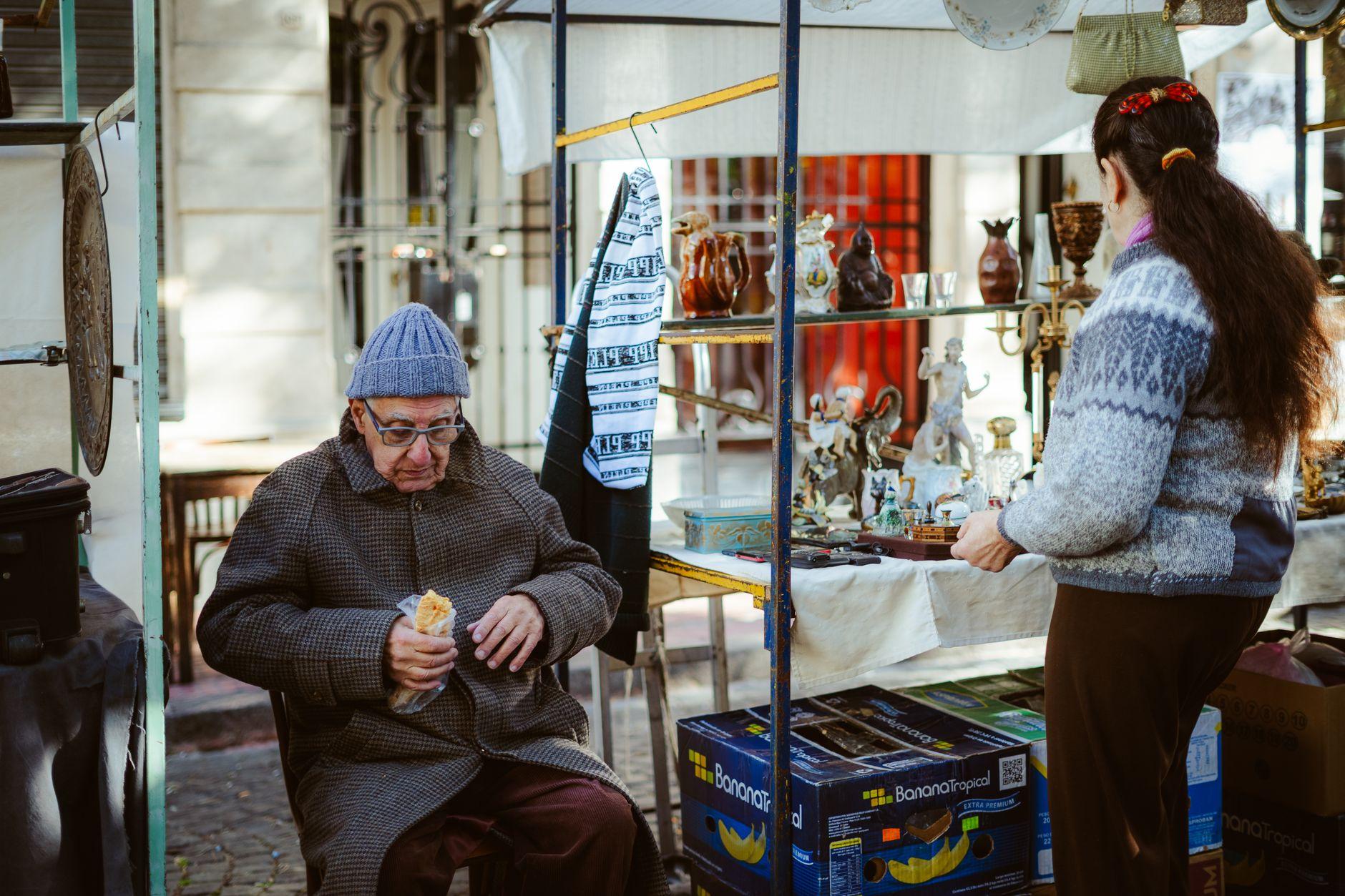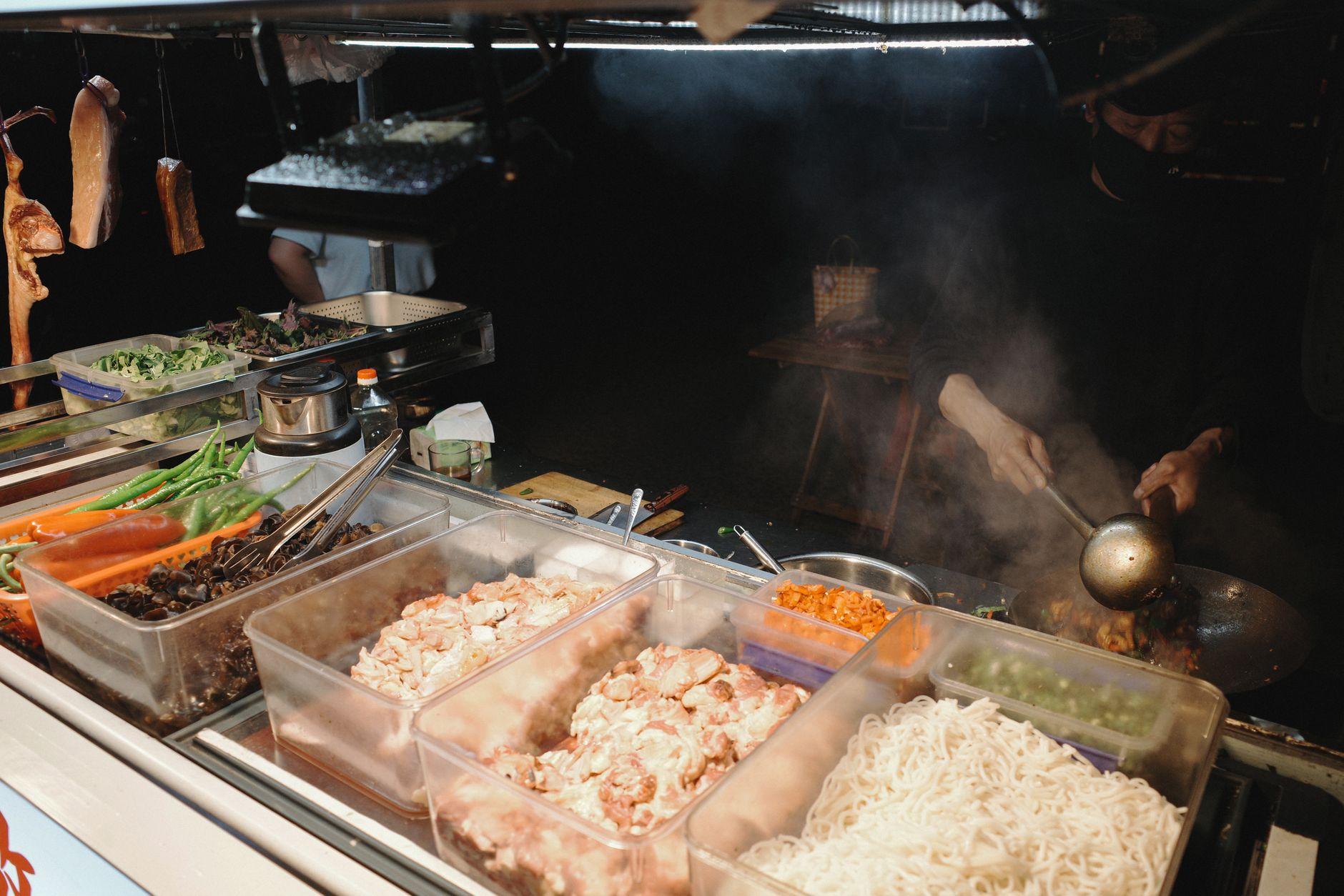

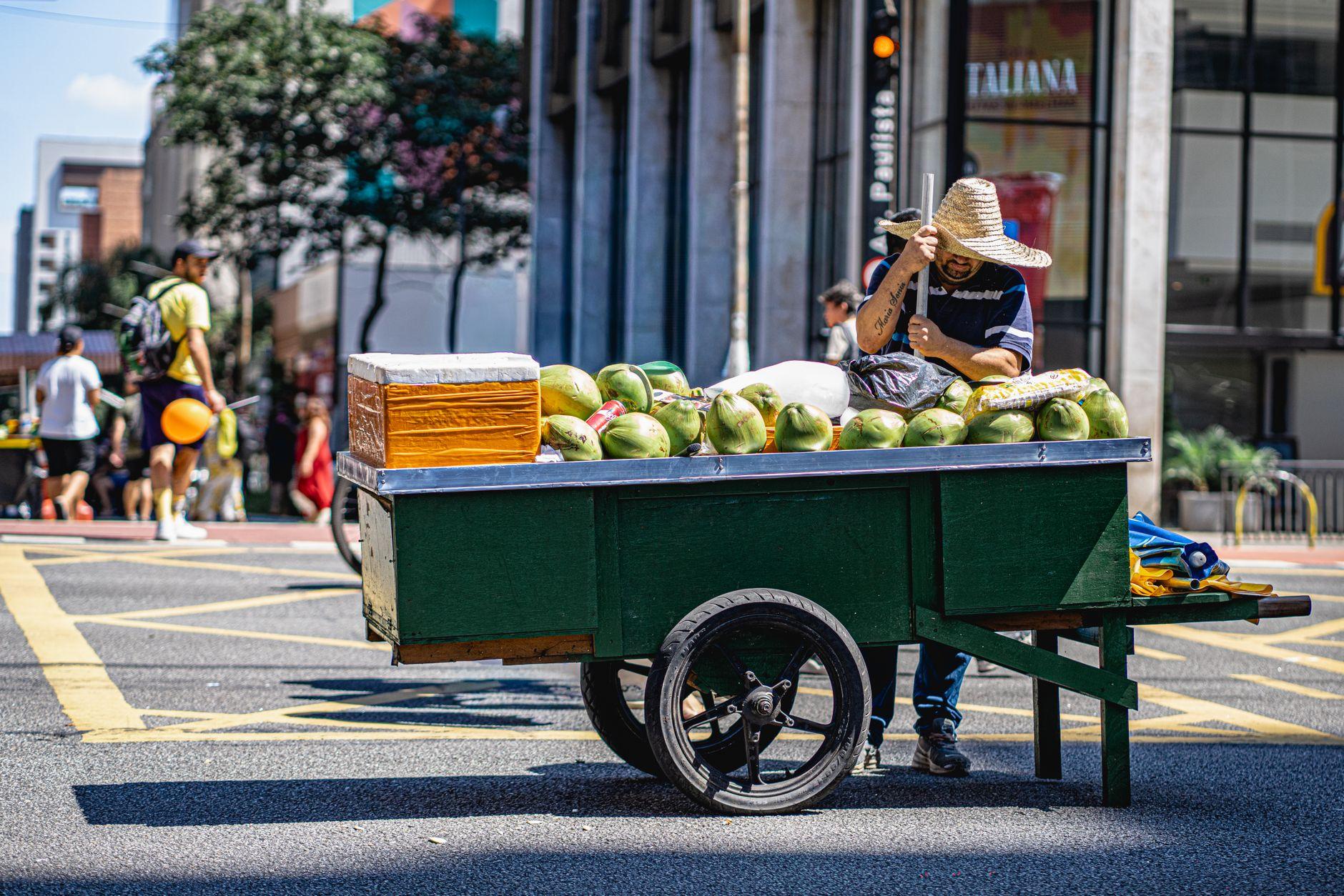
Saturday morning, a feira livre in São Paulo's Pinheiros neighborhood. The pastel stand has a line ten people deep, oil crackling, the vendor folding dough faster than you can watch. When you finally get your pastel de queijo and a cup of caldo de cana, you reach for your card. The vendor shakes her head, smiles, and points at a laminated square zip-tied to the tent pole. A QR code. "Pix?" she asks. Behind you, a local has already scanned, tapped twice, and walked off with his food. The whole payment took about four seconds. You, meanwhile, are digging for crumpled reais and hoping she has change for a fifty.
That little laminated square is the single most important thing to understand about money in Brazil in 2026. Not the currency, not the card terminals, not the ATMs. Pix.
Pix Is Not an App, It Is How Brazil Pays
Pix is Brazil's instant payment system, run by the central bank, and it has reached a level of everyday saturation that surprises almost every first-time visitor. The woman selling tapioca from a cart has a Pix QR code. The guy renting beach chairs in Ipanema has one. Your Uber driver will offer Pix if you want to tip. The acarajé vendor in Salvador, working from a table and a pot of dendê oil, takes Pix. Street musicians tape Pix codes to their guitar cases.
Transfers land instantly, around the clock, weekends included, and for small merchants they are typically cheaper and simpler than card payments. That is why so many stall owners actively prefer Pix. A card machine means fees, settlement delays, and hardware. A Pix code means a printout and a phone. Some tiny vendors are effectively Pix-first: they will take cash if they must, but the QR code is the payment method they are set up for, and sometimes the price quoted assumes you are paying that way.
If you are curious why a government-run network ended up everywhere while private wallets dominate elsewhere, we broke that down in our comparison of central bank QR networks like Pix versus private wallets. The short version for a hungry traveler: in Brazil, one QR standard works everywhere, which is great news once you can actually use it.
The Catch for Visitors, and the Way Around It
Here is the frustrating part. Pix was built around Brazilian bank accounts. Locals pay from their banking app, which is tied to their account and their CPF (the Brazilian tax ID). As a visitor, you have neither, so the fastest, cheapest, most universal payment method in the country has historically been locked to you. You end up carrying cash, hunting for ATMs, and paying card-machine prices at the few stalls that have a machine at all.
This is exactly the gap Moreta Pay exists to close. You top up a wallet from your own bank at home, through a US bank connection, SEPA in Europe, UK Faster Payments, Canadian e-Transfer, or an international card, all in your own currency. Then at the feira, you scan the vendor's ordinary Pix QR code, the same one the locals scan, see the amount in reais alongside the exchange rate and the merchant's name, and confirm. The wallet converts at that moment and the vendor is paid instantly, just like a Pix from any Brazilian bank. No local account, no CPF, no explaining yourself at the pastel stand while the line grows behind you.
Static Codes, Typed Amounts, and the Name Check
At markets and street stalls, you will mostly meet static QR codes: one printed code that never changes, where the amount is not embedded. The vendor tells you the price, you scan, you enter the amount yourself, and you show the confirmation screen. Learn to recognize the numbers when spoken ("doze" is twelve, "vinte e cinco" is twenty-five) or just watch for the vendor to hold up fingers or point at a handwritten price board. If in doubt, they will happily type the number into their own phone and show you.
Two small habits will save you from the most common mistakes. First, check the recipient name on the confirmation screen. Pix payments show who you are paying before you confirm, and vendors are used to customers glancing at the name. It is the easiest protection against a swapped or tampered sticker. Second, show the success screen after paying. At a busy stall the vendor may not hear their phone ping, and a quick flash of your confirmation keeps the line moving. Moreta Pay surfaces the merchant name, the amount in reais, and the FX rate on one screen before you commit, so the name check takes a second, not a scavenger hunt through menus.
Where This Matters Most: A Short Tour
Beach vendors. Água de coco, globo biscuits, caipirinhas from a cart, chair and umbrella rentals. Almost nobody brings a wallet to the sand anymore, so these vendors went Pix early. A laminated code hanging from a cooler is the standard setup.
Feiras livres. The weekly produce and street food markets in every Brazilian city. Fruit stands, pastel tents, flower sellers. Static Pix codes everywhere, cash as the fallback, cards rare.
Night food streets and festivals. Churrasquinho skewers, espetinhos, canjica at a festa junina. High volume, small amounts, impatient lines. Pix is dramatically faster than waiting for a card machine to find signal.
Municipal markets. Places like São Paulo's Mercado Municipal or Belém's Ver-o-Peso mix proper shops with tiny counters. The shops take cards; the counter selling sugarcane juice probably prefers the QR code taped to the register.
Should You Carry Cash at All?
A little, yes. A few small notes cover the rare holdout vendor, a tip for someone watching your bag, or the moment your phone dies at the worst time. But treat cash as the backup, not the plan. Every trip to an ATM in Brazil means operator fees and the question of what to do with leftover notes when you leave, a problem we covered in our piece on how leftover reais get converted twice. Paying by QR, you convert exactly what you spend, when you spend it, and you fly out with nothing stranded in your pocket.
There is also the simple comfort of transparency. With cash, your real exchange rate was decided at the ATM or the exchange counter, fees baked in where you cannot see them. With a Pix payment through your wallet, the rate is on the screen before you tap confirm, for a twelve-real pastel or a two-hundred-real market haul alike.
One Laminated Square, Everywhere You Go
The beautiful thing about Brazil is the consistency. Once you can pay by Pix, you can pay the pastel lady in Pinheiros, the coconut guy in Copacabana, the acarajé vendor in Salvador, and the tapioca cart in Recife, all with the same gesture: scan, check the name, confirm. The same works for QR payments online when you are booking rooms or buying gear for the trip, and for bills if you are settling in for a longer stay.
So next time you are at the front of that pastel line and the vendor points at the tent pole, you will not be the person digging for a fifty. Set up Moreta Pay before you land in Brazil and the laminated square becomes your payment method too.