
Bolivia has a reputation as one of the most cash-dependent countries in South America, and for most of the country that reputation is earned. But in La Paz and Santa Cruz, something has shifted. QR Simple, the country's interoperable QR payment standard, is now stuck to cash registers, taped to market stall poles, and printed on laminated cards hanging from taxi mirrors. Travelers keep arriving with the same questions, so here they are, answered directly.
What is QR Simple, and will I actually see it?
QR Simple is Bolivia's interoperable QR code standard. One code works across participating Bolivian banks, which is why a single sticker at the till is enough for the merchant. In La Paz, you will see it in cafes in Sopocachi, pharmacies in the centro, and increasingly at stalls in the big markets. In Santa Cruz, it is common in restaurants and shops around Equipetrol and the city center. Outside those two cities, coverage thins out fast. Sucre and Cochabamba sit somewhere in the middle, and small towns on the altiplano are still almost entirely cash.
Can I use QR Simple without a Bolivian bank account?
Not through the local banking apps, no. QR Simple is built around Bolivian bank accounts, and opening one as a short-term visitor is not realistic. This is where a wallet like Moreta Pay closes the gap: you fund it from your home bank or card in your own currency, then scan the merchant's QR Simple code the same way a local would. The app shows you the amount in bolivianos, the FX rate, and the merchant name before you confirm, and the merchant gets paid instantly in their currency. No Bolivian account, no cash handover.
Will Bolivian ATMs accept my foreign card?
In La Paz and Santa Cruz, some will, usually machines attached to the larger banks. Outside the big cities, very few ATMs accept foreign cards at all. This is the detail that catches people out. Travelers plan to "just withdraw cash as they go" and then find themselves in Uyuni or Copacabana feeding their card into machine after machine with no luck. The practical rule: treat ATMs outside La Paz, Santa Cruz, and to some extent Sucre and Cochabamba as unreliable for foreign cards, and plan around that rather than hoping.
So can I actually travel Bolivia without cash?
Honestly, no. You can go largely cashless in central La Paz and Santa Cruz if you stick to QR-accepting businesses, but the moment you leave those cities, bolivianos in your pocket become essential. The realistic strategy in 2026 is a hybrid one: pay by QR wherever a code is displayed, and keep a cash reserve for everywhere else. The win is not eliminating cash entirely. It is cutting your cash dependence down to the handful of situations that genuinely require it, so you are not hauling a thick stack of bills through the whole trip or hunting for a working ATM every third day.
What still has to be paid in cash?
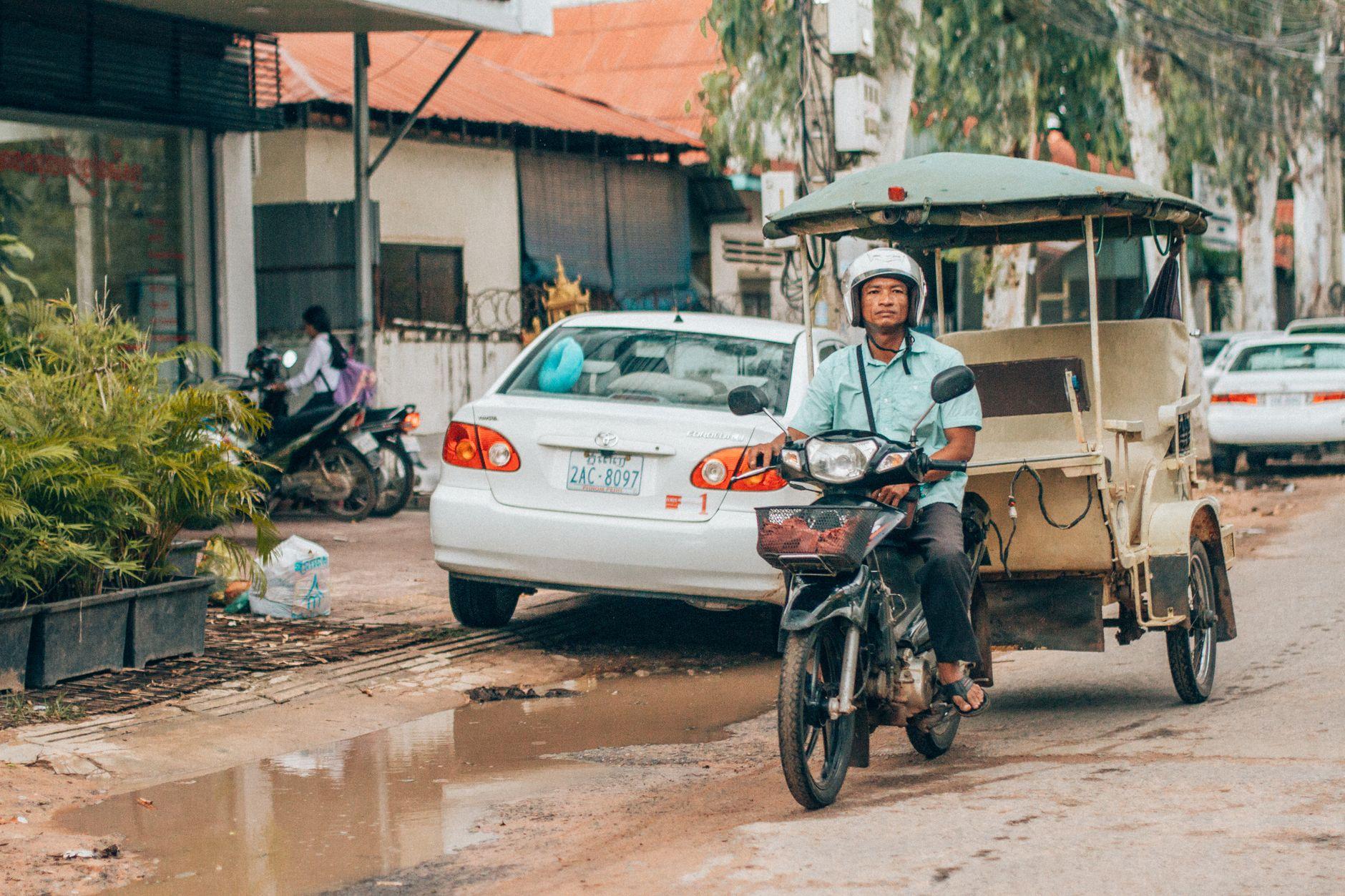
Micros and trufis, the shared minibuses and route taxis that move both cities, run on small coins and small bills, full stop. This is the same pattern we covered in why cash still wins for micro-fares: when a fare costs a couple of bolivianos and the vehicle never stops moving, no QR code is going to beat a coin passed forward through the seats. Add to that list most Salar de Uyuni tour operators (many quote in cash, some in dollars), rural guesthouses, roadside food on long bus routes, and bathroom attendants at terminals. Carry small denominations. A 200 boliviano note at a market stall can be genuinely hard to break.
Where does QR surprisingly work well?
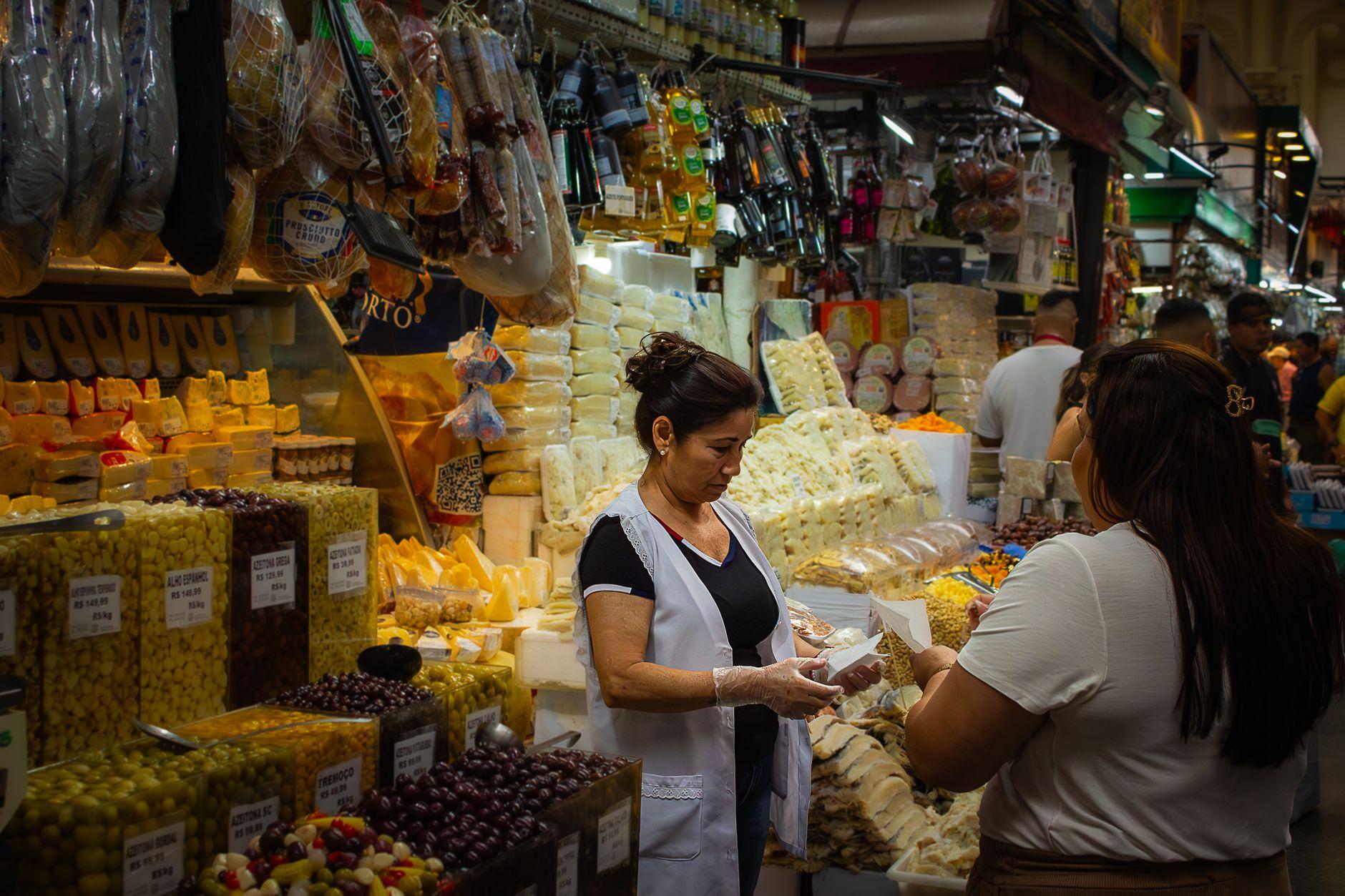
Markets, of all places. Vendors at larger La Paz markets increasingly keep a QR Simple code pinned next to the scale, because it saves them from counting change all day. Mid-range restaurants, pharmacies, and barbershops in both big cities are often QR-first now. Younger merchants in particular will sometimes look mildly relieved when you ask "¿Tiene QR?" instead of handing over a large bill. If you have used Pix in Brazil, the vibe is familiar, just a few years earlier on the adoption curve. We wrote about how foreigners get into Brazil's Pix ecosystem, and Bolivia is heading down a similar road at its own pace.
How does the payment actually go at the counter?
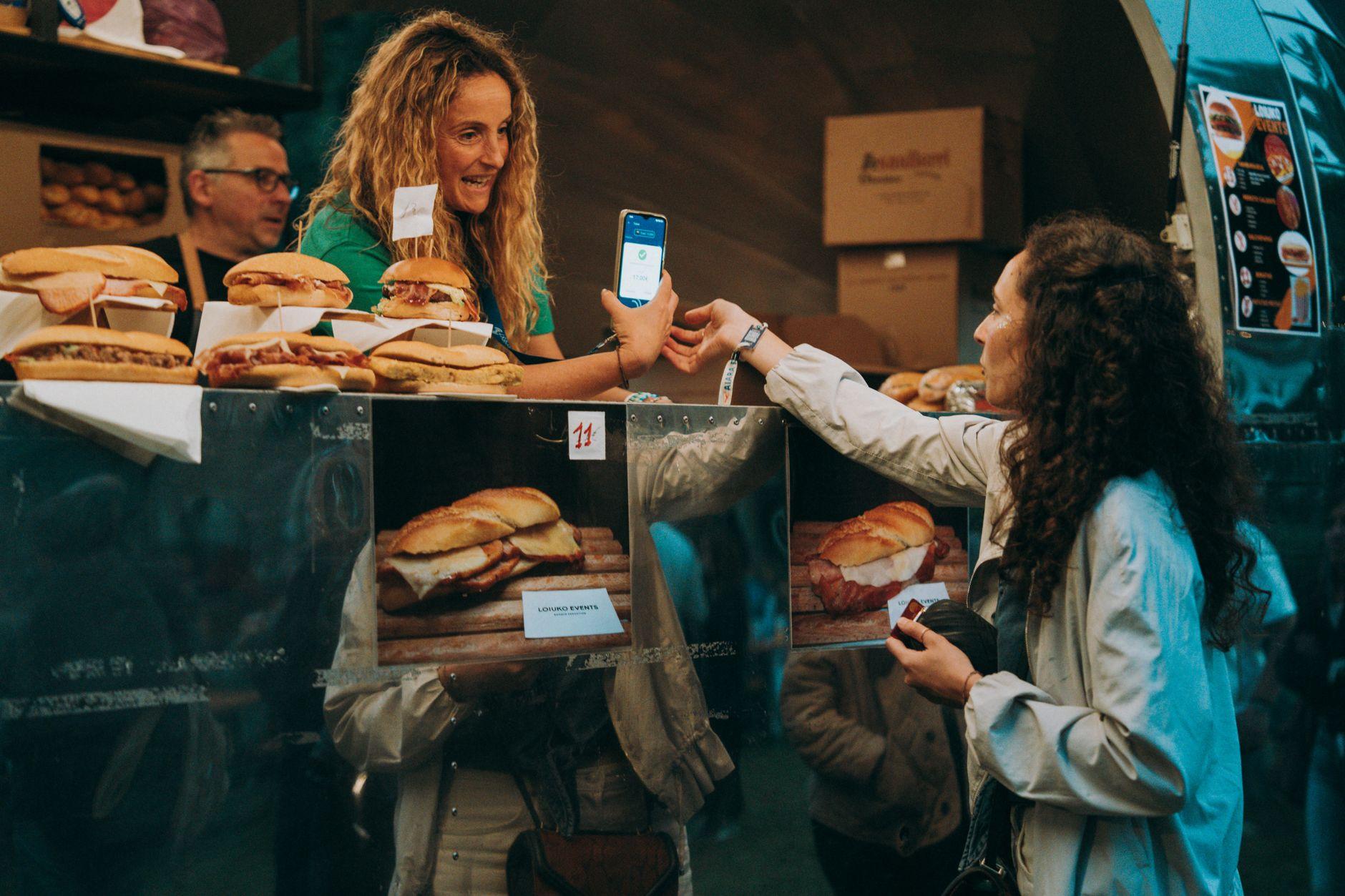
You scan the merchant's printed or on-screen QR Simple code with Moreta Pay, type or confirm the amount in bolivianos, check the merchant name and the FX rate on screen, and tap confirm. The merchant sees the payment land on their side within moments, usually as a notification on their own phone. Show them the confirmation screen if they ask, which they often will the first time they see a foreigner paying this way. The whole exchange takes about as long as waiting for change, minus the part where you inspect your coins.
What about hotels, buses, and booking ahead?
Larger hotels in La Paz and Santa Cruz take cards, and a growing number display QR Simple at reception. Smaller hostels and family-run alojamientos are usually cash, though some owners will happily show you a QR code if you ask. Long-distance bus tickets are mostly cash at the terminal window, with a few larger companies starting to accept QR in the big city terminals. For flights and some intercity routes, booking online through platforms that support QR-based checkout is often the smoother path.
What should I set up before I land in Bolivia?
Three things. First, get your wallet verified and funded before you arrive, because doing identity checks over airport wifi is nobody's favorite activity. Second, carry some US dollars or bolivianos for day one, since the airport-to-hotel stretch (taxi, SIM card, snack) is usually cash territory. Third, learn two phrases: "¿Aceptan QR?" (do you take QR?) and "¿Me da su QR?" (can you show me your QR?). That second one matters because plenty of merchants have a code but do not display it prominently.
Is it worth setting up just for Bolivia?
If Bolivia is one stop on a longer Latin America route, absolutely, since the same wallet handles QR payments in Brazil and other supported countries without opening anything new. If Bolivia is your only destination and you are skipping La Paz and Santa Cruz entirely, cash will still do most of the work. For everyone staying in the big cities more than a few days, scanning like a local beats the ATM scavenger hunt every time. You can set up Moreta Pay before your flight and be ready to scan your first QR Simple code the day you arrive.