
Laos gets less money-advice coverage than Thailand or Vietnam, so travelers arrive with questions. Here are the ones that come up most, answered directly.
What is LAO QR, and where will I actually see it?
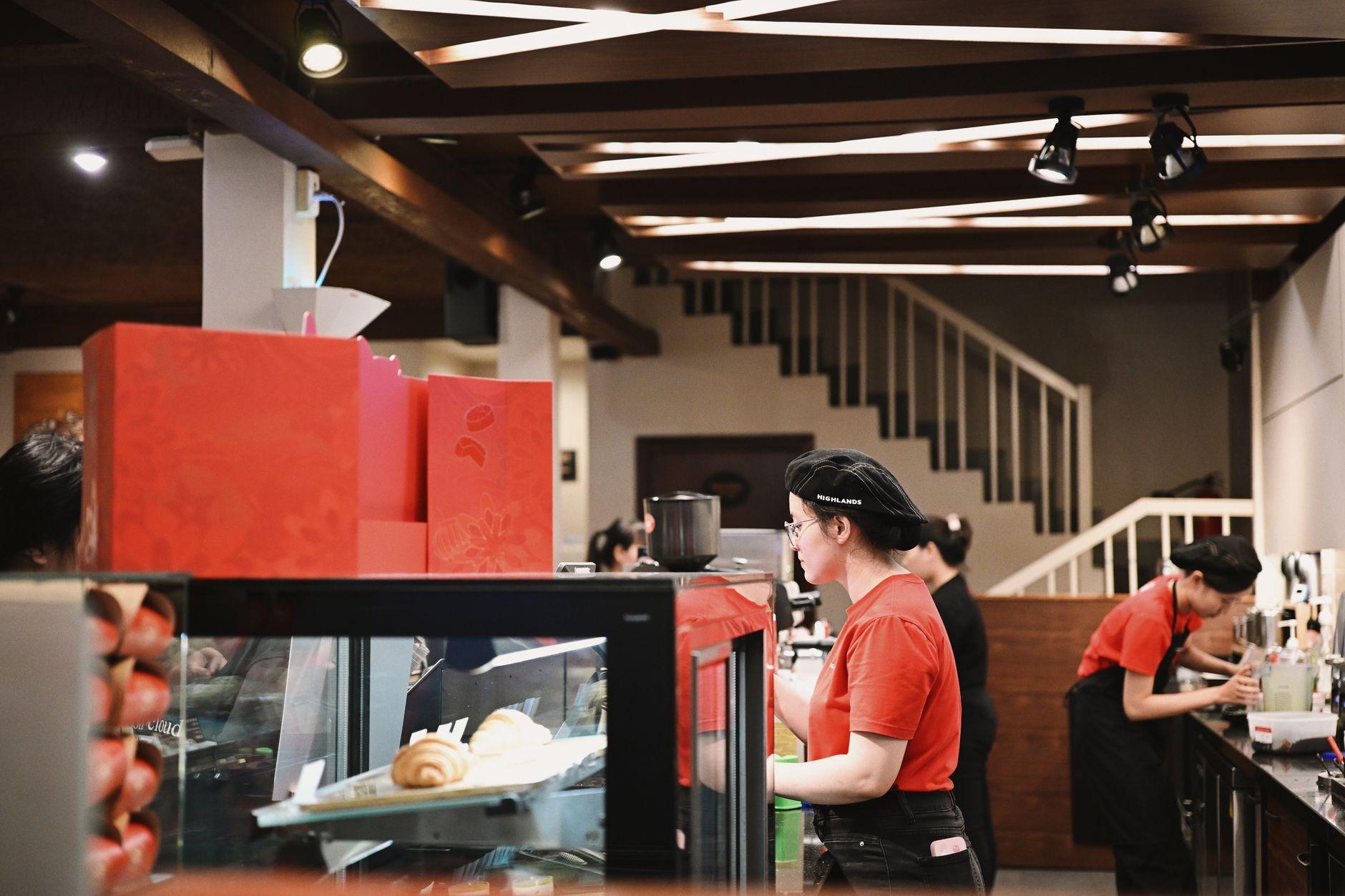
LAO QR is the national QR payment standard that Lao banks use so that one code works across different banking apps. In practice it looks like a laminated card or sticker at the till, usually with the merchant's name printed on it. It has been spreading fastest in Vientiane and Luang Prabang, which happen to be exactly where most visitors spend their time. Coffee shops near the Mekong, minimarts, night market stalls, tour desks, and a growing number of guesthouses display one. The further you get from those two cities, the patchier it becomes, but in the main tourist corridors it is now genuinely common.
Why does everyone warn me about carrying kip?
Because the Lao kip comes in very large denominations, and everyday prices run into the tens and hundreds of thousands. A simple meal can mean handing over a small stack of notes, and a modest ATM withdrawal turns into a brick of paper that barely folds into a wallet. Counting out the right notes at a busy stall, while the vendor waits and the line grows, gets old fast. This is the quiet reason locals took to QR payments so quickly: scanning a code is simply easier than handling the cash. For a visitor, skipping the wad of kip is less about saving money and more about saving your sanity.
Can't I just use ATMs like I do everywhere else?
You can, but Laos makes it unusually unrewarding. Withdrawal limits per transaction are low, and each withdrawal carries a fee. So if you need a meaningful amount of cash, you end up making several withdrawals back to back, paying the fee each time, and then walking away with that oversized stack of notes anyway. Many travelers describe their Laos budget as death by ATM visits. The practical move is to flip the ratio: pay by QR wherever a code is displayed, and treat cash as the backup for the places that do not have one, rather than the default for everything.
I'm a foreigner with no Lao bank account. Can I scan LAO QR at all?
Not with a local banking app, no. Lao banking apps are built for people with Lao accounts, which rules out most short term visitors. This is where Moreta Pay comes in. You load the wallet from your own bank at home (US bank via Plaid or ACH, European SEPA, UK Faster Payments, Canadian e-Transfer) or from an international card, in your own currency. Then you scan the merchant's standard LAO QR code, the same one locals scan, and the merchant gets paid in kip instantly. No Lao account, no local SIM registration hoops, no stack of banknotes.
What does paying actually look like, step by step?
At the counter, the vendor either points at the QR sticker or types your total into their phone. You open the app, scan the code, and the screen shows the merchant name, the amount in kip, and the exchange rate from your home currency. You check that the name matches the shop, confirm, and the vendor's phone chimes with the payment notification. The whole thing takes less time than counting out five or six large notes and waiting for change. That confirmation screen matters: seeing the FX rate before you commit means you always know what the noodle soup actually cost you, which is more than most travelers can say about their card statements.
Will QR work at the Luang Prabang night market?
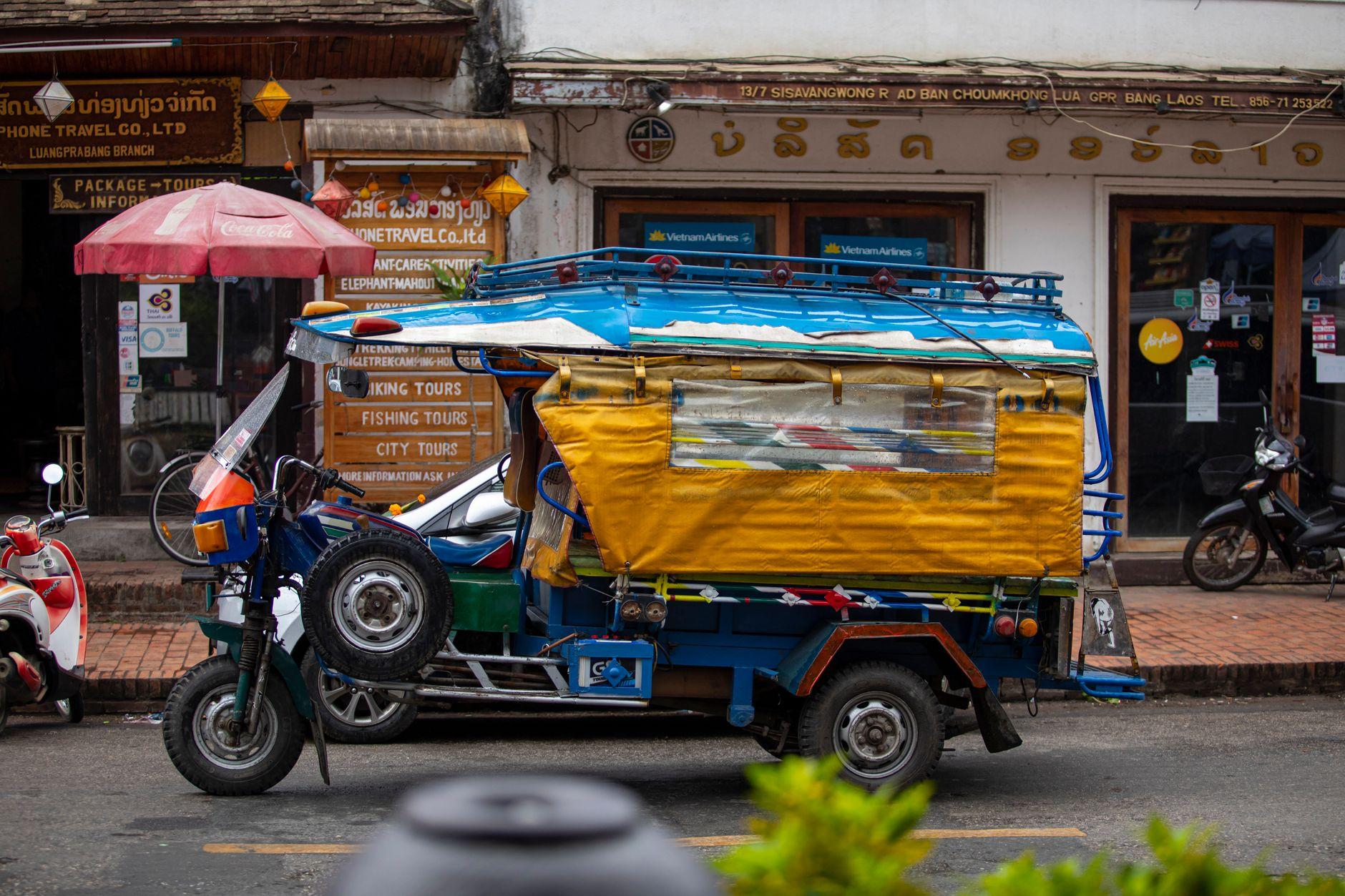
Increasingly, yes. Night market vendors deal in high volumes of small transactions, which is exactly the situation where cash handling hurts most, so many have adopted QR codes. You will still find stalls that are cash only, especially older vendors or those selling at the far ends of the market, so carry some kip as backup. A reasonable pattern: scan where you can, and keep a modest cash reserve for the rest. Alms giving, small temple donations, and tuk tuk rides in smaller towns remain firmly cash territory.
What about my Visa or Mastercard?
Card terminals exist in Laos, but mostly at hotels, larger restaurants, and shops aimed at tourists. The street food stall, the fruit vendor, the local cafe where coffee is good and cheap: those almost never take cards. And where cards are accepted, foreign transaction fees and uncertain conversion rates often apply. The QR sticker on the counter reaches far more of the Lao economy than the card terminal does, which is why learning to use it pays off even on a short trip.
Can I use QR for hotels and online bookings too?
Yes, and this is an underrated trick. Platforms like Agoda and Trip.com, both popular for booking Lao hotels and transport, support QR based checkout in supported markets. With Moreta Pay you can scan the payment QR shown at online checkout the same way you scan one at a market stall, with the amount and rate displayed before you confirm. That keeps your trip spending in one place instead of scattered across a card statement full of mystery conversions.
I'm coming overland from Thailand. Does anything carry over?
The habit carries over, even though the systems are separate. If you have been scanning PromptPay codes in Bangkok, the muscle memory transfers directly to LAO QR in Vientiane. The two standards are different networks, but the visitor experience is nearly identical: find the sticker, scan, check the name and amount, confirm. If Thailand is on your route, our piece on the myths that cost visitors money in Thailand covers that side of the border. The nice part of using one wallet across both countries is that you are not rebuilding your payment setup at every crossing.
So how much cash should I still carry in Laos?
Enough for a day of small purchases, not a week. Think of kip as your coverage for the cash only gaps: a countryside tuk tuk, a remote village shop, a vendor whose QR sticker has peeled off. Everything else, from the Vientiane coffee shop to the Luang Prabang night market to your Agoda booking, can run through a QR scan. That single shift turns Laos from a country of ATM queues and bulging wallets into one of the easiest places in Southeast Asia to pay for things.
If Laos is on your itinerary, set up Moreta Pay and load your wallet before you board, so your first scan in Vientiane works on the first try.