
Stand in line at a kopitiam in Ipoh or a mamak in Kuala Lumpur and watch how people pay. Almost nobody counts out notes anymore. They point their phone at a small blue DuitNow QR sticker taped to the counter, tap confirm, and walk off with their teh tarik. Meanwhile the visitor behind them is doing mental math about whether to break a fifty, hand over a foreign card, or make another trip to the ATM.
Every one of those choices costs something. Sometimes the cost is a visible fee, sometimes it is buried in the exchange rate, and sometimes it is just friction. So instead of telling you what to do upfront, let’s weigh the four real options a traveler or new expat has in Malaysia in 2026 and see which one holds up.
Option one: cash from the ATM
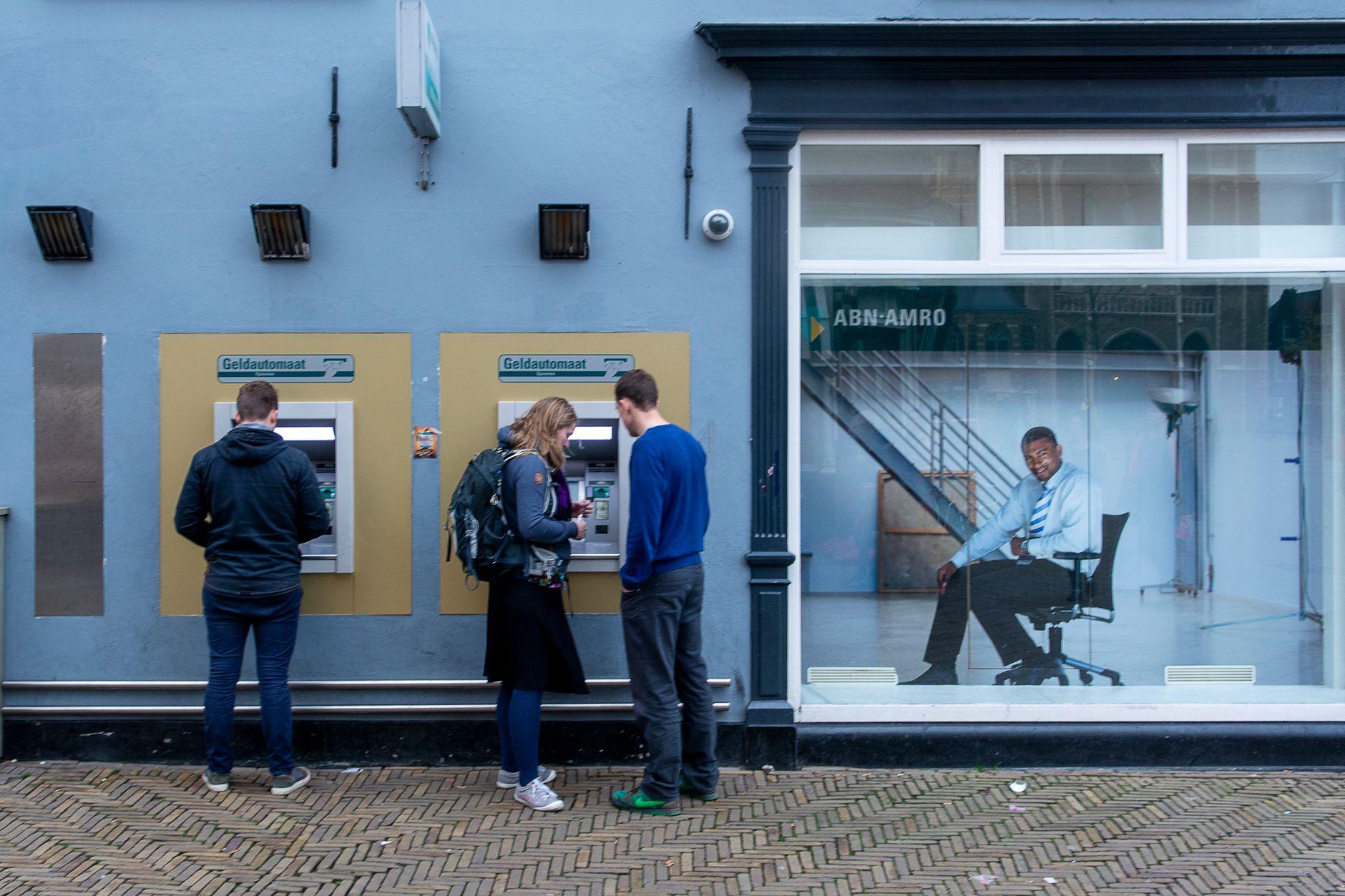
Cash still works everywhere in Malaysia, and there are moments when you genuinely want a few ringgit in your pocket: a parking attendant, an older taxi that never got the memo, a stall deep in a wet market that has somehow avoided the QR wave. We have already dug into how far you can actually get in Malaysia without cash, and the short answer is: surprisingly far, but not all the way to zero.
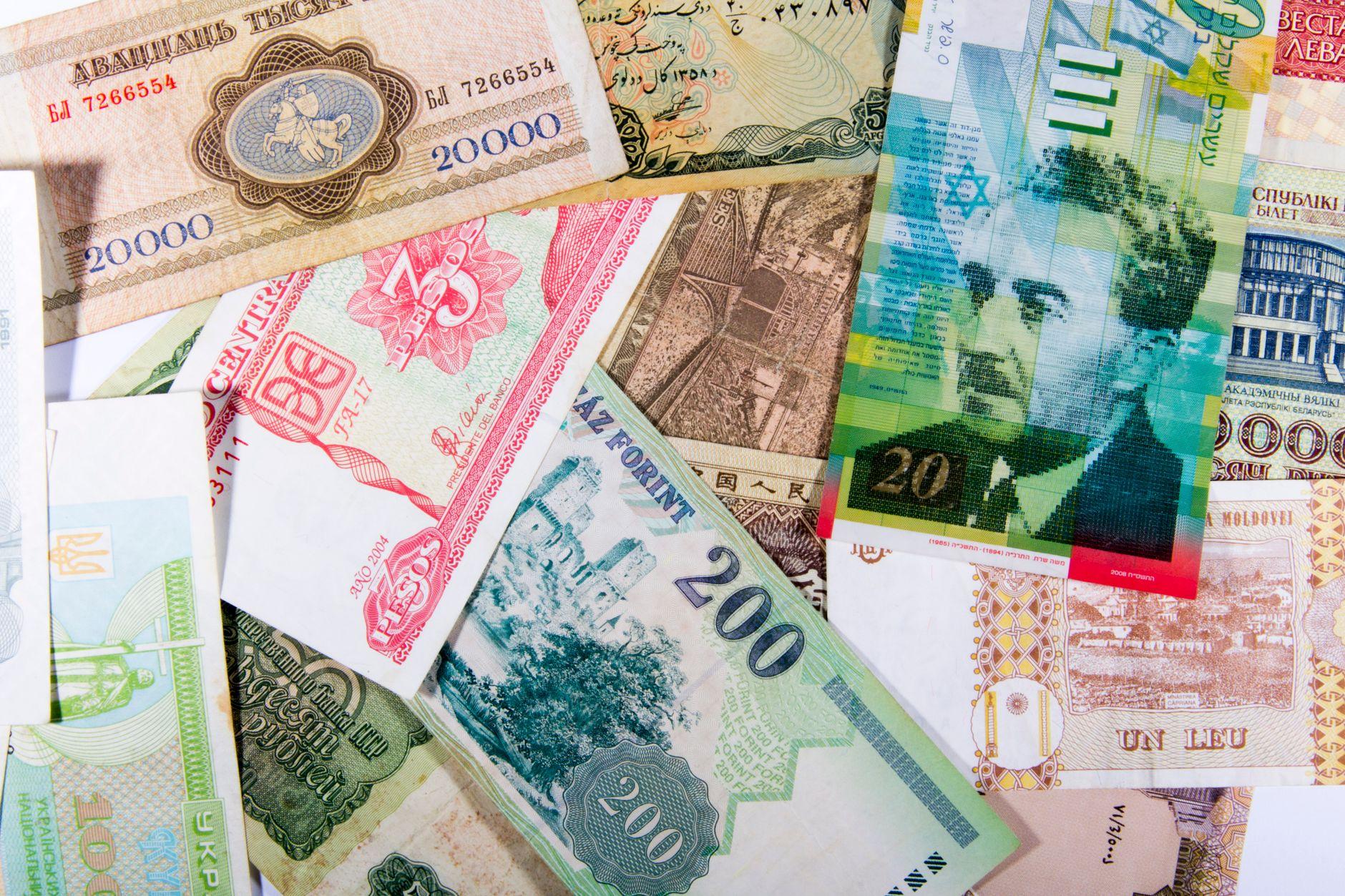
The problem is how the cash gets into your hand. Withdrawing with a foreign card usually means an operator fee on the Malaysian side, plus whatever your home bank charges for international withdrawals, plus the temptation of the screen that offers to “convert to your home currency” at a rate you should never accept (always choose to be charged in ringgit). None of these costs is huge on its own. Stacked across a two-week trip of repeated small withdrawals, they quietly become your worst-value spending. And at the end, you are stuck with leftover notes you either spend badly at the airport or carry home as souvenirs.
Verdict: keep a modest cash reserve, but the ATM should be a backup, not your funding strategy.
Option two: your foreign debit or credit card
Card acceptance in Malaysian cities is genuinely decent. Malls in KL, chain restaurants, hotels, pharmacies, and most mid-range places in Penang or Johor Bahru will take your Visa or Mastercard without drama. If your card has no foreign transaction fee and you always decline dynamic currency conversion at the terminal, this is a workable tool.
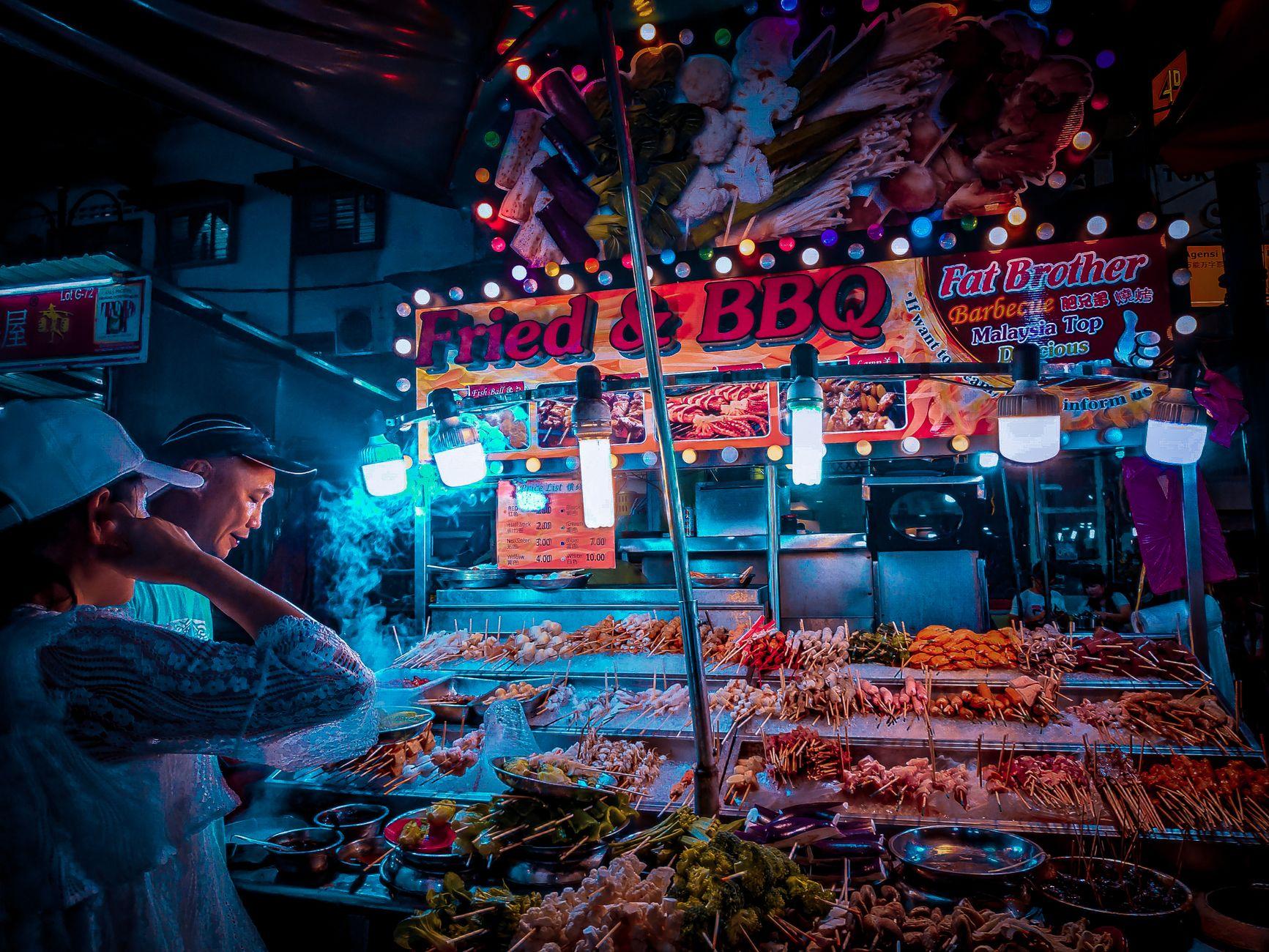
But it has a ceiling, and the ceiling is exactly where Malaysia gets interesting. The char kway teow stall, the night market in Penang, the kuih auntie, the fruit seller: these merchants deal in QR or cash, because QR costs them less to accept than cards do. Some smaller shops that technically take cards will grimace or add friction for small amounts. So a card-only strategy fences you into malls and hotel lobbies, which is a strange way to experience a country whose best food comes off a wok on the sidewalk.
Verdict: useful for hotels and big-ticket purchases, weak precisely where Malaysia is most fun.
Option three: a local wallet like Touch ‘n Go
If you could simply become a local, this would be the answer. Touch ‘n Go eWallet is woven into daily Malaysian life, and it speaks DuitNow QR fluently. Long-term expats who have a Malaysian phone number, local documentation, and the patience for verification sometimes get it fully working, and for them it is great.
For everyone else, this is where the plan usually dies. Full setup leans on local verification steps that foreigners frequently cannot complete, and the workarounds tend to be partial: a wallet you can open but struggle to top up, or one that works until a verification prompt locks a feature you need. You can burn an afternoon of your holiday on this and still end up back at the ATM.
Verdict: the right tool if you are settling in Malaysia long term and can clear the hurdles. A frustrating detour if you are visiting.
Option four: scanning DuitNow QR with what you already have
Here is the thing that makes Malaysia unusually friendly to a fourth option: DuitNow QR is a single unified standard. The same blue sticker sits at a hawker stall in Melaka, a boutique in Bangsar, and the checkout counter of a department store. One code format, understood nationwide. That is not true everywhere in the region, as anyone who has stared helplessly at QR codes their apps refuse to read can tell you.
Moreta Pay plugs you into that standard without a local bank account or a local wallet signup. You top up the wallet from home (a US bank via Plaid or ACH, SEPA in Europe, UK Faster Payments, Canadian e-Transfer, or an international card) in your own currency. At the stall, you scan the merchant’s ordinary DuitNow QR, and before you confirm you see the amount, the exchange rate, and the merchant’s name on one screen. Confirm, and the merchant is paid instantly in ringgit. There are no hidden foreign transaction fees, and no leftover cash problem because you only convert what you actually spend.
It also covers the less obvious cases: QR-based checkout when you are booking on Agoda or Trip.com, ordering on Shopee or Lazada, or paying a bill if you are staying a while.
Verdict: the closest a visitor gets to paying like a Malaysian, without needing to become one on paper.
Play it out across a real day
Weigh the options against an actual day and the pattern gets clearer. Breakfast at a kopitiam: cash works, card probably does not, Touch ‘n Go works if you managed to set it up, DuitNow QR via Moreta Pay works. Lunch at a mall food court: cards start working, QR still wins on speed. A durian stall on the roadside outside Raub: cash or QR, full stop. Dinner at a mamak at midnight: same story. Hotel checkout: card or QR, either is fine.
Cash covers everything but bleeds value at the ATM and leaves you with orphan notes. Cards cover the comfortable half of the country. The local wallet covers everything but may never let you in. The QR route covers nearly everything and charges you honestly for it.
A sensible setup before you land
The strategy that emerges is not complicated. Bring one good card for hotels and emergencies. Make a single ATM withdrawal early on so you have a small cash buffer for the true holdouts. Then let DuitNow QR carry the rest of your trip, from the first roti canai to the last airport kopi. If you want that blue sticker to work for you the way it works for everyone ahead of you in line, get Moreta Pay on your phone before you board and arrive in Malaysia already speaking the local payment language.