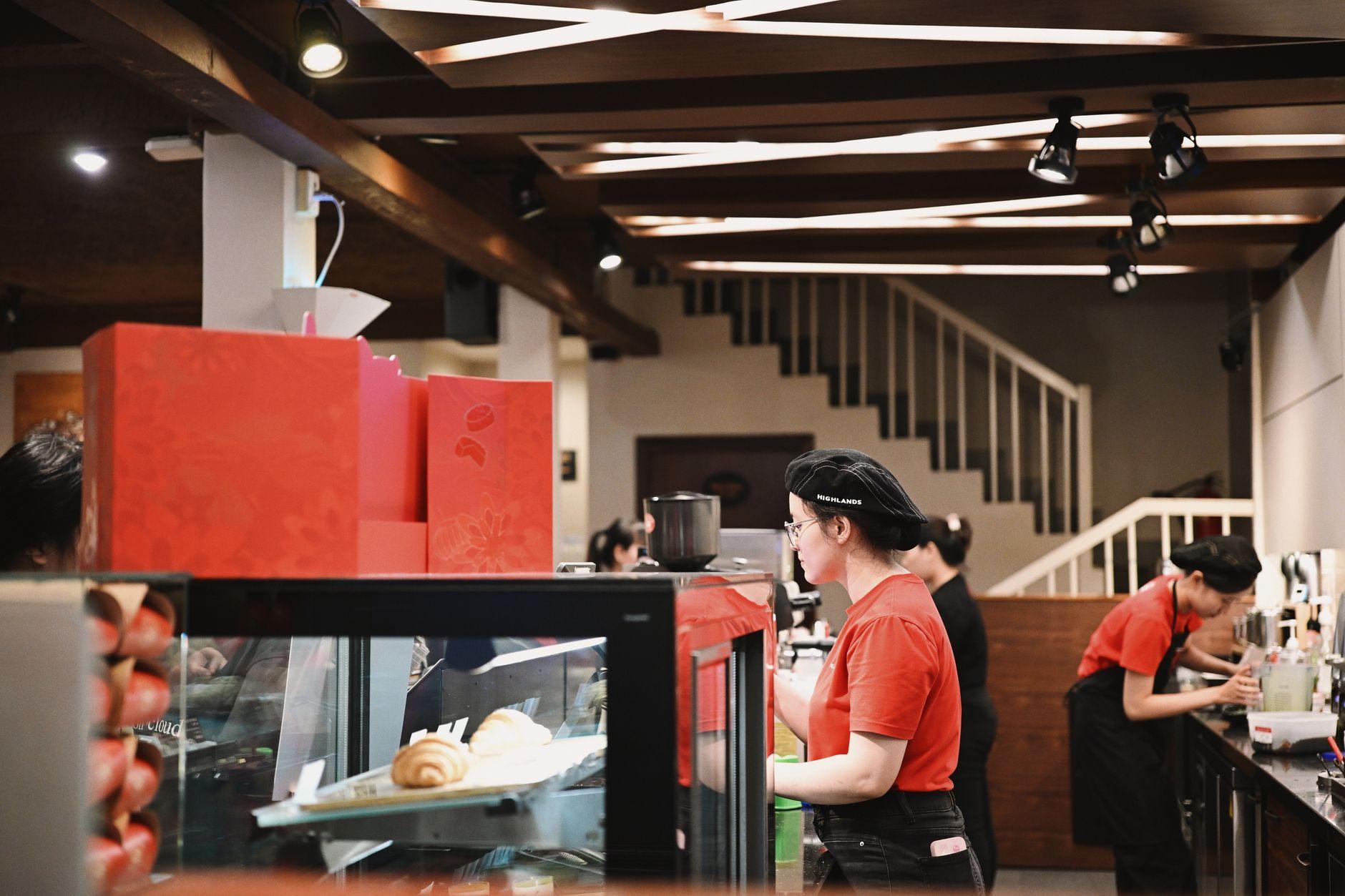

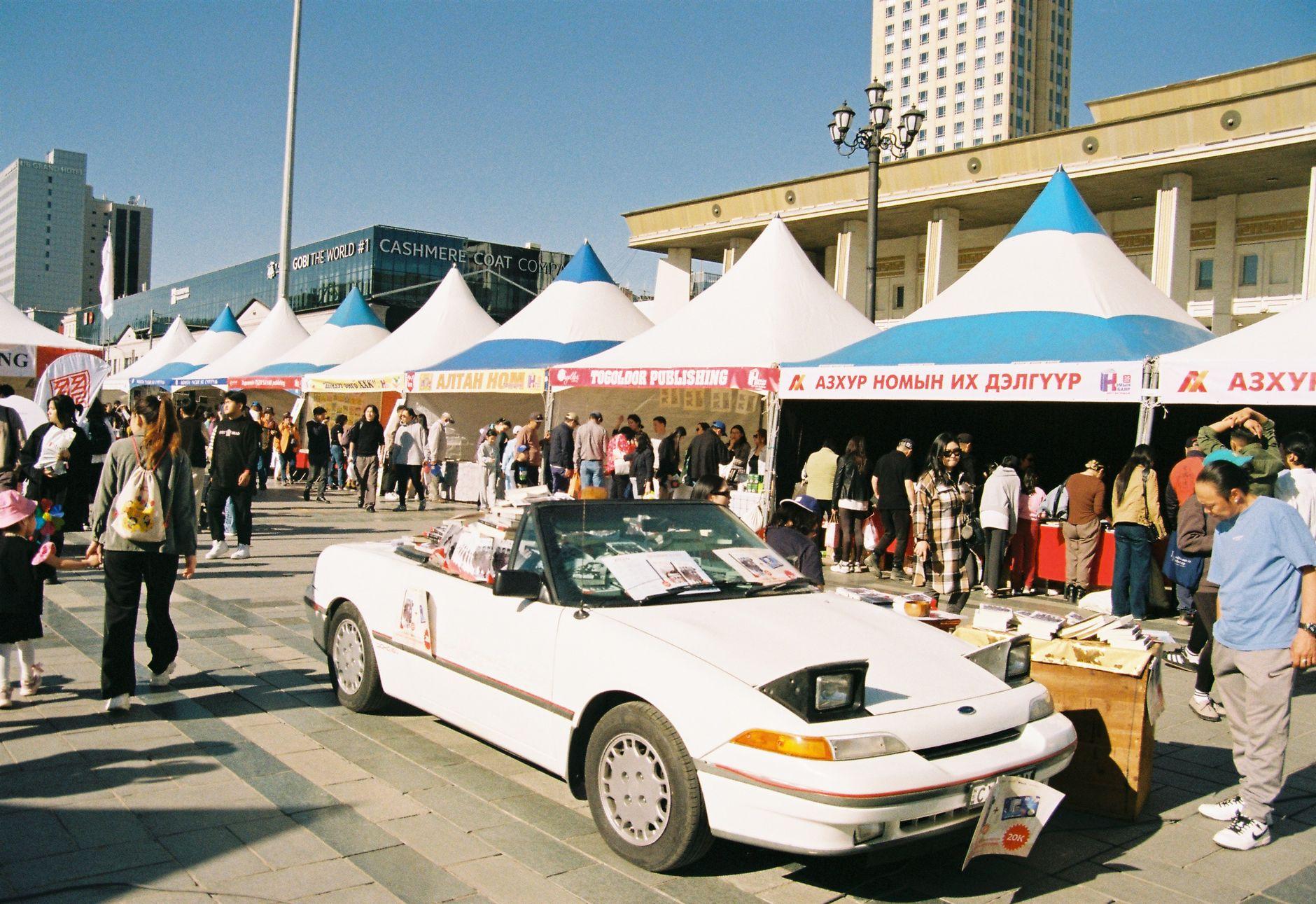
It's 9 a.m. in a coffee shop two blocks off Sukhbaatar Square. The woman ahead of you orders a flat white and a slab of honey cake, holds her phone over a laminated QR code taped to the counter, and walks off before the espresso machine finishes hissing. You slide your foreign Visa across. The barista looks at it the way you'd look at a fax machine, tries the terminal twice, then points apologetically at the same QR sticker. Welcome to Ulaanbaatar, where the phone in your pocket is the payment method, and the plastic in your wallet is mostly a souvenir.
Here's the thing that trips up almost every digital nomad who bases in Mongolia for a month or a season: this is not one payment environment. It's two, split roughly along the city limits of Ulaanbaatar. Get the split right and daily spending is painless. Get it wrong and you'll either be hunting ATMs in the capital for no reason or standing in a countryside guanz with nothing the cook can accept.
Economy one: Ulaanbaatar, where the QR sticker rules
Inside the city, QR payments are the default at a startling range of places. Coffee chains and third-wave cafes, Korean fried chicken joints, pharmacies, convenience stores, the food court under the State Department Store, even small kiosks in residential khoroolols. Locals pay through apps tied to their Mongolian bank accounts, and the QR codes those apps read are everywhere, printed on stands, taped to registers, sometimes just handwritten menus with a code at the bottom.
The catch, and it's a big one, is that those local wallets are built for people with Mongolian bank accounts and Mongolian phone numbers. As a visitor you can't just download one and top it up. We covered how that surprises people in our earlier piece on why Ulaanbaatar skipped the card machine era, but the short version is that Mongolia went from cash straight to account-to-account QR, and international cards were never really part of the story outside hotels and bigger supermarkets.
This is exactly the gap Moreta Pay exists to close. You fund a wallet from your own bank at home (US bank via Plaid, ACH, SEPA in Europe, UK Faster Payments, Canadian e-Transfer, or an international card), then scan the same QR codes the locals scan. You see the amount, the merchant name, and the exact FX rate on screen before you confirm, and the merchant gets paid in tugrik instantly. No Mongolian bank account, no local SIM registration hoops, no mystery foreign transaction fee showing up three days later.
What a normal city week actually looks like
To make this concrete, here's how spending shakes out for a nomad living in UB rather than passing through:
- Cafes and coworking: QR at the counter, almost universally. Scan, confirm, sit down.
- Restaurants: QR is standard from cheap buuz canteens to nicer places in Zaisan. Some upscale spots also take international cards, but don't build your life around that.
- Groceries: Big supermarkets often take cards, neighborhood shops often don't. QR works at both, which is why it's the simpler habit.
- Taxis: App-hailed rides can be cashless. The informal "stick your arm out and a Prius stops" system is negotiated and usually cash, though plenty of drivers will happily show you a QR code on their phone.
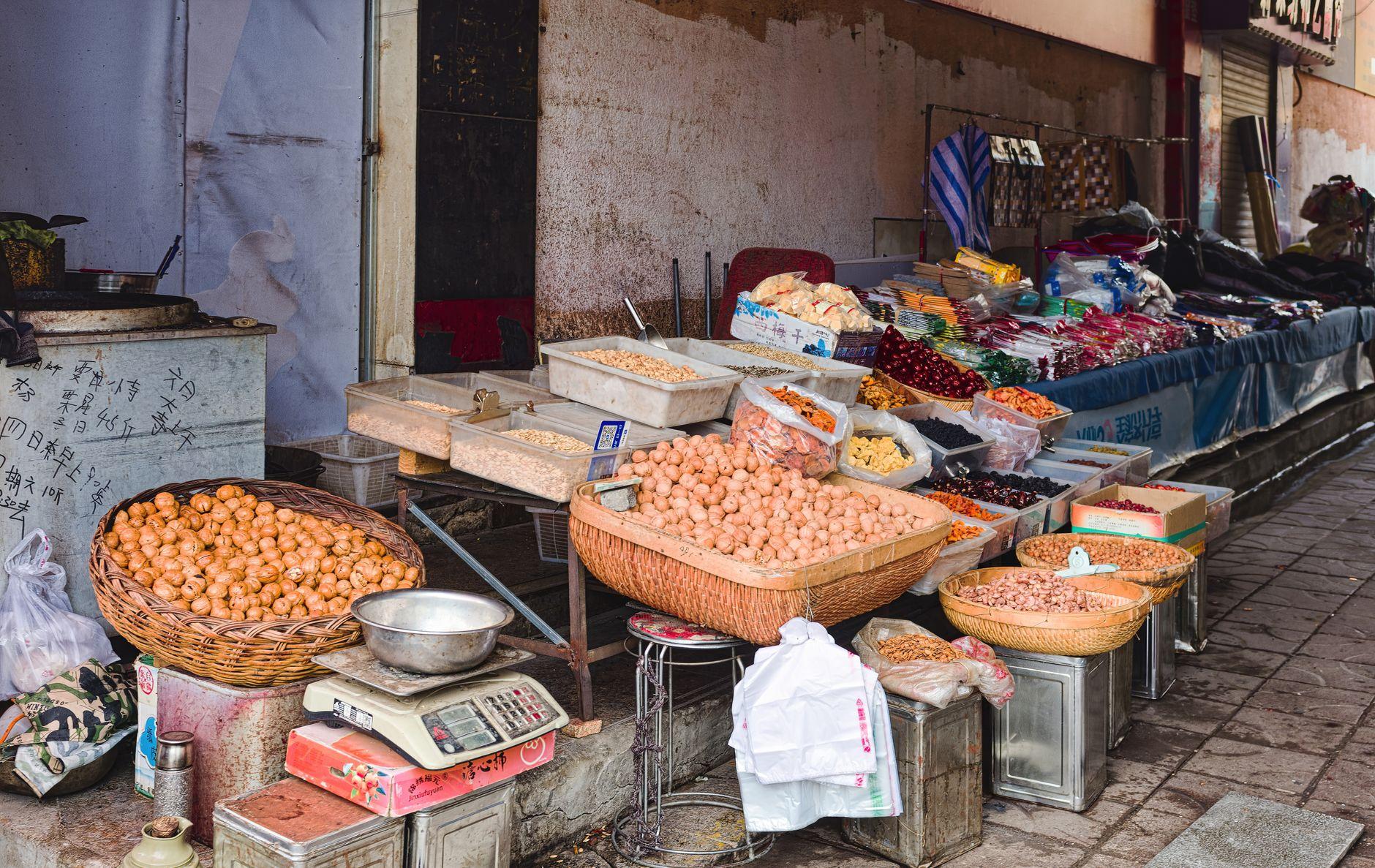
- Markets: At Narantuul, the sprawling black market where you'll buy your countryside gear (a deel, a thermos, camel wool socks), it's a mix. Many stalls have QR codes now, some are cash only, and haggling happens either way.
A reasonable rhythm: pay everything you can by QR through Moreta Pay, and keep a modest float of tugrik cash for the arm-out taxis and the last stubborn stalls. In the city, cash is the backup, not the plan.
Economy two: the countryside, where cash is not optional
Now flip everything. The moment you leave Ulaanbaatar for Terelj, Kharkhorin, the Gobi, or Khövsgöl, you enter an economy that runs on paper tugrik, and no app, ours included, changes that. Connectivity gets patchy between soums, and plenty of ger camps, roadside guanz canteens, horse guides, and small-town shops simply operate in cash. Park entrance fees, a shower at a camp, dried aaruul from a family selling by the road, the driver's fuel top-ups along the way: assume tugrik notes for all of it.
Practical rules that veterans of long countryside loops swear by:
- Withdraw in UB before you go. ATMs exist in aimag centers, but they can be empty, offline, or a long detour away. Don't count on them.
- Break your big notes early. Small shops and canteens struggle to change large bills. Use big notes at supermarkets in the city and hoard the small ones.
- Overbudget the cash slightly. Trips run long in Mongolia. Weather changes plans, a bridge is out, you stay an extra night at a camp you love. Running out of tugrik three days from the capital is a genuinely bad time.
- Keep it split. Some cash on you, some buried in your pack. Standard travel sense, extra relevant when the nearest bank is hours away.
The upside of this split is that your exposure is contained. You only need to carry the cash for the countryside stretch, because everything back in the city can go through your phone. That's a much smaller pile of banknotes than the old approach of cashing up for an entire month.
The online side nobody mentions
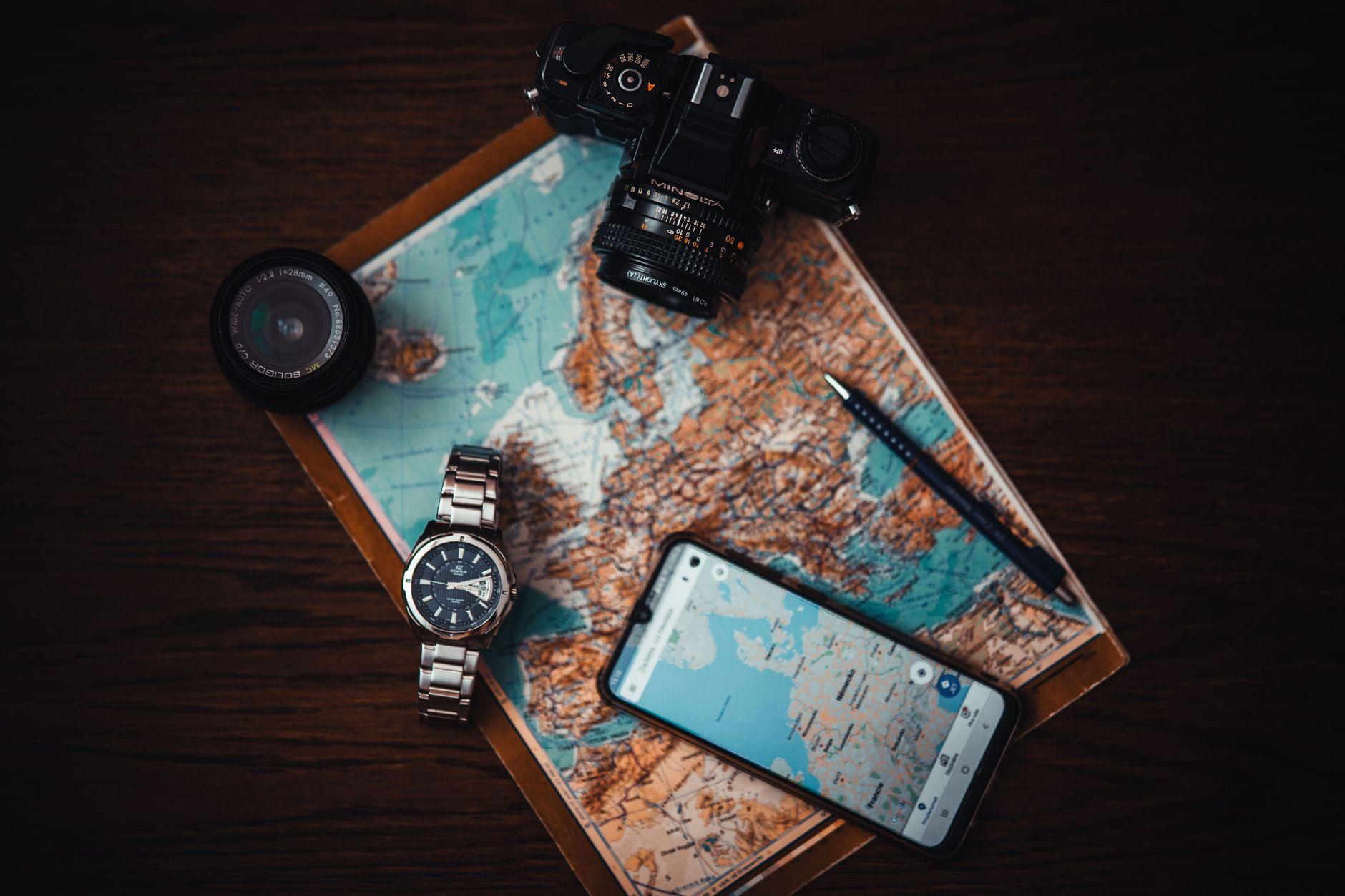
One more corner of Mongolian nomad life: booking things. Flights back out, hotels for a visa run, gear you can't find at Narantuul. Where platforms like Trip.com or Agoda offer QR-based payment at checkout, Moreta Pay handles that too, same flow as the cafe counter, with the rate shown before you commit. It also covers bill payments in supported countries, which matters once you've been somewhere long enough to have bills.
If you're routing through other stops on the way in or out, the same app carries over. Plenty of nomads pair Mongolia summers with time in China, where even the street musicians take QR, and the muscle memory transfers directly.
Your landing-week setup
Keep it simple. Before you fly: install Moreta Pay, connect your home bank or card, and put a starting balance in the wallet so you can pay from the first coffee. On arrival: withdraw a sensible cash cushion in Ulaanbaatar, mostly in small notes, and treat it as countryside fuel rather than daily spending money. Then live the split. Phone in the city, tugrik on the steppe, and no more standing at a counter while a patient barista points at a sticker you can't use.
Get the QR half of Mongolia working before your plane even lands: set up Moreta Pay and scan like a local from day one.