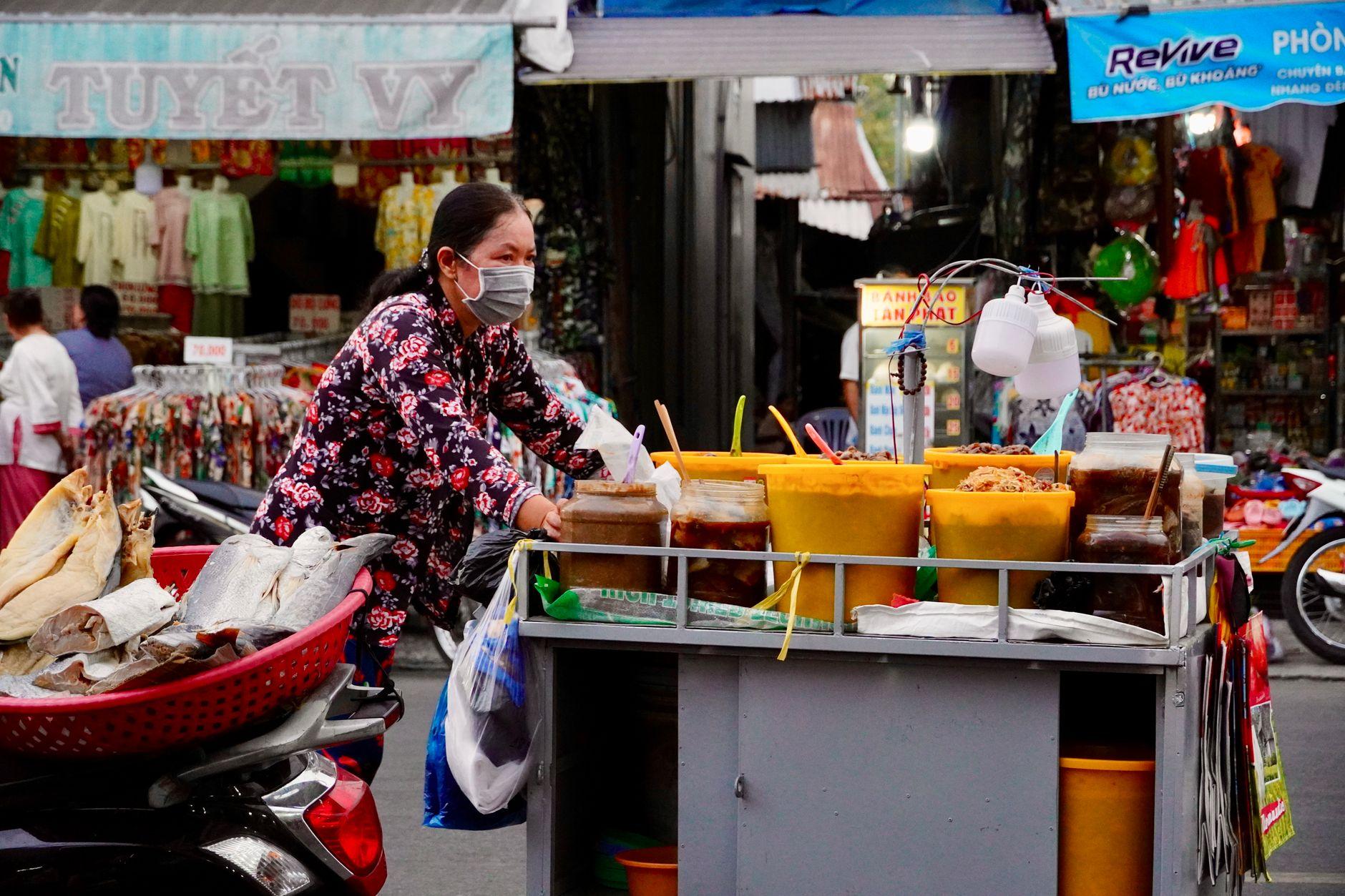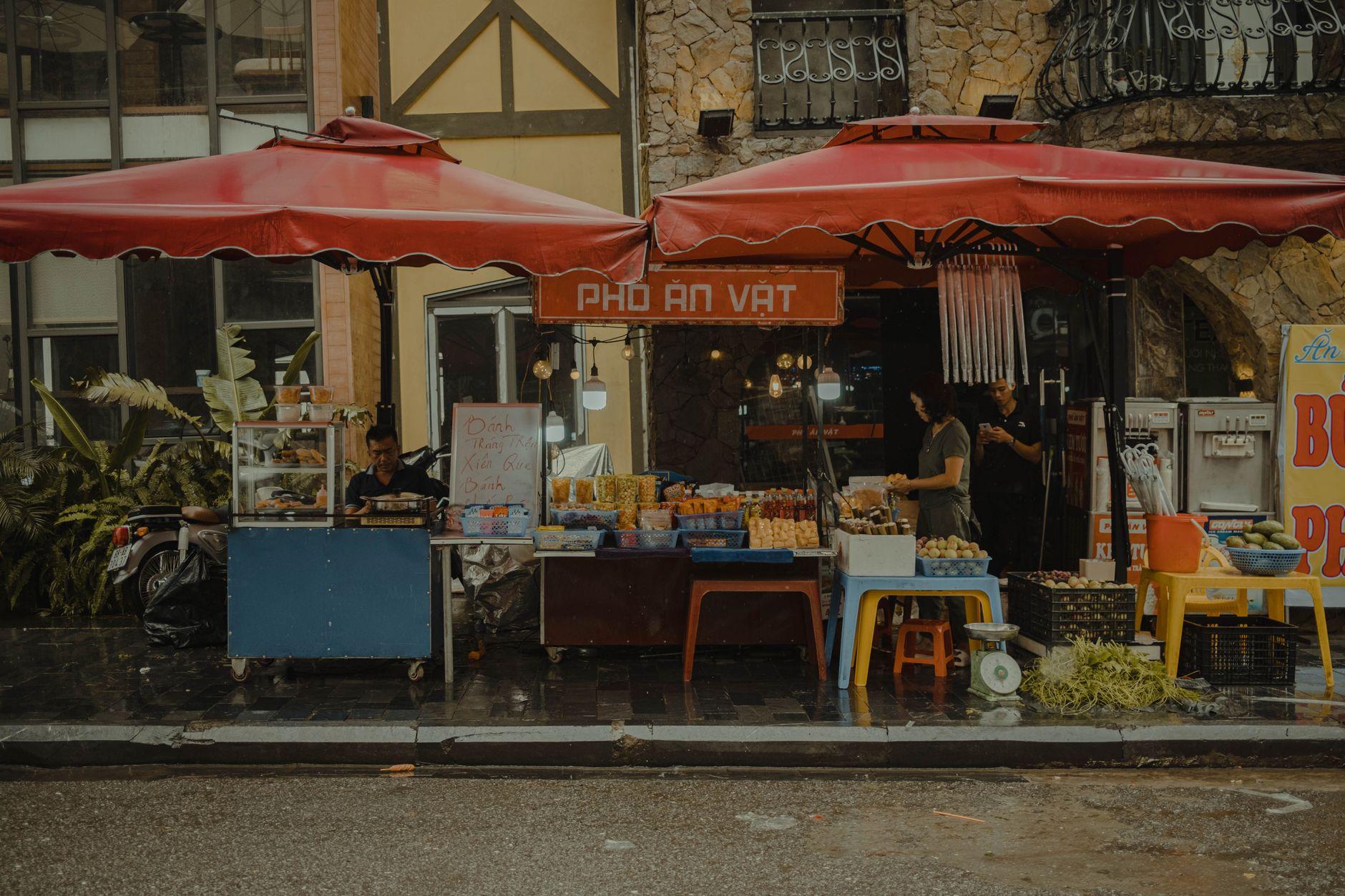

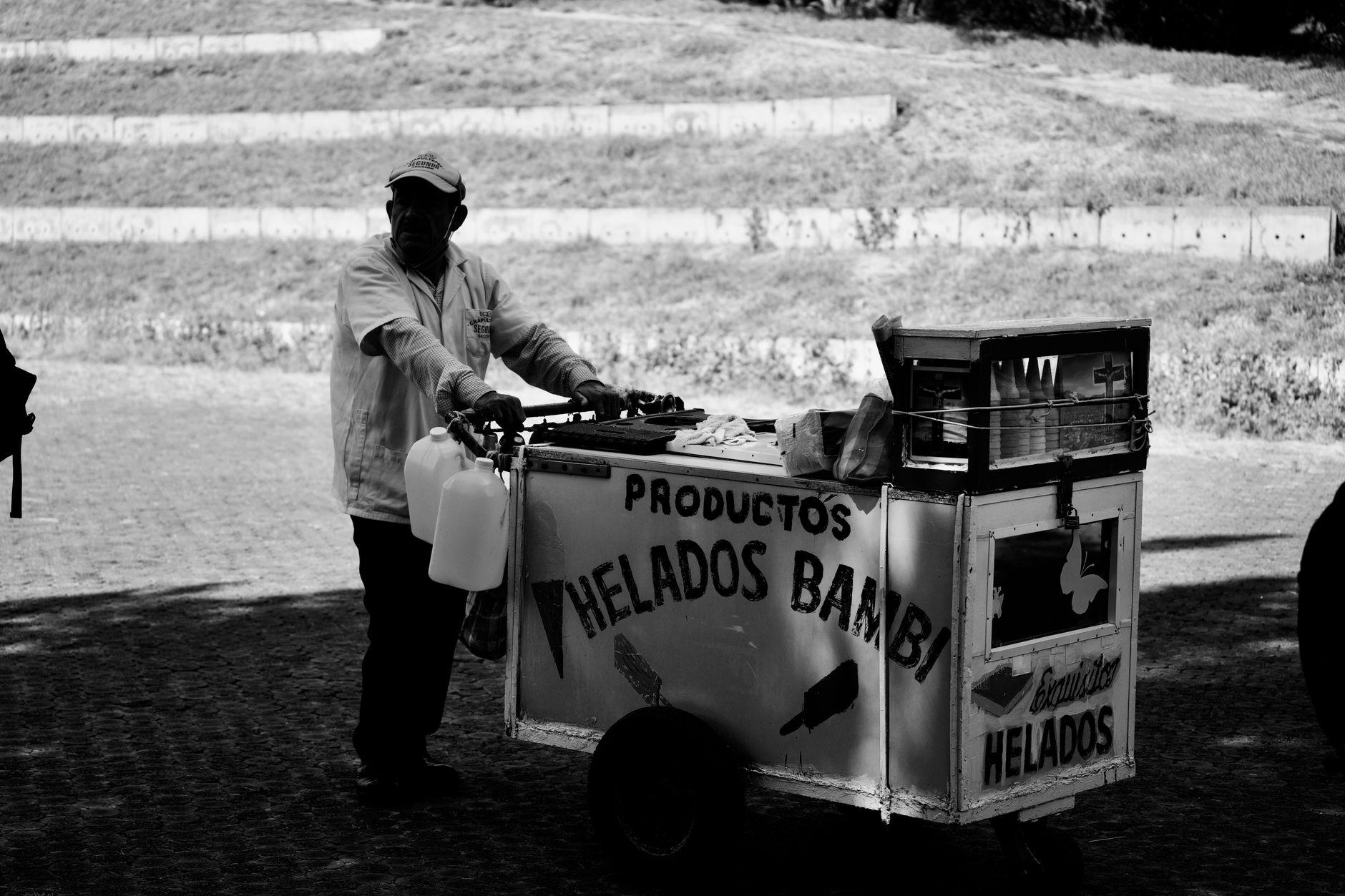
You will notice it within an hour of landing in Lima: the little purple and turquoise signs taped to juice stands, anticucho grills, and market stalls. Peru runs on QR payments now, and travelers have a lot of questions about what that means for them. Here are the ones that come up most, answered straight.
What are Yape and Plin, and why does every stall have one?
Yape and Plin are Peru's two dominant mobile wallets. Locals use them to pay for almost everything small: a glass of emoliente from a cart, a kilo of mangoes from their casera at the market, a mototaxi ride, the menú del día at a lunch spot. Vendors love them because there is no card terminal to rent, no change to count out, and no worry about fake bills. The QR code is usually a laminated printout clipped to the stall, and the phrase you will hear a hundred times a day is "¿tienes Yape?"
Can a tourist just download Yape or Plin?
Realistically, no. Both are built around Peruvian identity documents, local phone numbers, and local bank relationships. A short-term visitor without residency paperwork will hit a wall during signup, and even expats in the middle of getting settled often spend weeks locked out. Peru is one of the clearer examples of a locals-only QR network, something we looked at across many countries in our guide to how open each country's QR system is to foreign visitors. The codes are everywhere, but the apps behind them were never designed with you in mind.
So is it just cash for me, then?
Cash still works almost everywhere, but it comes with two headaches that are very real in Peru. The first is counterfeit bills. Guidebooks, hotel staff, and locals themselves will warn you about fake soles, and you will see vendors hold banknotes up to the light or rub them between their fingers before accepting them. As a foreigner who does not know the feel of a genuine 100 sol note, you are the easiest person to pass a fake to, often as change.
The second headache is change itself. Market vendors and street carts frequently cannot break large notes, and ATMs love dispensing exactly those large notes. "No tengo sencillo" (I don't have change) is a sentence you will hear a lot if you show up at a two-sol picarones cart with a hundred.
Can I pay a Yape or Plin QR code without having the app?
Yes, and this is the part most travelers do not know. The QR code on the stall identifies the merchant, and what matters is whether your payment app can read it and settle to that merchant. Moreta Pay does exactly that: you scan the same QR the locals scan, see the amount in soles alongside the FX rate and the merchant's name, confirm, and the vendor is paid instantly in their own wallet. Your side is funded from your home bank or card in your own currency, so you never needed a Peruvian bank account, a local SIM, or a DNI to join in. To the ceviche lady, you look like any other customer who just yaped her.
Do QR payments actually work at traditional markets, or only in fancy Lima districts?
They work deep inside the traditional markets, which surprises people. Walk through Mercado de Surquillo in Lima, Mercado San Pedro in Cusco, or Mercado San Camilo in Arequipa and you will find QR codes at fruit stalls, juice counters, cheese vendors, and the señoras selling tamales from a basket. The spread is not perfectly uniform (an older vendor in a small-town feria may still be cash only), but in any city a traveler is likely to visit, the stall without a QR code is the exception, not the rule.
How much does a typical street food meal cost, and does that matter for QR?
Street food in Peru is wonderfully cheap: a few soles for picarones or butifarra, a bit more for a heaping plate of arroz chaufa or a ceviche at a market counter. Ironically, these tiny amounts are where QR shines most. Vendors would rather receive five soles digitally than hunt for change from a big note, and you avoid accumulating a pocket of coins you will never spend. Paying small amounts by QR through Moreta Pay also means every one of those tiny purchases shows a transparent conversion before you confirm, instead of disappearing into a vague pile of withdrawn cash.
Should I still carry any cash in Peru?
Yes, a modest amount. You want coins and small notes for public bathrooms, some combis and colectivos, tipping musicians, and the occasional vendor whose phone has died. The strategy that works is flipping the usual ratio: QR as your default at stalls, markets, and eateries, and a small cash reserve for the gaps. That way you withdraw less, break fewer big notes, and dramatically shrink your exposure to the counterfeit problem, because you are handling far fewer bills in the first place.
What should I check before confirming a QR payment at a stall?
Three things, and they take five seconds. First, the merchant name on your screen: it should plausibly match the person or business in front of you (often it is a personal name, which is normal for market vendors). Second, the amount in soles, which the vendor will usually tell you out loud; menus and market prices are almost always quoted in soles, so there is no mental currency juggling. Third, make sure you are scanning the vendor's own code, not a sticker someone slapped on top of it. That last one is rare, but a glance at the laminate costs nothing.
Does this work outside Lima, like in Cusco, Arequipa, or on the way to Bolivia?
Yape and Plin coverage follows people, not tourism. Cusco's San Blas empanada shops, Arequipa's queso helado carts, and even highland towns along the Puno route are full of QR codes because locals pay that way, not because tourists do. If you are continuing overland toward Bolivia or Argentina, be aware that each border swaps you into a completely different QR system; we traced that whole route in our piece on how payments change from Lima to La Paz to Buenos Aires.
What is the one-line version?
Peru's street food and market economy has gone QR-first, the local apps are closed to short-term visitors, and cash carries counterfeit and change hassles that fall hardest on tourists. The fix is bringing your own way into the Yape and Plin ecosystem. Set up Moreta Pay before your flight, top up from your home bank, and the first QR code you meet, probably at a juice stand in the arrivals hall's shadow, will already work for you.