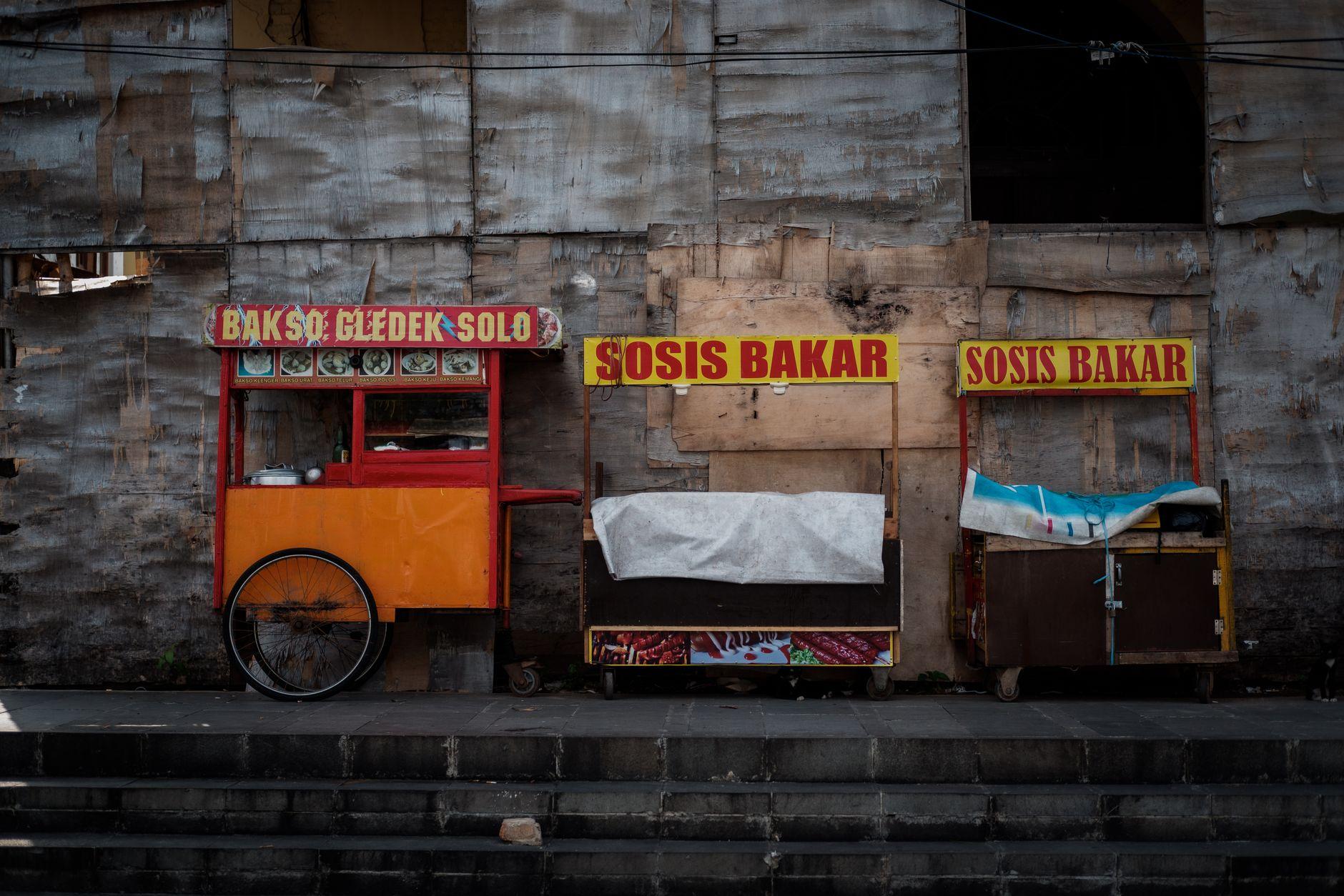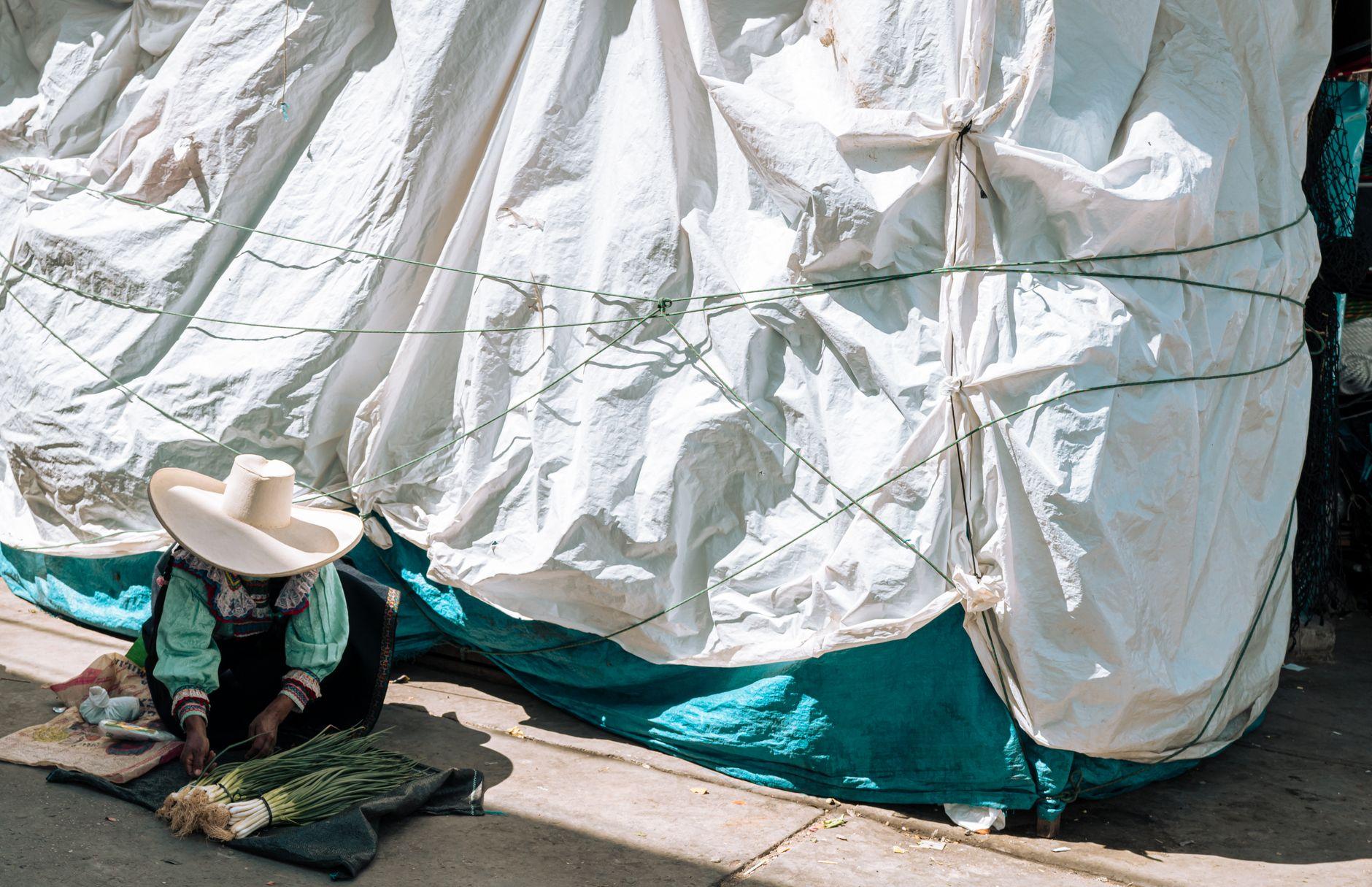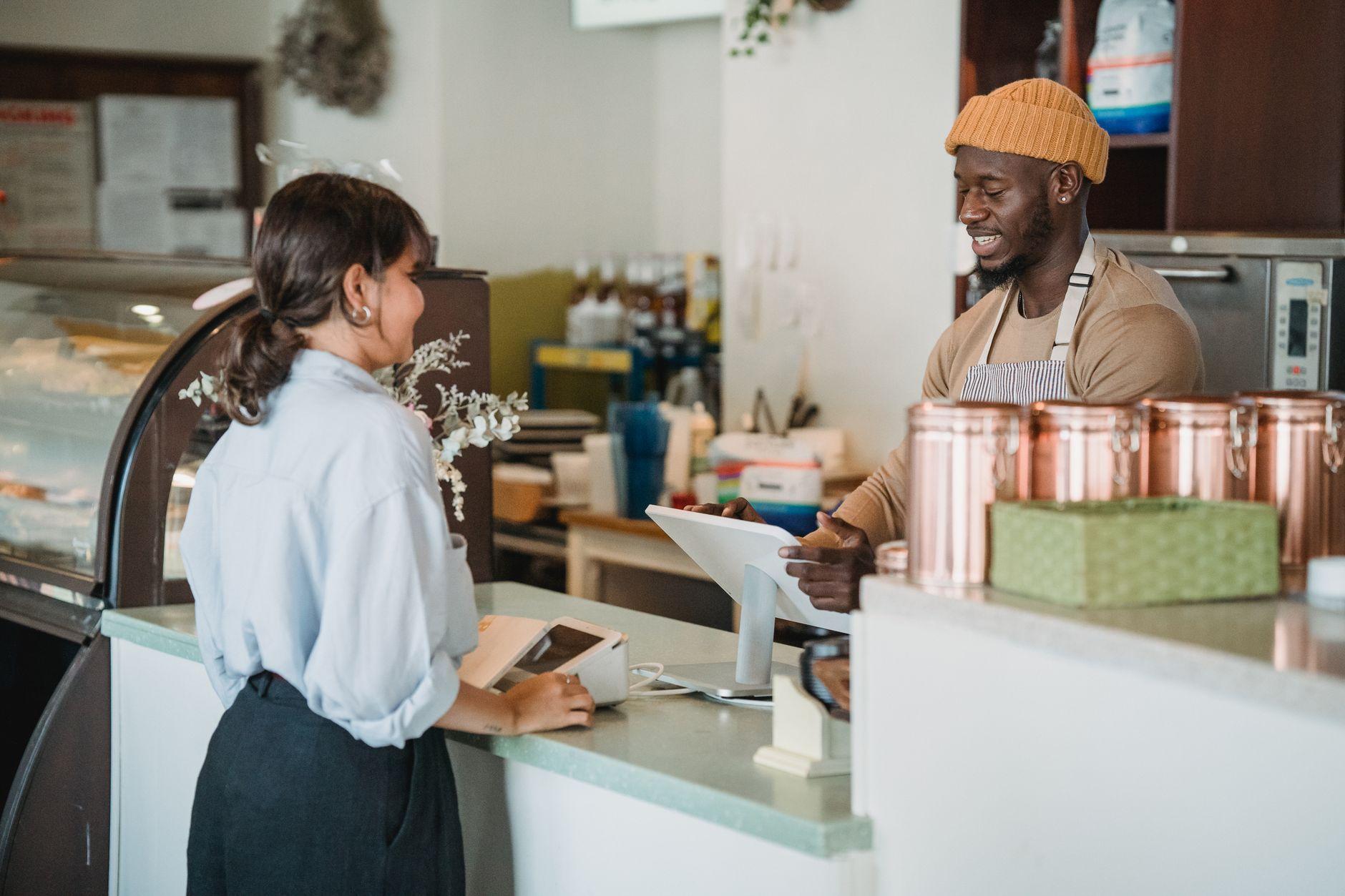

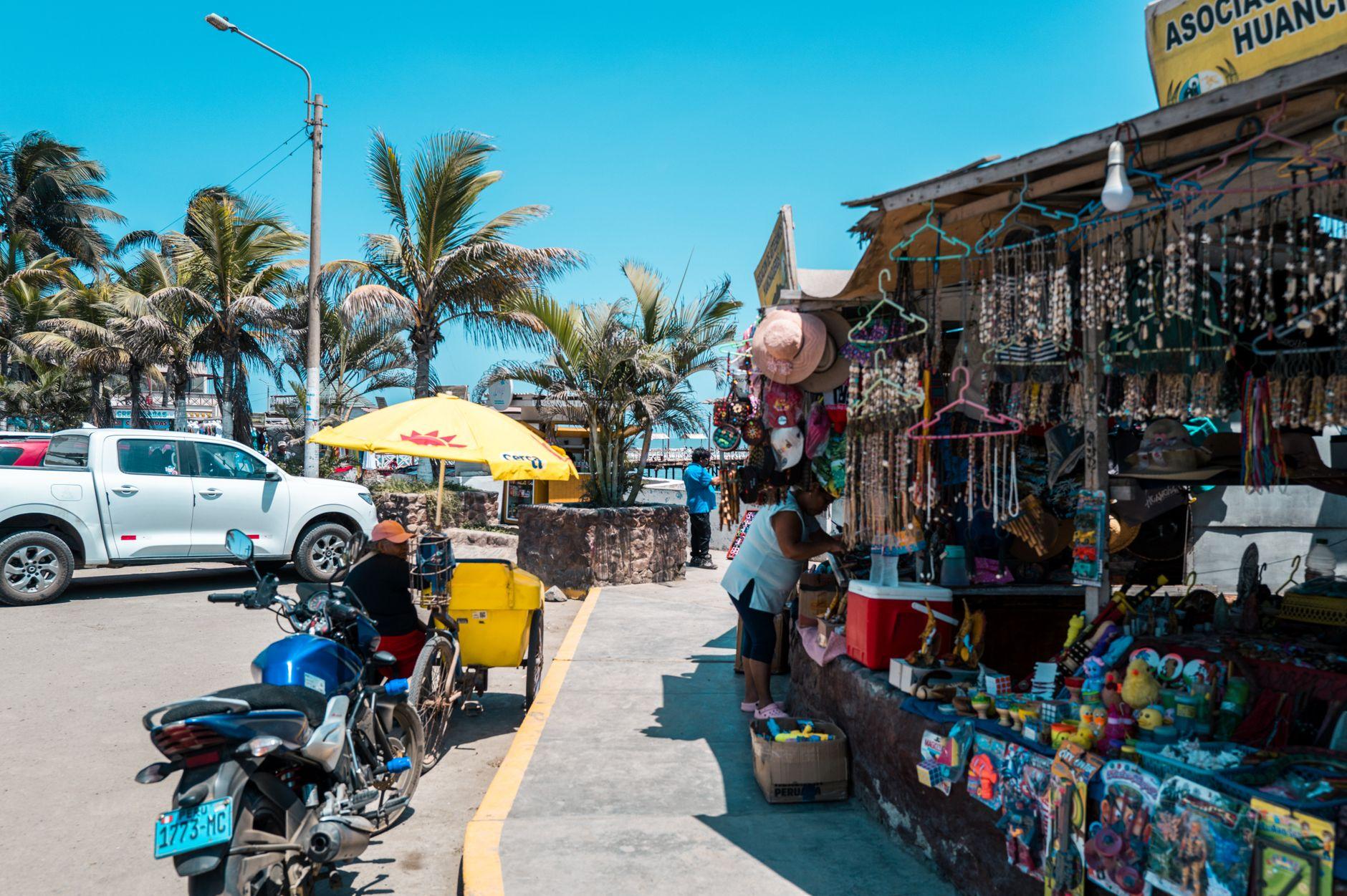
Spend one morning in a Peruvian mercado and you will notice the same small laminated square taped to every stall: a QR code, usually with the purple of Yape or the teal of Plin somewhere on it. The señora selling lucuma, the juice stand, the guy fixing phone screens, the mototaxi driver in Iquitos, they all have one. Peruvians went from cash-heavy to QR-happy fast, and the shift reached places foreign cards never did.
Which leaves visitors in an awkward spot. The country has clearly picked its preferred way to pay, and it is one that assumes you have a Peruvian bank account. So let's do this honestly: here are the four realistic ways to pay in Peru as a traveler, nomad, or new expat, with the trade-offs laid out plainly. The right answer tends to reveal itself.
Option one: cash, the old default with a new anxiety
Soles still work everywhere, and nobody in Peru will refuse them. For tiny purchases in remote areas, some cash in your pocket is genuinely sensible. That is the pro column.
The con column is longer than most travelers expect. Peru is one of the countries where guidebooks, hotel staff, and locals themselves actively warn you about counterfeit bills. Vendors hold notes up to the light, snap them, run a thumb over the raised print. Tourists are a favorite target for passing fakes, often as change from a larger bill. You end up doing nervous banknote forensics over a ten-sol lunch, and if you do get stuck with a fake, nobody downstream will take it.
Then there is the supply side: ATM runs, withdrawal caps, machine fees, and the exchange counters around Plaza de Armas squares where the posted rate quietly does the damage. If you do change cash, it is worth knowing how to judge an exchange counter by its rate rather than its commission sign. Cash in Peru is not broken, but it demands constant low-level vigilance. That is a real cost, even if it never shows up on a receipt.
Option two: your foreign card, great in Miraflores, invisible everywhere else
In Lima's Miraflores and Barranco, in Cusco's tourist core, in supermarkets like Wong or Plaza Vea, your Visa or Mastercard will usually be accepted without drama. Chains, hotels, and nicer restaurants have terminals. If your trip never leaves those bubbles, a card plus a little cash can carry you.
Step outside the bubble and the card becomes decoration. The menú spot serving a three-course lunch for pocket change, the market stall, the taxi, the ceviche cart, the laundry place, none of them have a card terminal, and none of them want one. The terminal costs money; the Yape QR printed on paper costs nothing. You will also meet the familiar terminal traps when cards do work, like being offered to pay "in your home currency," which is the dynamic currency conversion game. We have covered why saying yes to that screen is expensive and hard to undo. Add foreign transaction fees from many home banks and the card turns out to be a part-time solution at best.
Option three: Yape and Plin themselves, the locked front door
The obvious question: why not just download Yape or Plin and pay like everyone else? Because both were built for residents. Yape sits on top of BCP and the local banking system; Plin lives inside the apps of other Peruvian banks. Setting either up effectively requires a Peruvian identity document and a local bank relationship, which a short-term visitor does not have and cannot realistically get. Expats with residency paperwork can eventually cross that bridge, but "eventually" does not help you during your first months, and it never helps someone passing through for three weeks.
So the tools locals use at every single stall are, for practical purposes, closed to you. This is the quiet frustration of modern Peru for visitors: the payment network is everywhere, cheap, instant, and completely out of reach. Some travelers try workarounds, like handing cash to a local friend who yapes on their behalf. It works exactly until your friend is not standing next to you.
Option four: a wallet that reads their QR codes without their bank
This is the gap Moreta Pay was built for. You fund the wallet from home in your own currency, from a US bank via Plaid or ACH, a European SEPA transfer, UK Faster Payments, a Canadian e-Transfer, or an international card. Then, when the juice vendor points at her QR code, you scan that same code with Moreta Pay. The app shows you the amount in soles, the exchange rate, and the merchant's name before you confirm anything. Tap confirm, the vendor gets paid instantly in soles, and you have paid exactly like a local without ever opening a Peruvian bank account.
No counterfeit-bill inspection, no hunting for an ATM in Cusco at night, no asking "¿aceptan tarjeta?" and watching the vendor shake her head. The FX is shown upfront rather than discovered on a statement weeks later, which is the opposite of how foreign cards tend to behave abroad. The same scan-and-confirm flow also covers QR-based online checkouts, handy when a booking site like Trip.com or Agoda offers a QR payment option for a Sacred Valley hotel.
The honest con: it is one more app, and it asks you to think ahead enough to top up before you need it. If you land in Lima at midnight with an empty wallet balance, a bank transfer will not clear in the taxi line, though a card top-up can. A little planning solves it, but planning is a requirement, not an option.
Putting the week together
Here is how the comparison resolves itself over a normal Peruvian week. Airport to hotel: card or pre-funded wallet. Menú lunch in a working neighborhood: QR only, cash second. Mercado shopping: QR or exact cash. Intercity colectivo or a countryside tienda: small bills, no debate. Nice dinner in Barranco: card works, QR works, cash works.
Notice the pattern. Cash is accepted everywhere but punishes you with vigilance and ATM logistics. Cards are smooth but only in a narrow slice of the country. Yape and Plin cover everything but will not have you. A wallet that scans their QR codes is the only option that follows you from the fancy district to the market stall, with a small sliver of backup cash for the places QR has not reached, which in 2026 Peru are getting rare.
If Peru is on your calendar, set up Moreta Pay and load it before your flight, so the first QR code someone points at in Lima is one you can actually scan.