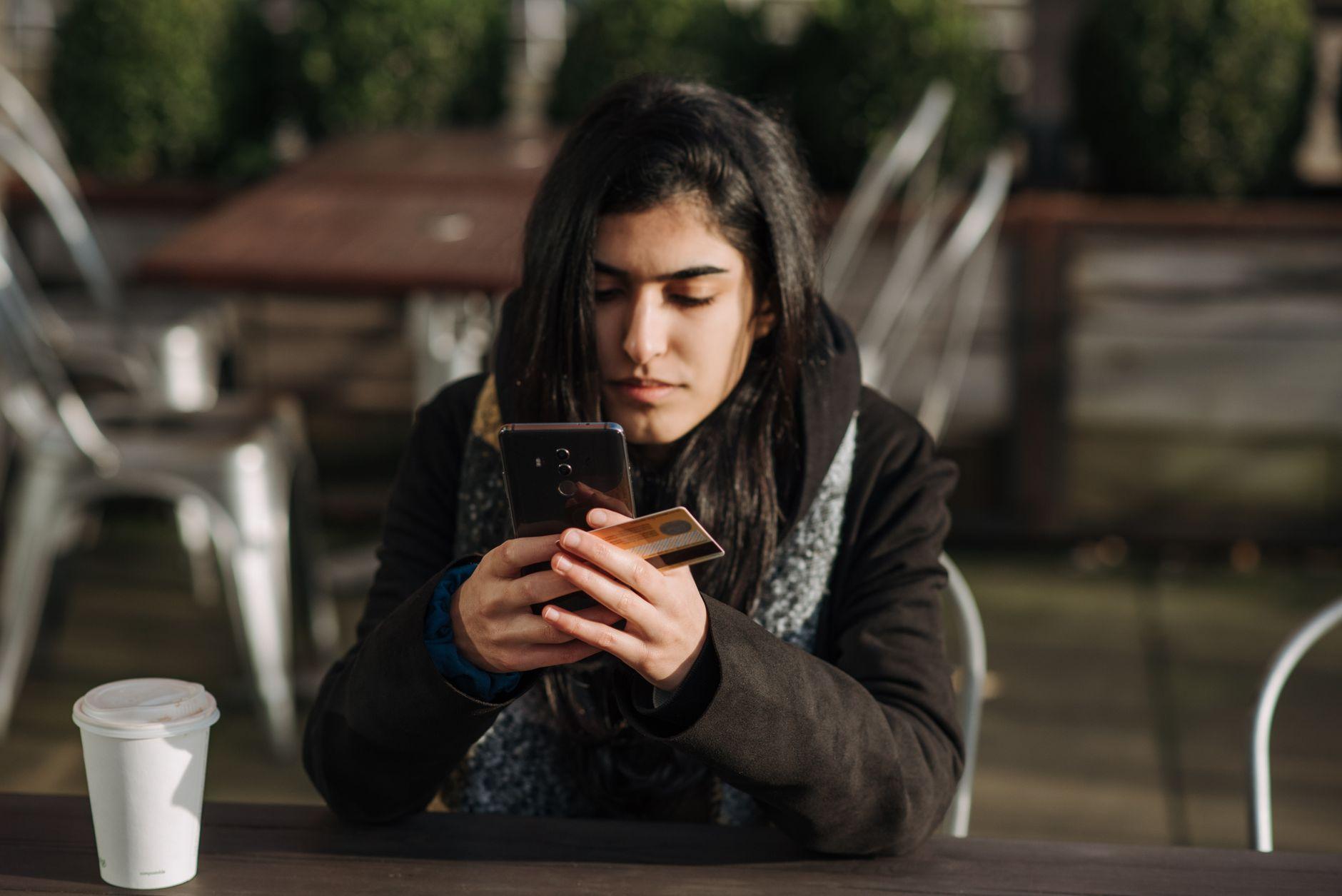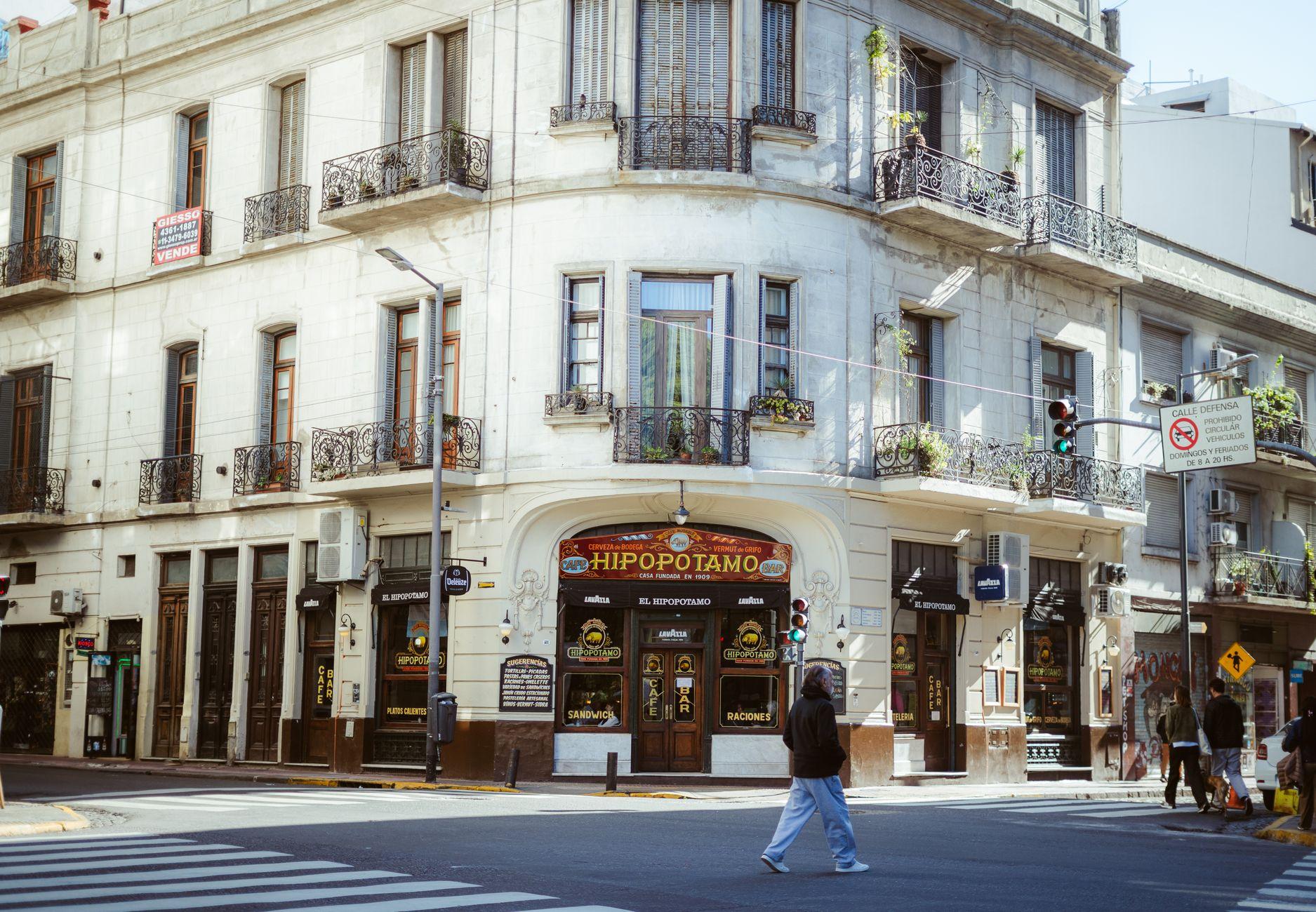

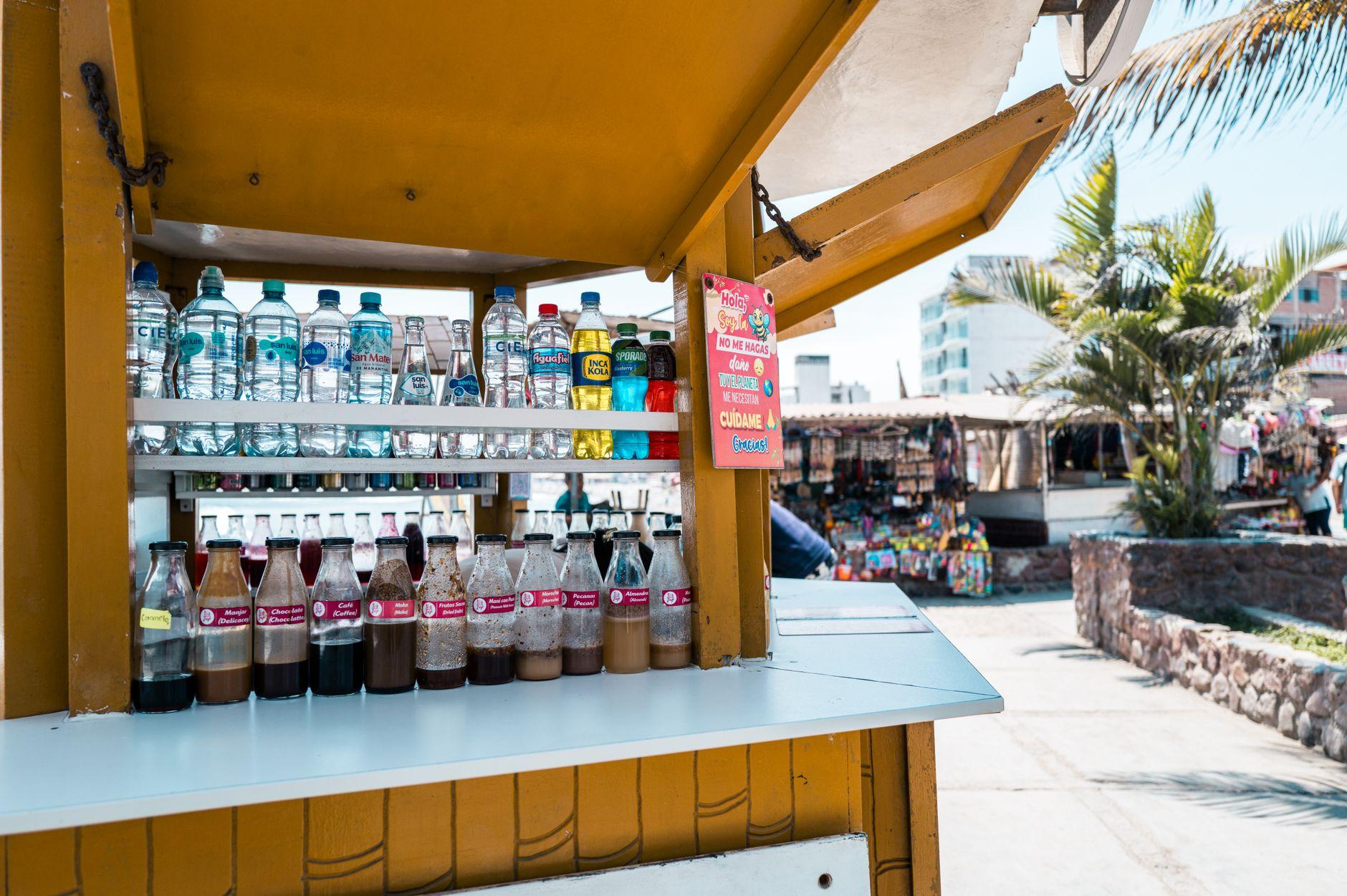
Spend your first morning in Lima or Cusco and you will notice something fast. The woman selling juice at the mercado has a QR sticker taped to her blender. The taxi driver has one laminated on his dashboard. The laundry place, the menú lunch spot, the guy selling phone cases on the sidewalk: all of them have a little square code, usually purple or turquoise.
That is Yape and Plin, the two QR wallets that run daily life in Peru. Locals use them for everything, down to a one sol purchase. If you are staying a month or longer, the question is not whether QR payments matter here. It is how you, a foreigner with no Peruvian bank account, get in on them.
Why you cannot just download Yape
Both apps look downloadable, and both will stop you cold. Yape and Plin are built for Peruvian residents: you need a DNI (the national ID), a local phone number, and in practice a local bank relationship. Some travelers try workarounds with borrowed numbers or helpful friends, and most of those attempts end with a locked account or a wallet that cannot actually hold money.
So short-term visitors usually default to cash, and that comes with its own headache, which we will get to. We broke down all four ways visitors can pay in Peru in an earlier piece. This article is about something more concrete: what a normal month of spending actually looks like, and how to handle each piece of it.
A month of Peruvian spending, item by item
Menú lunches. The set lunch (soup, main, drink, often under 15 soles) is the backbone of nomad eating in Peru. Almost every menú spot takes Yape or Plin, and many quietly prefer it because they do not have to make change. Cards are rare at this price point.
Markets. Surquillo in Lima, San Pedro in Cusco, the mercado in whatever town you land in. Individual stall holders have their own QR codes, and vendors will often point at the sticker before you have even asked. Buying avocados, a fresh juice, and a bag of coca leaves with three separate scans is completely normal.
Taxis and mototaxis. Ride apps exist in the big cities, but a lot of rides still happen by flagging someone down and agreeing on a price. Most drivers now take QR, and they like it, because it means no fumbling for change and no arguments about torn bills.
Coworking, gyms, laundry. Monthly services in Lima, Arequipa, and Cusco will usually take a card, but plenty of smaller operations run entirely on QR transfers. The laundry that charges by the kilo almost certainly does.
Buses and combis. This is where cash still wins. City combis and many intercity bus counters want coins and small notes. Keep a pocket of small bills for exactly this.
The counterfeit problem nobody warns you about until you arrive
Peru has a long-running counterfeit cash issue, and every guidebook and hostel notice board will tell you the same things: check your 50, 100, and 200 sol notes, feel for the texture, hold them to the light, and be careful with change from taxis at night, where bill-swapping scams target tired arrivals from the airport.
Locals deal with this by simply not using big bills much. QR payments sidestep the problem entirely, which is a big part of why Yape and Plin spread so fast here. Nobody can hand you a fake note through a QR code.
The practical takeaway: the less cash you handle in Peru, the fewer chances you have to receive a bad bill. Treat cash as your backup layer, not your main one.
How to scan the same codes locals do
This is where Moreta Pay earns its spot on your home screen. You top up the wallet from your own bank back home (US bank via Plaid or ACH, SEPA in Europe, UK Faster Payments, Canadian e-Transfer) or an international card, all in your own currency. Then, when the juice vendor points at her sticker, you scan that same local QR code with Moreta Pay.
Before you confirm, you see the amount, the merchant name, and the exact FX rate on screen. Tap confirm, the merchant gets paid in soles instantly, and you walk off with your juice. No Peruvian bank account, no DNI, no local SIM required.
That same flow covers QR-based checkouts online too, which matters more in Peru than people expect. Booking a few nights on a platform or paying a bill in a supported country works the same way: scan, review, confirm.
Habits worth copying from locals
Say the app name, not "QR." Ask "¿aceptas Yape o Plin?" and you will get an instant yes or no. Vendors think in terms of the apps, not the technology.
Show the confirmation screen. Peruvian vendors are used to glancing at a phone to verify a payment landed. Have your confirmation ready to show, the way locals do, and the transaction ends with a nod.
Break big notes at supermarkets. When you do withdraw or carry cash, large chains are the safest place to break a 100. They check notes carefully in both directions, and the change you receive has effectively been verified for you.
Keep coins for combis and bathrooms. One sol coins are the currency of public transport and public restrooms. Guard them.
Expect QR even where you least expect it. Trekking agencies in Cusco, surf instructors in Máncora, the woman renting sandboards in Huacachina. If someone is selling something in Peru in 2026, assume there is a code.
If Peru is one stop on a longer South America run
A lot of nomads thread Peru into a bigger route, and it helps to know the money situation shifts hard at the borders. Cross Lake Titicaca into Bolivia and you are in much more cash-dependent territory, where your card will struggle. Head north into Colombia and you will face a different pair of local wallets with the same residents-only wall.
The pattern repeats across the continent: locals pay by QR, visitors get locked out of the apps, and cash is the awkward fallback. Peru just happens to be one of the places where the QR side has won most decisively, which makes getting access to it matter more.
Set yourself up before the first juice stand
You do not need to solve all of this on arrival. Download Moreta Pay before your flight, connect your home bank or card, and load your wallet while you are still on familiar wifi. Then land in Lima, walk past the airport money changers, and pay for your first meal the way everyone around you does: with a scan.
Peru without cash anxieties is a genuinely better trip. Get Moreta Pay set up before you land and the purple stickers stop being a barrier and start being the easiest part of your day.