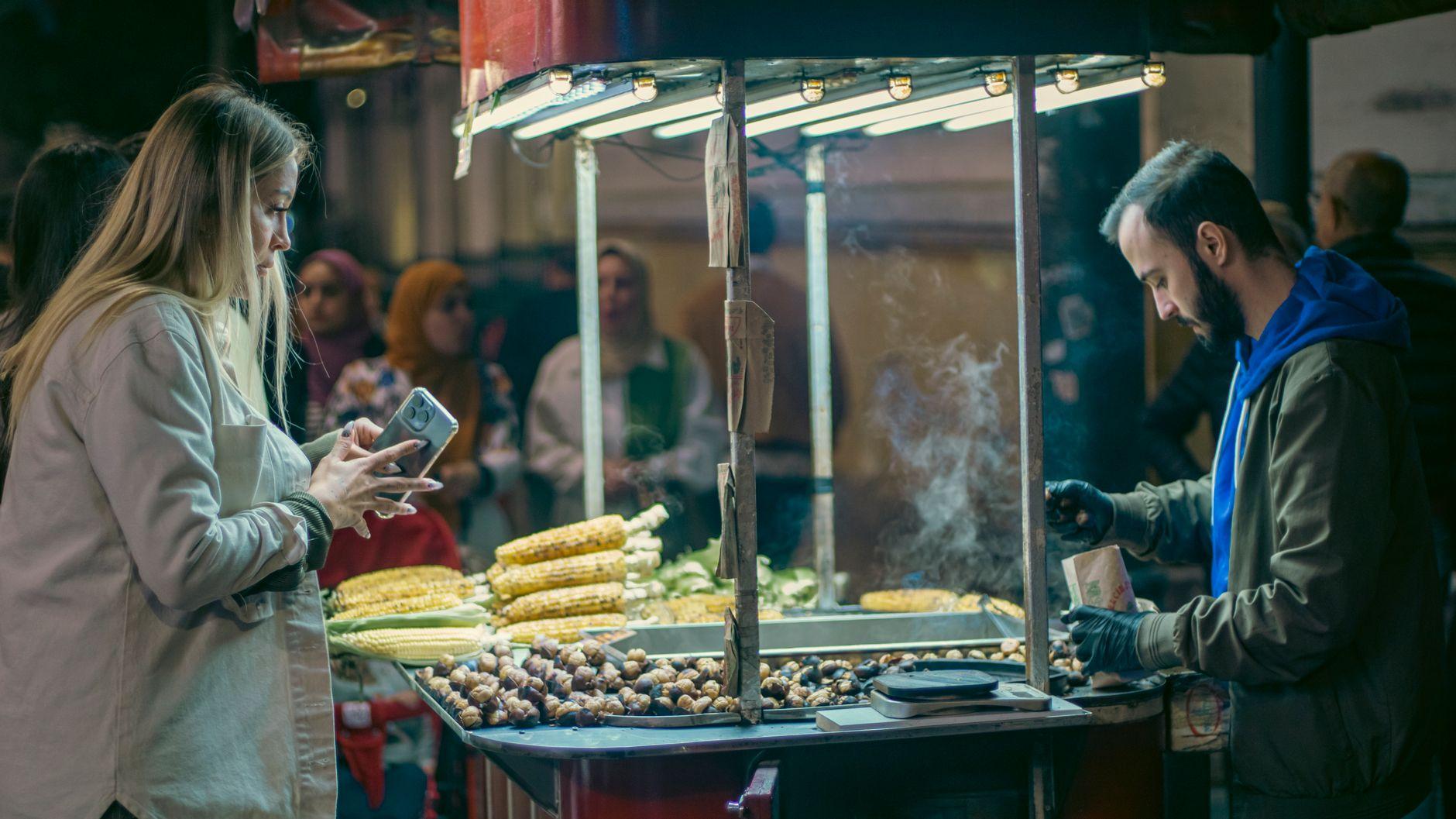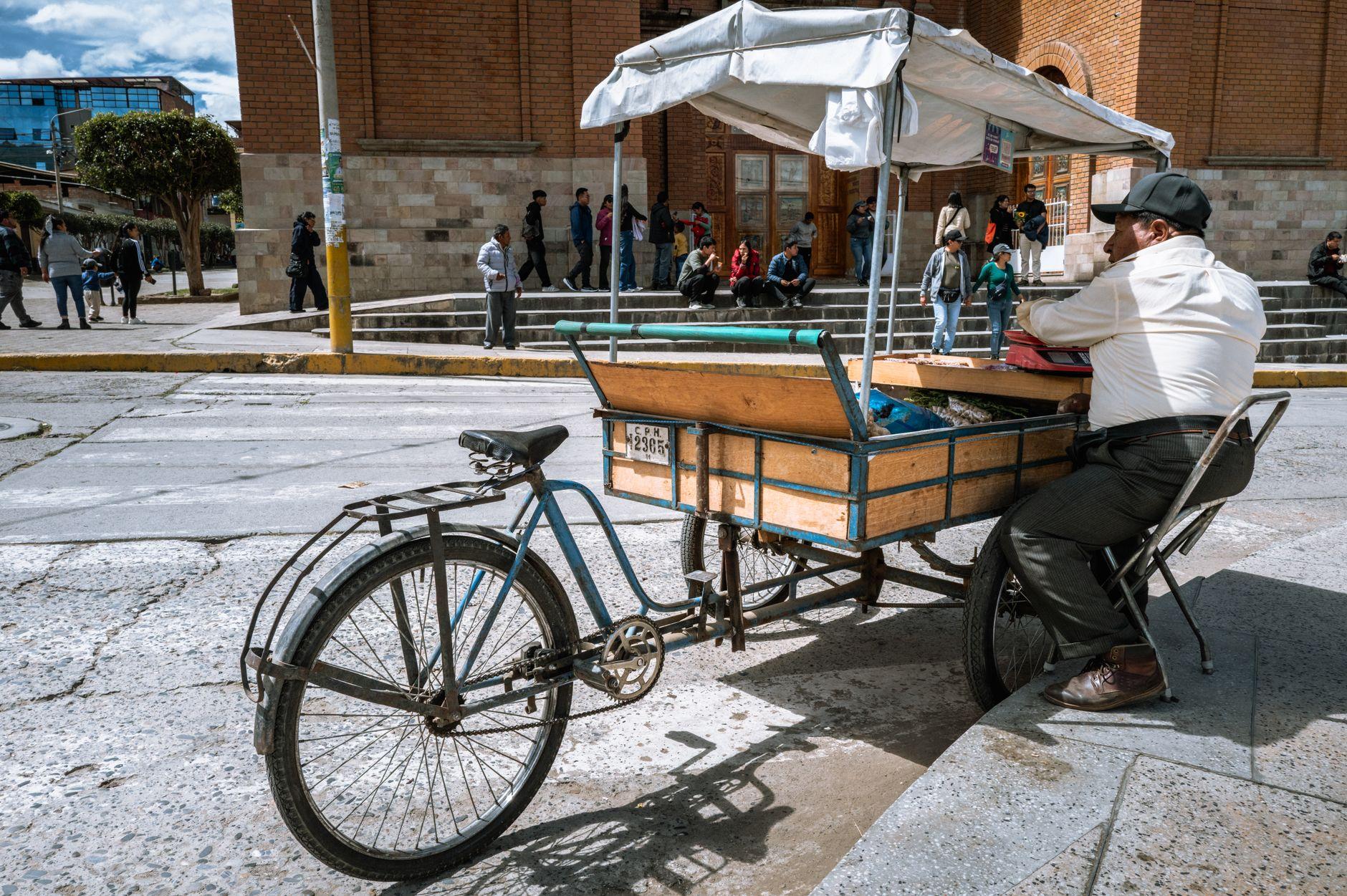

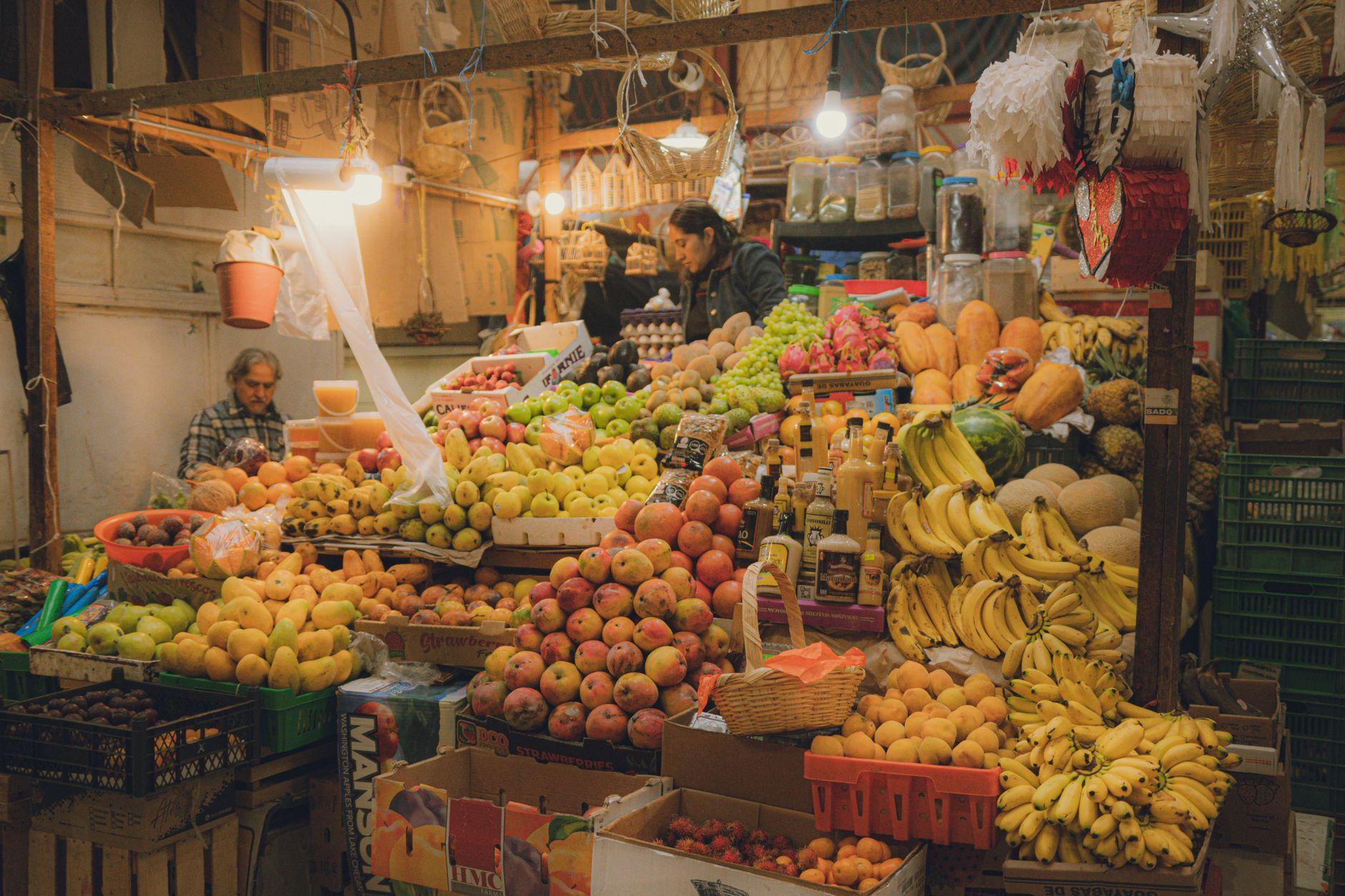
The juice lady at Mercado San Pedro in Cusco has already blended your maracuyá before you've found your wallet. You hold out a 50-sol note. She holds it up to the light, rubs the paper between her fingers, frowns, and hands it back. "¿No tienes Yape?" she asks, tapping a laminated QR code zip-tied to the counter. The man behind you steps around, scans it with his phone, grabs his juice, and is gone in four seconds.
That little moment plays out thousands of times a day across Peru. Lima cevicherías, Cusco taxi drivers, Arequipa bodegas, the woman selling picarones from a cart: nearly all of them have a Yape or Plin QR code taped somewhere, and nearly all of them would rather you used it. The question for expats and long-stay visitors is how to join a system that was built for locals.
Why every counter in Peru has a purple or turquoise QR code
Yape started as BCP's wallet and spread so fast that it became a verb. "Yapéame" means "pay me by QR," and you'll hear it from market vendors, hairdressers, and your landlord alike. Plin is the answer from a group of other big banks, and the two networks now interoperate, which is why a single sticker at the till often works for both. The result is that Peru skipped a lot of the card-terminal phase entirely. Small merchants never invested in POS machines because a free QR sticker did the job.
For you, the practical upshot is this: the places where daily life actually happens, the menú lunch spot, the fruit stall, the lavandería, the taxi you flagged on the street, are exactly the places least likely to take a foreign Visa or Mastercard. They take Yape, Plin, or cash. Big supermarkets and chain restaurants will swipe your card, but you can't live your whole Peruvian life inside a Wong or a Starbucks.
The catch: you almost certainly can't sign up
Here's where expats hit the wall. Yape and Plin are built around Peruvian identity documents and Peruvian bank accounts. If you're on a tourist stamp or a short-term stay, you have neither, and getting a local account typically means residency paperwork, a carnet de extranjería, and patience measured in weeks. Even expats who eventually get residency often spend their first few months in the country locked out of the system everyone around them uses.
Plenty of newcomers try workarounds. Borrowing a Peruvian friend's Yape works until your friend gets tired of fronting your groceries. Some people just surrender and carry cash everywhere. Which brings us to the other problem.
The counterfeit soles problem is not a travel-forum myth
Ask anyone who has lived in Lima for a year and they'll have a fake-bill story. Peru has a long-running reputation for counterfeit soles, and locals genuinely check their notes: holding them to the light, feeling the raised print, tilting them to watch the ink shift. Taxi drivers are famous for the swap trick, where your real 100-sol note is "accidentally" exchanged for a fake one and handed back as unacceptable. Guidebooks warn about it, hotel front desks warn about it, and the vendor who scrutinized your 50 at the market was not being rude. She was being normal.
So the cash route in Peru isn't just inconvenient (ATM hunts, withdrawal limits, machine fees, hoarding small bills because nobody can break a 100). It carries a low-grade anxiety that QR payments simply don't. When you scan a code, there is no note to inspect, no change to count, no swap to watch for.
How to scan the same stickers the locals do
This is the gap Moreta Pay was built for. Instead of trying to get you into a Peruvian bank, it lets you pay the merchant's existing local QR code directly from a wallet you fund from home. You top up in your own currency, from a US bank via Plaid or ACH, a European SEPA transfer, UK Faster Payments, a Canadian e-Transfer, or an international card. Then at the juice stand, you open the app, scan the same laminated code everyone else is scanning, and see the amount, the merchant's name, and the exact FX rate before you confirm. The vendor gets paid in soles, instantly, exactly as if a local had paid.
That confirmation screen matters more than it sounds. Reviewing the merchant name and converted amount before anything moves is your protection against mis-scans and inflated totals, and it's a habit worth building in any country. We've written before about why a travel money app should make you confirm every single payment, and Peru's fast-moving market counters are exactly where that discipline pays off.
One logistics note: if you fund from a US bank, bank transfers aren't instant, so don't wait until you're standing in front of the ceviche. Our guide on how early to send an ACH top-up before paying QR codes abroad covers the timing. Card top-ups are the faster fallback when your wallet runs low mid-trip.
A realistic week of Peruvian payments
Here's how it tends to shake out once you're set up. Monday, the menú lunch near your apartment: QR sticker on the counter, scan and go. The taxi from Miraflores to Barranco: the driver points at the code on his dashboard before you've even asked. The corner bodega for eggs and bread: QR. Your weekly Spanish tutor: she just shows you her code on her own phone screen. Booking a Sacred Valley hotel on a platform that offers QR checkout: Moreta Pay handles that too, since it works for QR-based online payments as well as in-person ones.
Where you'll still want some cash: tiny rural stops on a trekking route, the occasional combi or colectivo, propinas, and the one stubborn señora who trusts paper over pixels. Keep a modest stash of small bills, get them from reputable ATMs or a casa de cambio rather than street changers, and let QR carry the daily load. You'll find yourself withdrawing cash once every couple of weeks instead of every couple of days, and inspecting far fewer banknotes under fluorescent market lights.
Set yourself up before the juice is blended
The difference between fumbling with a suspect 50-sol note and tapping "confirm" is about ten minutes of setup you can do from your sofa at home. Download the app, connect your home bank or card, and load your wallet before you land in Lima. Start your Moreta Pay wallet now, and the next time someone asks "¿Yape o Plin?", you can just point your camera at the sticker like everyone else in line.