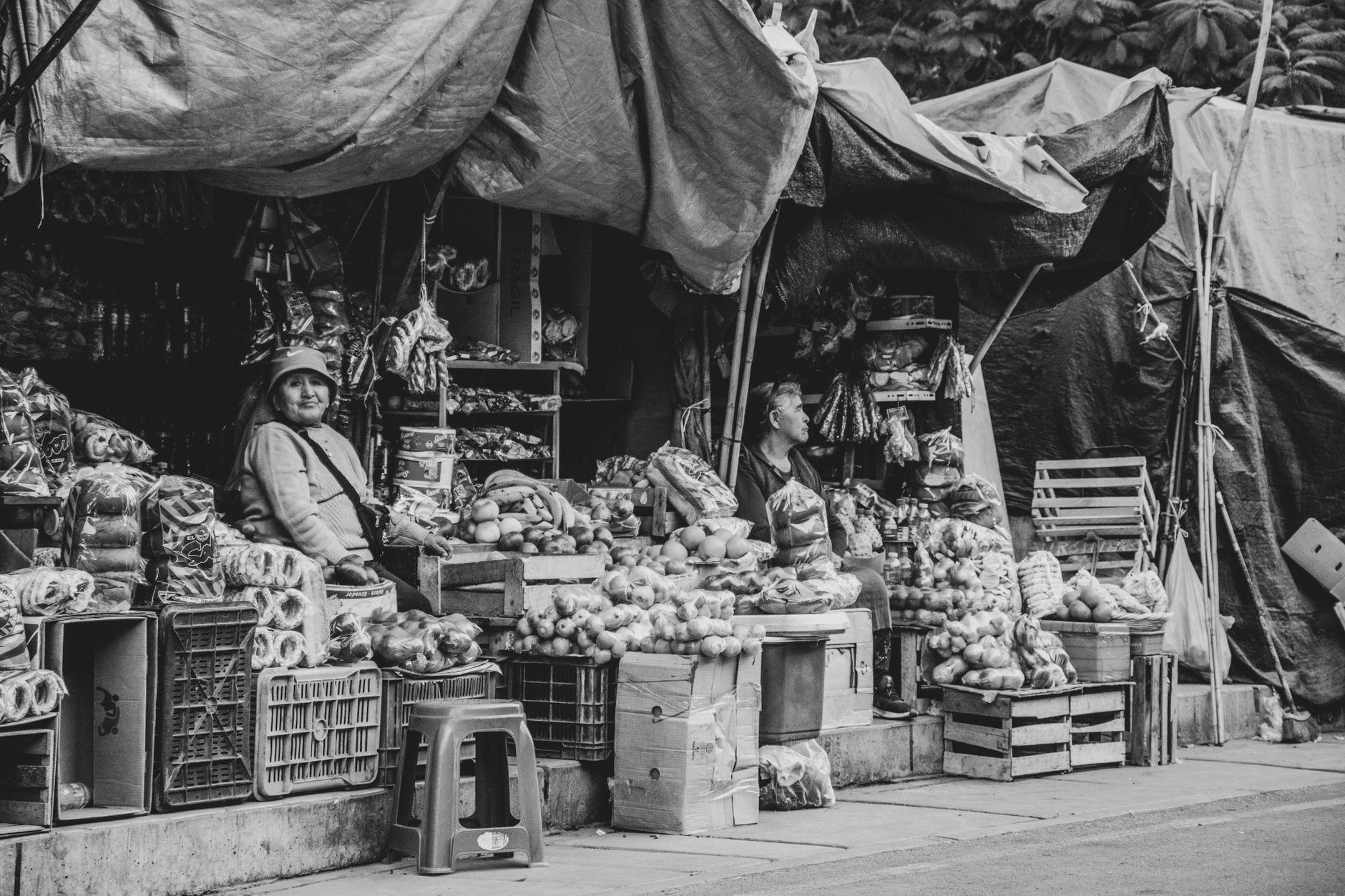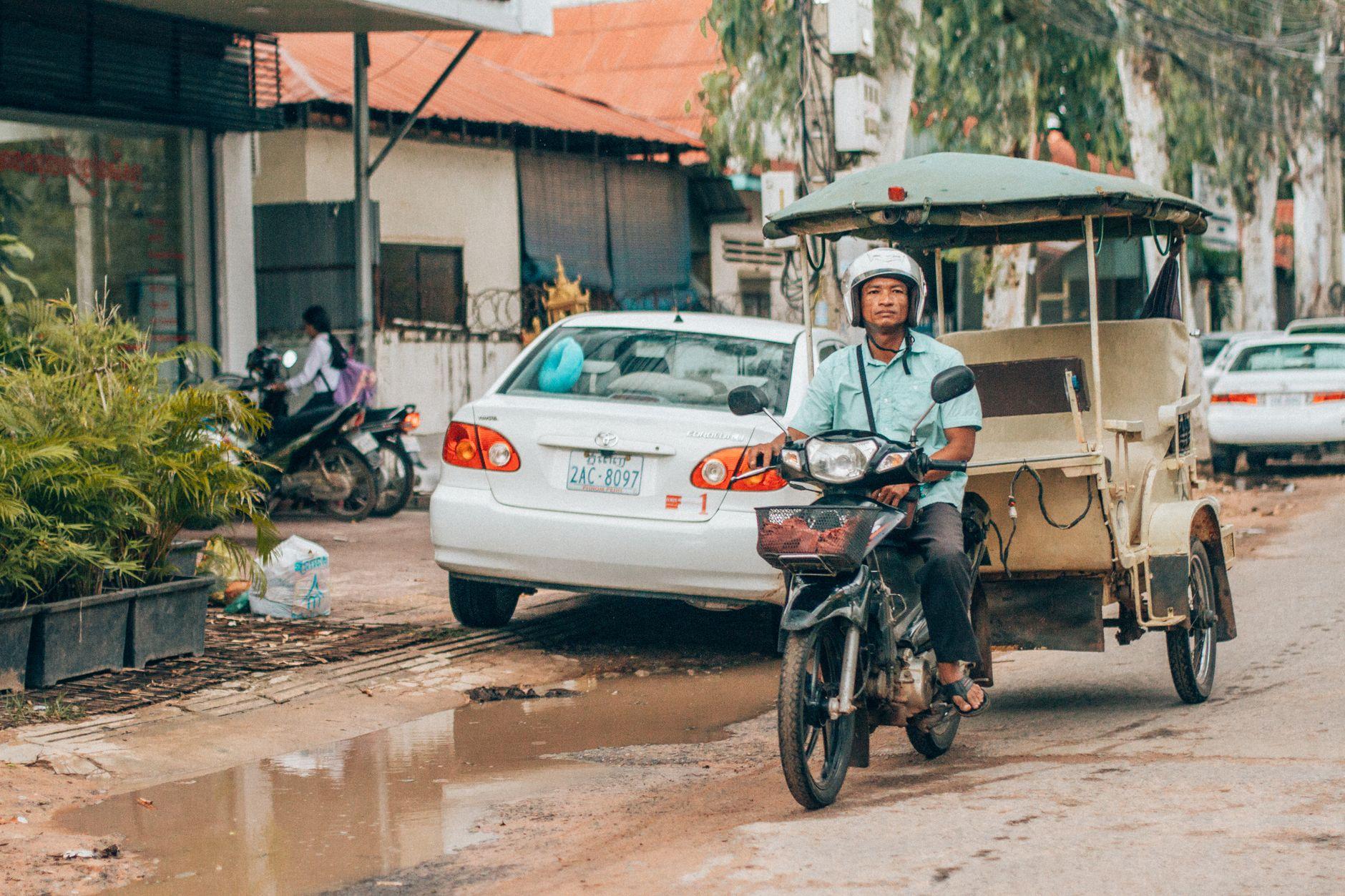

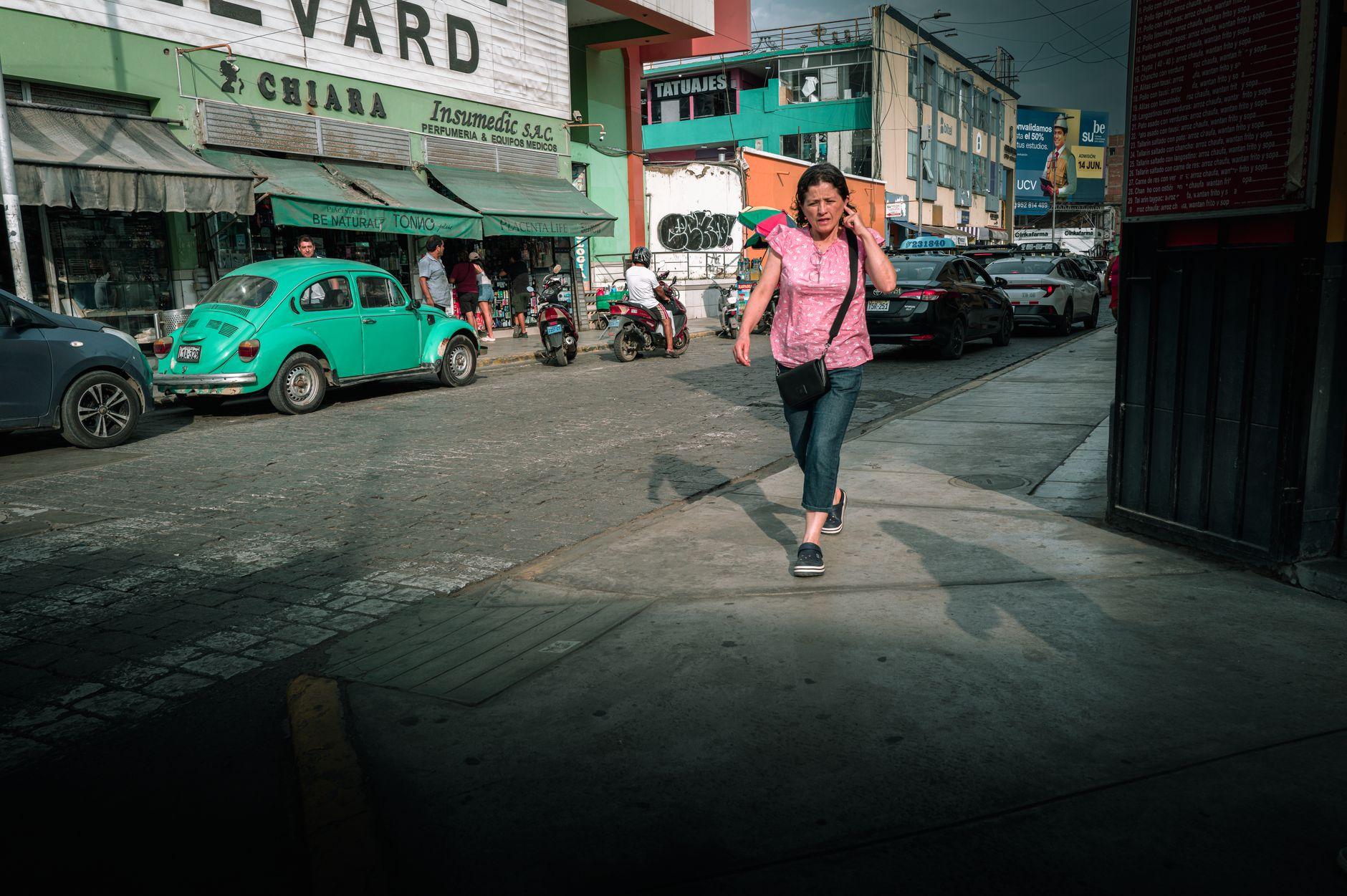
Ask ten travelers how to handle money in Peru and you will hear the same advice recycled from guidebooks written a decade ago. Carry small bills. Hit the ATM at the airport. Check every twenty soles note against the light. Some of that advice still has a kernel of truth, but most of it describes a Peru that has quietly moved on. Walk through any mercado in Lima, Cusco, or Arequipa in 2026 and you will see the same gesture over and over: someone holding up a phone, scanning a laminated QR code taped to a stall, and walking away without a single coin changing hands.
So let's go through the beliefs one by one, because almost every traveler arrives in Peru with at least three of them, and almost every one of them is wrong in an expensive or annoying way.
Belief one: Peru is a cash economy, so stock up on soles
This was true. It is not anymore, at least not in the way travelers imagine. Two QR wallets, Yape (run by Banco de Crédito del Perú) and Plin (a network shared by several other major Peruvian banks), have swept through the country with astonishing speed. The woman selling anticuchos from a cart has a Yape code. The mototaxi driver in Iquitos has one. The juice stand in the Surquillo market, the artisan in San Blas, the corner bodega that sells you water at eleven at night, nearly all of them display a QR code, often both Yape and Plin side by side.
Locals pay for everything this way, including amounts so small that pulling out a card would feel absurd. A two sol bus snack, a five sol taxi tip-up, a market haul of fruit. The cultural shift is complete enough that at some stalls, the vendor will look mildly inconvenienced when you hand over a fifty sol note, because now they have to find change.
Belief two: fine, then I'll just download Yape or Plin when I land
Here is where travelers hit a wall. Both Yape and Plin are built on top of Peruvian bank accounts and Peruvian identity documents. Yape's standard signup path runs through a DNI, the national ID card, and a local account or phone number tied to the Peruvian banking system. Plin is not even a standalone app, it lives inside the mobile apps of the member banks, which means you need an account at one of those banks first. For a tourist on a two week trip, or even a digital nomad spending three months in Barranco, opening a Peruvian bank account is somewhere between painful and impossible.
This is the same frustrating pattern that shows up across Latin America, where the local QR rail is superb but the front door is locked to anyone without residency paperwork. If you have read about how foreigners get into Brazil's Pix system, the Peruvian situation will feel familiar: the infrastructure is everywhere, the onboarding assumes you are a local.
The workaround is not to become a Peruvian bank customer. It is to use a wallet that can pay into those networks from the outside. Moreta Pay lets you scan the same Yape and Plin codes locals use, fund the payment from your own bank back home, and settle with the merchant instantly in soles. The vendor sees a normal payment arrive. You never touched a Peruvian bank branch.
Belief three: ATMs are the reliable backup plan
ATMs in Peru work, but "reliable" is generous. Travelers routinely report machines that are out of cash on weekends, dispense only large denomination notes that nobody wants to break, or sit behind a queue of locals doing the exact same cash run. Then there is the fee stack: your home bank's foreign withdrawal fee, the local operator's fee, and whatever happens in the exchange rate conversion, none of it visible until you check your statement later.
Compare that with scanning a QR code where the amount, the FX rate, and the merchant name are all shown on screen before you confirm. One of the quiet advantages of QR payments in Peru is that the moment of payment is also the moment of full transparency. There is no "I'll find out what that cost me next week" step.
Belief four: counterfeit bills are a tourist-paranoia myth
Unfortunately, this one travelers underestimate rather than overestimate. Peru has a long-running counterfeit currency problem, and locals genuinely do check bills. Watch a cashier receive a hundred sol note: the tilt toward the light, the thumb across the texture, sometimes a pen or a UV light at bigger shops. Tourists are warned about this for a reason, and the risk cuts both ways. You can receive a fake note as change and only discover it when the next merchant refuses it, and at that point there is no refund desk.
Every sol you never physically hold is a sol that cannot be counterfeit. This is one of the less obvious arguments for going as cashless as Peru's QR ecosystem allows: it is not just convenience, it removes an entire category of problem that locals themselves are actively trying to engineer around.
Belief five: card terminals cover me everywhere that matters
In hotels, upscale restaurants in Miraflores, and chain supermarkets like Wong or Plaza Vea, yes, cards work fine. But the Peru most people travel for, the market stalls, the cevicherías with six plastic tables, the colectivo stands, the artisan cooperatives in the Sacred Valley, is exactly where card terminals thin out and QR codes take over. For a small vendor, a printed QR code costs nothing, while a card terminal means hardware and fees. There is a whole economic story behind why merchants lean toward QR even when both options exist, and Peru's small vendors are a textbook case.
The practical consequence: if your payment toolkit is card plus emergency cash, you are equipped for tourist-facing Peru and underequipped for everyday Peru. The traveler who can scan a Yape or Plin code pays at the same places, in the same way, at the same prices as everyone around them.
What this looks like on an actual day
Morning in Cusco. Coffee at a small café near the plaza, QR code on the counter, scan and confirm. A taxi to the San Pedro market, driver points at the Yape sticker on his dashboard. Inside the market, fruit from one stall, a woven bag from another, both paid by scan while the vendors barely pause their conversations. Lunch at a menú spot, eight soles, scan again. In the evening, booking tomorrow's Sacred Valley transfer on a travel platform, paid from the same wallet. Not one ATM visit, not one note held up to the light, not one moment of mentally converting a crumpled pile of change.
With Moreta Pay, you top up from your home bank or card in your own currency before or during the trip, and every payment shows you the rate before you commit. No Peruvian account, no DNI, no exceptions made for you at the counter, because from the merchant's side nothing unusual happened at all.
If Peru is on your 2026 itinerary, get your wallet sorted before the plane lands and spend your first morning in Lima eating, not queuing at a cash machine. Set up Moreta Pay and scan your first Yape code the day you arrive.