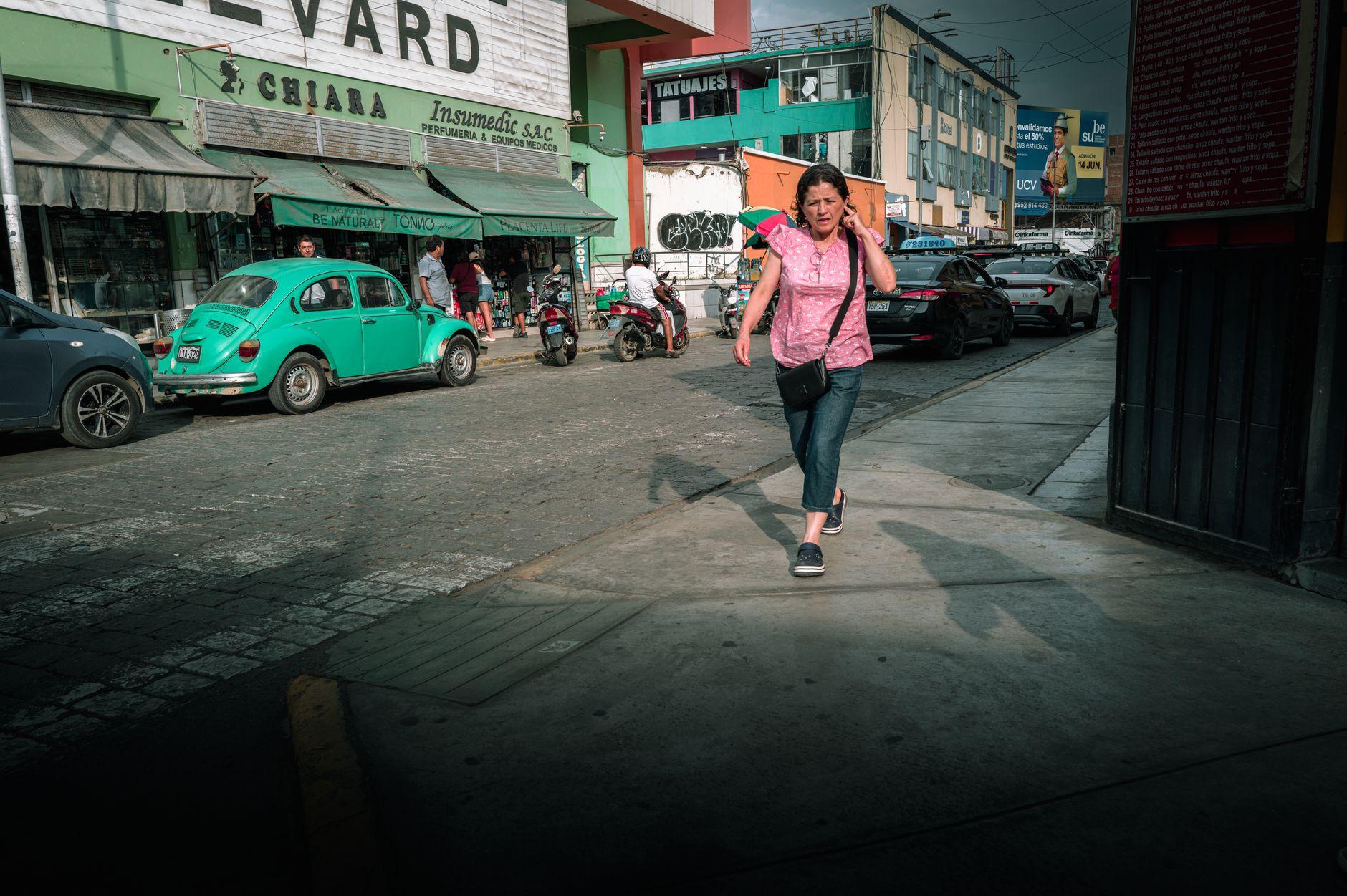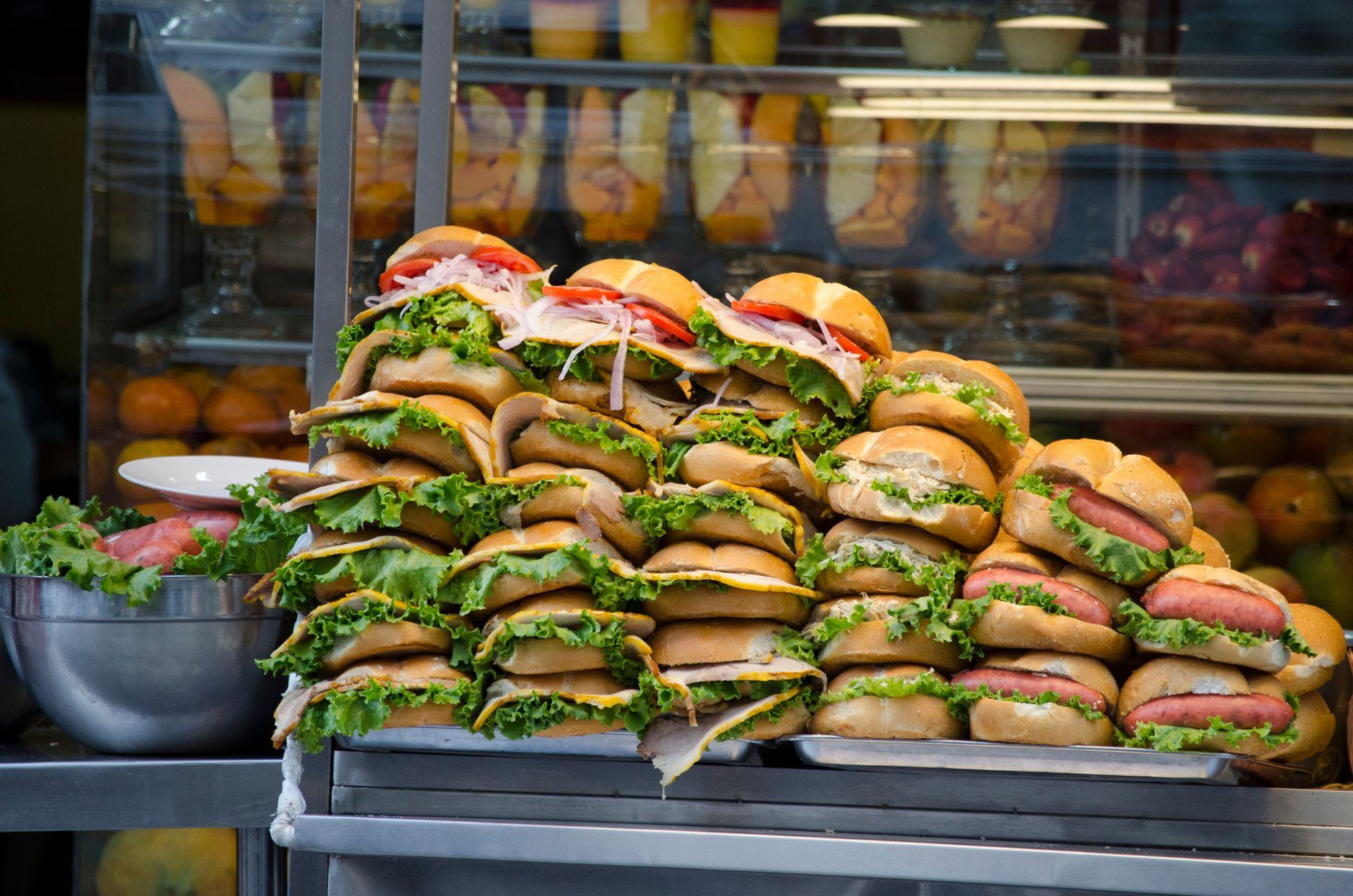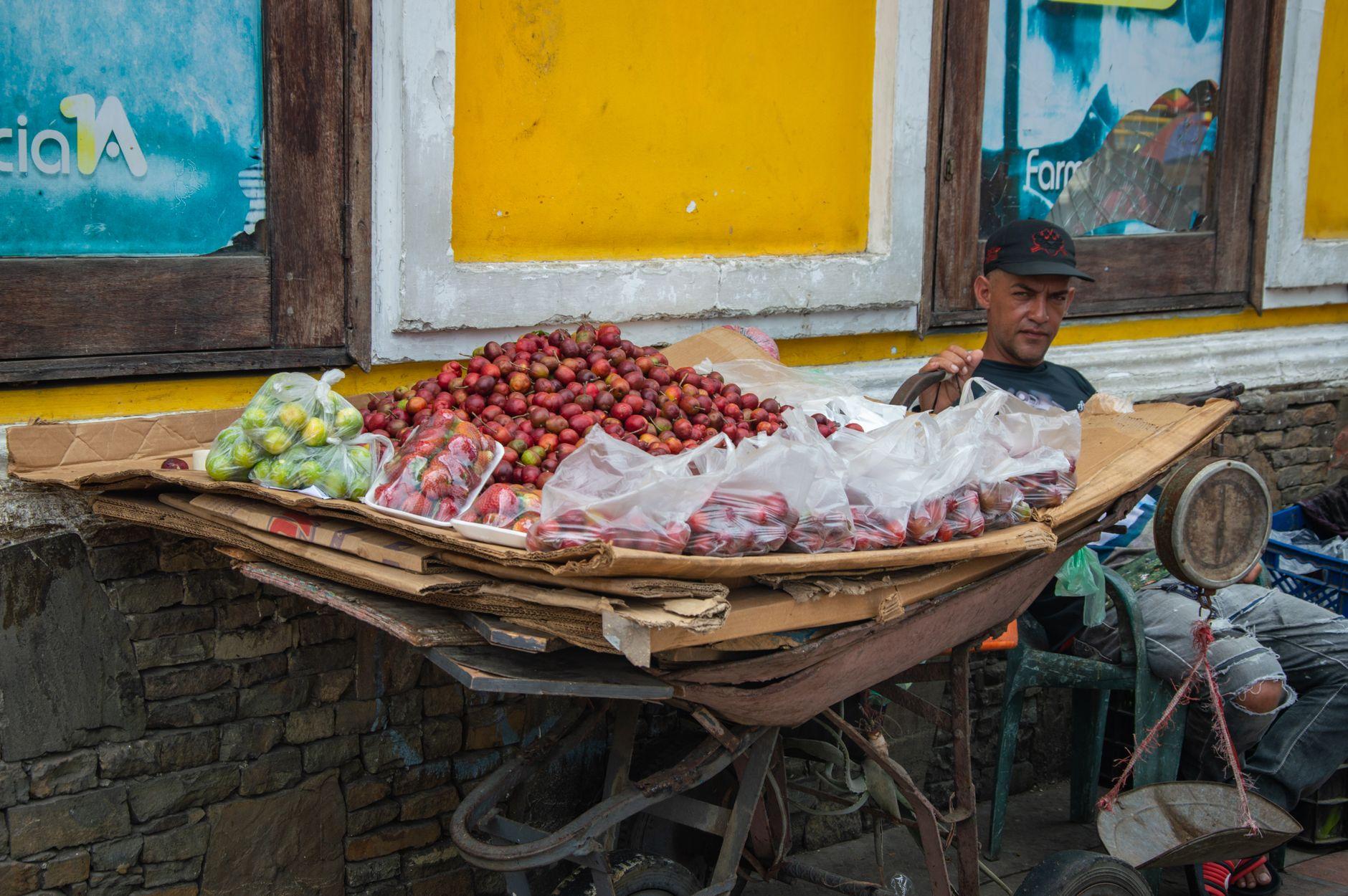

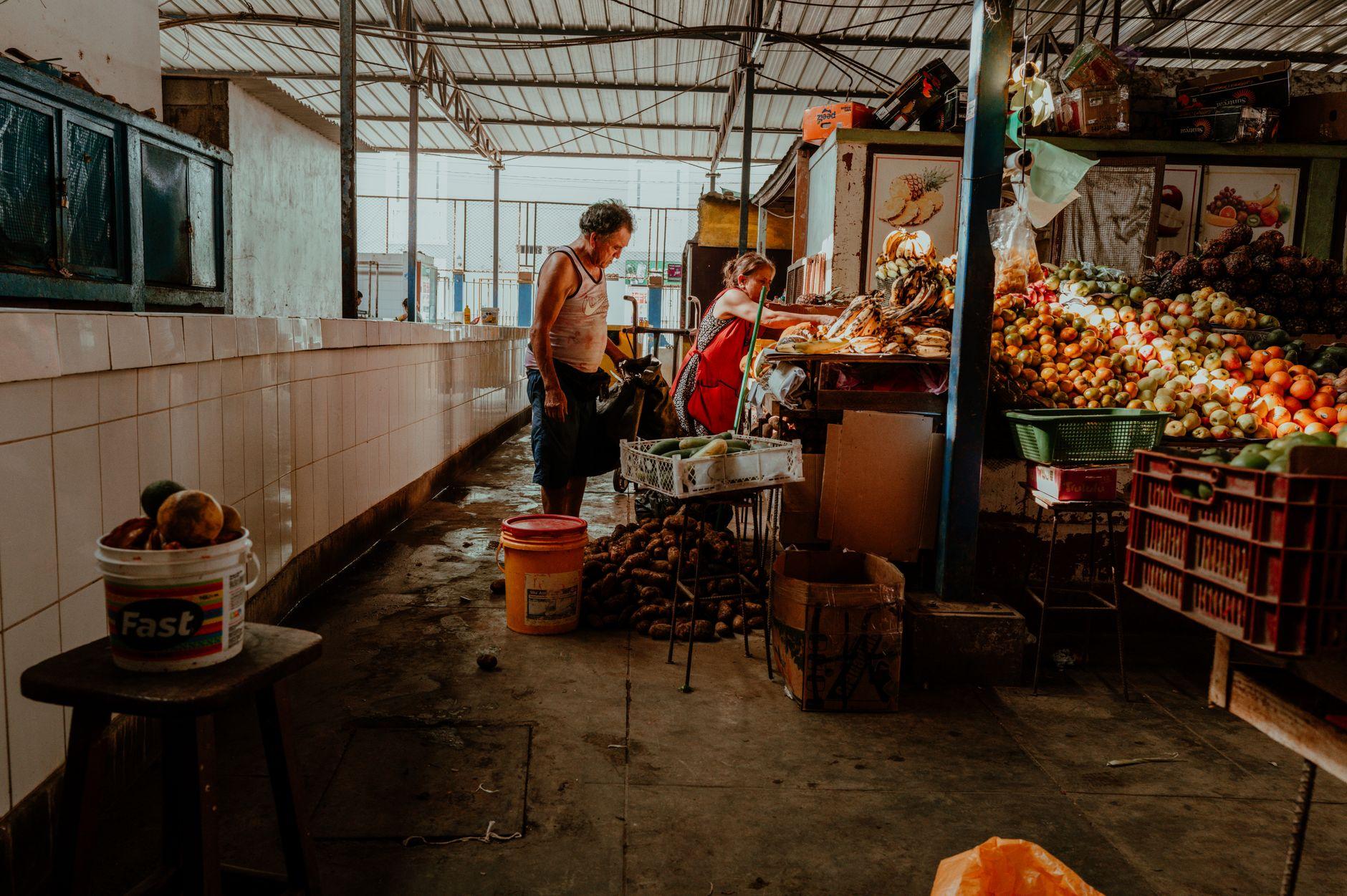
Stand at any anticucho cart in Lima after dark, or at a juice counter in Cusco's Mercado San Pedro, and watch how people pay. Almost nobody counts out coins anymore. They hold up a phone, the vendor points at a laminated square taped to the cart, and the whole thing takes four seconds. Those squares say Yape (purple) or Plin (turquoise), and in 2026 they are as much a part of Peruvian street food as ají sauce.
That leaves a visitor with a real question: what do you actually pay with? There are four honest answers, and each one has a catch. Let's weigh them properly.
Option one: cash, the old default with a Peru-specific problem
Soles still work everywhere. No vendor at Surquillo or San Camilo in Arequipa will turn down a coin for a glass of emoliente. If you carry small bills and coins, cash remains the most universally accepted way to pay in Peru.
The catches are bigger than they look. First, counterfeit notes are a genuine, well-known worry in Peru. Guidebooks, hotels, and locals themselves will warn you to check larger bills, and vendors will hold your 100 sol note up to the light before accepting it. As a foreigner, you are the person least equipped to spot a fake, and you are also the person most likely to receive one in change. Second, change itself is a constant negotiation. Try paying for a two sol picarón with a 50 and you'll hear "no tengo sencillo" (I don't have change) more often than not. Third, cash means ATM runs, ATM fees, and walking around with a pocket you have to protect in crowded markets.
Verdict: keep some small cash for emergencies and tiny purchases, but building your whole trip on it means bill-checking anxiety and constant small-change math.
Option two: your foreign card, which lives in a different Peru
Visa and Mastercard work fine in the Peru of supermarkets, chain cafés, and mid-range restaurants. Tap your card at a Wong or a Tanta in Miraflores and life is easy. But that Peru barely overlaps with the Peru of street food. The señora grilling anticuchos does not have a card terminal. The ceviche counter inside the market does not have one either. Terminals cost money and take a cut, and when nearly every customer pays by QR for free, why would a vendor bother?
Even where cards are accepted, there's the quiet cost of how your bank converts soles. If you've ever wondered why a supposedly free card still adds up abroad, we broke that down in why your bank's no foreign transaction fee card still loses you money.
Verdict: useful for hotels and sit-down restaurants, close to irrelevant at stalls and market counters. It's a supplement, not a plan.
Option three: Yape or Plin, the local answer you probably can't use
Here's where it gets frustrating. Yape (run by BCP) and Plin (backed by a group of other Peruvian banks) are genuinely excellent. They're free for the vendor, instant, and so universal that mototaxi drivers and ladies selling chicha morada from a bucket display QR codes. If you could use them, you would, full stop.
The problem is getting in. Both are built around Peruvian identity documents and Peruvian bank accounts. A tourist on a short visit has no realistic path to either. Expats with residency paperwork can eventually get set up, but even that involves opening a local bank account first, and "eventually" is measured in appointments, not minutes. If you've read about why QR wallet signups reject so many foreign IDs, Peru's version of the story is the same shape: the system was designed for locals, and it shows.
Verdict: the best payment method in the country, locked behind a door most visitors can't open. Some travelers resort to asking a local friend to "yapear" the vendor and paying the friend back in cash, which works exactly once before it gets awkward.
Option four: scanning those same QR codes with a wallet you can actually set up
This is the newer path. Moreta Pay lets you scan the same Yape and Plin QR stickers the locals use, without a Peruvian bank account or DNI. You top up the wallet from home before or during the trip (a US bank via Plaid or ACH, SEPA in Europe, UK Faster Payments, Canadian e-Transfer, or an international card), in your own currency. At the stall, you scan the vendor's existing code, see the amount, the merchant name, and the exact exchange rate on screen, confirm, and the vendor gets paid in soles instantly. From their side it looks like any other QR payment, which matters, because a vendor mid-lunch-rush has zero patience for a payment method that requires explanation.
The honest cons: you need your phone charged and a data connection, same as Yape users do. And it doesn't replace cash entirely, because a handful of the smallest vendors still deal only in coins. But it removes the three worst parts of paying in Peru: counterfeit-bill roulette, the change problem, and the locked door of local wallet signup.
Verdict: for the QR-covered majority of stalls, markets, and even taxis, this is the closest a visitor gets to paying like a local.
How this plays out over one market lunch
Say you're working through Mercado de Surquillo in Lima. A ceviche at a counter, a maracuyá juice, a bag of aguaymanto to take home. With cash only, that's three transactions of checking change and hoping nobody hands you a doubtful bill. With a card, you'd eat nothing, because none of those counters take one. With Yape, it would be seamless, but you can't have Yape. With a QR wallet you can actually open, you scan three stickers, glance at three confirmations in soles with the rate shown, and you're done, with a clean record of what everything cost when you tally the trip later.
A realistic setup before you land in Lima
Putting the comparison together, the sensible plan for how to pay in Peru looks like this:
- Small cash reserve: withdraw a modest amount, break big bills at a supermarket early, and keep coins for the rare cash-only vendor and for tips.
- Your usual card: for hotels, intercity buses, and restaurants with terminals. Don't expect it anywhere with a grill and a plastic stool.
- A QR wallet that works for foreigners: set up Moreta Pay and connect your funding source before you fly, so your first anticucho isn't also your first tech support session. Then treat every purple or turquoise sticker as an invitation rather than a wall.
Peru already solved street food payments. Yape and Plin made small transactions frictionless for the people who live there. The only thing missing was a way for visitors to join in, and that part is now solved too. Get Moreta Pay set up before your trip and let the vendor's own QR sticker do the rest.