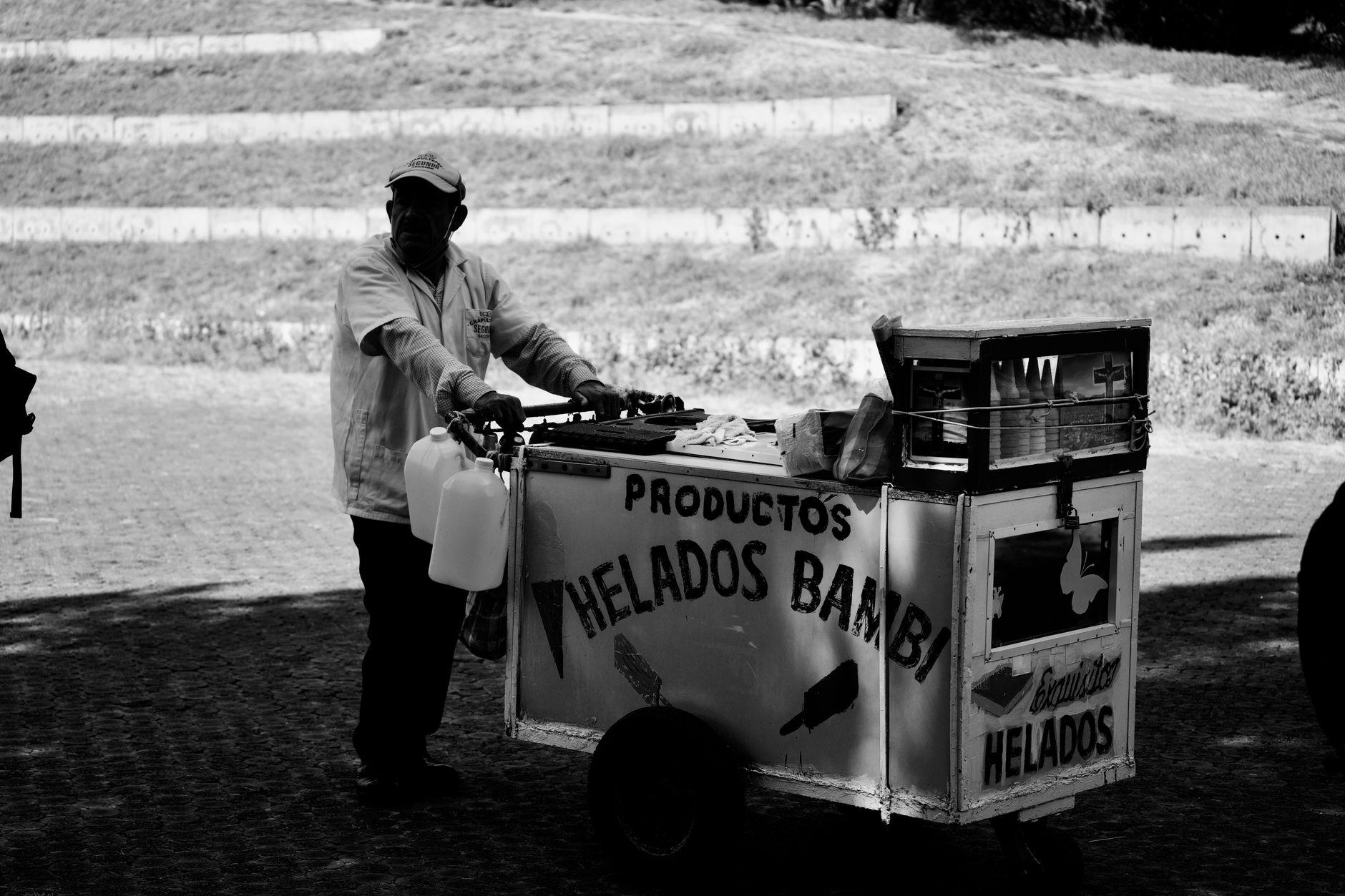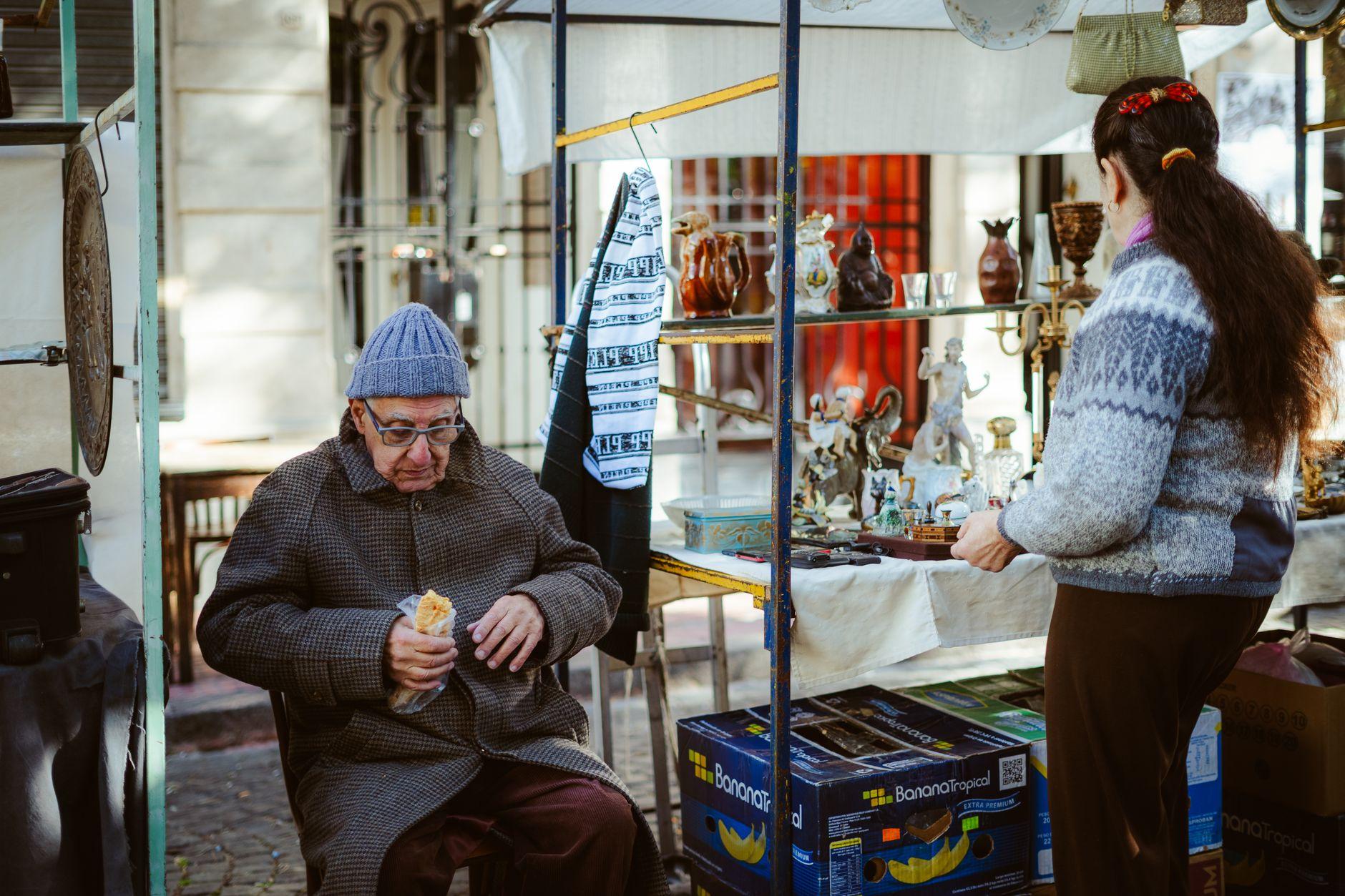

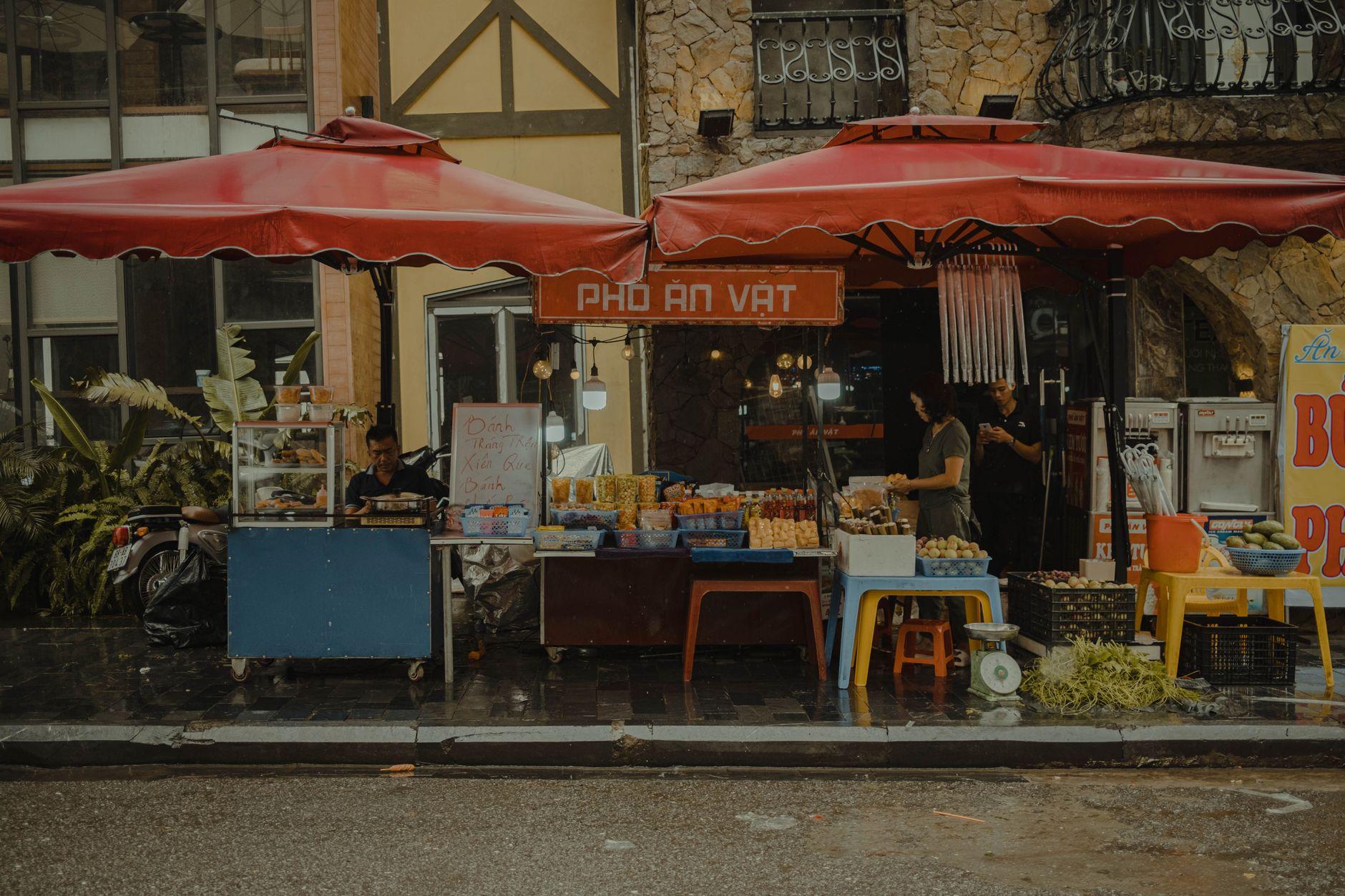
Ask around before a trip to Colombia and you will collect a surprising amount of confident, outdated money advice. Bring cash for everything. Never show your phone in the street. Vendors only trust bills. Some of it was true a decade ago. Most of it will now mark you as the one person at the market paying the hard way. Colombia's street stalls, fruit markets, and menú del día counters have quietly gone digital, and the sticker taped to the cart usually says Nequi, Daviplata, or Bancolombia. Here are the beliefs worth unlearning before you order your first arepa de choclo.
Belief one: Colombia runs on cash, so carry a thick wad of pesos
Walk through a market in Medellín, Bogotá, or Cali and count the QR codes. The woman selling mango biche from a cart has one. The empanada stand has one. The man at Paloquemao weighing your lulo and granadilla has one, often laminated and clipped to the scale. Nequi and Daviplata, the mobile wallets attached to Colombia's big banks, reach deep into the informal economy precisely because they are free and instant for vendors. Digital nomad hubs like Medellín's Laureles and El Poblado have tipped so far toward cashless that some cafes and stalls visibly sigh when you hand over a 50,000 peso note for a 4,000 peso coffee. Small bills are still useful for buses in smaller towns and the occasional holdout vendor, but the idea that Colombia is a cash economy end to end is simply no longer true.
Belief two: if they accept digital payments, they will take my credit card
This one trips up travelers constantly, because it reverses the logic they know from home. In Colombia, digital payment usually means QR, not card. Card cloning has been a genuine problem here for years, and many Colombians are wary of handing their card to anyone or inserting it into an unfamiliar terminal. QR flipped that dynamic: the customer scans, the customer confirms, and no card ever leaves anyone's hand. So you will find stalls that happily take a Nequi transfer but have never owned a card machine and never will. Tapping your Visa at a sit-down restaurant in a mall works fine. Expecting it at a street food stall or a market stand does not.
Belief three: fine, I will just download Nequi when I land
Here is where visitors hit the wall. Nequi and Daviplata are built around a Colombian ID number and a local phone line, and signing up as a short-term visitor ranges from difficult to impossible. It is the same locals-only problem travelers run into with Yape in Peru: the rails are excellent, the front door is closed to you. This is exactly the gap Moreta Pay exists to fill. You top up a wallet from your own bank or card at home, in your own currency, then scan the same Nequi, Daviplata, or Bancolombia QR code the person ahead of you just scanned. You see the amount in pesos, the exchange rate, and the merchant name before you confirm, and the vendor gets paid instantly in local currency. No Colombian bank account, no cédula, no workaround involving a friend's cousin's Nequi login.
Belief four: ATMs are a reliable backup, so why bother
ATMs in Colombia work, but relying on them as your main money strategy gets expensive and awkward fast. Withdrawal limits per transaction are often low relative to prices, which means repeated trips, and each trip can stack an operator fee on top of whatever your home bank charges, a pattern we broke down across the region in our guide to ATM operator fees in 2026. There is also the practical side Colombians themselves will mention: standing at a street machine counting out a brick of fresh bills is the one moment of your day you would rather not advertise. Locals moved to QR partly to stop carrying cash around. As a visitor, you can make the same move for the same reason.
Belief five: a street vendor will never trust a foreigner's phone payment
The opposite is true, and it is worth understanding why. When you pay a Colombian QR code, the vendor gets a confirmation on their own phone within seconds. There is nothing to trust. Either the notification arrives or it does not, which is far more certain than inspecting a foreign traveler's unfamiliar banknotes or scrambling to break a large bill at seven in the morning. Vendors who deal with Nequi all day treat a successful scan as completely normal, whoever is holding the phone. The etiquette is simple: scan, confirm, then turn your screen so they can see the payment went through, the same gesture every local customer makes. With Moreta Pay the confirmation lands on their end just like a local payment, because on their side it is one.
Belief six: haggling and small purchases still require cash
Markets like Paloquemao in Bogotá or Minorista in Medellín are places where prices flex, and travelers assume that negotiating culture must mean cash culture. In practice the two have decoupled. You agree on a price for the avocados or the mochila exactly as you would have in cash, and then the vendor points at the QR code. Tiny amounts are not a problem either. Locals transfer a few thousand pesos for a tinto or a buñuelo without a second thought, because QR transfers do not carry the minimum-purchase logic of card machines. The only real adjustment is yours: keep your phone charged and your mobile data working, because your wallet now lives there.
What to actually do before your first market morning
Keep a modest amount of cash in small denominations for buses, rural day trips, and the occasional stall that still prefers bills. For everything else, set up before you fly: connect your home bank or card to Moreta Pay, load your wallet in your own currency, and you land ready to scan the same QR codes Colombians use at every arepa grill and fruit stand from Cartagena to Cali. The myths will survive without you. Get Moreta Pay set up before you board and pay like the person in line ahead of you.