
Ask five nomads how to handle money in the Philippines and you will get five confident, contradictory answers. “Just carry cash.” “GCash or you’re doomed.” “My card works fine.” The frustrating truth is that all of them are partly right, because the Philippines is not one payment environment. It is a Makati coworking cafe that takes QR Ph and a Siargao boatman who wants damp 500 peso notes, sometimes on the same trip, sometimes on the same day.
So instead of one-size-fits-all advice, here is an honest comparison. Four real options, weighed the way you would actually use them: paying for a longganisa breakfast, a month of coworking, a habal-habal ride, and an Agoda booking for the next island.
Option One: Cash, the Undefeated Provincial Champion
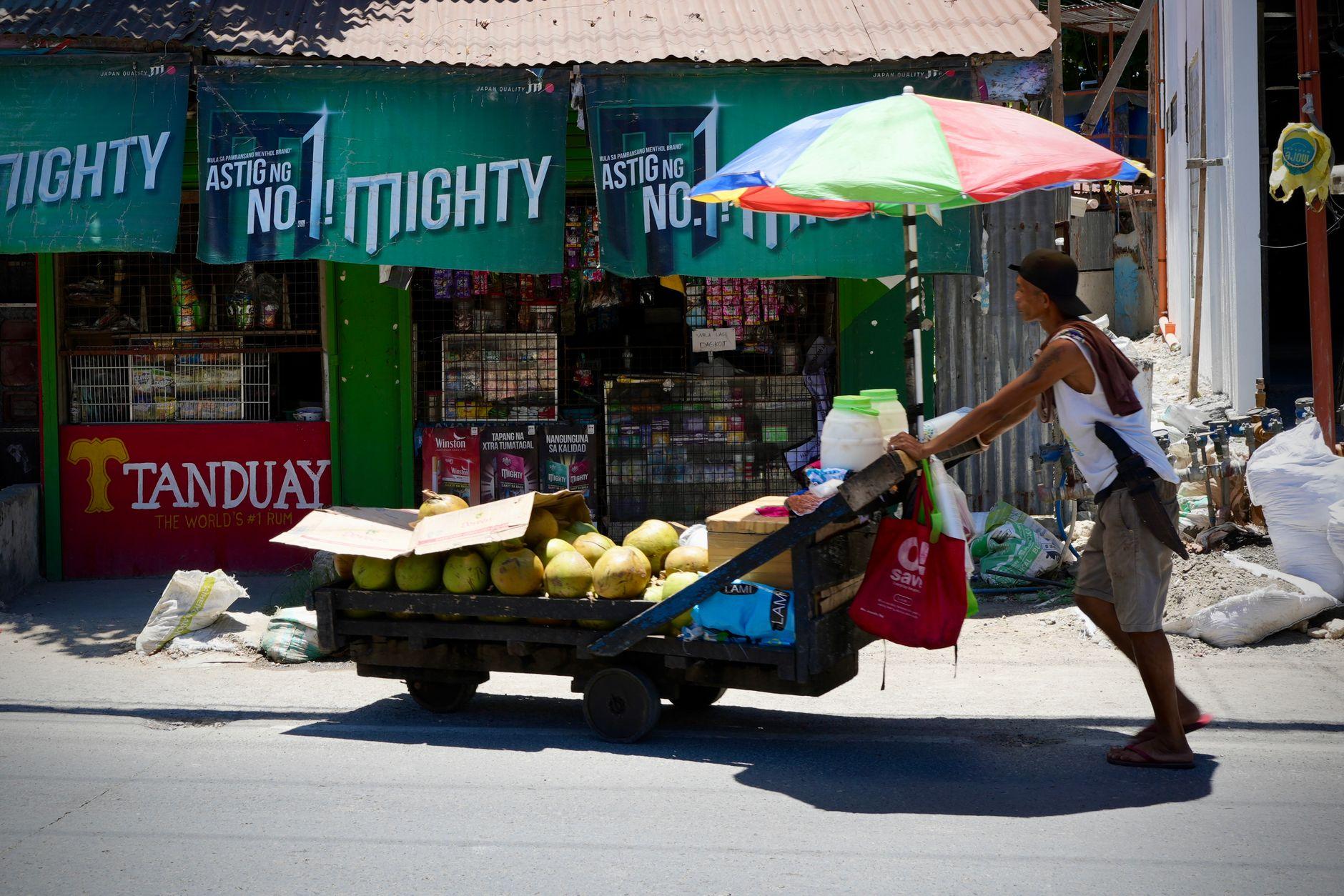
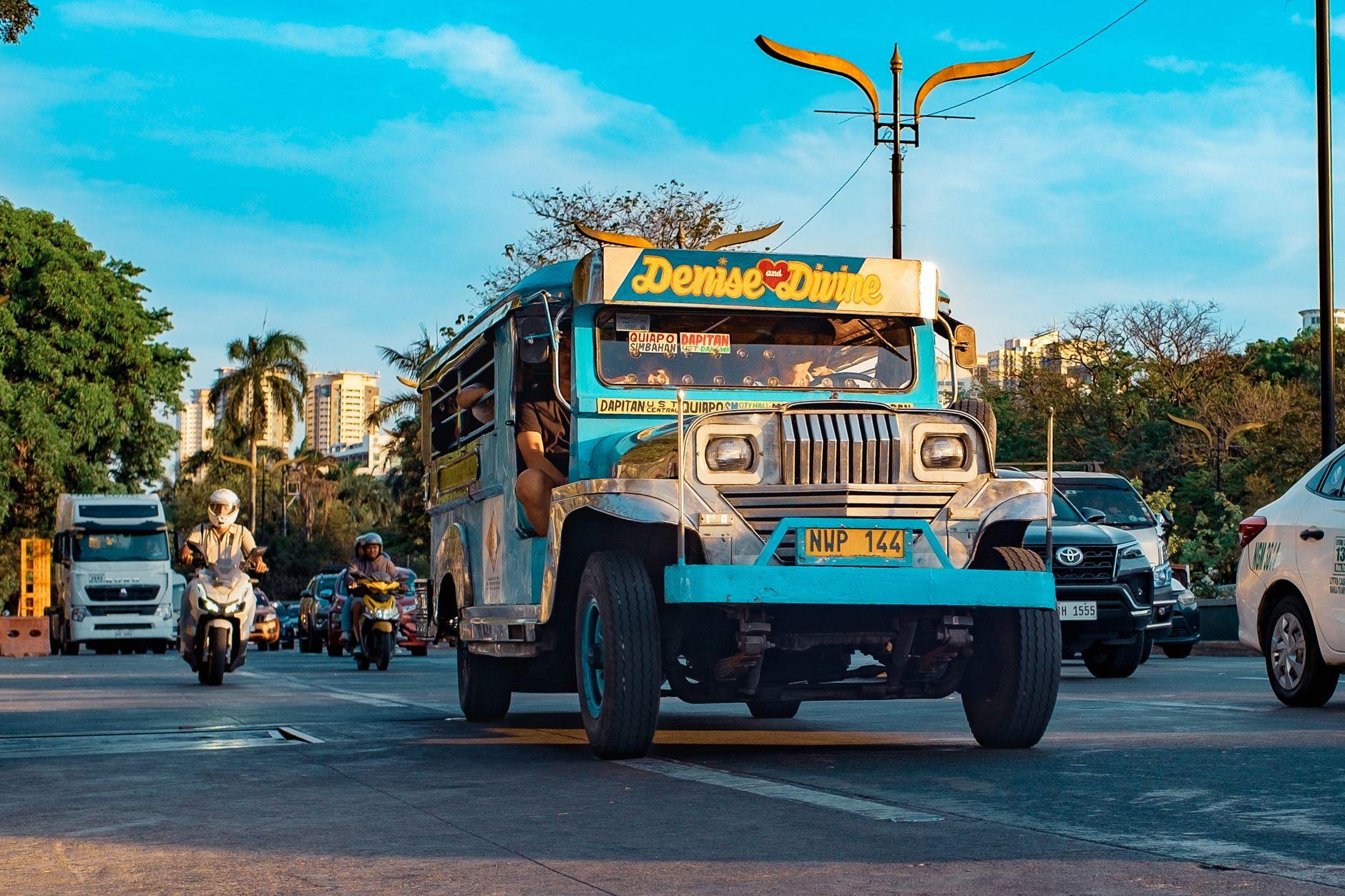
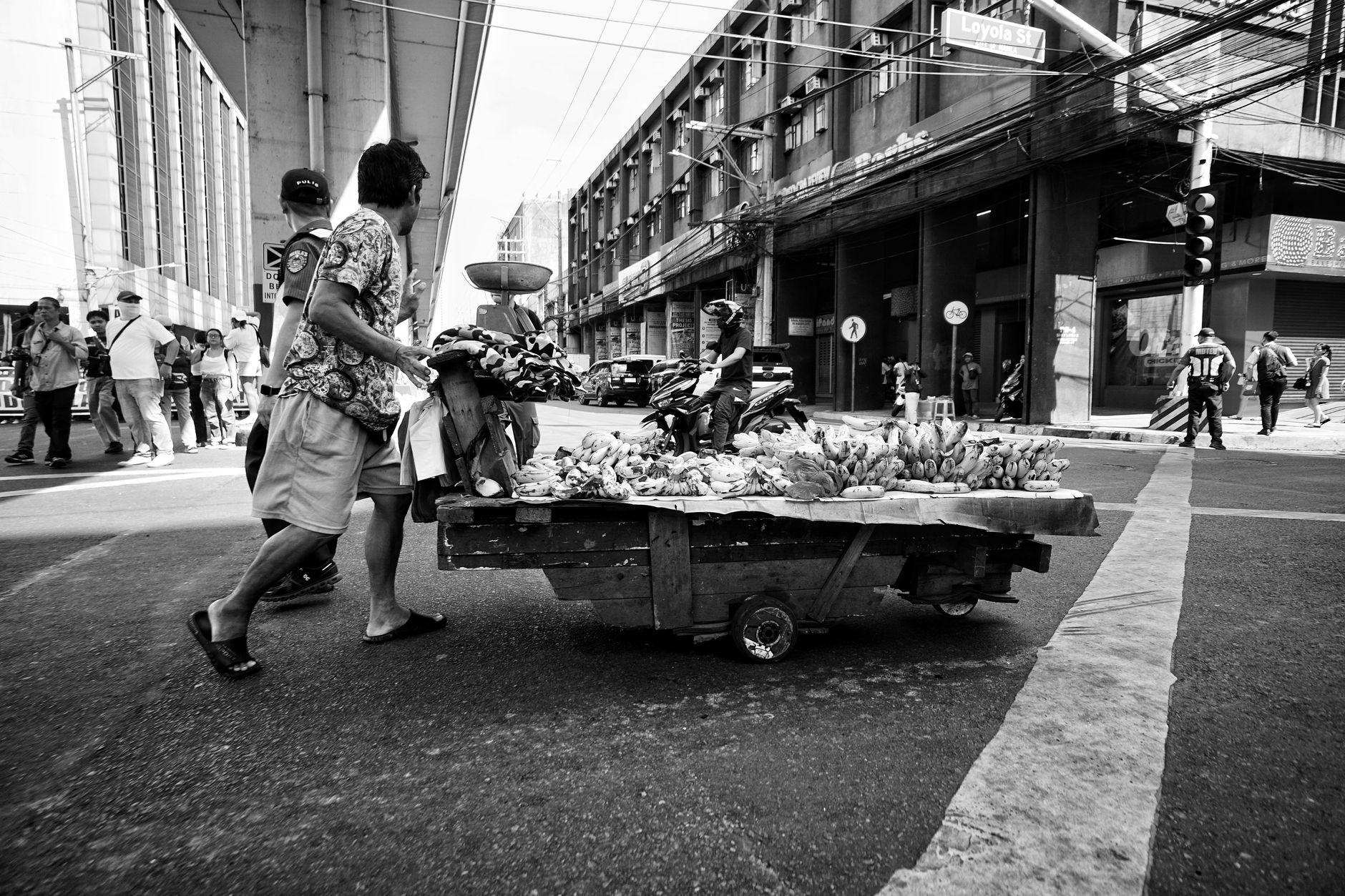
Cash still runs most of the country outside the big cities. Sari-sari stores, jeepneys, tricycles, palengke market stalls, the woman selling buko by the road in Bohol. If you spend serious time in the provinces, pesos in your pocket are non-negotiable.
Pros: Universally accepted, no technology required, and small vendors genuinely prefer it. Nobody in a fishing village is going to ask for your card.
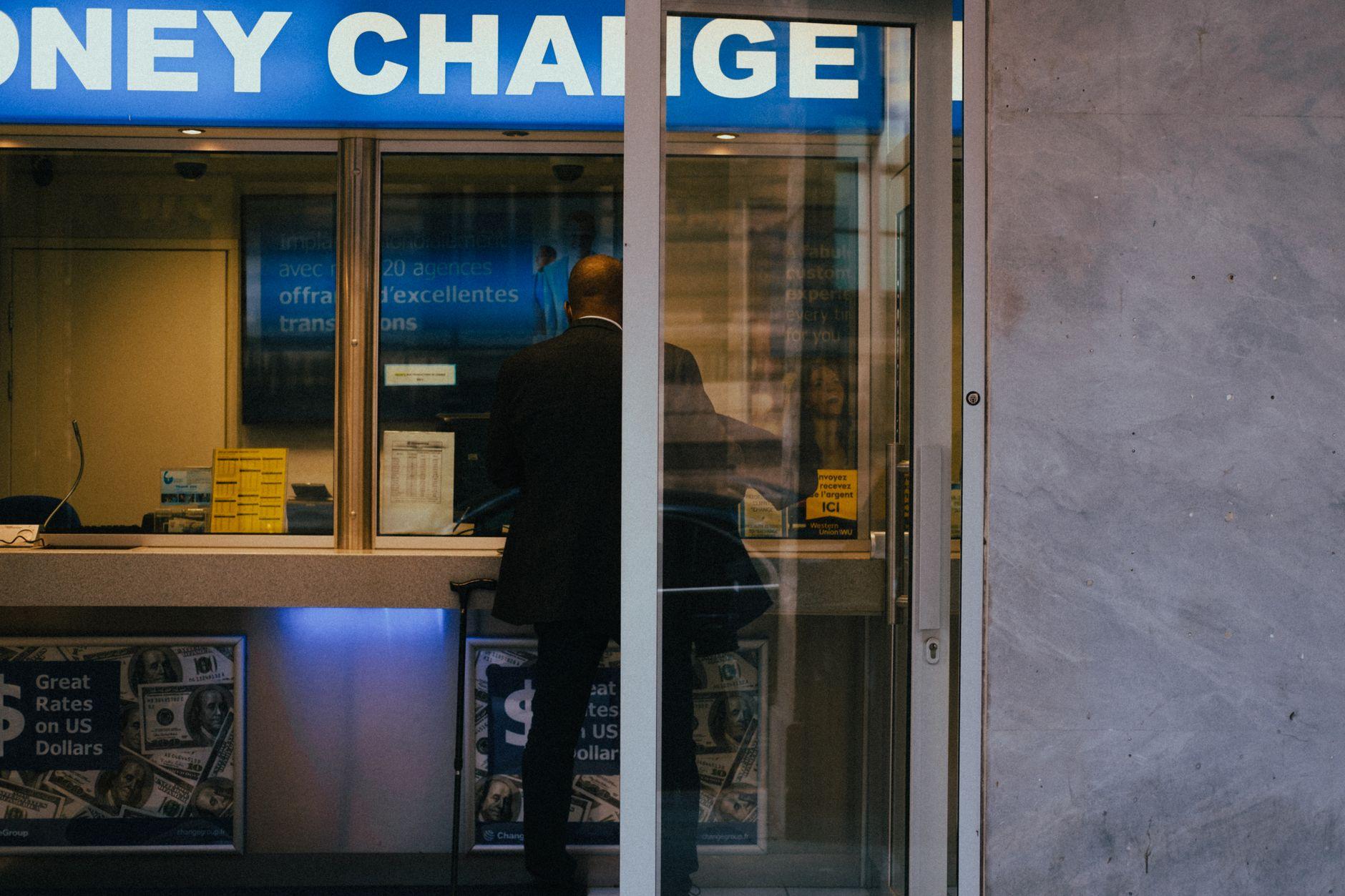
Cons: Getting cash is the problem. ATMs charge foreign cards per withdrawal, machines cap how much you can pull, and on smaller islands they run out of money or go offline during brownouts. Island hopping between El Nido and Coron, you can go days without seeing a working machine. Nomads end up doing “ATM runs” in the last big town before a ferry, carrying more cash than they are comfortable with, then obsessing over change because nobody can break a 1,000 peso note anyway.
Verdict: Essential, but as a backup layer, not a strategy. Relying on cash alone means your trip is structured around ATM locations, which is a strange way to plan an island itinerary.
Option Two: Your Foreign Card, the Part-Time Player
Visa and Mastercard work fine in the places built for foreigners: malls, hotel chains, big-city restaurants, SM and Ayala supermarkets. That coverage feels reassuring until you leave it.
Pros: Zero setup. Great for large, predictable expenses like a hotel bill or a mall grocery haul.
Cons: The card machine simply does not exist in most of the places nomads actually spend money. Your favorite carinderia, the laundry shop, the coconut vendor, the surf instructor in General Luna, none of them take cards. Add foreign transaction fees, occasional dynamic currency conversion tricks at terminals, and minimum-spend rules at smaller shops, and the card ends up handling maybe a third of your real life.
Verdict: Keep it for hotels and emergencies. It is not an everyday tool here.
Option Three: GCash and Maya, the Locals’ Answer You Mostly Can’t Use
Here is where the Philippines gets interesting. The country leapfrogged card terminals and went straight to phones. GCash and Maya are everywhere, and behind them sits QR Ph, the national QR standard that lets one printed code accept payments across wallets and banks. Coffee shops, pharmacies, even some market vendors now tape a QR Ph code to the counter. Locals pay each other, pay bills, and buy fishballs with it.
Pros: If you can get in, it is genuinely excellent. Instant, accepted at a huge range of merchants, and increasingly the default in cities.
Cons: Getting in is the catch. Full verification typically wants a Philippine SIM and locally recognized ID, and even nomads who clear those hurdles then face the question of funding the wallet from a foreign bank, which is its own headache. We covered the workarounds and dead ends in detail in our breakdown of why GCash locks foreigners out, and the short version is: for a visitor on a tourist stamp, it is usually more trouble than it is worth.
Verdict: The right rails, the wrong onboarding. Watching a local settle a 60 peso bill in two seconds while you count coins is the defining nomad frustration in the Philippines.
Option Four: Riding QR Ph Without the Paperwork
This is the gap Moreta Pay was built for. Those QR Ph codes taped to counters are standard codes, and Moreta Pay reads them the same way GCash does. You top up the wallet from your home bank (US via Plaid or ACH, SEPA in Europe, UK Faster Payments, Canadian e-Transfer) or a card, in your own currency. At the counter you scan the merchant’s code, see the amount, the merchant name, and the exact FX rate before anything moves, then confirm. The merchant gets paid in pesos instantly.
Pros: No Philippine SIM, no local ID, no local bank account. Works at any merchant showing a QR Ph code, plus QR-based checkout on platforms nomads live on, like Agoda, Trip.com, Lazada, and Shopee. No hidden foreign transaction fees, and the rate is on screen before you commit rather than discovered on a statement.
Cons: Honest ones. It only works where QR codes exist, so it will not pay a jeepney driver or a beach vendor with no signage. You still need cash for that layer of the country, and you still need a phone with battery and signal.
Verdict: The missing middle. It covers the fast-growing QR layer that cards can’t reach and that GCash won’t let you into.
The Same Day, Scored Four Ways
Picture a normal Tuesday in Cebu City. Flat white at a specialty cafe: QR Ph sticker, so Moreta Pay or a local wallet wins, card maybe, cash awkwardly. Coworking day pass: QR or card. Lunch at a carinderia: cash or, increasingly, a QR code by the register. Grab home: in-app card works. Evening lechon run at the market: cash, full stop. Booking Friday’s ferry on a travel platform: QR checkout or card.
Score it and the pattern is clear. Cash covers the informal bottom layer. The foreign card covers the formal top layer. QR Ph covers the huge, growing middle, and the only realistic way for a visitor to reach it is a wallet that does not demand local residency. It is the same conclusion we reached comparing options in Thailand, where PromptPay plays the same role: the national QR standard is where daily life actually happens.
What to Land With
A workable setup for the Philippines in 2026 looks like this: a modest cash float you top up before ferries and provincial trips, your regular card for hotels and big shops, and Moreta Pay loaded from your home bank for everything with a QR Ph code on it. That combination means fewer ATM pilgrimages, no anxiety about carrying a wad of pesos through three islands, and no watching locals breeze through payments you can’t make.
Skip the SIM-card-and-ID obstacle course and start scanning the same codes Filipinos use. Set up Moreta Pay before your flight and land ready to pay like a local.