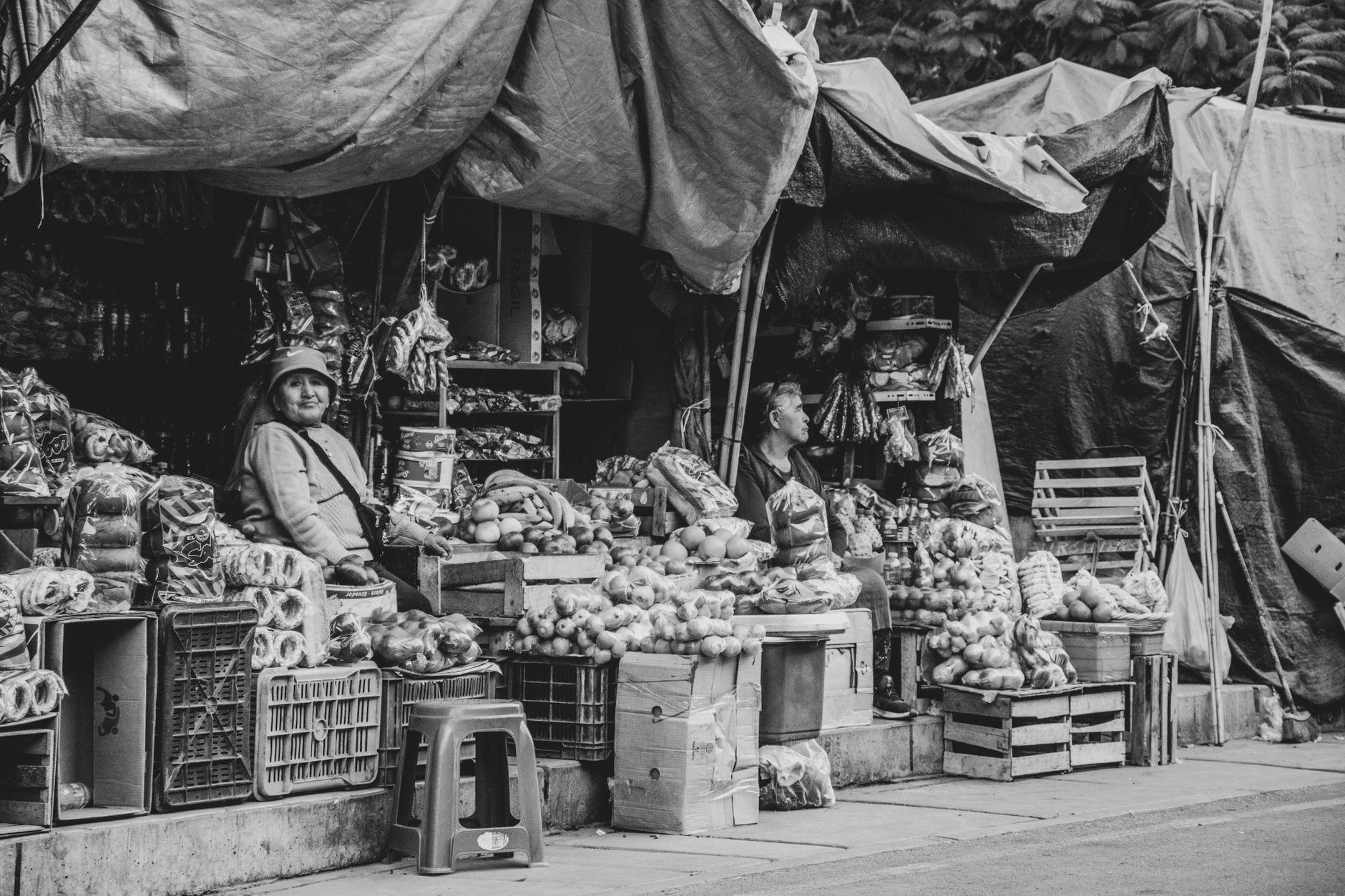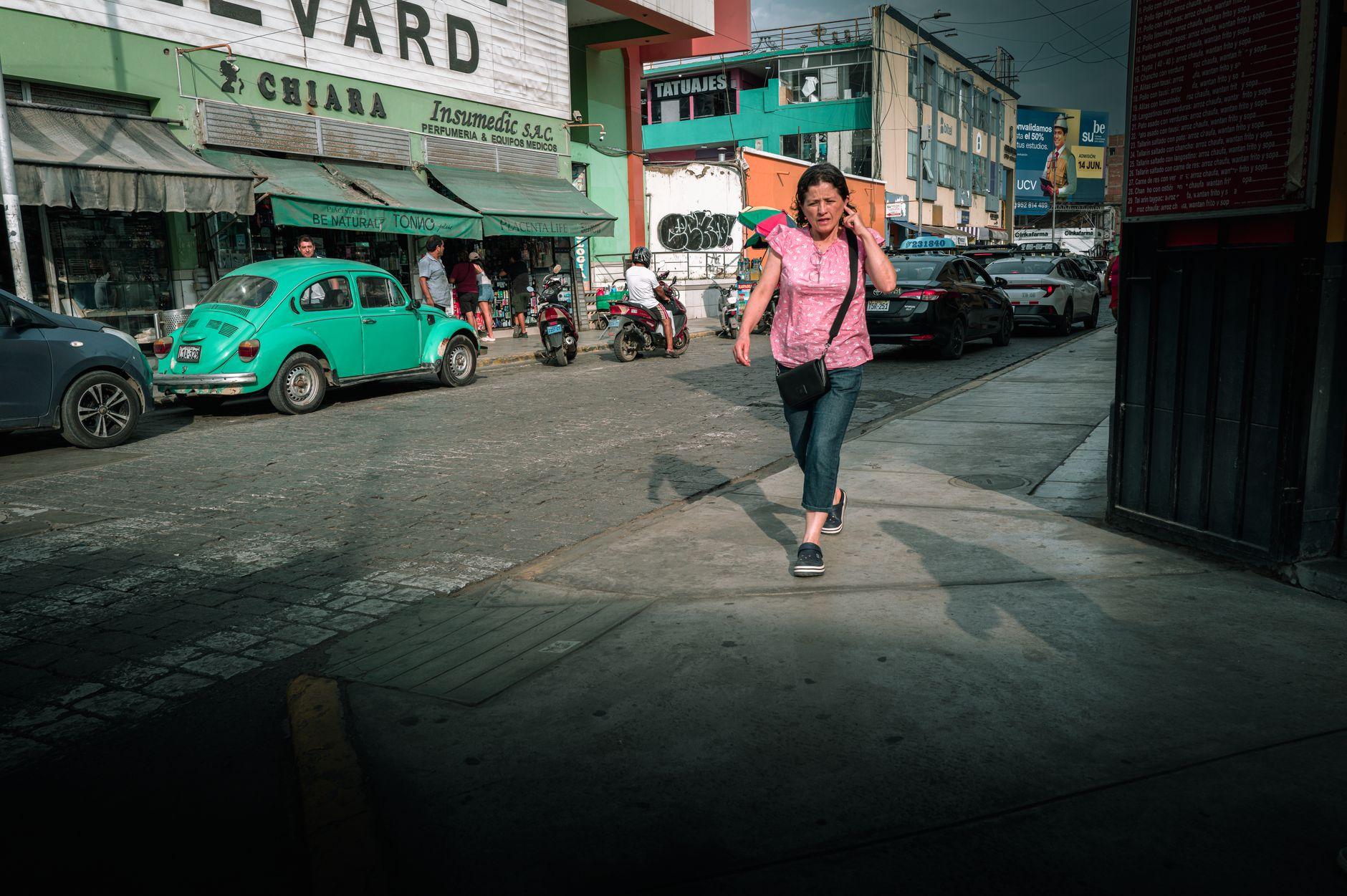

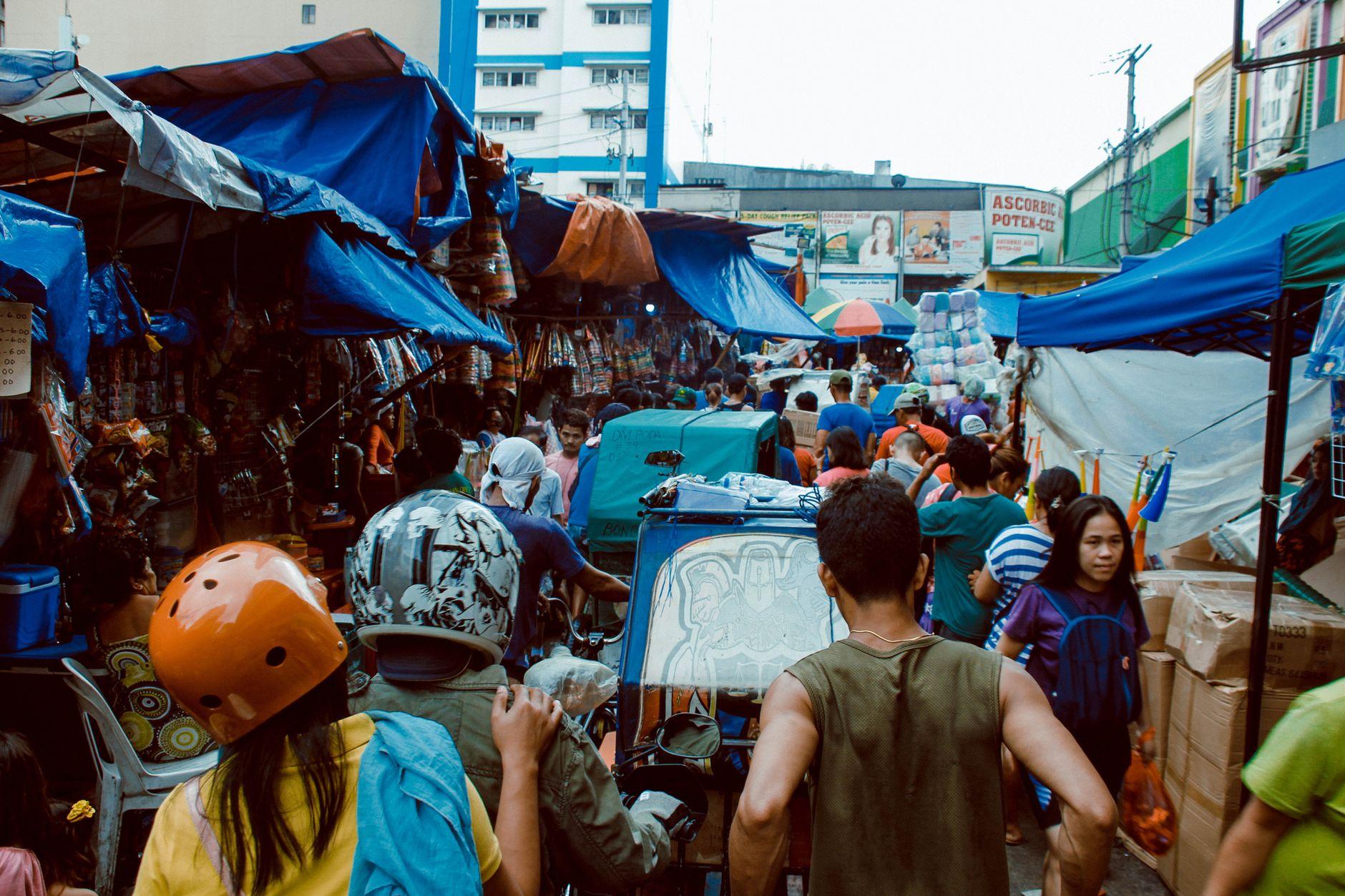
Salcedo Saturday Market, Makati, a little after nine in the morning. The woman ahead of you orders two lumpia and a calamansi juice, holds her phone over a laminated card taped to the stall’s cash box, and walks off before the vendor has even looked up. No coins, no “do you have smaller bills,” nothing. You step up, order the same thing, and hand over a 1,000 peso note. The vendor sighs, digs through a biscuit tin for change, and asks the stall next door to break a five hundred. You have just experienced the two Philippines that exist at every counter in the country: the one that scans, and the one that counts.
The good news is that the scanning half is far more open to visitors than most people assume. You just have to come in through the right door.
One blue-and-white square runs the whole show
That laminated card at the lumpia stall almost certainly said QR Ph on it. QR Ph is the Philippines’ national QR standard, and it works a lot like PromptPay does in Thailand: one shared code format that every participating bank and wallet can read. The sari-sari store, the Grab driver with a code zip-tied to his headrest, the milk tea shop in Ayala Malls, the pension house in Siargao that emails you a QR for the balance, they can all display a single sticker and get paid by anyone on the network.
For locals, the apps sitting on top of that standard are overwhelmingly GCash and Maya. You will hear “G-Cash po?” asked at counters the way other countries ask “cash or card?” Filipinos pay for jeepney-adjacent tricycle rides, electric bills, online shopping, and street food with these wallets, and merchants often visibly prefer them because it means no change to make and no cash drawer to guard.
Here’s where visitors hit the wall
So the obvious move is to download GCash or Maya at the airport, right? This is where most travelers stall out. Both apps are built for residents. Registration typically wants a Philippine mobile number, which means buying and registering a local SIM first, and full verification leans on local IDs that a tourist simply does not have. Some people get partway through with a passport, then hit a verification tier that blocks the thing they actually wanted to do. Others succeed after an afternoon of selfies and document uploads, only to discover the next problem: funding the wallet from a foreign bank or card is its own headache.
The result is a strange split. The payment rail itself, QR Ph, is standardized, modern, and everywhere in the cities. But the front doors locals use to reach it are effectively closed to someone who landed on a three-week visa.
Skip the local sign-up, keep the local QR
This is exactly the gap Moreta Pay exists to fill. You set it up before you fly, using your own bank at home (US banks via Plaid or ACH, SEPA in Europe, UK Faster Payments, Canadian e-Transfer) or an international card, and you top up a wallet in your own currency. In the Philippines, you then scan the same QR Ph codes everyone else scans. The app shows you the merchant name, the amount in pesos, and the exchange rate before you confirm, converts from your wallet, and the vendor gets paid instantly, the same as if you were on GCash. No local SIM, no Philippine ID, and no branch visit.
From the vendor’s side, nothing changes. They see a payment land. That matters more than it sounds, because plenty of small merchants here have never been asked to accept anything unusual, and the moment a transaction looks unfamiliar, the answer defaults to “cash na lang po.” Scanning their own sticker keeps everything on rails they already trust.
Now for the honest part: the provinces still run on paper
Metro Manila and Cebu City will happily let you live QR-first. Coron, Port Barton, a Batanes homestay, or the habal-habal driver taking you up a mountain in Bohol are a different story. Cash is still king across large stretches of the provinces, and you should plan for it rather than fight it.
The island-hopping factor makes this sharper than in most countries. The Philippines is 7,000-plus islands, and ATMs cluster where banks think it is worth putting them, which is not El Nido’s northern beaches or a small barangay on Camiguin. Machines run out of cash on weekends and holidays, and the nearest refill might be a boat ride away. Travelers who breeze through Manila without touching a bill sometimes get caught flat-footed a week later, standing at the only ATM in town, staring at an “offline” screen.
The practical rule: withdraw in the cities, spend QR wherever you see the sticker, and treat your cash as the reserve for the places the sticker has not reached yet. Every peso you pay by scan is a peso of that reserve you did not burn, which means fewer trips to scarce machines. We went deeper on the cash-versus-digital picture in our earlier piece on Philippine money myths, if you want the fuller argument.
Where the QR quietly saves you the most
A few situations where scanning beats everything else in the Philippines:
- Markets and carinderias. Small-ticket food purchases are exactly where change-making friction is worst. Vendors love not hunting for coins.
- Accommodation balances. Guesthouses and dive shops that do not take cards will often send or show a QR for the remaining balance, which beats carrying a wad of pesos on an island transfer.
- Online bookings. QR-based checkout works on platforms Filipinos use daily, and Moreta Pay covers those flows too, including Shopee, Lazada, Agoda, and Trip.com, handy when you are booking a ferry or a last-minute room from your phone.
- Anything where you would rather not flash cash. Paying by scan in a crowded night market means your wallet never comes out at all.
A simple setup for your first 48 hours
Land in Manila or Cebu with your Moreta Pay wallet already topped up from home. Make one ATM withdrawal in the city for your provincial cash reserve, ideally at a bank branch machine during opening hours in case a card gets eaten. Then start scanning: coffee, meals, Grab-adjacent rides, mall purchases. You will quickly develop an eye for the QR Ph sticker, and once you do, you will realize how much of your Philippines spending never needed a banknote in the first place. When the boat drops you somewhere the stickers have not arrived, your untouched cash pile is ready.
The Philippines built one of the more elegant national QR systems in Asia, then accidentally locked visitors out of the apps that use it. You do not have to accept that. Set up Moreta Pay before your flight and walk up to that Salcedo market stall like you have lived in Makati for years.