
Here is a situation that plays out every week somewhere between Manila and Siargao. A traveler lands at NAIA, pulls a stack of pesos from the first airport ATM, pays the fee, shrugs, and figures they will sort the rest out later. Ten days later they are on a bangka between islands in Palawan, down to their last few hundred pesos, and the nearest working ATM is a boat ride and a tricycle away. It may or may not have cash in it when they arrive.
The Philippines is a country of more than seven thousand islands, and the money logistics reflect that. So instead of pretending there is one obvious answer to how to pay in the Philippines, let us weigh the real options a visitor actually has in 2026, honestly, and see where each one breaks down.
Option one: run everything on ATM cash
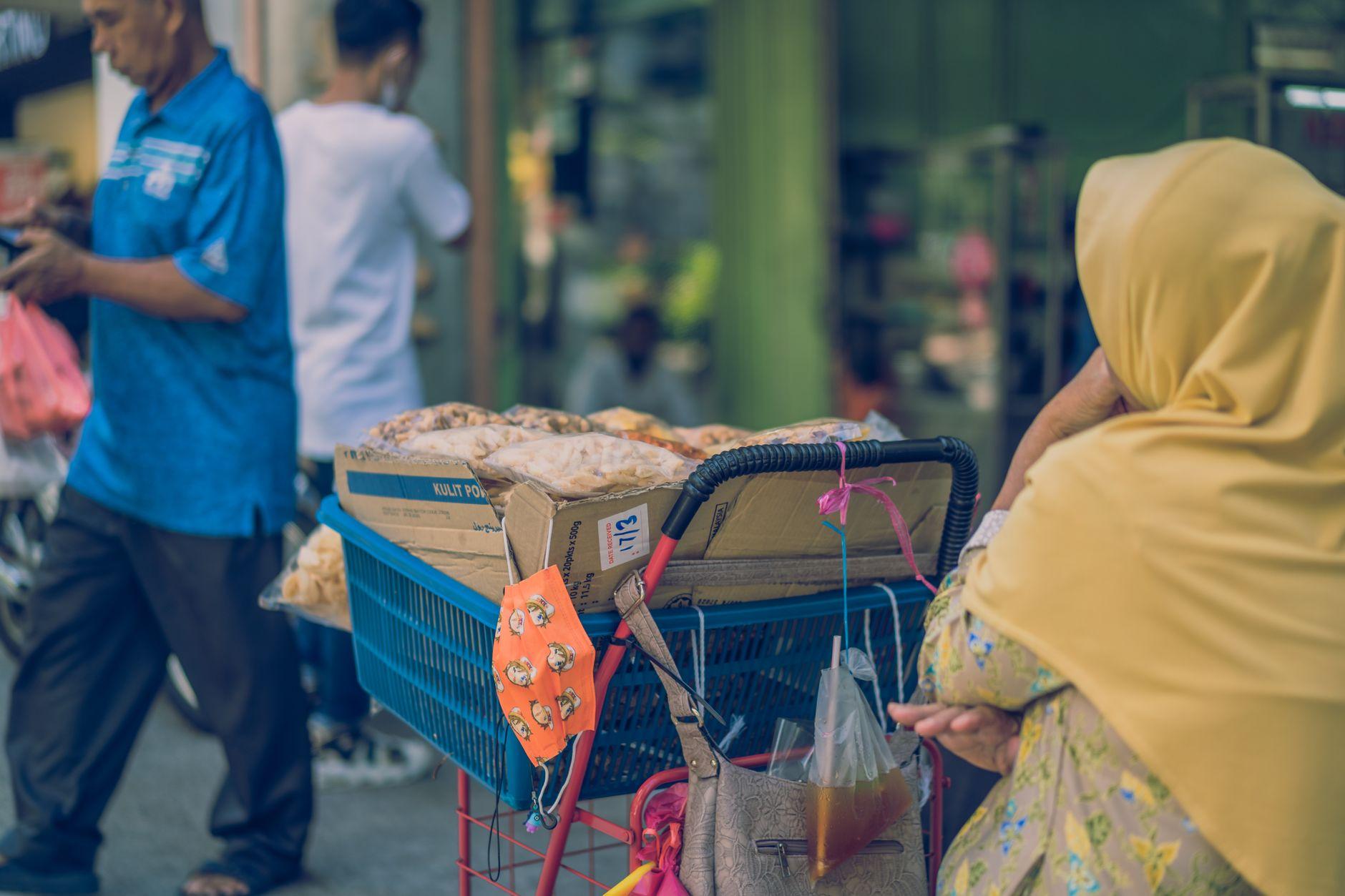
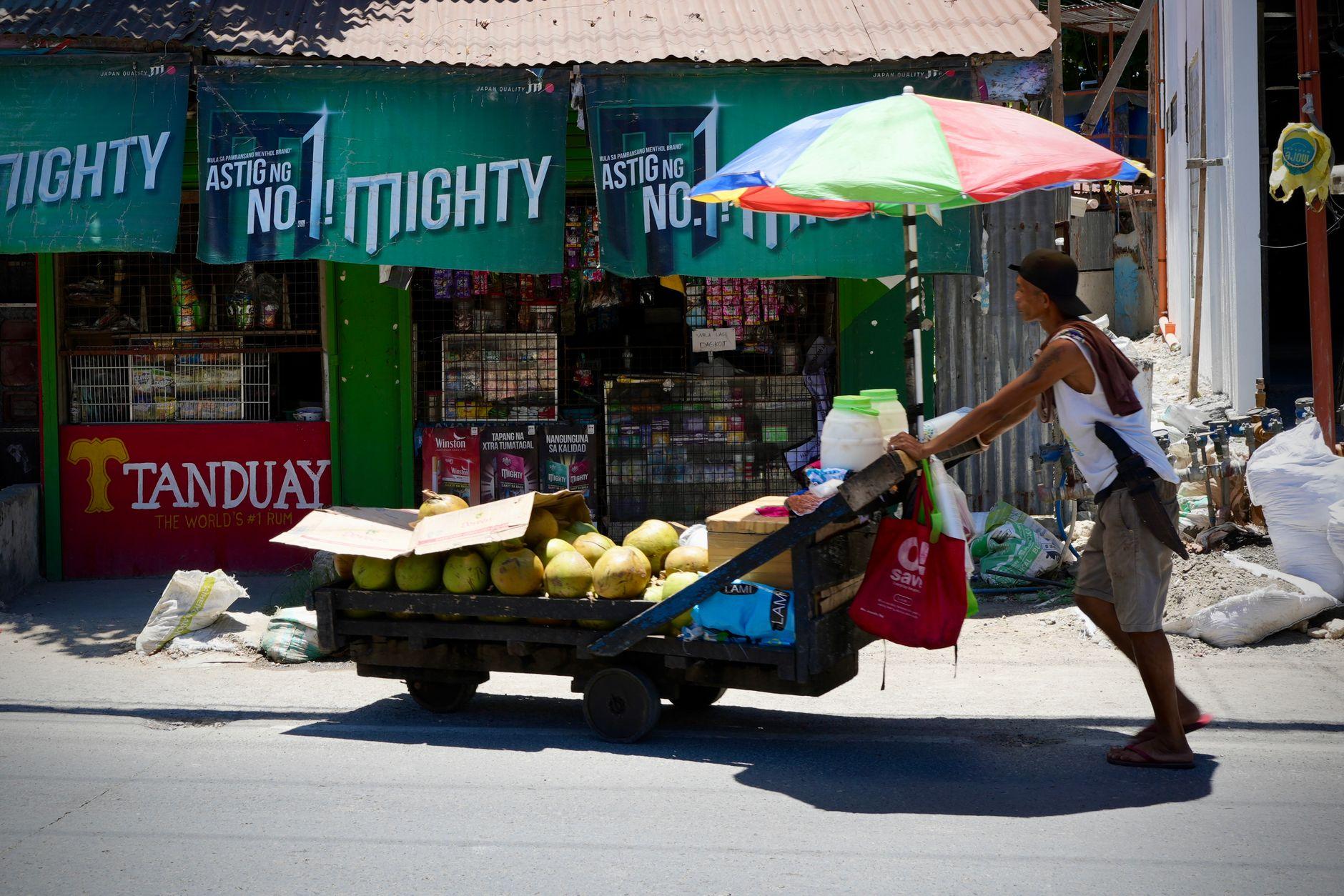
Cash is still king in the provinces, and nobody should land in the Philippines planning to carry zero pesos. Jeepneys, tricycles, sari-sari stores, small carinderias, boat crews who help with your bags: these run on small bills and coins, full stop. We have written before about why micro-fares across the region stay cash-only, and the Philippines is the clearest example of it.
The problem is not cash itself. The problem is how foreigners get it. Philippine ATMs typically add their own per-withdrawal charge for foreign cards on top of whatever your home bank takes, and withdrawal limits per transaction tend to be modest, which means the fees repeat more often than you would like. Many machines also offer dynamic currency conversion, the screen that helpfully asks if you would like to be charged in your home currency. Saying yes hands the conversion to the ATM operator at a rate chosen by them. Always decline and let the conversion happen in pesos.
Then there is the island factor. In El Nido, Port Barton, Siquijor, or the smaller stops on a Siargao loop, ATMs are scarce, sometimes offline, and sometimes empty after a long weekend. Running your whole trip on ATM cash means planning your itinerary partly around machines. That is a real cost, even if it never shows up on a statement.
Option two: tap your foreign card and hope
In BGC, Makati, big malls, and chain restaurants, your Visa or Mastercard works fine. Step outside that bubble and acceptance thins out fast. The beachfront grill in Coron, the dive shop that gives you the good price, the homestay in Bohol: many simply do not take cards, and some that technically do will quote a surcharge or claim the terminal is broken.
Even where cards work, you inherit whatever foreign transaction fee your issuer charges, and you face the same dynamic currency conversion trap at the terminal. A card is worth carrying as a backup and for hotels, but as a primary strategy in the Philippines it leaves you stranded exactly where trips get interesting.
Option three: become a GCash or Maya user
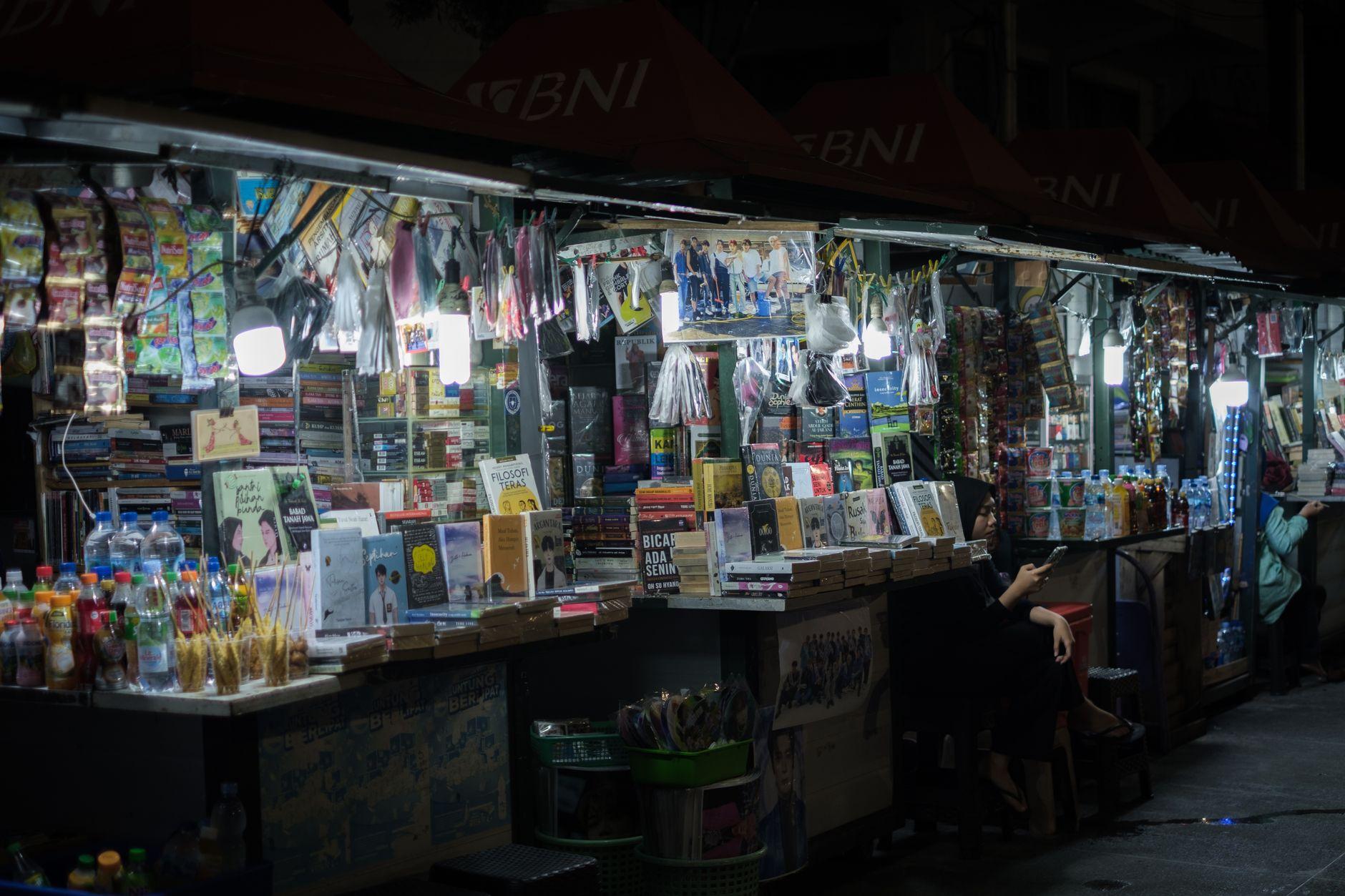
Locals barely touch cash in the cities anymore because of GCash and Maya. These two wallets are everywhere: the coffee kiosk, the pharmacy, the night market stall, all displaying QR codes under the national QR Ph standard, which lets any participating wallet scan any participating merchant's code.
If you could just download GCash and go, this article would end here. But signup realistically requires a Philippine mobile number and local-friendly ID verification, and foreigners regularly get stuck partway through. For a long-term expat with an ACR card and a local SIM, it is worth the effort, and plenty of expats do exactly that. For a traveler on a two or three week trip, burning your first day in the country wrestling with SIM registration and KYC screenshots is a poor trade, and there is no guarantee you come out the other side verified.
Option four: scan QR Ph with a wallet from home
This is where the picture has changed. Because QR Ph is a national standard rather than a closed system, the code taped to the counter is not really a GCash code or a Maya code. It is a QR Ph code that those apps happen to read. Moreta Pay reads the same codes. You top up the wallet from your own bank at home (US bank via Plaid or ACH, SEPA in Europe, UK Faster Payments, Canadian e-Transfer) or an international card, in your own currency, before or during the trip. At the counter you scan the merchant's existing QR Ph code, see the amount, the merchant name, and the exact exchange rate on screen, then confirm. The merchant gets paid in pesos instantly, through the same rails they already use with local customers.
The honest cons: it does nothing for the jeepney driver or the tricycle to the pier, because those are cash, and it only helps where a QR code exists, which in remote barangays it may not. The pros: no local SIM, no local ID, no local bank account, no foreign transaction fee buried in your statement, and the rate is shown before you tap confirm rather than discovered later. It also covers the online side of a Philippines trip, since QR-based checkout works on platforms like Shopee, Lazada, Trip.com, and Agoda, which matters when you are booking ferries and island stays on the fly.
So what does a smart Philippines setup look like?
Not one option. Two, in a specific ratio.
- A small cash float, replenished rarely. Withdraw in fewer, larger amounts to cut down the number of times you pay ATM fees, always decline the home-currency conversion offer, and reserve the pesos for transport, tips, and the truly cash-only corners of provincial life.
- QR for everything with a code. Restaurants, cafes, groceries, pharmacies, tour operators, market stalls in cities and tourist towns. Every purchase that moves from cash to a QR Ph scan through Moreta Pay is a purchase that never touched an ATM fee or a mystery exchange rate, and it stretches your cash float further between machines.
- The foreign card stays in the bag. Hotels, car rentals, emergencies. Nothing else.
The ratio shifts with geography. In Manila and Cebu you can run almost entirely on QR. On a Palawan island-hopping stretch, the balance tilts toward cash, which is precisely why you want the QR option carrying the load everywhere it can, so the cash lasts until the next reliable ATM. If your trip strings together several countries, it helps that the same wallet balance works across borders; one traveler we heard from used the same setup across four countries without juggling four different apps.
Before you board the flight
Set the wallet up at home, while your bank connection and a familiar WiFi network are both easy. Top up enough for your first few days, keep the card linked for mid-trip reloads, and plan your first ATM stop for a bank branch machine in the city rather than the airport. Then go find out how little of your Philippines trip actually needs paper pesos. You can get Moreta Pay ready before departure and land already able to scan the first QR Ph code you see.