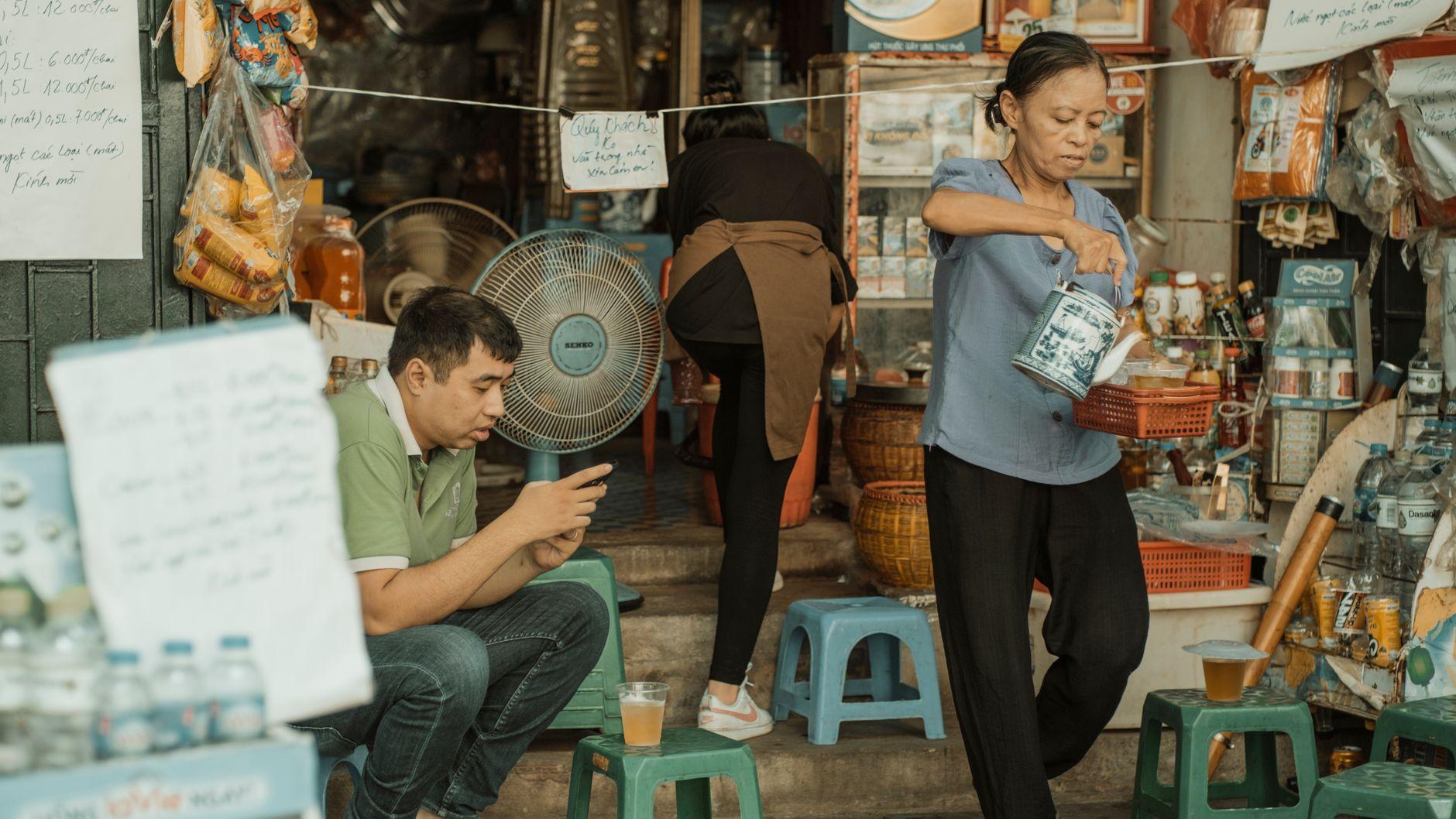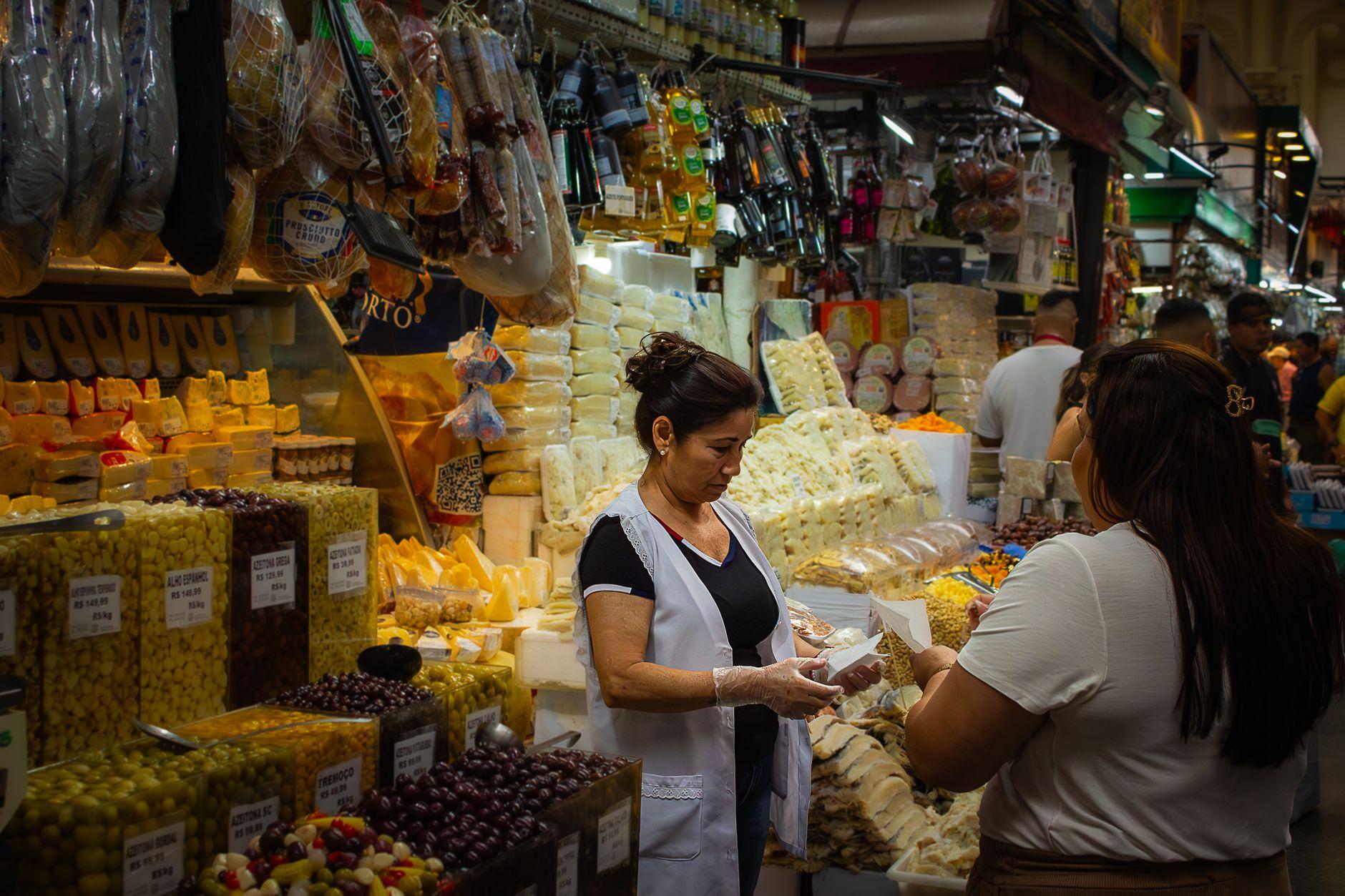

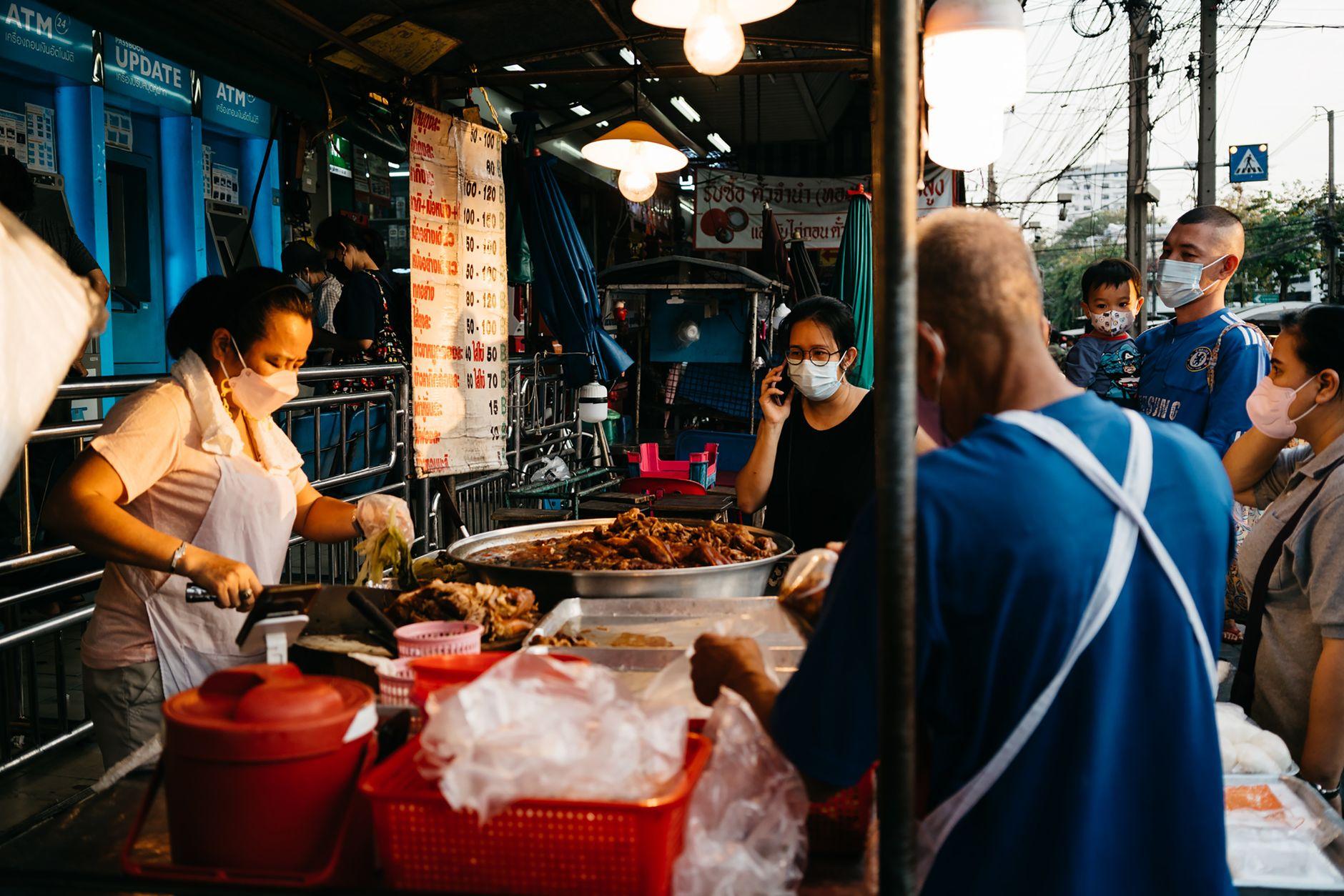
Most first-time visitors to Thailand plan their money around ATMs. Land, withdraw a fat stack of baht, repeat every few days. Then the machine shows its fee screen, the airport exchange counter shows its rate, and the math starts to hurt. The good news: Thailand has quietly become one of the easiest countries in the world to pay without cash, as long as you know how locals actually do it. Here are the questions travelers ask most, answered straight.
Why are Thai ATM fees for foreign cards so high?
Thai banks charge a flat access fee on withdrawals made with foreign cards, commonly 220 THB per withdrawal, and it applies no matter which bank's machine you use. It is charged by the Thai ATM operator, so it stacks on top of whatever your home bank charges for international withdrawals, plus whatever currency conversion markup your card applies. Three separate layers of cost on a single stack of cash. Pull money out twice a week for a month and you have paid a meaningful chunk of a nice dinner in fees alone, before you have bought anything.
Can I avoid the fee by withdrawing a huge amount at once?
You can reduce the per-baht cost, yes. But then you are walking around Bangkok or Chiang Mai with a thick wallet, splitting it between your room safe and your pocket, and converting leftover baht back at a bad rate on your way out. The flat fee pushes you toward big withdrawals, and big withdrawals create their own problems. The better question is whether you need the ATM at all.
Why can't I just pay with my credit card everywhere?
Because much of daily Thailand does not take cards. Hotels, malls, and chain restaurants usually do. But the places where you actually spend most days, the noodle stall, the fruit cart, the laundry shop, the motorbike taxi, the small guesthouse, the massage place on the soi, are very often cash-or-QR only. Many smaller merchants that technically have a card terminal will still wave off a foreign card, because fees and chargebacks make it not worth their trouble for a 60 baht plate of pad kra pao. Taxis in particular tend to be strictly cash or QR.
What is this QR code at every stall in Thailand?
That is PromptPay, Thailand's national QR payment system. It is run through the Thai banking network and it is everywhere, and that word is barely an exaggeration. Street food vendors tape a laminated PromptPay QR to their cart. 7-Eleven accepts it at every register. Market stalls, pharmacies, coffee shops, taxi drivers with the code stuck to the dashboard. Thais scan it dozens of times a day for amounts as small as a bottle of water. It is the real answer to how to pay in Thailand, and it is why locals almost never carry much cash anymore.
Can tourists use PromptPay without a Thai bank account?
Not directly through a Thai banking app, because those require a local account and usually local ID. This is where most travelers get stuck: they can see the QR ecosystem working all around them but cannot join it. The workaround is a wallet built for exactly this gap. With Moreta Pay you top up in your own currency from your home bank or an international card, then scan the same PromptPay QR codes everyone else uses. The app shows you the amount, the merchant name, and the exchange rate before you confirm, the wallet converts to baht, and the vendor is paid instantly. No Thai account, no cash handoff, and nothing extra for the merchant to do, which is why it works at a street cart just as well as at a mall.
Is the exchange rate on QR payments better than the ATM?
The structural difference is transparency. At an ATM, the conversion happens somewhere behind the screen, often with a dynamic currency conversion prompt designed to confuse you, plus fees layered on top. With a QR payment through Moreta Pay you see the exact rate applied to that exact purchase before you tap confirm, and there are no hidden foreign transaction fees sitting on top of it. You can judge each payment on its face instead of discovering the damage on your bank statement a week later. And because you only convert what you spend, there is no pile of leftover baht to re-exchange at the airport.
What about taxis, Grab, and getting around?
Metered taxis in Bangkok are famously cash-or-QR, and drivers increasingly prefer the QR because it saves them from making change. Scan the code on the dashboard, show the confirmation, done. Songthaews, motorbike taxis, and very small fares are the one zone where a few coins still earn their keep, a reality that holds across much of Southeast Asia, as we covered in our look at why cash still wins for micro-fares. Keep a few hundred baht in small notes for those, and let QR carry everything else.
Do I still need any cash at all in Thailand?
A little, and the point is that it is a little. Small change for micro-fares, temples with donation boxes, the rare vendor in a remote area with no signal. Instead of 20,000 baht pulled from an ATM in week one, you might change a modest amount once and barely touch it. One small exchange or withdrawal for the whole trip instead of a recurring fee every few days changes the economics entirely.
Does QR work for online bookings too, not just street stalls?
Yes, and this surprises people. Thai e-commerce and travel platforms like Lazada, Shopee, Agoda, and Trip.com commonly offer QR payment at checkout. Instead of fighting with a foreign card that gets declined by a fraud filter at midnight, you select the QR option and scan it with your wallet the same way you would at a market stall. For longer stays, the same approach covers bills in supported countries, which quietly solves a recurring expat headache.
So what does a no-ATM Thailand trip actually look like?
You land with your wallet already topped up from your home bank. Coffee at a stand near your hotel, scan. 7-Eleven water run, scan. Taxi to the old town, scan the dashboard code. Night market dinner, scan the laminated card taped to the cart. A weekend hotel booked on Agoda, paid by QR at checkout. Somewhere in week two you realize you have not stood in front of an ATM once, nobody has quoted you a sad exchange rate, and the only baht in your pocket is the small-note float you set aside on day one. That is how Thailand without cash actually works in 2026, and it is less a trick than simply paying the way the whole country already pays. If you would rather spend your trip budget on mango sticky rice than on withdrawal fees, set up Moreta Pay before your flight and scan your first PromptPay code the day you arrive.