
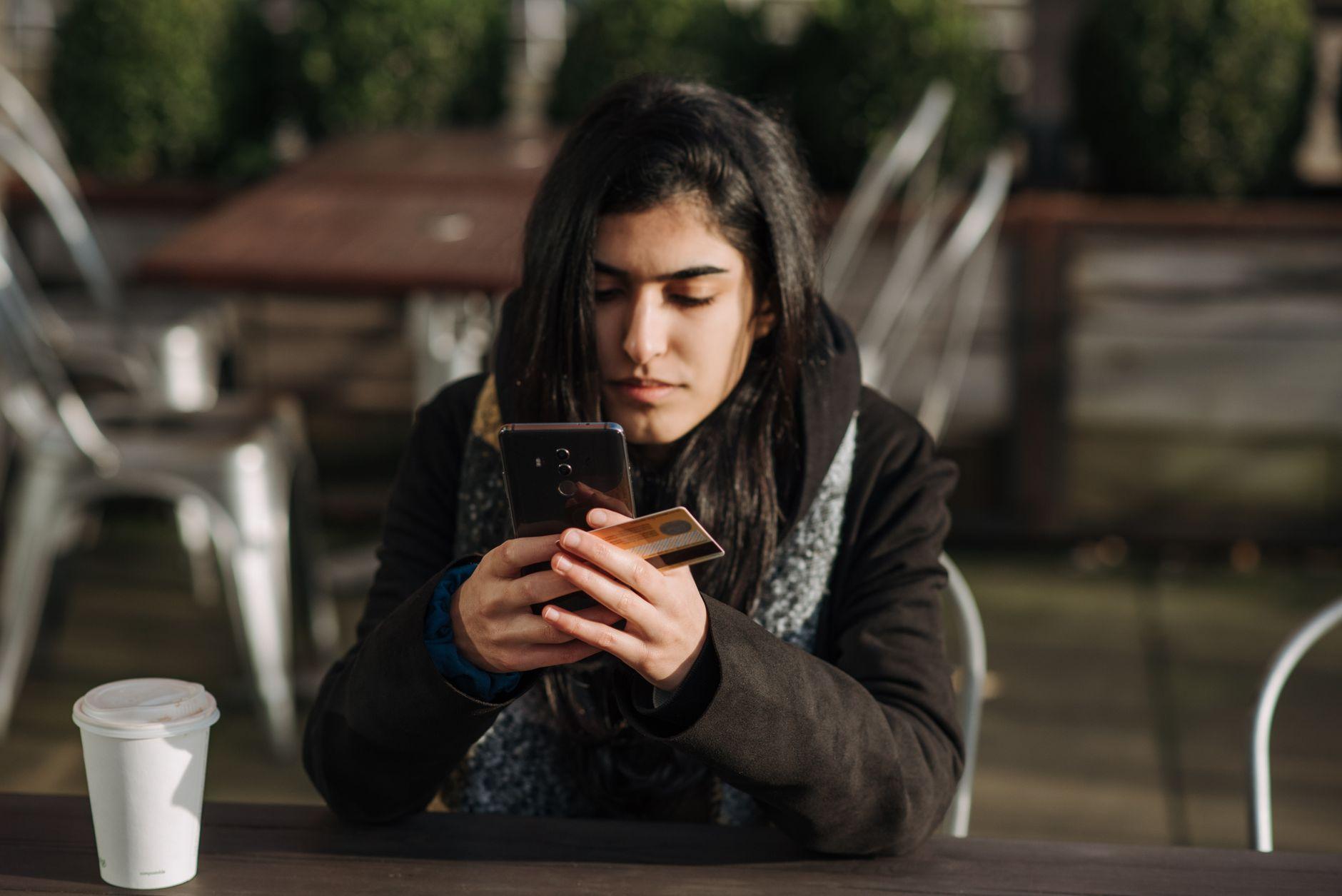
Most nomads land in Colombia with two assumptions: that it is a cash country, and that their foreign Visa will cover whatever cash does not. Both ideas are a few years out of date. Colombian cities, and Medellín in particular, have shifted hard toward phone payments, and the local card experience has its own quirks that push people toward QR codes instead. Here are the questions that actually come up in week one, answered directly.
Can I really live in Colombia without cash in 2026?
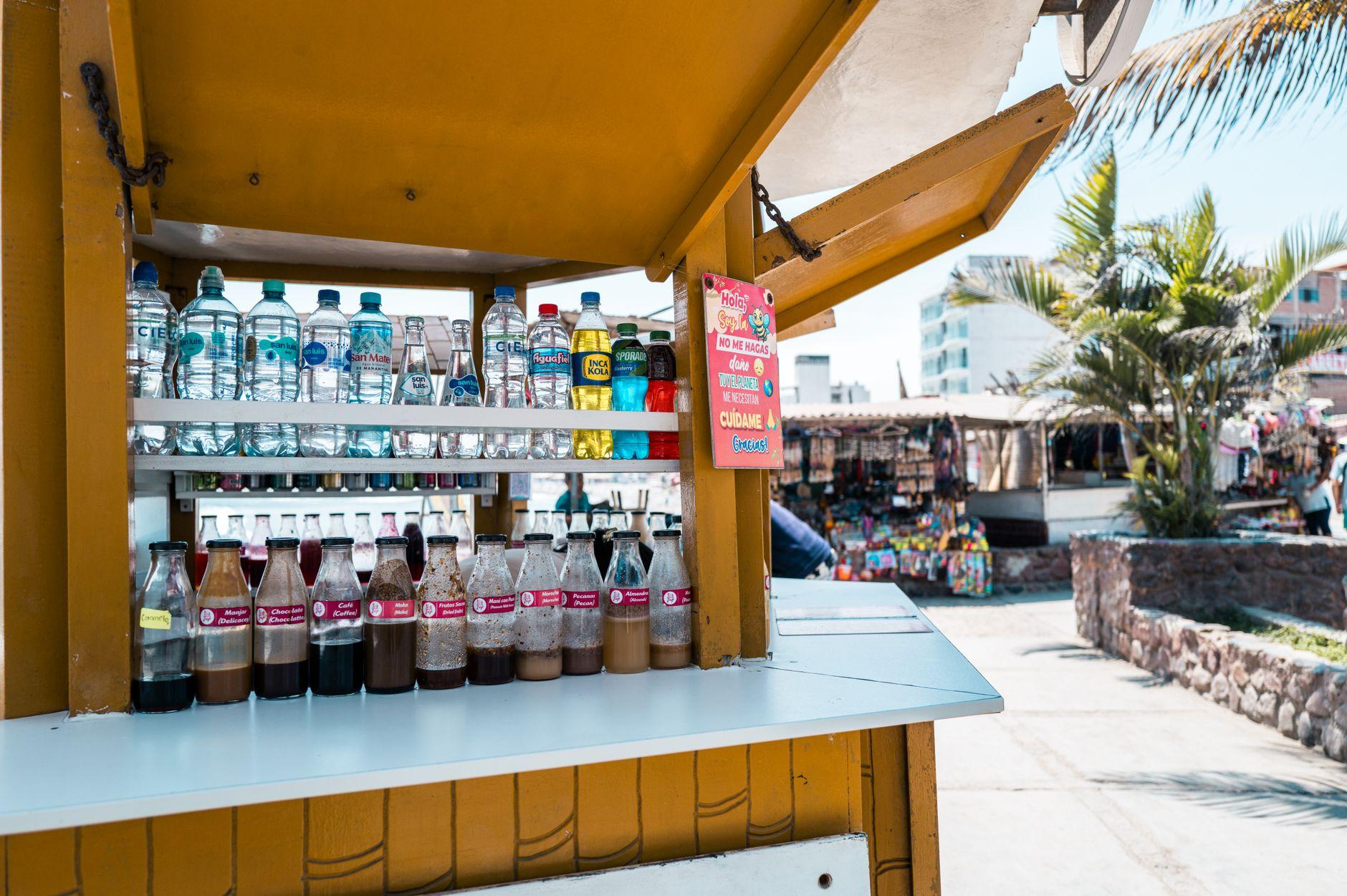
In the big cities, mostly yes. Bogotá, Medellín, and Cali are full of QR stickers from Nequi, Daviplata, and Bancolombia, taped to café counters, juice carts, barber mirrors, and corner tienda fridges. In nomad neighborhoods like El Poblado and Laureles in Medellín, or Chapinero in Bogotá, you can go days paying everything by phone. Smaller towns and rural areas are a different story, and some situations (more on those below) still want pesos. The realistic answer: you can be mostly cashless, not entirely cashless.
Why does everyone pay with their phone instead of a card?
Two reasons. First, Nequi and Daviplata made phone payments free and instant between Colombians, so even the smallest vendors adopted them. Second, card cloning is a genuine, widely discussed fear in Colombia. Locals are cautious about handing a physical card to anyone or inserting it into an unfamiliar machine, because skimming stories are common enough that everyone knows someone with one. A QR code flips the risk: the merchant never touches your card or your phone, and you confirm the exact amount yourself. That cultural preference is why a waiter may look mildly relieved when you offer to scan instead of handing over plastic.
Can a foreigner just sign up for Nequi or Daviplata?
Not easily. These apps are built around Colombian ID numbers and Colombian phone plans, and as a visitor on a tourist stamp you generally cannot complete the registration. Some long-term expats with a cédula de extranjería eventually get set up, but if you are in Colombia for one to six months, do not plan your finances around getting a local wallet. This is the same wall travelers hit with Yape and Plin next door in Peru: the local apps are excellent and completely closed to you.
So how do I pay at the places that only show a QR code?
This is where Moreta Pay earns its spot on your home screen. You top up the wallet from your own bank (US bank via Plaid or ACH, SEPA in Europe, UK Faster Payments, Canadian e-Transfer) or an international card, in your own currency. At the counter, you scan the same Nequi, Daviplata, or Bancolombia QR code the locals scan. The app shows you the amount in pesos, the FX rate, and the merchant's name before you confirm anything, then pays the merchant instantly in pesos. No Colombian bank account, no handing your card to anyone, no mental math on a hidden markup. To the arepa lady, you look like any other customer who just scanned her sticker.
What still runs on cash?
A few reliable holdouts. Street vendors in less touristy areas, some yellow taxis flagged on the street (app-booked rides are easier), buses in many cities, small-town markets, and the occasional menú del día lunch spot in a working-class barrio. Coastal destinations like parts of the Caribbean and Pacific coast lean more cash-heavy than the Andean cities. A sensible setup is a modest stash of pesos for these moments, withdrawn occasionally rather than constantly, with your phone handling the daily volume. If your itinerary includes genuinely remote places, carry more; Colombia is not as extreme as rural Bolivia, where cards fail outright, but the pattern of cities scanning while the countryside counts bills holds here too.
What about the propina question at restaurants?
Colombian restaurants ask whether to include the voluntary service charge, the propina, on your bill. Say sí and it simply becomes part of the total you pay, by QR or otherwise, so no separate cash tip is needed. If you decline it at a sit-down place with table service, locals would generally find that a bit cold unless the service was genuinely bad. For street food and tiendas, tipping is not expected at all, which keeps QR payments clean: scan, confirm, done.
Is it safe to take my phone out to pay?
Colombians have a phrase for this: no dar papaya, roughly, do not make yourself an easy target. Phone snatching exists in the big cities, so the habit is situational awareness, not avoidance. Paying by phone inside a café, at a market stall, or at any counter is completely normal and what everyone around you is doing. The behavior to skip is standing on an empty street corner at night with your phone out. In practice, QR payments are arguably safer than cards here, since you never expose card numbers to a cloning risk, and safer than cash, since you are not peeling bills from a visible wad.
Can I handle recurring stuff this way too, like coworking and gyms?
Usually yes. Coworking spaces in Medellín and Bogotá, boutique gyms, Spanish schools, and even many furnished-apartment hosts will happily show you a Bancolombia or Nequi QR code for monthly payments, because that is how their Colombian customers pay. The same scan-and-confirm flow in Moreta Pay covers a month of desk space just as easily as a cup of coffee, and the merchant name on screen lets you check you are paying the right business before you confirm a larger amount.
Does any of this work for online bookings?
Increasingly, yes. QR-based checkout is spreading across online platforms in supported countries, and Moreta Pay handles those online QR payments the same way it handles a sticker on a counter, along with bill payments where supported. For flights and hotels booked on big international sites, your regular card still works fine; the QR ecosystem matters most for everything that happens once you are on the ground.
What should my setup look like on day one?
Three things. A funded Moreta Pay wallet, topped up from your home bank before you need it. A small amount of pesos for buses, street snacks, and the occasional cash-only holdout. And one backup card kept somewhere other than your daily bag, reserved for emergencies rather than daily swiping, which conveniently also sidesteps the cloning worry that pushed Colombians to QR in the first place. Set up your wallet before you land and your first Colombian coffee can go on a Nequi sticker instead of an airport ATM run: get Moreta Pay ready for Colombia here.