
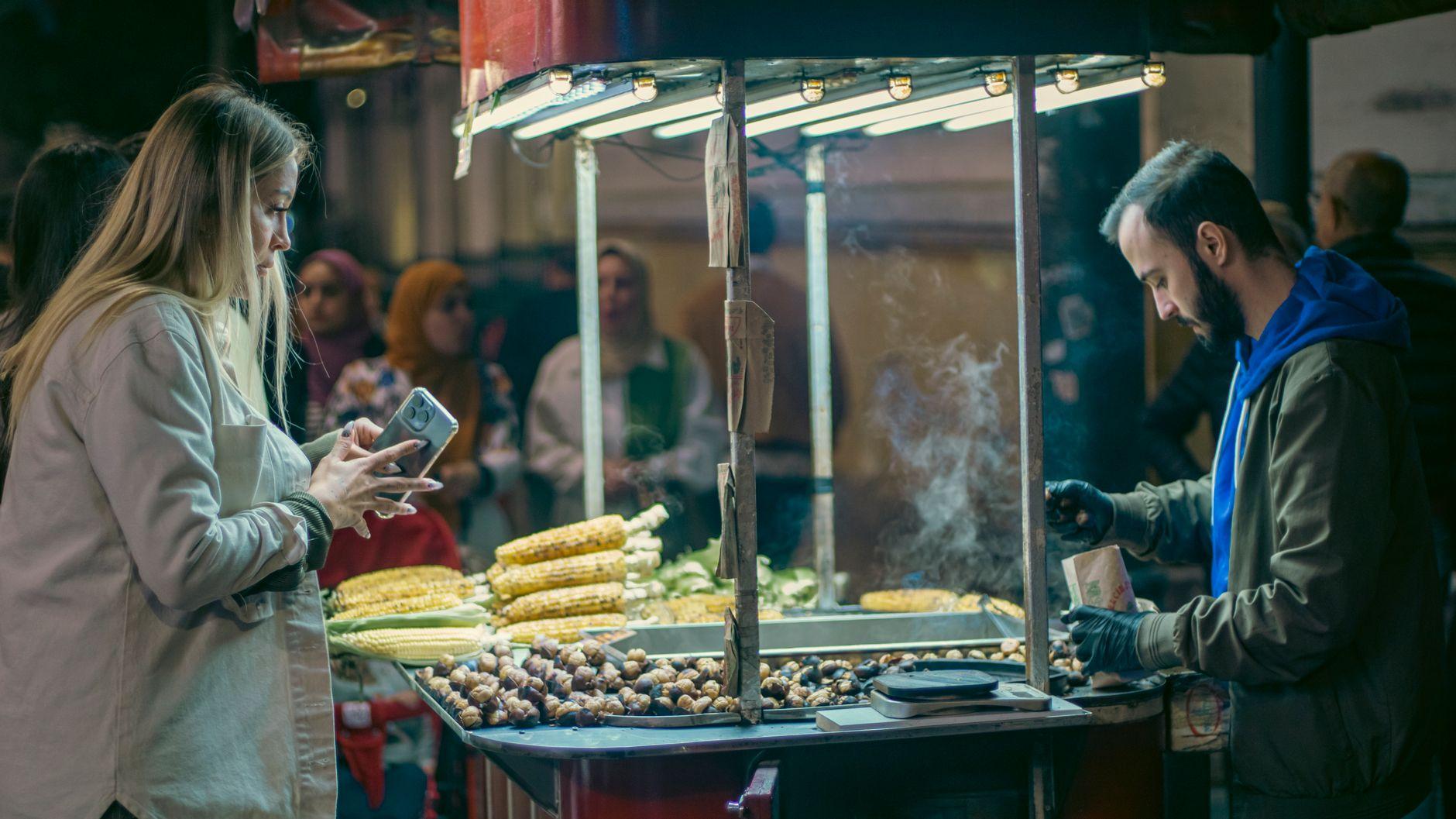
Spend a week in Medellín, Bogotá, or Cali and you will notice the same small ritual at almost every counter. The customer pulls out a phone, the vendor points at a laminated QR code, a confirmation tone chirps, and everyone moves on. The codes usually belong to Nequi, Daviplata, or Bancolombia, and they have quietly become the default way Colombians pay for lunch, taxis, haircuts, and the empanada on the corner.
For expats, this creates an awkward gap. You live here, you shop here, you eat here, but the payment rail everyone around you uses assumes a Colombian bank relationship you do not have. So how do people without a local account actually handle daily payments in Colombia? There are four realistic approaches, and each one has genuine trade-offs. Let's go through them honestly.
Option one: just carry pesos
Cash still works in Colombia. No vendor will refuse your bills, and in small towns outside the main cities it remains the safest assumption. If you are heading to a pueblo in the coffee region or a beach town on the Pacific coast, you want pesos in your pocket regardless of what app you carry.
The problems show up in daily city life. Colombian peso denominations run large, and breaking a 50,000 peso note for a 4,000 peso coffee earns you a sigh at best and a flat "no tengo cambio" at worst. ATM runs become a recurring chore, withdrawal limits force frequent trips, and walking around with a thick stack of pesos is exactly what every local will tell you not to do. Meanwhile, the vendors themselves increasingly prefer QR. In digital nomad neighborhoods like El Poblado and Laureles, some cafés and coworking spots are drifting toward effectively cashless operations, and the person fumbling for exact change is visibly the outsider.
Option two: lean on your foreign card
Your Visa or Mastercard from home works at supermarkets like Éxito and Carulla, larger restaurants, and most hotels. For big-ticket spending it is a perfectly reasonable tool.
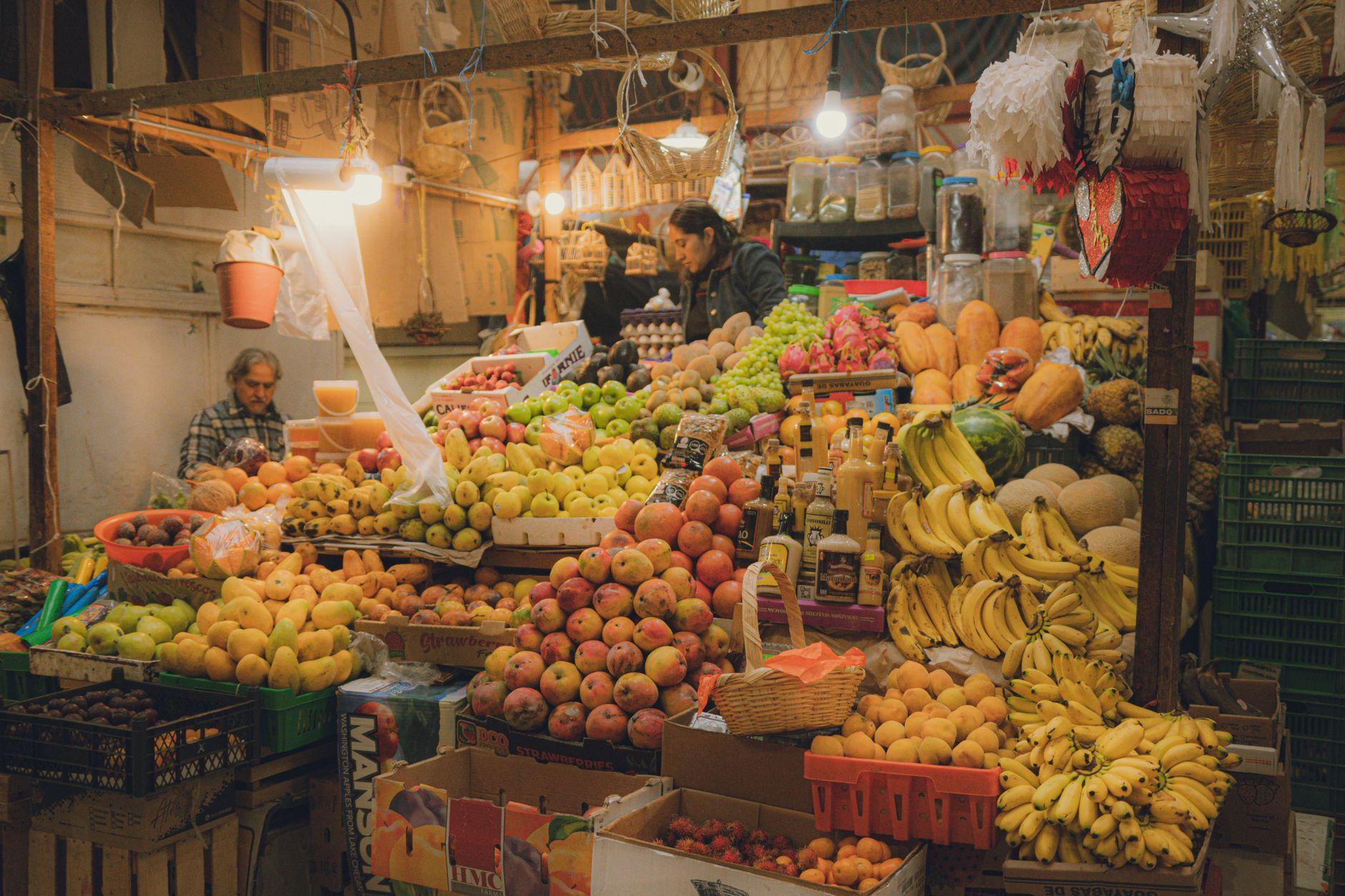
But two things undercut it for daily use. First, coverage collapses fast as purchases get smaller. The fruit vendor, the tienda on your block, the guy selling jugo de lulo from a cart, none of them run card terminals. They run a Nequi QR code taped to the counter.
Second, and this is very specific to Colombia, locals themselves are wary of cards. Card cloning is a well-known worry here, and many Colombians avoid handing their physical card over or inserting it into unfamiliar terminals, preferring QR precisely because nothing leaves their hand. When the locals treat a payment method with suspicion, it is worth asking why you would make it your primary one. A QR flow where you review the merchant name and amount on your own screen before confirming anything is structurally harder to abuse, which is why a confirm-every-payment flow matters so much when you are abroad.
Add foreign transaction fees that hide in the fine print and dynamic currency conversion prompts designed to confuse you at the terminal, and the foreign card ends up as a backup tool, not a daily driver.
Option three: open Nequi or Daviplata yourself
This is the obvious-sounding answer, and for long-term residents with full paperwork it can be the right one. Nequi and Daviplata are genuinely good apps, and once you are inside the system, everything in the country opens up.
The catch is getting inside. Signing up typically means a Colombian ID, a local phone number, and in practice a relationship with the Colombian banking system that a newcomer simply does not have yet. Expats on tourist stays, digital nomads cycling through for three or six months, and even new arrivals waiting on residency paperwork often find the door closed or only half open. There is also the funding question: even with a local wallet, you still have to move money into it from abroad, which brings its own friction and costs.
If you are settling in Colombia permanently, put this on your roadmap. If you are here for a season, or your paperwork is still in progress, it is usually not available to you when you need it most, which is week one.
Option four: pay the local QR codes from a foreign-funded wallet
This is the newer path, and it is the one built for exactly this situation. Moreta Pay lets you scan the same QR codes Colombians scan, the Nequi code at the arepa stand, the Bancolombia code at the barbershop, and pay from a wallet you topped up in your own currency from your home bank. US bank via Plaid or ACH, European SEPA, UK Faster Payments, Canadian e-Transfer, or an international card, then the app converts to pesos at the moment you pay.
The pros are straightforward. No Colombian ID required, no local account, no ATM runs, and no handing a cloneable card to anyone. Before you confirm, you see the amount, the FX rate, and the merchant name on your own screen, so there are no surprises on a statement weeks later. It also covers QR-based online checkouts, so booking platforms and bill payments in supported countries work through the same wallet.
The honest cons: it is a prepaid model, so you need to think slightly ahead. Bank transfers are not instant everywhere, and if you drain your wallet on a Friday night, you want to know how early to send a top-up before you need to pay rather than finding out at the counter. A card top-up can bridge the gap, but a little planning keeps things smooth. And like any wallet, it solves the QR economy, not the cash economy, so you will still carry some pesos for the pueblo weekend.
What this actually looks like in a normal week
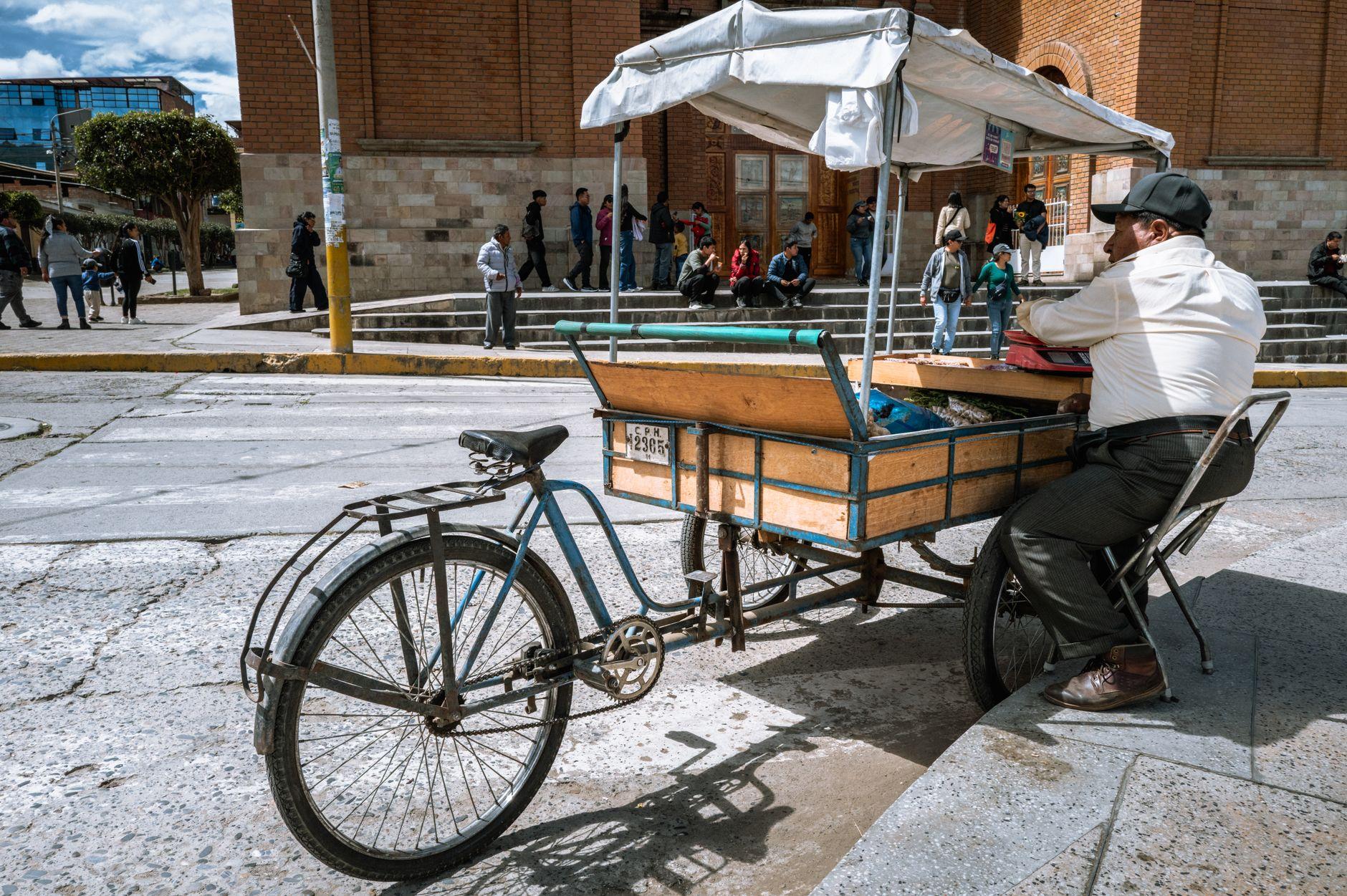
Put the four options side by side against a real Medellín week and a pattern emerges. Groceries at Carulla: card or QR both fine. Morning tinto and almuerzo at the corner spot: QR or exact cash, card unlikely. The vegetable stall at Plaza Minorista: QR or cash. Splitting a dinner where the waiter brings one bill: whoever can pay the restaurant's QR wins. Laundry service, the woman who cleans your apartment weekly, your Spanish tutor: almost always a Nequi or Daviplata code.
Cash covers everything but punishes you with change problems and ATM logistics. The foreign card covers the big stuff and fails at the small stuff, which in Colombia is most stuff. A local wallet covers everything but is gated behind paperwork most expats cannot clear quickly. A foreign-funded QR wallet like Moreta Pay covers the entire QR layer, which is where Colombian daily life actually happens, and asks only that you keep it topped up.
Most expats here end up running a two-tool system: a modest cash reserve for the edges, and a way to scan QR codes for everything else. The only real question is whether your QR tool requires a cédula or just your phone. If you want to start scanning Nequi and Bancolombia codes the day you land, set up Moreta Pay before your flight and let the empanada lady stop making faces at your 50,000 peso note.