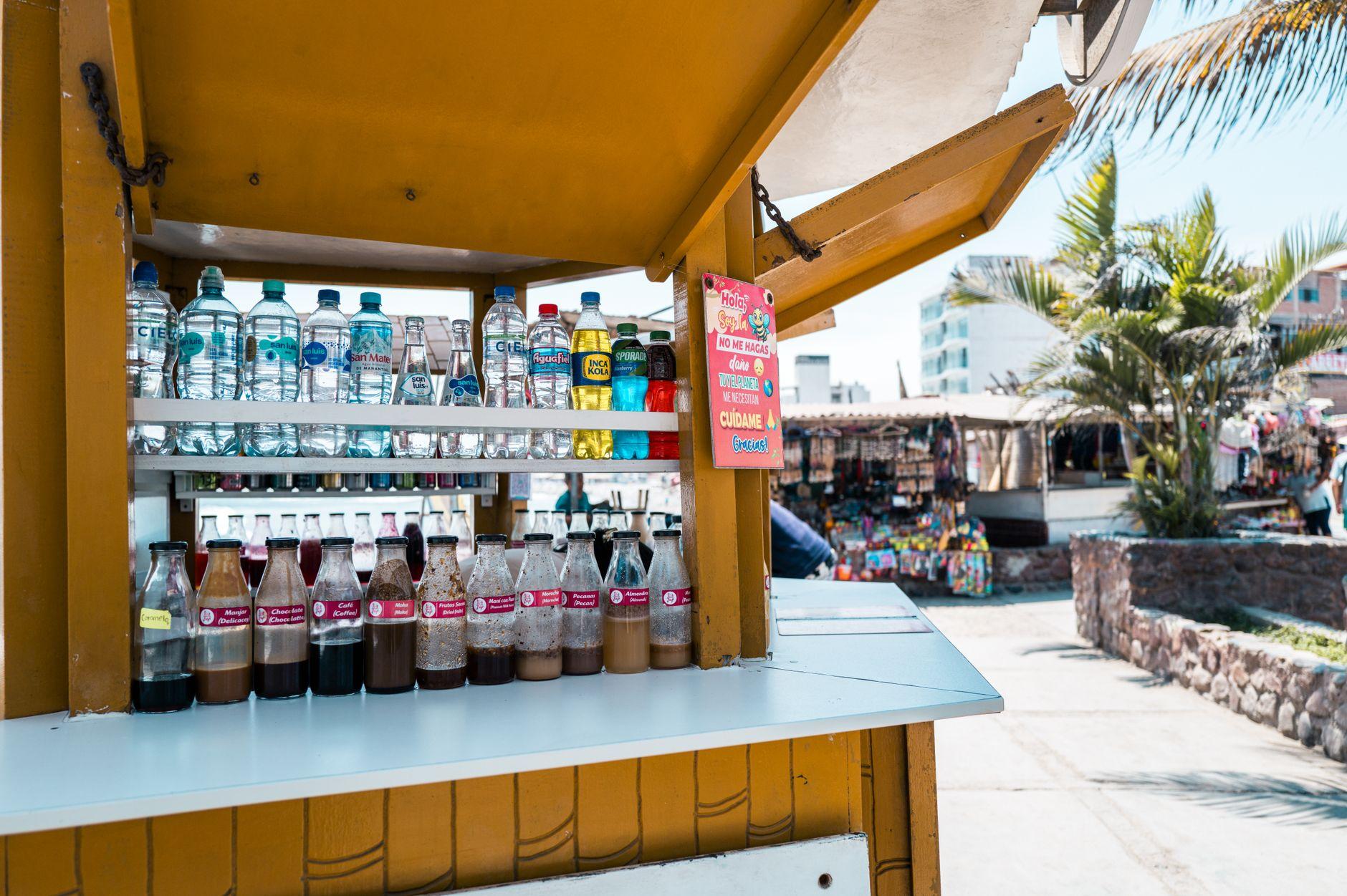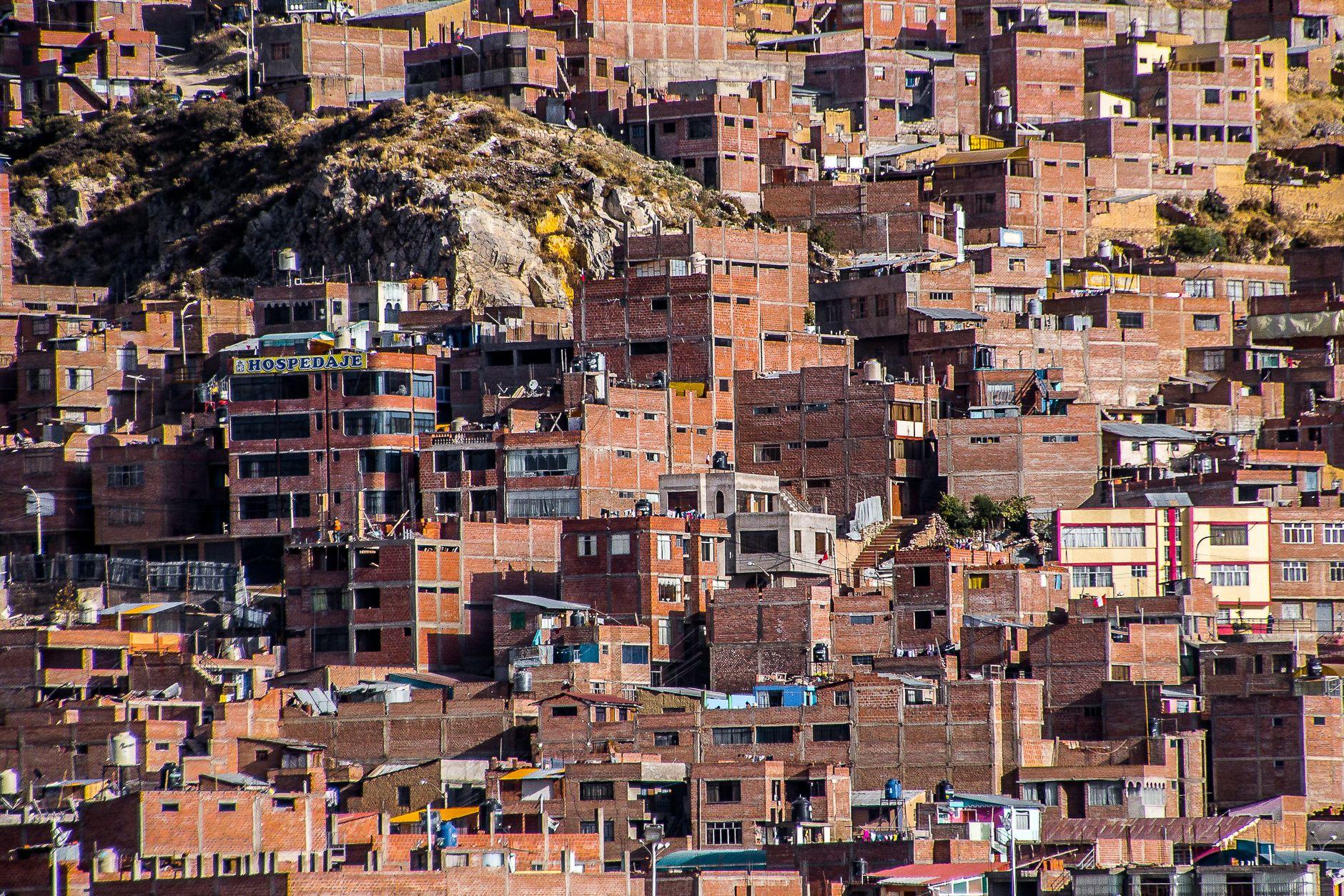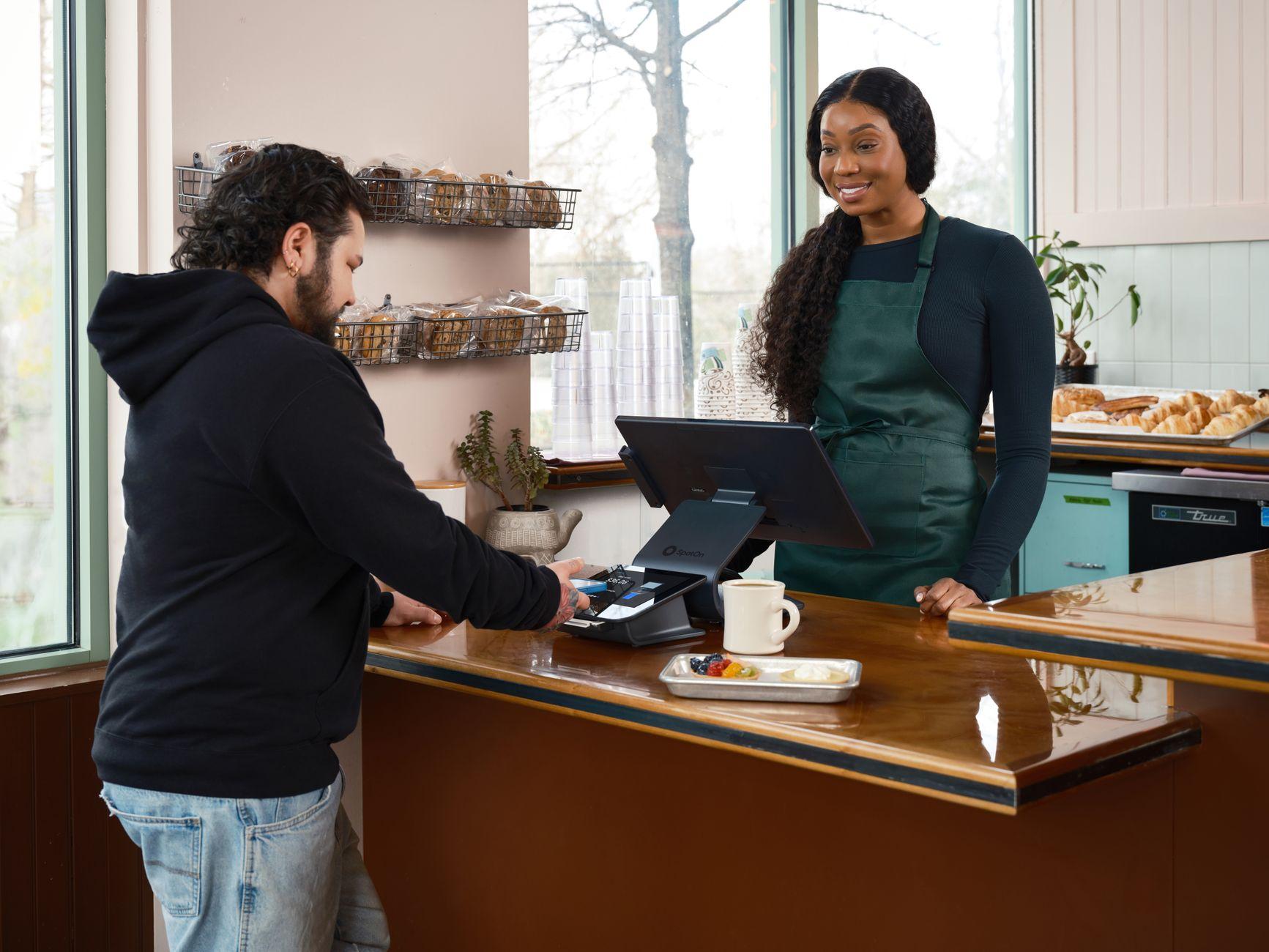

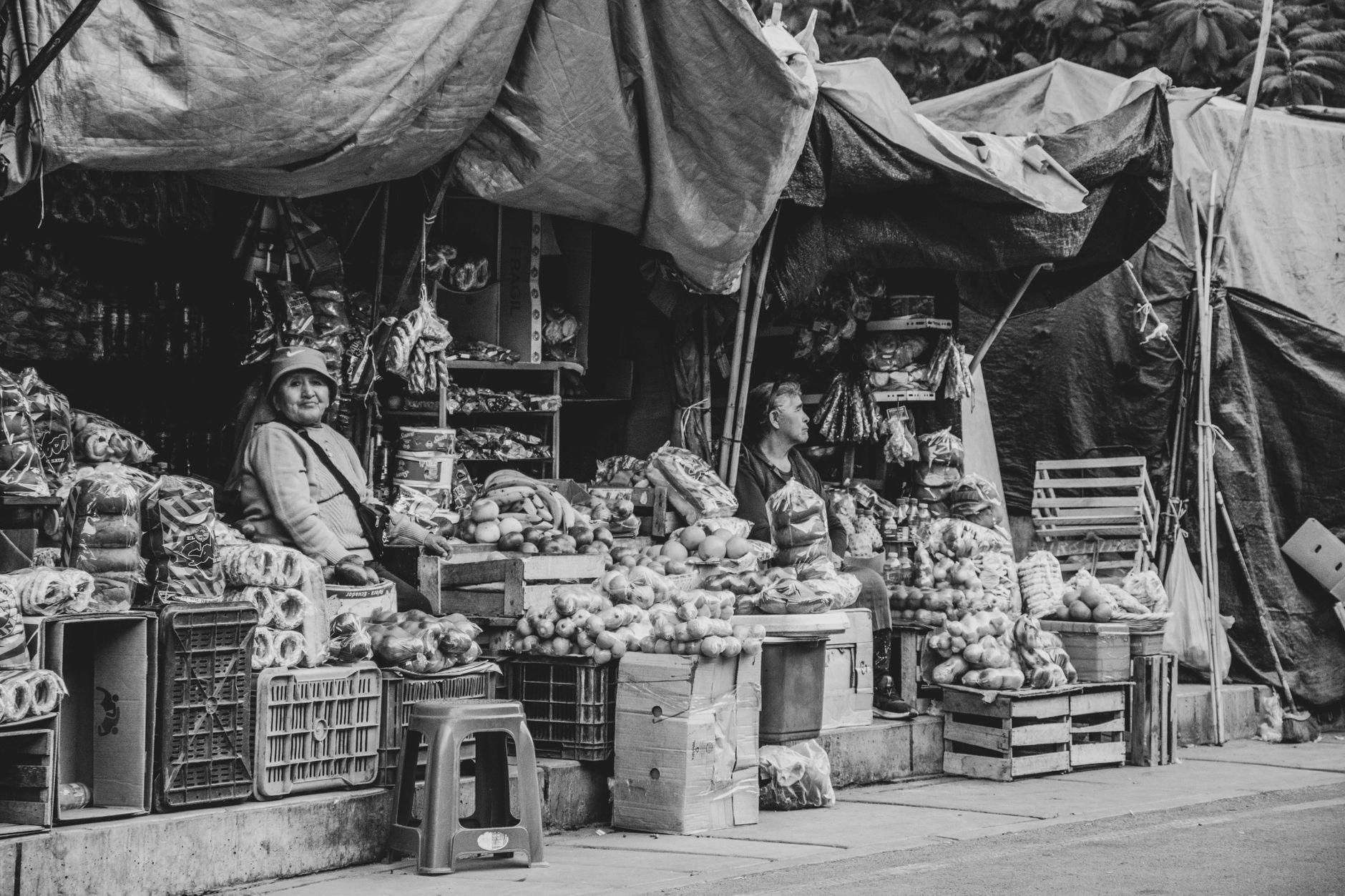
Stand at the counter of any tienda in Laureles or a bakery in Bogotá's Chapinero and you'll hear the same exchange a dozen times an hour: the customer asks the total, the shopkeeper points at a laminated QR code taped to the counter, and the phone comes out. Nequi. Daviplata. Bancolombia's QR. Nobody reaches for a card, and increasingly nobody reaches for cash either.
There's a reason Colombians skipped past tap-to-pay cards and went straight to QR, and it's worth understanding before you decide how you'll pay in Colombia, because it changes which of your options actually work well.
Card cloning taught Colombia to distrust the terminal
Ask a paisa why they pay with Nequi instead of a debit card and you'll often get the same answer: clonación. Card cloning has been a persistent fear in Colombia for years, enough that many locals simply don't hand their card to anyone. A QR code flips the risk. The merchant never touches your card, never sees your number, and there's no terminal to tamper with. You scan, you confirm on your own phone, done.
That fear shaped the whole ecosystem. Nequi and Daviplata stickers are everywhere, from empanada stands to barbershops to the woman selling arepas de chócolo outside the metro station. Medellín's digital nomad neighborhoods, El Poblado and Laureles especially, have drifted toward functionally cashless daily life. Which puts a visitor in an awkward position, because the two tools you brought from home, cash and a foreign card, are exactly the two tools locals are moving away from.
So let's weigh the real options honestly.
Option one: pesos from the ATM
Cash still works everywhere, and in rural Colombia it's often the only thing that works. But getting it is the expensive part.
- For it: universally accepted, essential outside cities, useful for buses, tips, and tiny market purchases.
- Against it: you typically pay twice, once to the Colombian bank operating the ATM and once to your own bank for the foreign withdrawal. Withdrawal limits per transaction tend to be modest, which means repeated withdrawals, which means repeated fees. Colombian pesos also come with a lot of zeros, so you end up carrying thick stacks of bills for amounts that feel small, and walking around with a fat wallet is exactly what locals avoid doing.
And then there's the DCC trap. If an ATM offers to charge you in your home currency instead of pesos, decline it. Always withdraw in pesos. The "convenient" conversion the machine offers is where the worst exchange rate hides.
Option two: your foreign debit or credit card
Cards work fine at supermarkets like Éxito and Carulla, at hotels, and at most sit-down restaurants in tourist areas.
- For it: familiar, no setup, decent acceptance in formal businesses.
- Against it: foreign transaction fees unless you have a no-fee travel card, the same DCC trap at the terminal (always choose pesos), and a shrinking footprint. The tienda, the fruit cart, the menú del día spot charging you for lunch, the taxi driver, none of them want your card. Many never had a terminal to begin with because the QR sticker was free. And the cloning anxiety cuts both ways: some travelers are rightly cautious about handing a physical card around in Colombia at all.
Option three: get Nequi or Daviplata yourself
The obvious move, right? Just download what the locals use. Here's where visitors hit the wall. These wallets are built for residents. Sign-up revolves around a Colombian ID and a Colombian phone number, and funding them usually means a Colombian bank account or depositing cash at a corresponsal. For an expat settling in long term with residency paperwork, it's worth doing eventually. For a traveler on a two-week trip or a nomad on a tourist stamp, it's somewhere between painful and impossible. It's the same wall travelers run into with Yape and Plin in Peru: the local rails are excellent, the front door just wasn't built for you.
Option four: scan the same QR codes with Moreta Pay
This is the gap Moreta Pay was built for. You top up a wallet from your home bank (US bank via Plaid or ACH, SEPA in Europe, UK Faster Payments, Canadian e-Transfer) or an international card, in your own currency, before or during your trip. Then at the tienda, you scan the same Nequi, Daviplata, or Bancolombia QR sticker the person ahead of you just scanned. The app shows you the amount, the merchant name, and the exchange rate before you confirm anything. You approve it, the merchant gets paid in pesos instantly, and you walk out like a local.
- For it: no Colombian bank account, no cédula, no ATM runs, no card handed across a counter, and the FX rate is on screen before you commit rather than discovered on a statement later.
- Against it: it needs a merchant with a QR code, which covers an enormous amount of urban Colombia but not the cash-only corners of it. It also won't help you where there's no mobile signal, though in practice if the vendor's QR works, yours will too.
How this actually plays out in a week
Picture a realistic stretch: coffee and a pan de bono in Laureles (QR sticker on the counter), a Rappi-less lunch at a corrientazo spot (QR), groceries at Carulla (card or QR), a graffiti tour in Comuna 13 where the street vendors all have Nequi codes (QR), a weekend bus to Guatapé (cash), entrance to climb El Peñol (cash), fresh juice at the top (probably QR, honestly). The pattern is clear. QR handles the bulk of your spending, cash handles the edges.
So the sensible plan for Colombia in 2026 is not "all cash" or "all card." It's QR-first with a thin cash reserve. One or two ATM withdrawals for the whole trip instead of one every other day, kept for buses, rural days, and the occasional holdout vendor. Everything else goes through the QR codes that Colombia already plastered on every counter for you. If you're carrying on to Brazil afterward, the same logic applies even more strongly, as we covered in our breakdown of Pix and cash costs in Brazil.
One more quiet advantage: QR isn't only for street-level spending. Booking platforms like Trip.com and Agoda support QR-based checkout in many markets, so the wallet you're using for empanadas can also settle your hotel, and in supported countries it handles bills too, which matters once your "trip" quietly becomes six months in Medellín.
Colombia without cash isn't quite possible yet. Colombia without the ATM treadmill absolutely is. Set up Moreta Pay before you land and the next time a shopkeeper nods at the QR sticker, you'll know exactly what to do.