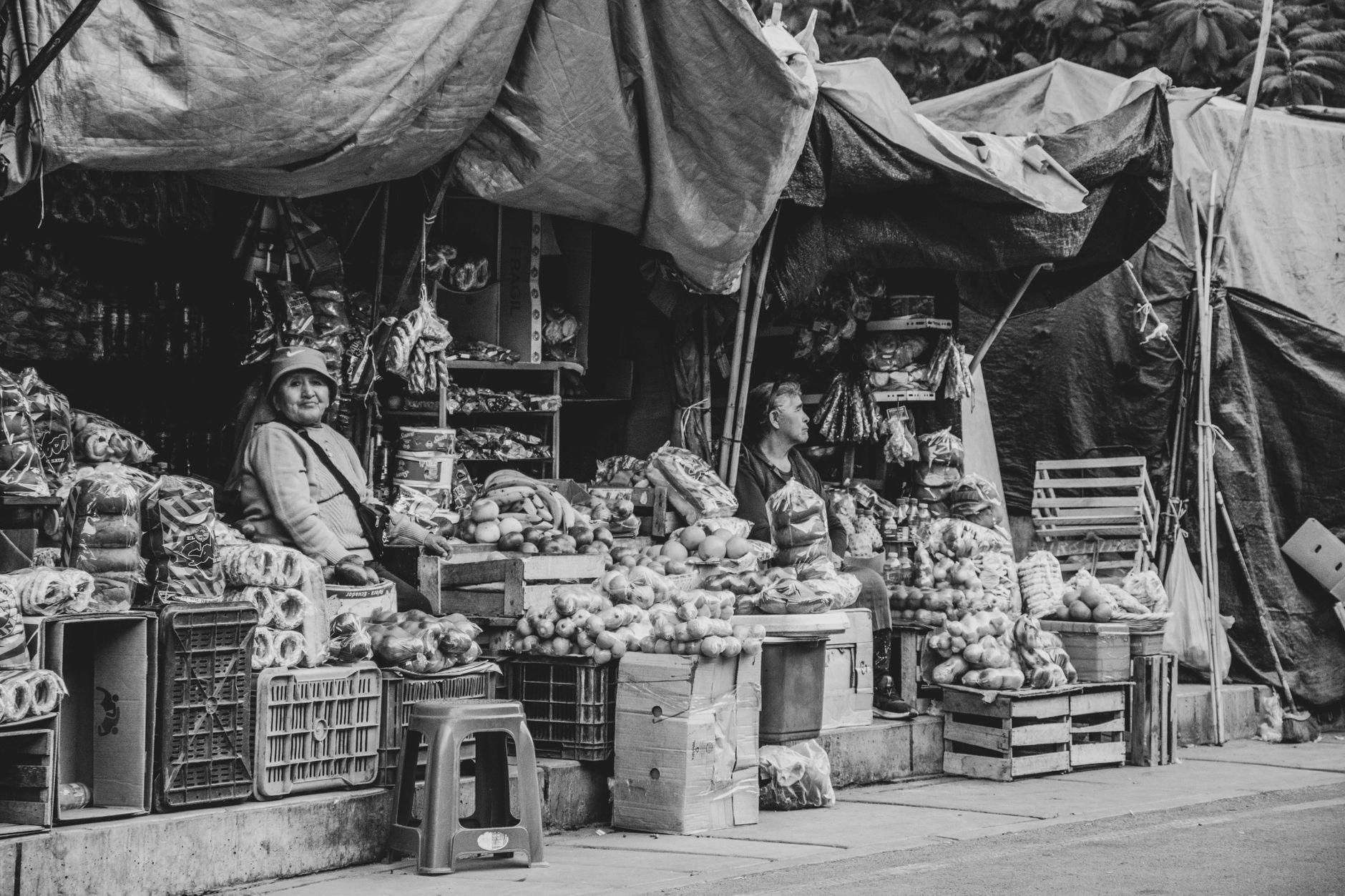

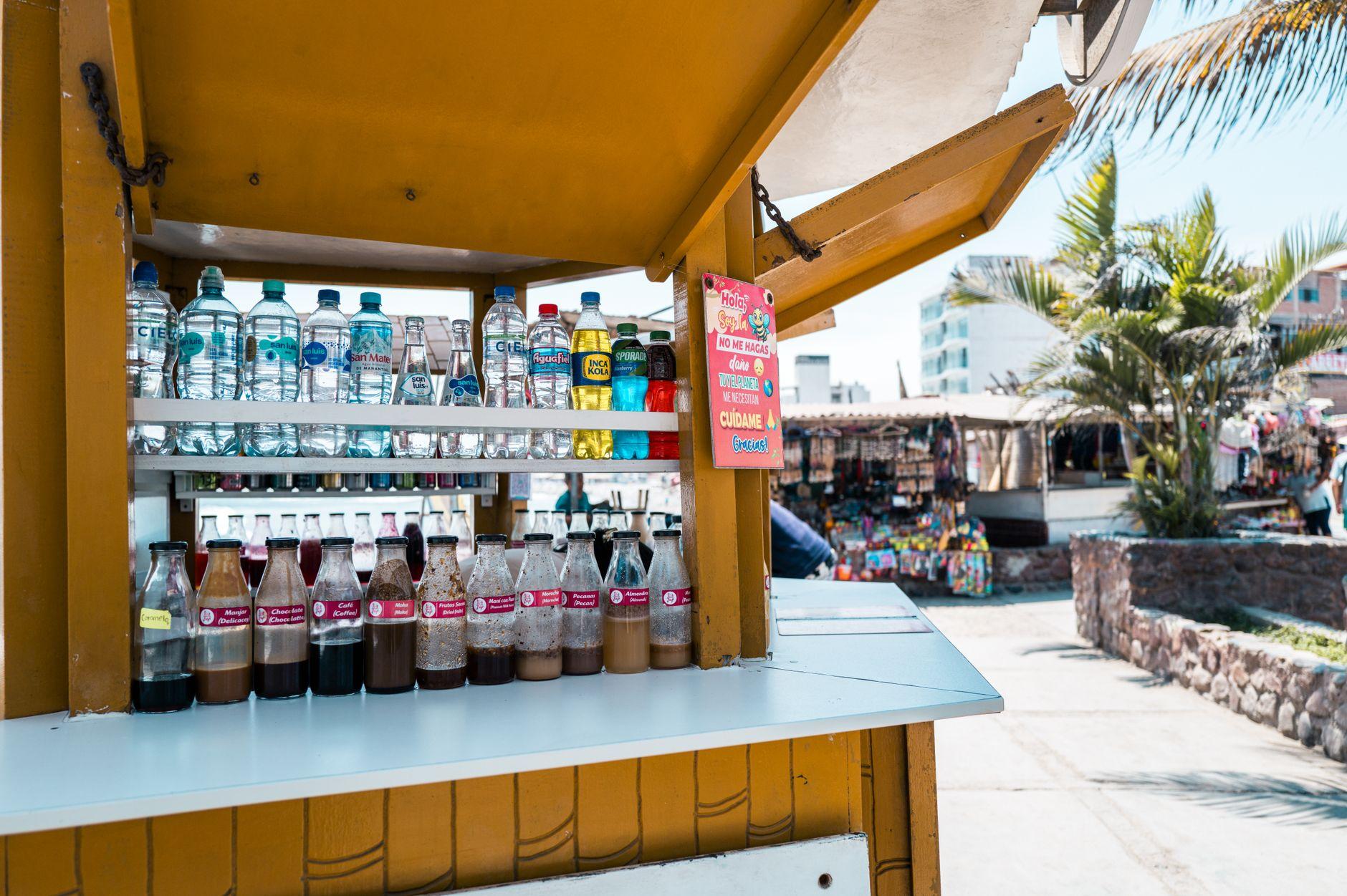
Mercado San Pedro, Cusco, nine in the morning. You order a jugo especial, the kind with papaya and an egg cracked in if you nod yes, and hand over a fifty-sol note straight from the airport ATM. The señora stops. She holds the bill up to the skylight, tilts it, runs her thumb over the ink, snaps it once near her ear. Then she asks if you have anything smaller. Behind you, a local woman orders the same juice, says "te yapeo," points her phone at a laminated purple square taped to the blender cart, and walks off with her drink before your vendor has finished inspecting your money.
That little scene is the whole Peruvian payment story in miniature. If you want to know how to pay in Peru in 2026, start there.
The question you'll hear more than "¿de dónde eres?"
It's "¿Tienes Yape?" Yape is the purple QR wallet run by BCP, and Plin is its turquoise rival backed by a group of other banks, and between them they cover an absurd amount of daily life in Peru. Taxi drivers have the QR sticker on the dashboard. The menú del día place has it taped next to the register. Artisans in Pisac, sandwich carts in Barranco, the lady selling picarones at night, the bodega where you buy water, all of them. The two systems now read each other's codes, so in practice there is one giant QR network stretching from Lima to tiny Andean towns, and locals treat it as the default. Cash is what you use when the signal drops.
Here's the part that stings for visitors: both apps are built for residents. Signing up for Yape or Plin generally means a Peruvian ID or residency document, a local phone number, and usually a Peruvian bank account behind it. A tourist on a ninety-day stamp, or a nomad who just landed for a month in Miraflores, is locked out of the exact system every merchant around them is using.
So you fall back on cash, and cash in Peru has teeth
Not dramatic teeth. Just a steady, annoying bite that adds up over a trip.
First, the ATM itself. Peruvian machines commonly charge their own operator fee on foreign cards, your home bank often stacks its own withdrawal and foreign transaction fees on top, and per-withdrawal limits mean you're making that trip more often than you'd like. Second, the decline-or-accept moment some ATMs spring on you, offering to convert to your home currency "for convenience" at a rate that is never doing you a favor. Always choose to be charged in soles.
Third, and this is the distinctly Peruvian one, counterfeit bills. Every guidebook, every hostel noticeboard, every Peruvian friend will warn you about fake notes, especially the larger ones. It's why your juice vendor held your fifty up to the light, and it's why you should too, because a fake bill handed to you as change at night is your problem, not the person who gave it to you. Add the eternal "no hay sencillo" problem, where nobody can break a hundred and half the city seems to be hunting for small change, and cash becomes a part-time job: withdraw it, verify it, break it, guard it, count it.
Exchange houses and the street changers in their colored vests can beat the ATM on rate, but now you're comparison shopping money itself, carrying a thick stack through a crowd, and still worrying about which bills in that stack are real.
Scanning the same purple square they do
The good news is that the QR code on the blender cart is just a QR code. It doesn't care which app reads it.
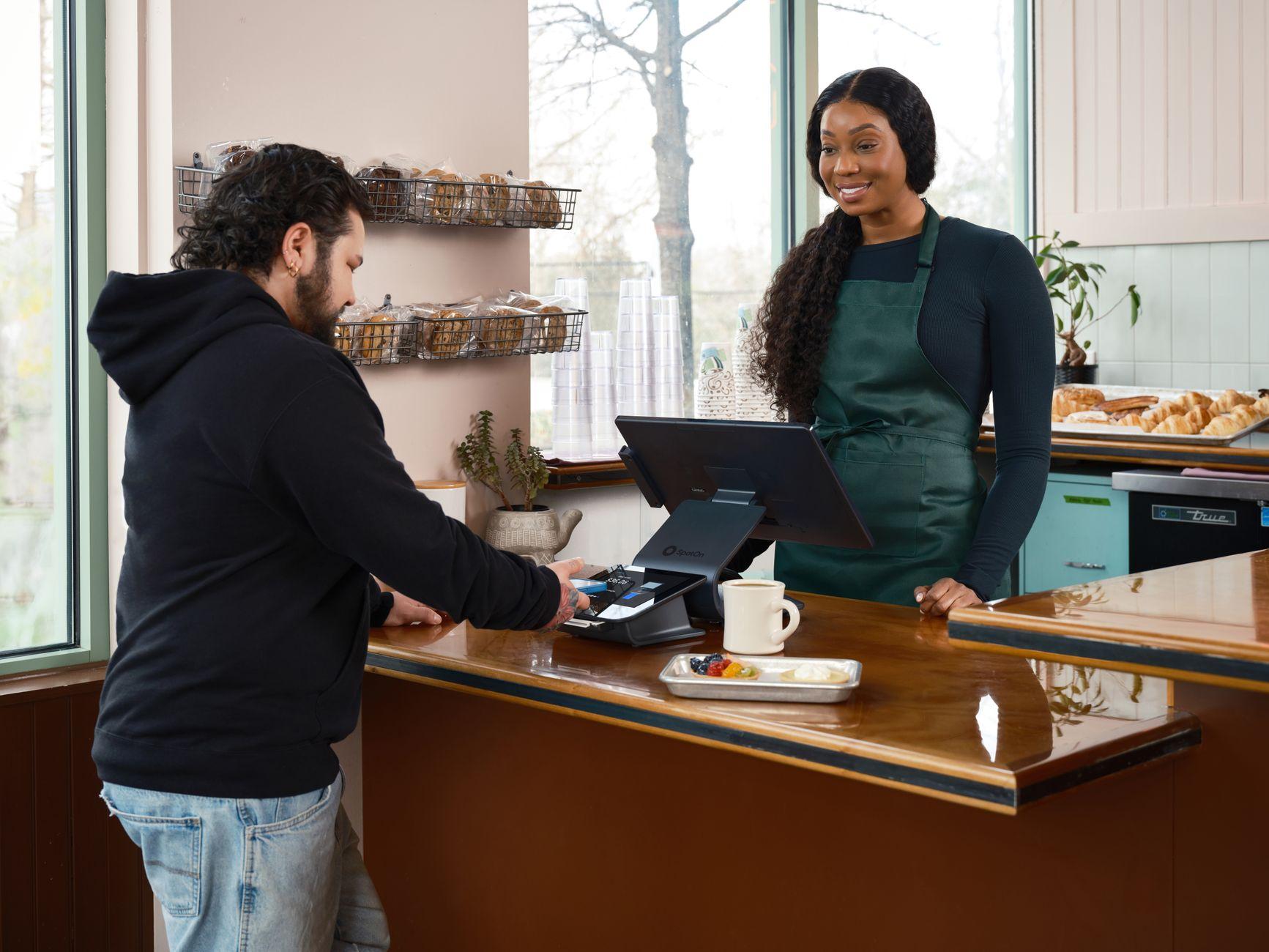
This is where Moreta Pay earns its place on your home screen. You load the wallet before your trip from your own bank, through a US bank connection, SEPA in Europe, UK Faster Payments, Canadian e-Transfer, or an international card, all in your own currency. In Peru, you scan the merchant's standard Yape or Plin QR exactly the way locals do. The app shows you the amount, the merchant's name, and the exact exchange rate before you touch confirm. You approve it, the wallet converts to soles, and the vendor gets paid instantly on their end, same as any other customer that morning.
No Peruvian bank account, no local SIM contortions, no hundred-sol note being interrogated under a skylight. And because the rate is shown upfront on every single payment, you're never doing that late-night mental math about what the ATM and your bank quietly took on the way through.
Where soles still belong in your pocket
Peru is not a cash-free country, and pretending otherwise will strand you somewhere beautiful and inconvenient. Keep a modest reserve of small bills for:
- Remote stretches. Multi-day treks like Salkantay, tiny villages around the Colca Canyon, and anywhere the mobile signal gets theoretical. If there's no signal, there's no QR for anyone, local or not.
- Combis and colectivos. The shared vans that stitch the country together run on coins and small notes passed hand to hand up the aisle.
- Tips and bathrooms. Porters, guides, the one-sol coin for the market baño. Small cash, always.
The sensible split: QR for cities, towns, restaurants, taxis, markets, and shops, which is most of your spending, plus a slim cushion of verified small bills for everything beyond the signal. That cushion can come from one careful withdrawal instead of six, which also shrinks your exposure to fees and funny bills in one move. If Peru is one stop on a longer Andean route, the same logic travels with you; crossing into Bolivia brings its own version of the ATM problem, which we covered in our Bolivia money guide, and heading south toward Argentina gets even more complicated.
Your first day in Lima, replayed
Picture the arrival again, done differently. You topped up your Moreta Pay wallet from your bank at home, somewhere over the Pacific or the week before, it doesn't matter. You walk past the airport ATM line. Your first purchase is a coffee in Barranco: scan the code on the counter, glance at the soles amount and the rate, confirm, done in the time it takes the barista to say "listo." Your taxi to the hostel, scanned. Your ceviche lunch, scanned. The alpaca sweater you absolutely did not need in Pisac, scanned, after the obligatory friendly haggle, which works just as well when you pay by phone. Even booking the next leg online works, since QR checkout on platforms travelers already use is part of the same system.
Meanwhile the small bills in your pocket stay small, stay verified, and stay for the combi and the trailhead, which is all they were ever good for.
Peru without cash isn't quite the goal. Peru without ATM anxiety, counterfeit paranoia, and mystery exchange rates absolutely is. Set up Moreta Pay before you fly, and the next time a juice vendor in Cusco asks "¿Yape?", you can just nod and scan.