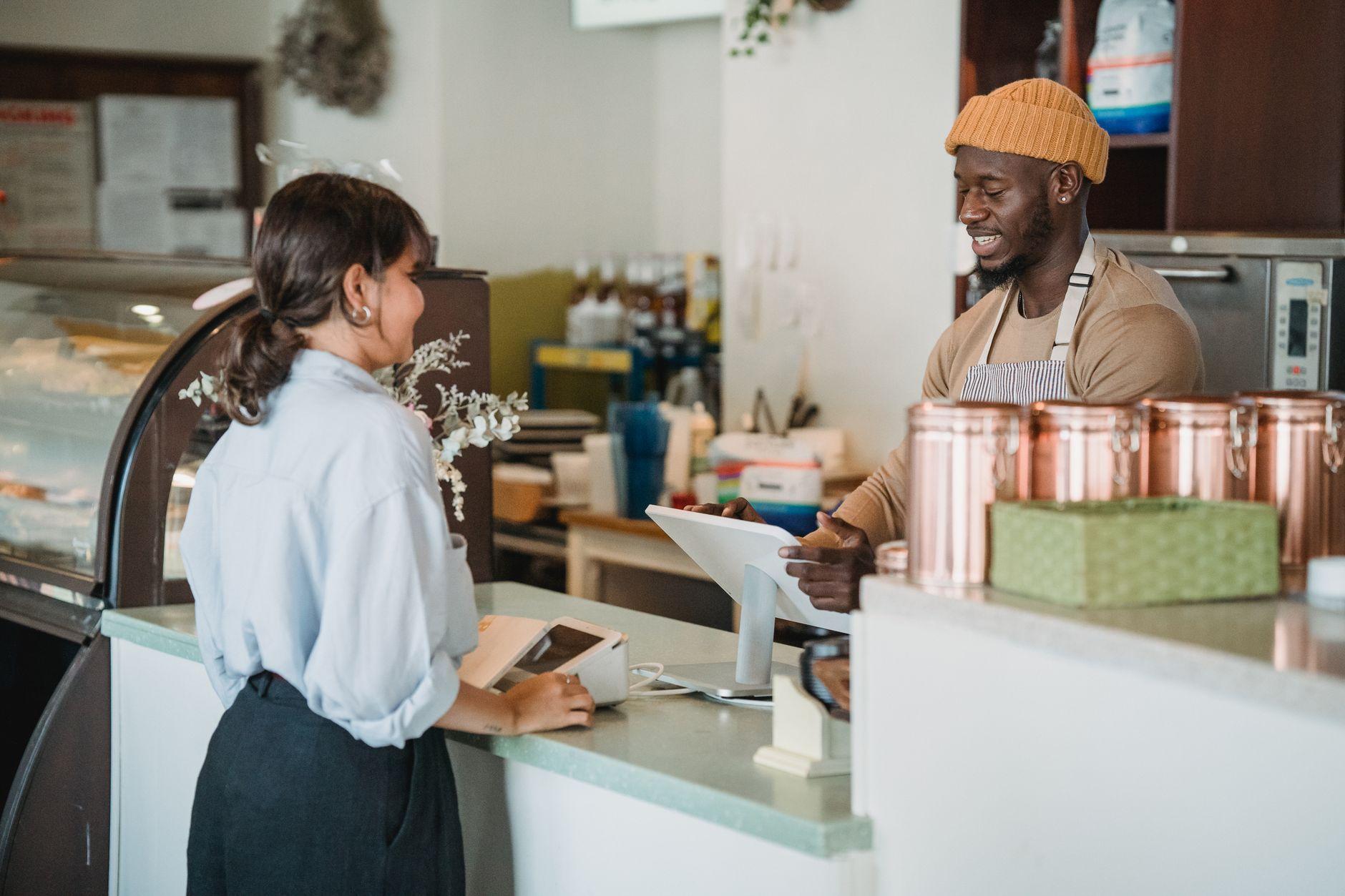

Watch the person ahead of you at a Bogotá bakery counter. They probably won't hand over a card. They'll hold up their phone, scan a laminated QR code taped next to the register, type an amount, and show the confirmation screen. Done.
This isn't a tech flex. It's a habit born from caution. Card cloning has been a real fear in Colombia for years, and plenty of locals simply don't like letting a physical card leave their hand or touch a terminal they don't trust. A QR code solves that. Nothing to swipe, nothing to clone, nothing to hand over.
Which is great news for locals and slightly awkward news for you, the visitor, because the apps doing all that scanning usually want a Colombian bank account. Let's fix that.
The three names taped to every counter
Spend one afternoon in Colombia and you'll start seeing the same logos everywhere:
Nequi is the purple one, and it's close to a default among younger Colombians. Street vendors, barbers, market stalls, your Spanish tutor, they'll all say "¿tienes Nequi?" before anything else.
Daviplata is the red one, Davivienda's wallet, and it's just as common, especially for everyday small payments.
Bancolombia QR covers a huge share of formal shops, cafes, and restaurants, since Bancolombia is the country's biggest bank and its QR codes sit at an enormous number of registers.
Many counters display all three, or a single combined code. The point is the same either way: in cities, QR is a normal, expected way to pay, not a novelty.
Why this matters more in Medellín
If you're heading to Medellín, especially the nomad corridors of El Poblado and Laureles, assume things lean further cashless than the rest of the country. Specialty coffee shops, coworking spaces, gyms, and lunch spots serving the menú del día are all comfortable with QR, and some baristas will visibly prefer it to breaking a 50,000 peso note at 9 a.m.
That note-breaking problem is real, by the way. Colombian ATMs love dispensing large bills, and small vendors genuinely may not have change for them. "No tengo cambio" is a sentence you'll hear a lot if you run on cash. Paying the exact amount by QR sidesteps the whole dance.
The part nobody tells you until you try
Here's where visitors hit a wall. Nequi and Daviplata are built for residents. Signing up generally means a Colombian ID and a local phone number, and loading them means a Colombian bank account or local top-up channels. Bancolombia's app obviously requires being a Bancolombia customer.
So you can see the QR codes. You just can't scan them. It's the same trap travelers run into with Yape in Peru, which we covered in our breakdown of the four ways to pay in Peru: the locals' favorite option is locked behind residency.
Your fallback options each have a catch. Your home card works at bigger establishments, but you're back to handing over the exact thing locals avoid handing over, often with foreign transaction fees stacked on top. Cash works almost everywhere, but it means ATM runs, withdrawal fees, the large-bill change problem, and carrying more pesos than you'd like through a crowded El Hueco market.
Scanning the same codes without the local account
This is the gap Moreta Pay exists to close. It reads the same Colombian QR codes that Nequi, Daviplata, and Bancolombia users scan, but the money behind it comes from your own bank at home.
The flow for a visitor looks like this:
Before you fly: download the app and top up your wallet in your home currency. US bank via Plaid or ACH, European SEPA, UK Faster Payments, Canadian e-Transfer, or an international card all work. Do this on home wifi, not from a hostel at midnight when you're hungry.
At the counter: scan the merchant's QR code, whichever brand it carries. The app shows you the merchant name, the amount in Colombian pesos, and the exact exchange rate before you confirm anything.
Confirm: your wallet converts to pesos and the merchant is paid instantly, the same as if a local had scanned. Show the confirmation screen, collect your empanada, move on.
Two details matter more than they sound. First, seeing the FX rate on screen before confirming means you're never guessing what a 28,000 peso lunch actually cost you, which is easy to fumble when every price has at least four zeros. Second, the merchant name check catches mistakes before they happen, like scanning the code for the stall next door at a busy market.
A realistic day without touching pesos
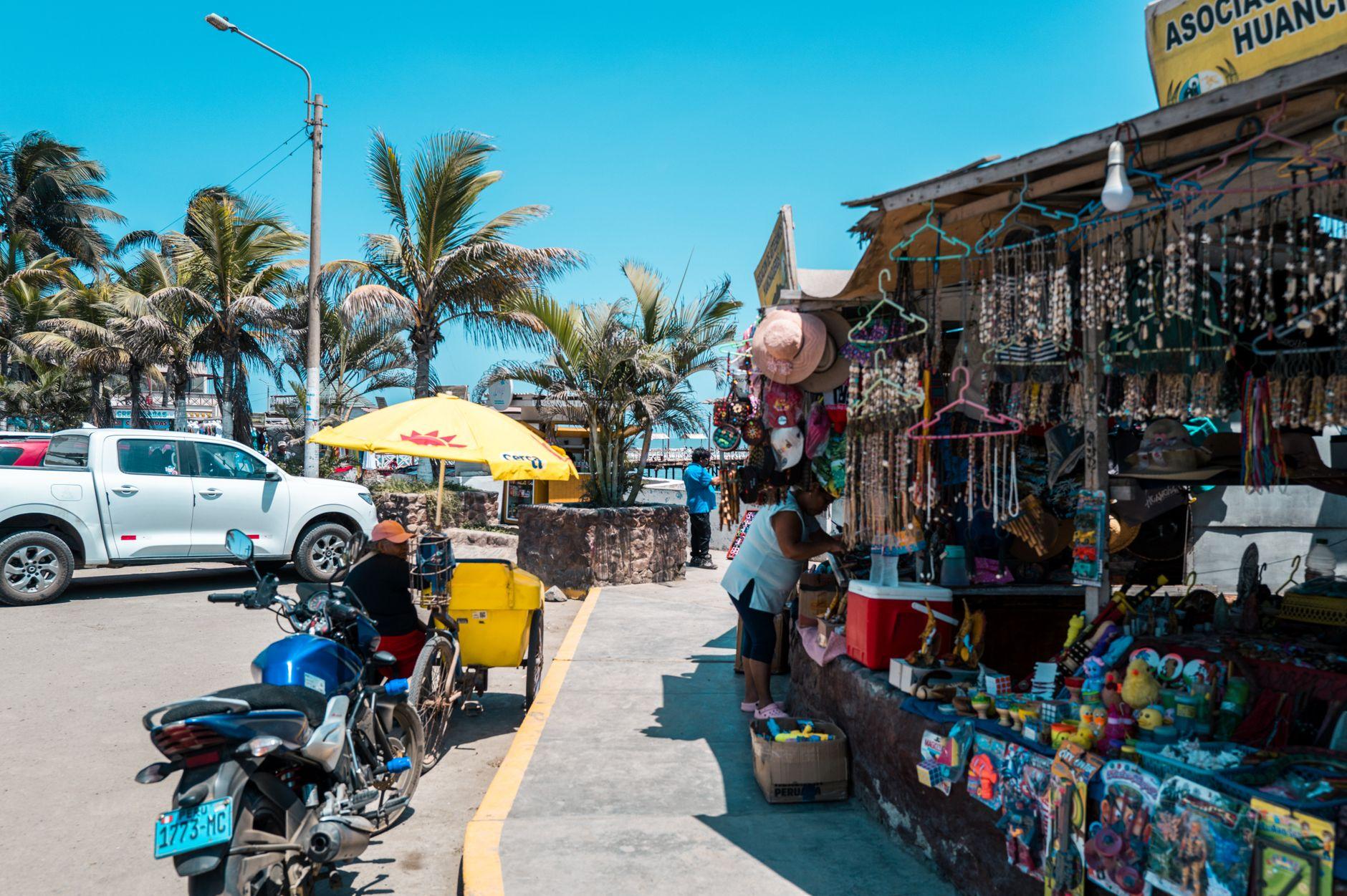
Morning cortado in Laureles: scan the Bancolombia code by the register. Mid-morning fruit from a street cart: the vendor flips over a laminated Nequi code hanging from the umbrella. Lunch at a corrientazo spot: menú del día, QR on the counter, exact amount, no change needed. Afternoon coworking day pass: QR again. Dinner with friends in Provenza: the restaurant takes QR, and splitting is easier because everyone pays their own exact share.
The same wallet also covers the less glamorous stuff. Booking a Cartagena hotel on a platform like Trip.com or Agoda that offers QR checkout? Same scan, same confirmation screen, no card number typed into yet another website.
Where you still want a few bills
Honesty time: Colombia is not 100 percent cashless, and you shouldn't pretend it is. Keep some small-denomination pesos for intercity buses, rural pueblos on a coffee-region trip, tips, and the occasional vendor whose phone has died. The trick is that this becomes a small backup stash, maybe one modest withdrawal, instead of your primary system requiring constant ATM visits.
A reasonable split for most travelers: QR via Moreta Pay for cities and anything with a printed code, a small cash reserve for the gaps, and your physical card staying in the hotel safe where nobody can clone it. Which, given how this whole article started, is a very Colombian way to operate.
One screen between you and the arepa
Paying like a local in Colombia isn't about speaking perfect Spanish or knowing which neighborhood is trendy this year. It's about being able to say "sí" when someone points at the QR code instead of apologetically pulling out a foreign card. Set up Moreta Pay before your flight, load it from your own bank, and the purple, red, and yellow codes on every Colombian counter stop being decoration and start being how you pay.