
Ask in any Malaysia nomad group how to handle money and the first reply is always the same: get Touch ‘n Go eWallet. Then you try, and the app wants a local phone number, a local verification step, sometimes a local bank card, and you hit a wall that most foreigners never get past. The advice is well meaning and mostly useless for someone on a tourist entry or a fresh DE Rantau visa.
Here is the part nobody mentions until later: Touch ‘n Go is just one wallet reading a national QR standard called DuitNow QR, and that standard is open to more than one app. The questions below are the ones nomads actually type into Google during their first month in Kuala Lumpur, Penang, or Kota Kinabalu, answered without the assumption that you have a Malaysian bank account.
Why does everyone tell me to get Touch ‘n Go if foreigners mostly can’t?
Because for locals it genuinely is the answer. It handles wallets, tolls, parking, and QR payments in one app, so residents recommend it reflexively. What they forget is that the signup flow was built around Malaysian identity documents and phone numbers. Some foreigners squeeze through with a local SIM and patience, many do not, and the rules shift without notice. Treat it as a nice-to-have, not the foundation of your setup.
What is DuitNow QR, in one paragraph?
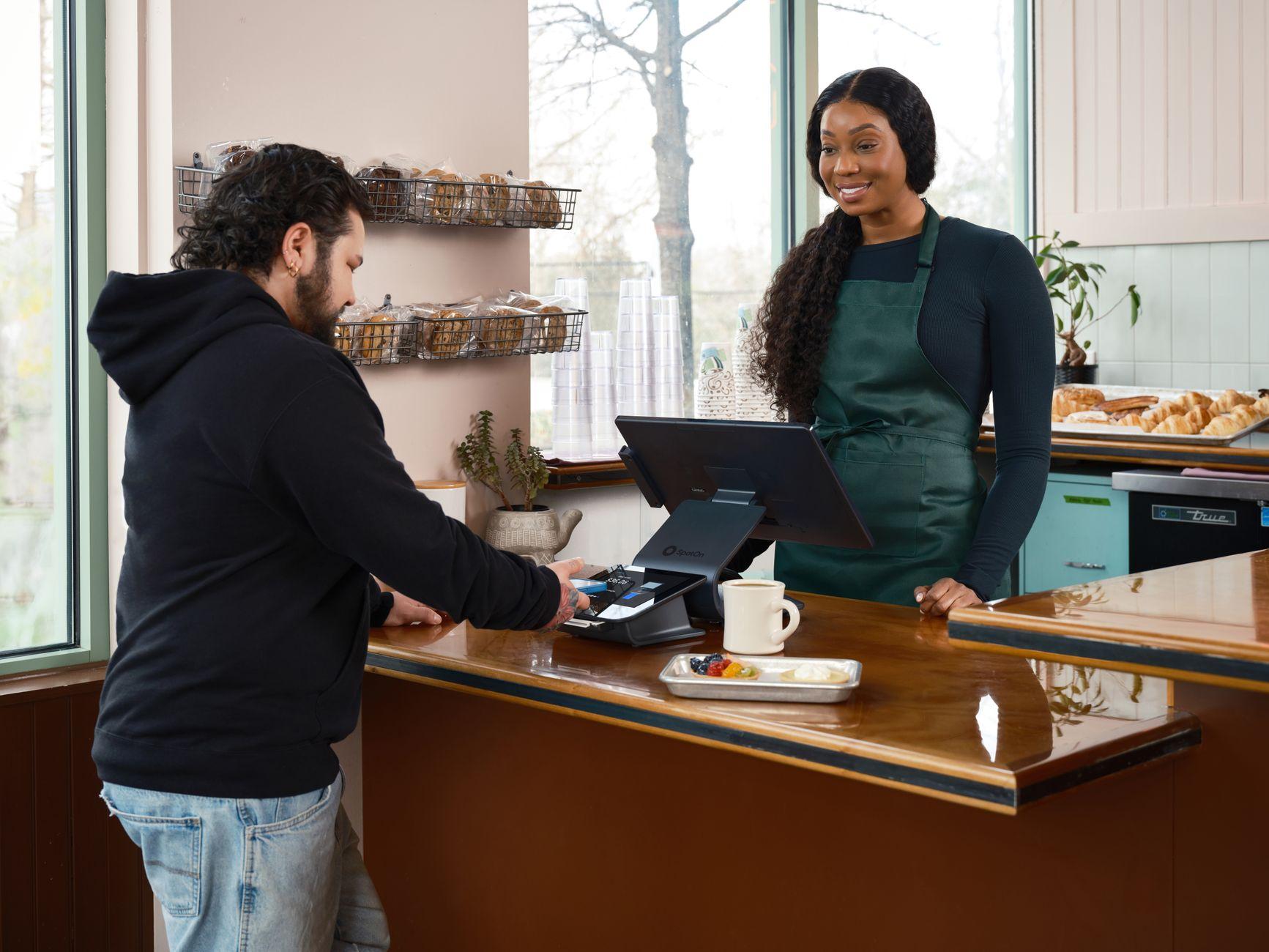
It is Malaysia’s unified QR payment standard. Instead of each bank and wallet printing its own incompatible code, nearly every merchant displays a single DuitNow QR sticker, and any participating app can scan it. That is why the nasi lemak auntie, the pharmacy in Mid Valley, and the barber in a Penang shophouse all show the same red and white code. One sticker, one scan, done. We walked through the basics in our earlier piece on how visitors can use Malaysia’s single QR code, and everything there still holds.
So how do I actually scan DuitNow QR without a Malaysian app?
Use a wallet built for people in your exact position. Moreta Pay lets you top up from your home bank (US banks via Plaid or ACH, SEPA in Europe, UK Faster Payments, Canadian e-Transfer) or an international card, in your own currency. Then you scan the merchant’s normal DuitNow QR sticker, see the amount in ringgit, the exchange rate, and the merchant name on one screen, and confirm. The merchant is paid instantly in ringgit and never knows or cares that your money started in dollars or euros. No local bank account, no local phone number, no verification maze.
Can I live in Malaysia without cash?
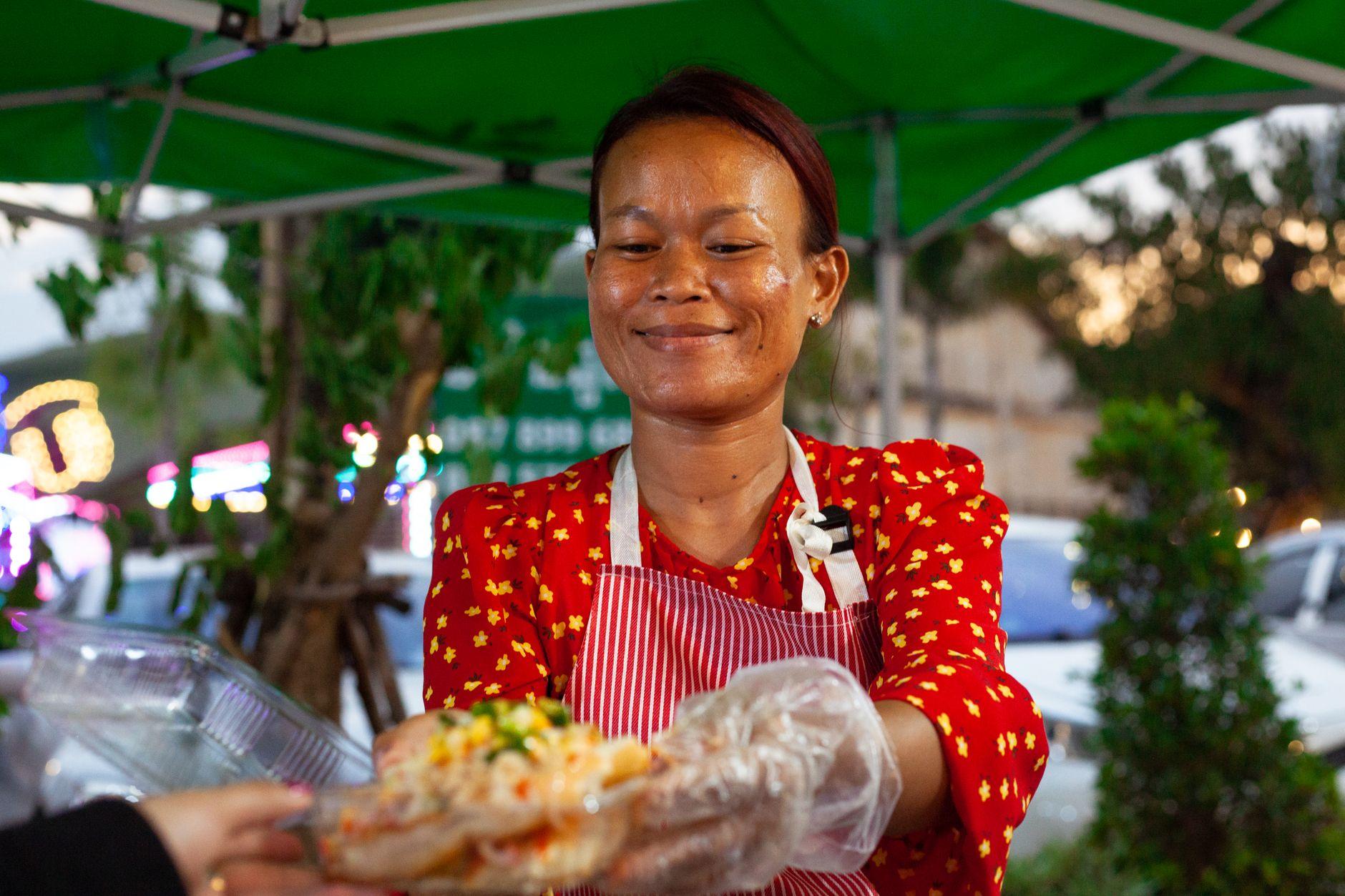
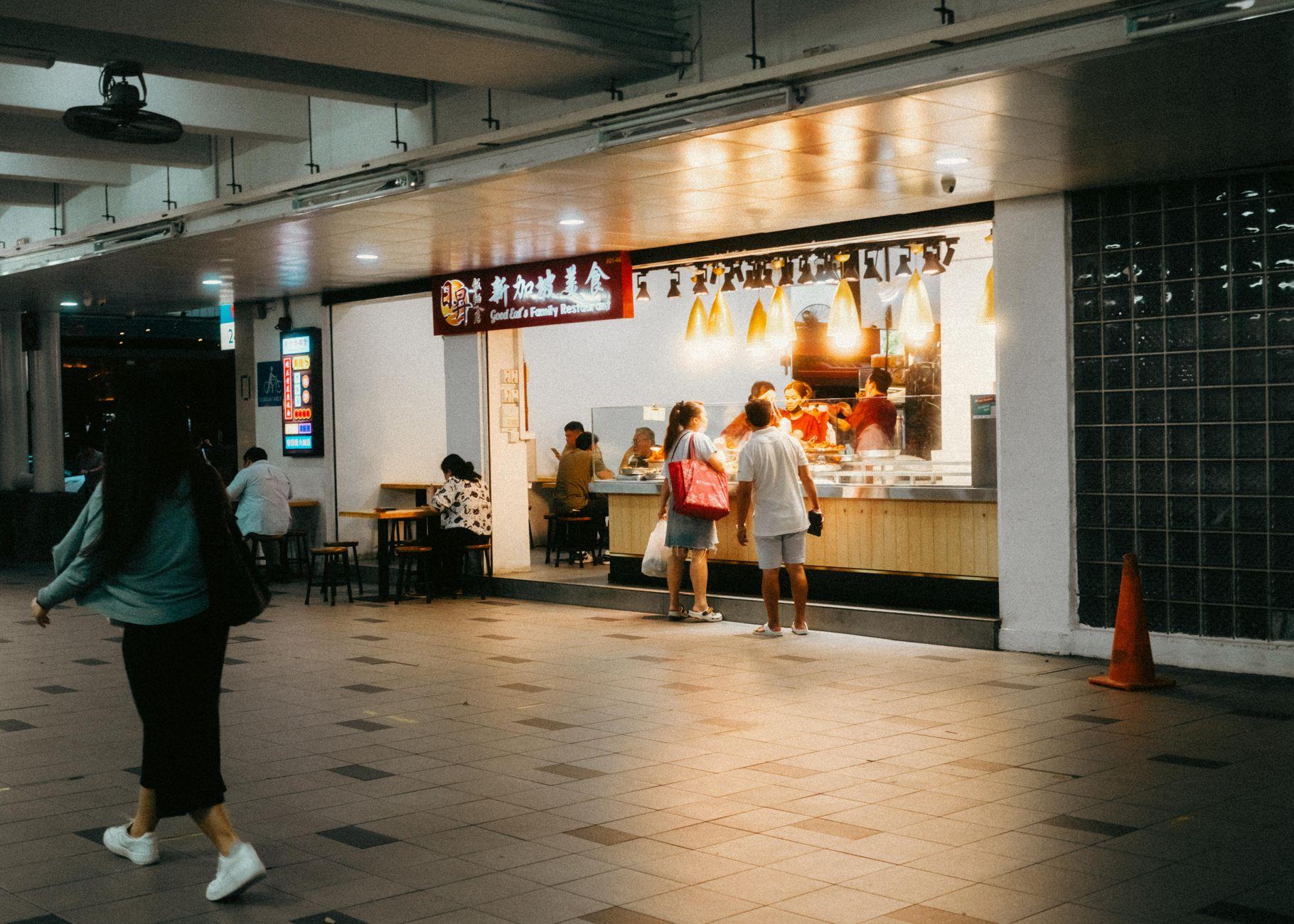
Closer to yes than almost anywhere else in Southeast Asia. Hawker stalls, kopitiams, mamak restaurants open at 3 a.m., pasar malam night market vendors, laundromats, even some roadside fruit sellers display DuitNow QR, because accepting it costs merchants less than running a card terminal. Keep a small note stash for the rare cash-only durian stand or an older kedai runcit in a small town, but many nomads report going a week or two without touching ringgit notes in KL or George Town.
Aren’t cards good enough in the cities?
For malls, chain cafes, and hotels, sure, card acceptance in Malaysian cities is decent. The gaps appear exactly where nomads eat and live day to day. The RM8 char kway teow stall does not have a card machine and never will, because QR is cheaper for the merchant and settles straight to their bank. There is also the quiet tax of your home card: foreign transaction fees and a rate you only discover on your statement. Scanning QR with a transparent rate shown before you confirm removes both problems.
What about Grab, the LRT, and highway tolls?
Grab happily takes international cards in-app, so rides and food delivery are solved on day one. Public transit and highway tolls are the one corner of Malaysian life still tied to the physical Touch ‘n Go card (the plastic tap card, not the eWallet). Buy one at a convenience store or train station, load it with cash, and keep it in your bag. That single card covers the gap, and everything else in your day can run on QR.
Can I use QR for online shopping too?
Yes, and this surprises people. Shopee and Lazada, where most nomads end up buying a fan, a desk lamp, or a Malaysian SIM top-up, both support QR-based checkout, as do travel platforms like Agoda and Trip.com when you book that weekend in Langkawi. When the payment page shows a QR code, scan it with Moreta Pay the same way you would at a hawker stall. Bills in supported countries work the same way, which matters once you sign a longer lease and utilities land in your name.
How does Malaysia compare to Thailand for a nomad’s wallet?
Very similar architecture, different sticker. Thailand’s PromptPay plays the same unifying role that DuitNow plays here, so if you have already sorted out everyday spending in Thailand, your Malaysian routine will feel familiar within a day. The pleasant difference is that Malaysia’s standard is arguably even more uniform, so you almost never have to guess which sticker on the counter is the right one.
What should I set up in my first 24 hours?
- A wallet that reads DuitNow QR without local requirements, funded from your home bank before you land so there is no scramble at the airport.
- A physical Touch ‘n Go card for trains and tolls, loaded with a modest amount of cash.
- A small reserve of ringgit notes, maybe enough for two or three meals, for the occasional holdout vendor.
- Grab installed with your international card attached.
That is the whole stack. No bank appointments, no borrowed local phone numbers, no asking a Malaysian friend to verify an account on your behalf.
Is there a catch?
Only the small ones already listed: transit needs the plastic card, and a handful of old-school vendors still want notes. Everything else, from the morning kopi peng to a month of groceries at Jaya Grocer to your Shopee order history, runs through one QR standard you can join the day you arrive. Fund a wallet from home, land in KL, and scan the same sticker every Malaysian scans, starting with Moreta Pay.