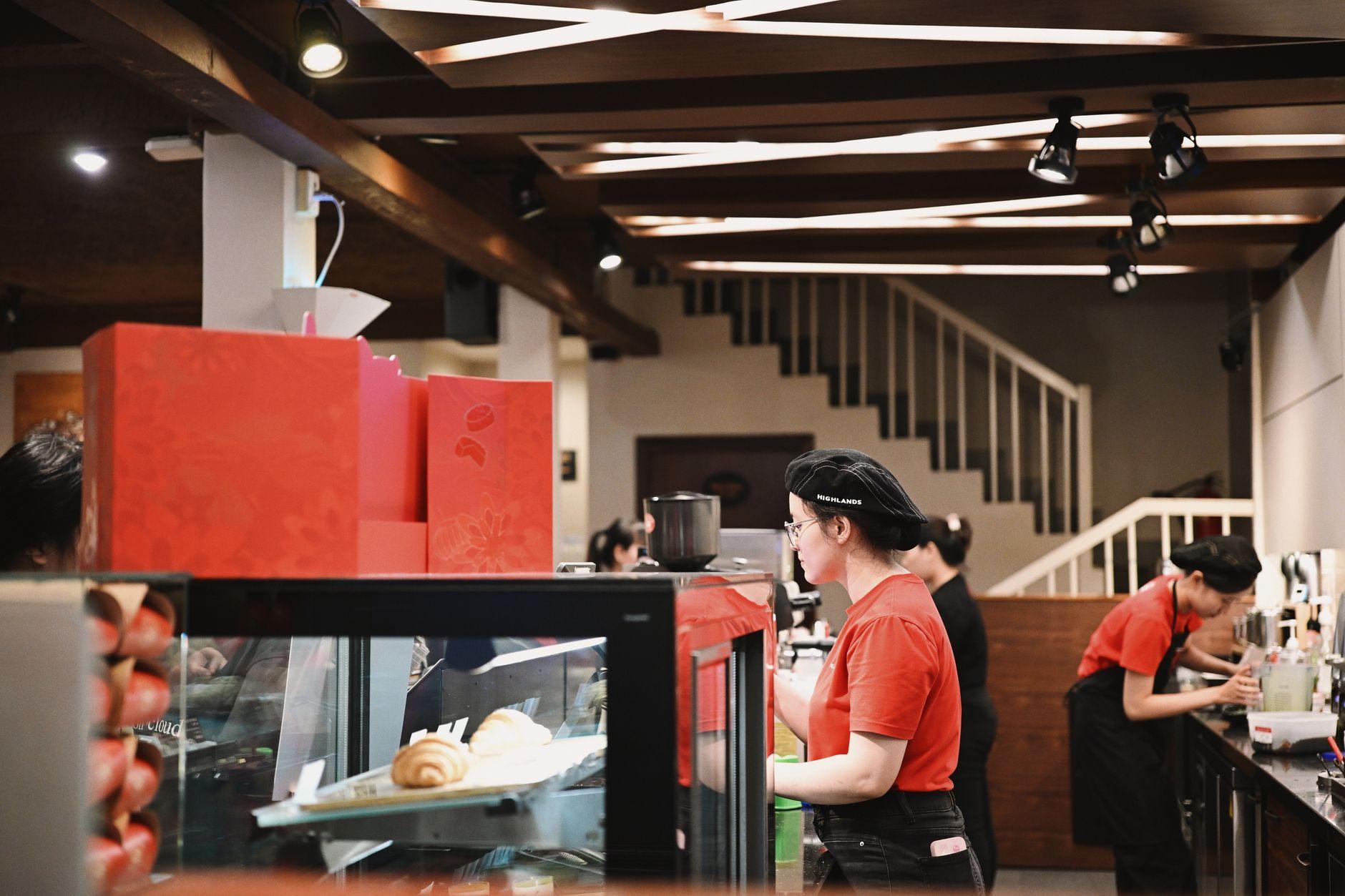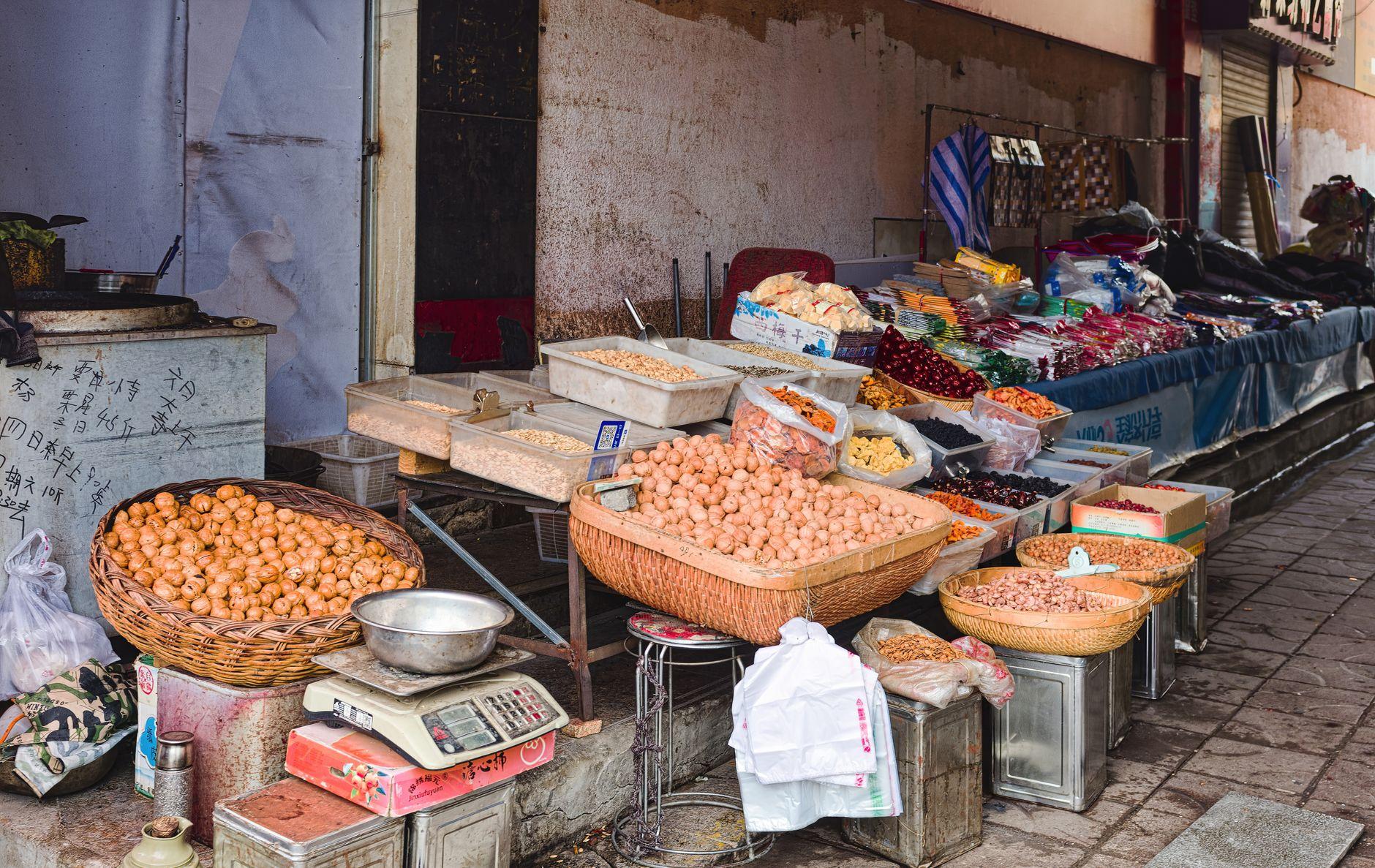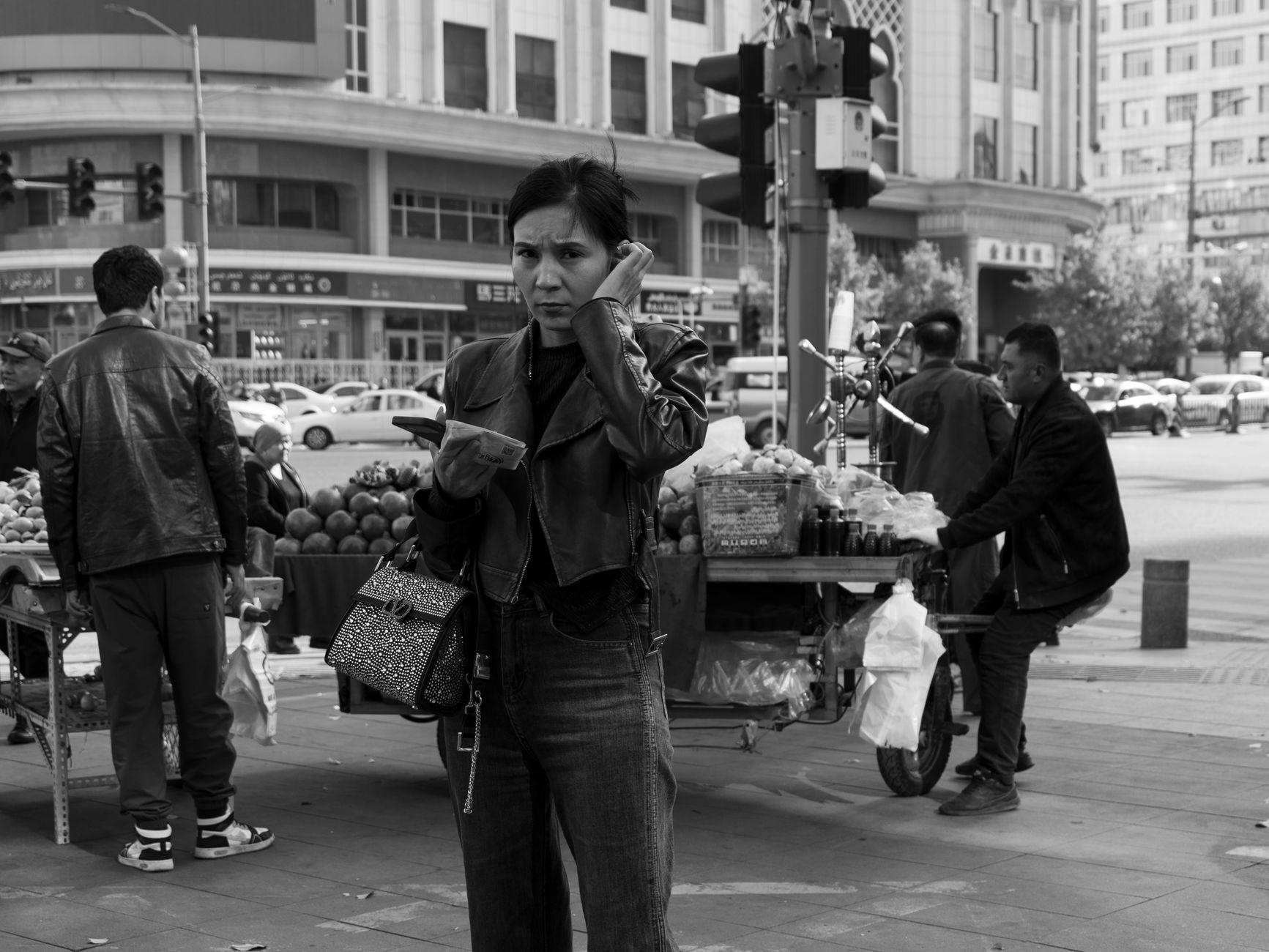

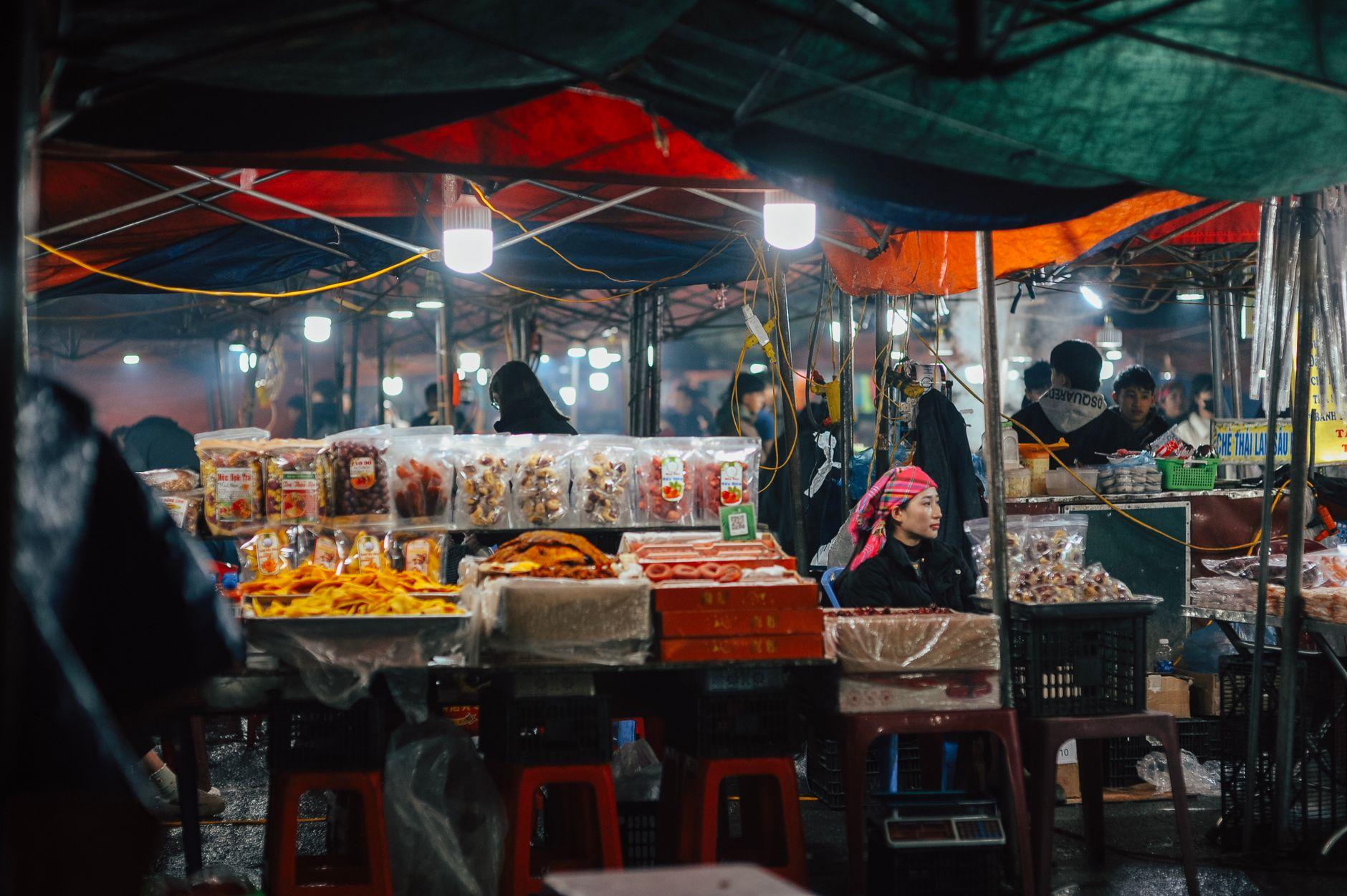
Here is a scenario worth planning for before you land in Ulaanbaatar. You are standing at a khuushuur stand near Narantuul Market, the fried dough is crackling, the vendor is holding out your order, and you now have to pay her. The stall next door has a QR code taped to the counter. This one might, or might not. What do you reach for?
Mongolia is one of those countries where the honest answer is "it depends," so instead of pretending there is one right way to pay, let's line up the actual options a traveler has at street food stalls and markets, weigh them properly, and see which combination survives a real day of eating.
Option one: a pocket full of tugrik
Cash is the traditional answer, and at markets it still works everywhere. The vendor selling buuz out of a steamer, the ger district stall grilling shashlik, the woman with a table of aaruul and dried curds at Narantuul, all of them take tugrik without a second thought.
The case for it: universal acceptance, zero technology required, and outside Ulaanbaatar it is not optional, it is the entire payment system. If your trip includes the countryside, you are carrying cash regardless.
The case against it: getting tugrik is the annoying part. You need to find an ATM that accepts your foreign card, deal with whatever your home bank charges on top, and then manage a stack of notes for the rest of the trip. Market vendors also appreciate smaller denominations, so you end up rationing your small bills like a scarce resource, spending the big notes at supermarkets to break them down. It works, but it is a chore that shapes your day more than it should.
Option two: your foreign card
Visa and Mastercard function fine in Mongolia, in the places built for them. Hotels, supermarkets like those in central Ulaanbaatar, sit-down restaurants, and the airport will all run your card.
The case for it: no setup, no cash handling, familiar.
The case against it: the card economy and the market economy barely overlap. Nobody frying khuushuur on the sidewalk has a card terminal, and even indoor market stalls that do accept digital payment usually do it through a QR code, not a card reader. Add foreign transaction fees from many home banks, and your card becomes a tool for hotels and grocery runs, not for street food. At the stall in our opening scenario, it is dead weight.
Option three: going native with a Mongolian wallet
Here is what surprises many first-time visitors: Ulaanbaatar is genuinely QR-forward. Local wallets and bank apps generate and scan QR codes constantly, and small merchants love them because a printed code costs nothing while a card terminal does not. Watch locals at a food stall and you will see phones out far more often than wallets.
The case for it: if you could pay the way locals pay, market life gets dramatically easier. Scan, confirm, eat.
The case against it: the barrier to entry. Local wallets and banking apps are built around Mongolian bank accounts, local phone numbers, and local ID. As a visitor on a two-week trip, or even an expat in your first months, you generally cannot just download the app and start scanning. Mongolia has one of the thinner sets of internationally-friendly payment options in the region, thinner than what travelers find in Thailand or Malaysia, where visitor-accessible rails are more developed. It is a familiar frustration for anyone who has hit the same wall elsewhere; being surrounded by a cashless system you cannot join is its own special kind of annoying.
Option four: scanning the local QR without the local bank account
This is where Moreta Pay changes the math. Instead of opening a Mongolian bank account, you top up a wallet from your home bank (US bank via Plaid or ACH, SEPA in Europe, UK Faster Payments, Canadian e-Transfer) or an international card, in your own currency. At the stall, you scan the same QR code the locals scan. Before you confirm, you see the amount, the exchange rate, and the merchant name on screen. Confirm, and the vendor is paid instantly in tugrik.
The case for it: you get access to the QR economy that Ulaanbaatar's markets actually run on, without local paperwork, without ATM runs for every meal, and without wondering what the conversion actually cost you. The FX is shown before you commit, not discovered on a statement three days later.
The case against it: it needs two things, a QR code and a data connection. Where either is missing, and in rural Mongolia both often are, it cannot help you. This is not a countryside solution, and pretending otherwise would be dishonest.
Running the options through a real day
Take a plausible Ulaanbaatar day. Morning coffee at a cafe near Sukhbaatar Square: card or QR, both fine. Lunch of buuz at a small canteen: QR sticker on the counter, cash as backup. Afternoon at Narantuul Market buying a cashmere sweater and snacking on aaruul: the sweater stall may take QR, the snack table probably wants cash. Dinner of khuushuur from a street stand: coin flip on the QR, cash always works. Booking tomorrow's Gobi tour online through a local operator or paying for something on Trip.com: QR-based online payment, which Moreta Pay also handles.
Score it up and a pattern emerges. Cash never fails but constantly inconveniences you. Cards handle maybe a third of the day. Local wallets would handle most of it, but you cannot get one. A visitor-accessible QR wallet plus a modest cash reserve covers essentially everything the city throws at you.
The countryside asterisk, briefly
Everything above describes Ulaanbaatar and, to a lesser extent, provincial centers. The moment your itinerary includes a ger camp, a horse trek, or a long drive through the steppe, the answer collapses to tugrik cash, withdrawn before you leave the city. We covered that split in depth in our guide to Mongolia's two payment economies, so here the short version will do: budget your countryside cash separately, in smaller notes, and do not count on topping up anywhere past the last aimag center.
So what wins at the khuushuur stand?
Not a single method. A hierarchy. For street food and markets in Ulaanbaatar, scan the QR first when there is one, because it is faster, it spares your small bills, and it is how the vendor prefers to be paid anyway. Keep a cash layer for the stalls that are cash-only and for anywhere beyond the city. Save the foreign card for hotels and supermarkets, where it belongs.
The QR layer is the one most travelers assume is closed to them, and in Mongolia's case that assumption used to be correct. It no longer has to be. Set up Moreta Pay before your flight, load it from your home bank, and the next time a khuushuur vendor nods at the QR code on her counter, you can nod back.