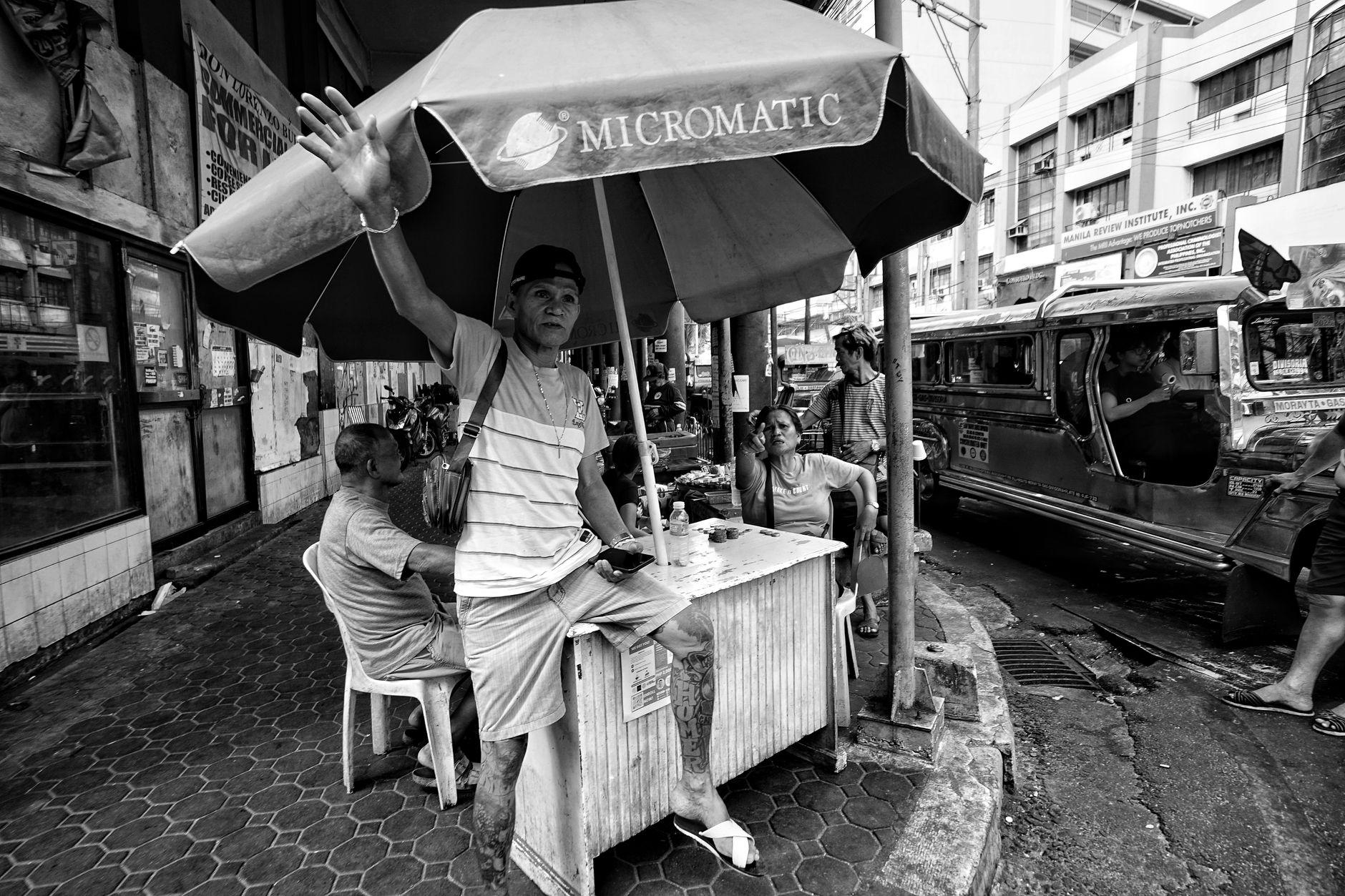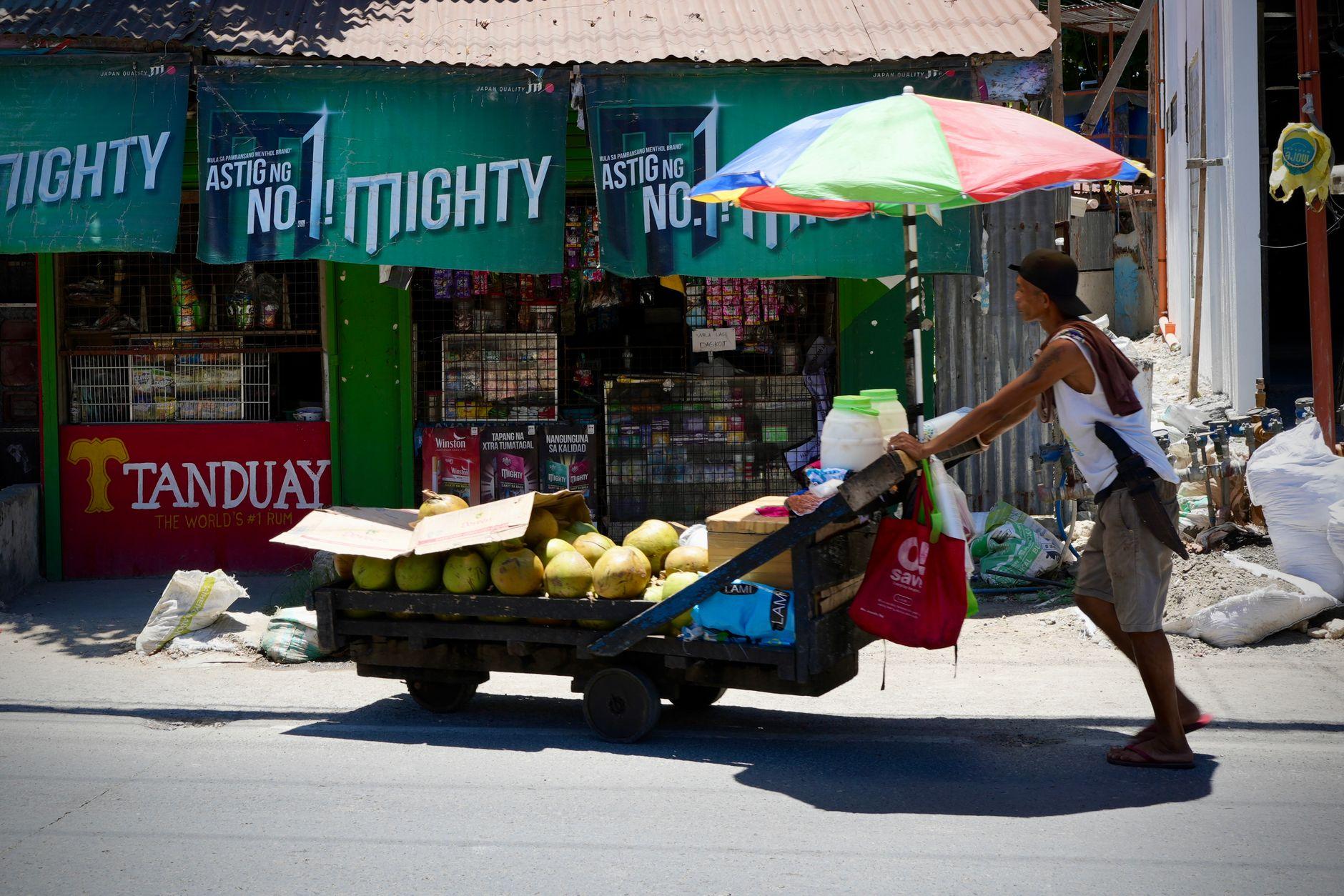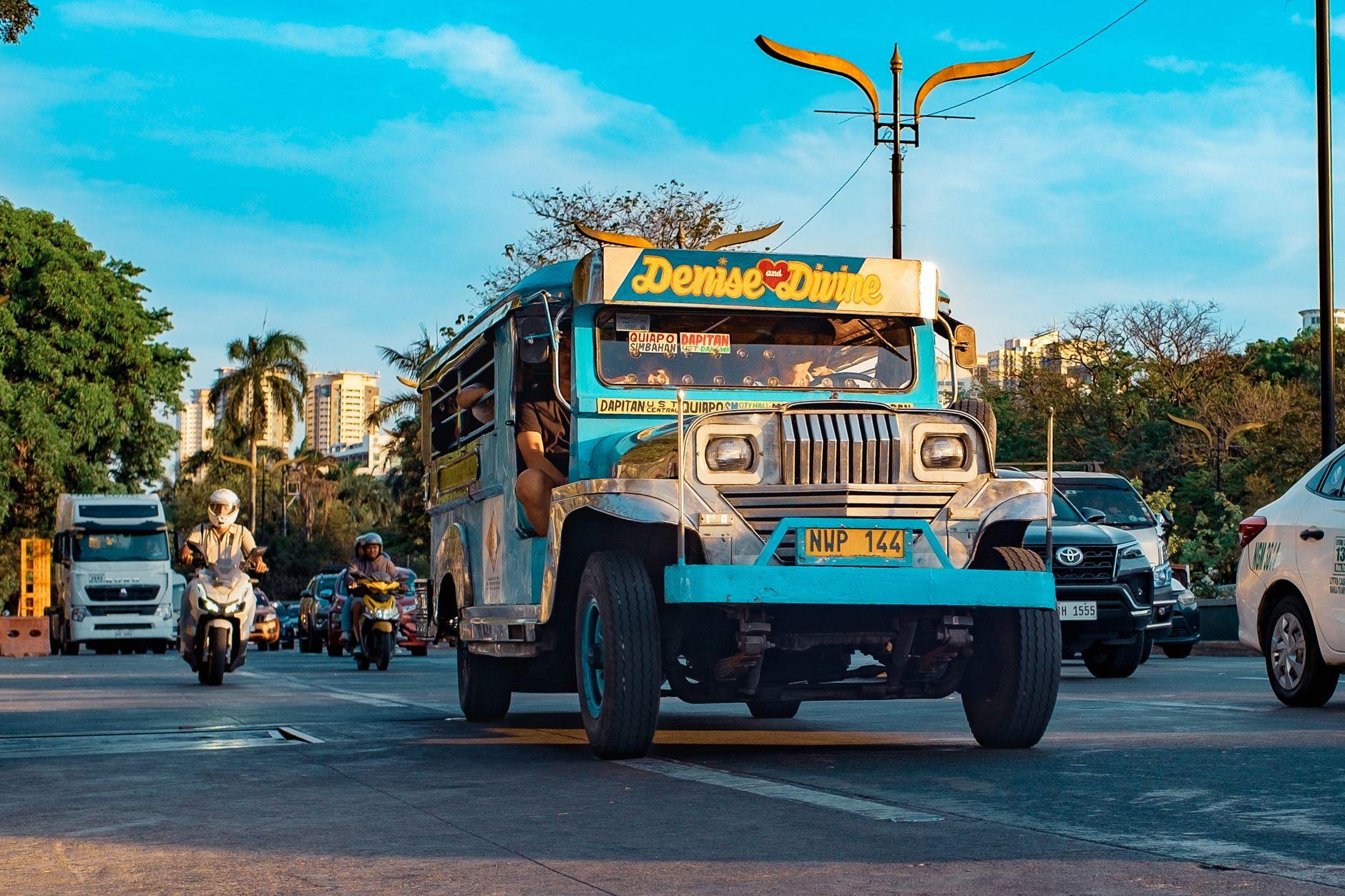

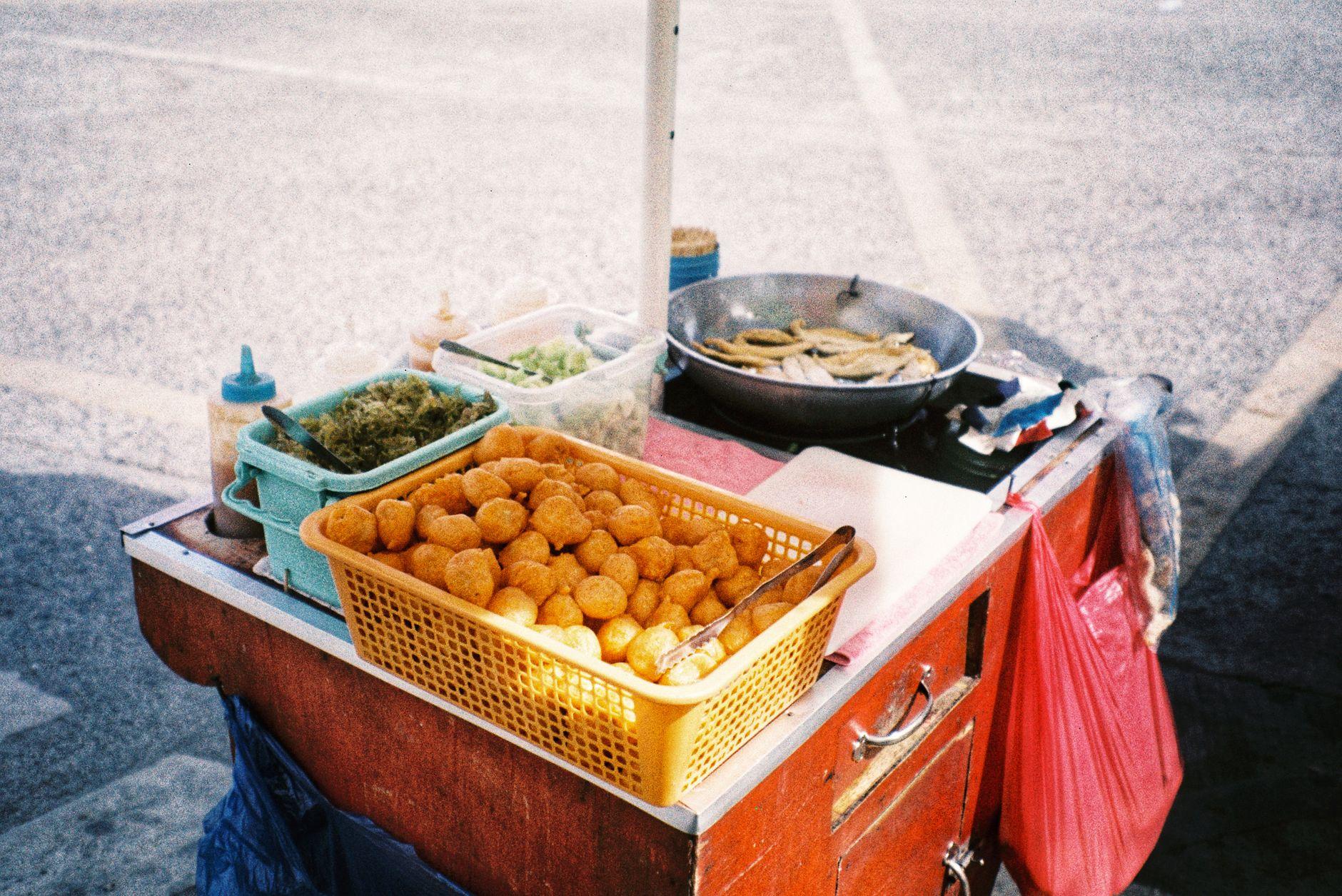
Stand at a night market in Cebu or a palengke in Quezon City and watch what locals do. Half of them hand over crumpled twenty peso bills. The other half point their phone at a small laminated sticker taped to the cart, tap confirm, and walk off with their isaw.
That sticker is the story. It's usually a QR Ph code, the Philippines' national QR standard, and it's on more street food carts, sari-sari stores, and market stalls every year. GCash and Maya, the two dominant local wallets, both run on it, which is why a single sticker can accept payments from either.
The catch for travelers: you almost certainly can't use GCash or Maya. Here's how to eat well anyway.
Why the local wallets are a dead end for visitors
GCash and Maya both expect a Philippine mobile number and a local ID to get fully verified. Some travelers manage a partial workaround with a tourist SIM, but accounts often stay limited, topping up from a foreign bank is a headache, and verification can stall at exactly the wrong moment (usually when you're hungry and the vendor is waiting).
So the practical situation in 2026 is this: the QR codes are everywhere, the locals pay with them constantly, and most foreigners are locked out of the apps that scan them.
This is where Moreta Pay earns its spot on your home screen. It scans the same QR Ph codes locals use, no Philippine SIM, no local bank account, no ID queue at a GCash verification booth. You fund the wallet from your own bank back home (US via Plaid or ACH, SEPA in Europe, UK Faster Payments, Canadian e-Transfer, or a card), then scan, check the amount and FX rate on screen, and confirm. The vendor gets paid in pesos instantly, same as if you'd used GCash.
Reading the stall: what the stickers actually mean
A quick field guide, because the signage varies:
QR Ph sticker. Often a plain black and white code with the QR Ph logo. This is the national standard and the one you want. Scan it directly.
Blue GCash sticker or green Maya sticker. Most of these are QR Ph codes underneath the branding, especially newer ones. If a scan works, you're set. If a vendor has an older wallet-only code, they usually have a QR Ph version too. Asking "May QR Ph po ba kayo?" gets you far.
A phone number written in marker on cardboard. Some vendors accept transfers to their personal wallet number instead of a printed code. That route needs a local app, so treat it as a cash situation.
Nothing at all. Common at the smallest carts and anywhere outside cities. Cash, no negotiation.
The barya problem
Here's something no one tells you before your first market run: the hard part of paying cash in the Philippines isn't having cash. It's having the right cash.
A stick of barbecue might cost less than the smallest bill an ATM gives you. Hand a street vendor a 1,000 peso note for a 25 peso taho and you'll get an apologetic "walang sukli" (no change), and either an awkward wait while someone runs to break the bill or a sale that simply doesn't happen.
Two fixes. First, hoard small bills and coins like they're precious, because at a palengke they are. Break big notes at 7-Eleven, malls, and chain restaurants, never at a food cart. Second, this is quietly one of the best arguments for scanning instead: a QR payment is always exact. No sukli, no fumbling, no holding up the line at a busy lechon stall.
Manila is not Siquijor: plan for both Philippines
QR adoption in the Philippines is heavily urban. In Metro Manila, Cebu City, and Davao, you can scan your way through markets, food parks, and even ambulant vendors. In provincial towns and smaller islands, cash is still king and the sticker density drops fast.
Island hopping makes this sharper. On stretches of Palawan, in Siargao's outer barangays, or on smaller Visayan islands, ATMs are scarce, sometimes offline, and sometimes empty by the weekend. Travelers routinely take a boat back to town just to withdraw cash.
The sensible strategy is a split load. Carry enough small-denomination cash to cover the days between reliable ATMs, and use QR wherever a sticker appears so your cash stash lasts longer. Every scanned payment is a bill you didn't have to break and an ATM run you didn't have to make. The dynamic is similar across the region; Thailand has its own version of the split, which we covered in our piece on Thai street food payment myths.
A first-market walkthrough
Say it's your first evening at Sugbo Mercado in Cebu or a Friday food market in BGC. Here's the play:
1. Load your wallet before you go. Top up Moreta Pay from your home bank while you still have good wifi. Don't do financial admin standing in front of a sizzling sisig pan.
2. Order first, then look for the sticker. Vendors are used to the ritual. If you see QR Ph, GCash, or Maya branding, ask "pwede QR?" and they'll point at the code.
3. Scan, verify, confirm. You'll see the merchant name, the peso amount, and the exchange rate before anything moves. Check the name matches the stall (shared codes at multi-vendor markets sometimes route to the market operator, which is normal).
4. Show the confirmation screen. Most vendors get a notification instantly, but flashing your screen is standard etiquette, especially at busy stalls.
5. Keep small cash as your fallback. Kwek-kwek carts, tricycle drivers, and the tinderas at the wet market's fish section may still be cash-only. That's fine. Twenties and fifties are your friends.
Where else the same trick works
The QR habit doesn't stop at food. In supported spots you can scan to pay at cafes, pharmacies, and convenience stores, settle certain bills, and pay for QR-based checkouts on platforms like Shopee, Lazada, Agoda, and Trip.com, useful when you're booking the next island ferry hotel from a hammock. If you're staying longer than a food trip and want the full picture of daily spending in the country, our month-long comparison of every way to pay in the Philippines goes deeper.
The short version for street food, though: cash for the smallest carts and the far provinces, QR for everything with a sticker, and no need to fight the GCash verification process to get there. Get Moreta Pay set up before you land and the laminated sticker on the fishball cart stops being a locals-only club.