
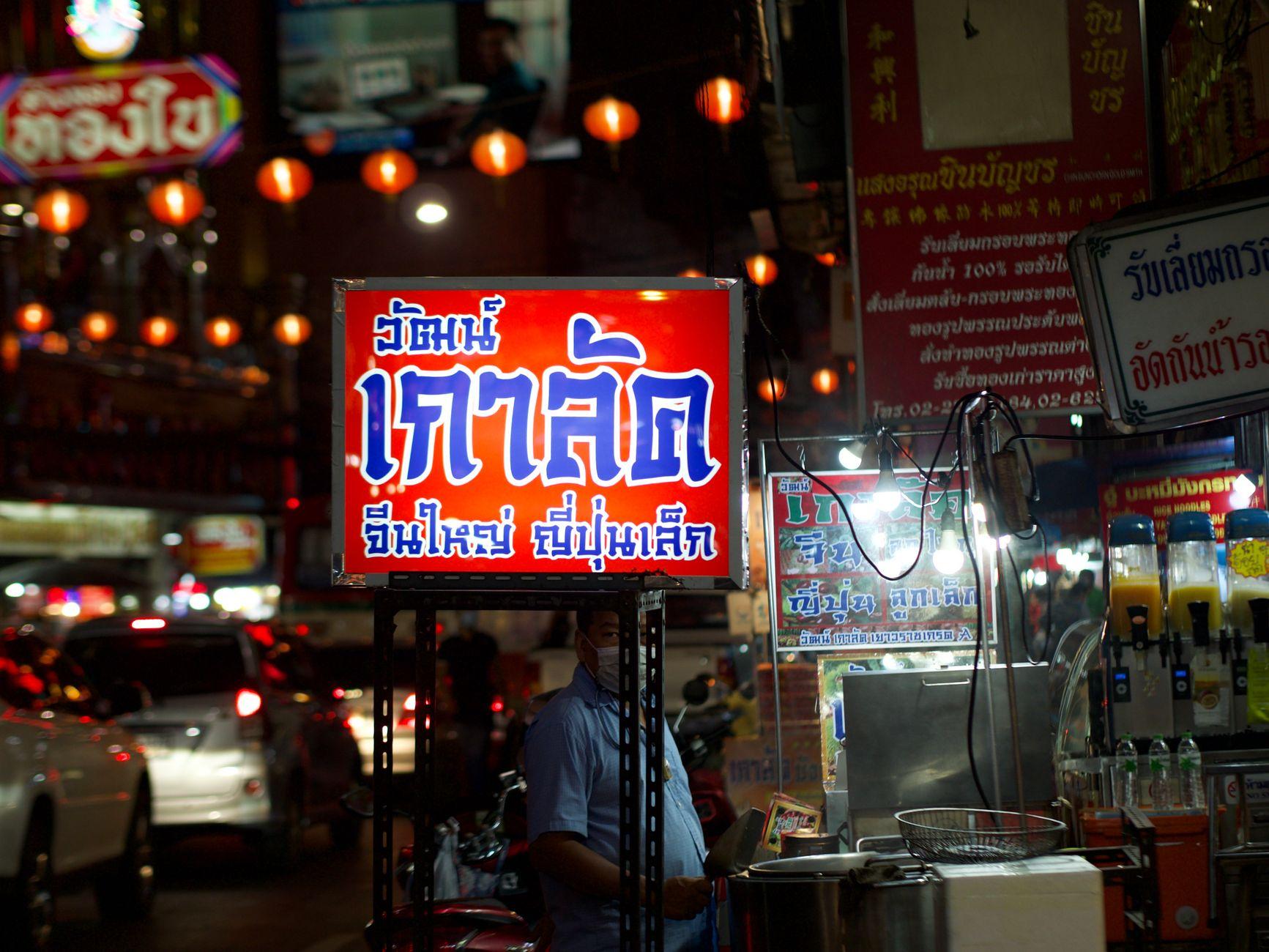
There is a whole genre of travel advice about money in Thailand, and most of it was written for a country that no longer exists. The advice usually goes: carry small bills, guard your coins, and never expect a khao man gai stall to take anything but cash. Then you land, walk into your first night market, and notice that the auntie grilling moo ping has a laminated QR code taped to her cart, and the customer ahead of you pays for thirty baht of pork skewers with a two second phone scan.
Thailand's street food and market economy runs on PromptPay now, the national QR standard that connects essentially every Thai bank. Here are the myths that trip up travelers, corrected one at a time.
Myth 1: Street food stalls are cash-only businesses
This one was true for decades, which is why it survives. It is not true anymore. PromptPay QR codes are accepted almost everywhere in Thailand, and street food is where the change is most visible. The som tam lady in a Bangkok soi, the roti cart outside a Chiang Mai temple, the seafood grill at a Phuket night market: the QR sticker is usually taped to the cart, hanging from the umbrella pole, or propped up in a little acrylic stand next to the chili flakes.
Vendors like it for practical reasons. No making change at the dinner rush, no cash box to watch, and the money lands in their account instantly. Locals pay 40 baht bowls of noodles by QR without thinking about it. The idea that digital payments are only for restaurants with air conditioning is roughly seven years out of date.
Myth 2: A foreign Visa or Mastercard covers the gaps
Here is the twist that catches card-confident travelers. Thailand went cashless in a way that mostly skipped card terminals. Malls, hotels, and chain restaurants take cards, but the places you actually eat and shop as a traveler often do not. Market stalls, food courts that are not attached to a mall, mom-and-pop noodle shops, and many taxis are cash-or-QR only. Some smaller shops that technically have a card machine will wave off a foreign card anyway, because the fees eat their margin on a 60 baht sale.
So the payment hierarchy at street level is: PromptPay QR first, cash second, cards a distant third. If your plan for Thailand is "I'll just tap my card," your plan works at 7-Eleven and falls apart at the first market you visit. Worth noting: 7-Eleven takes PromptPay QR too, so even the places where cards work don't require one.
Myth 3: Just hit the ATM whenever you run low
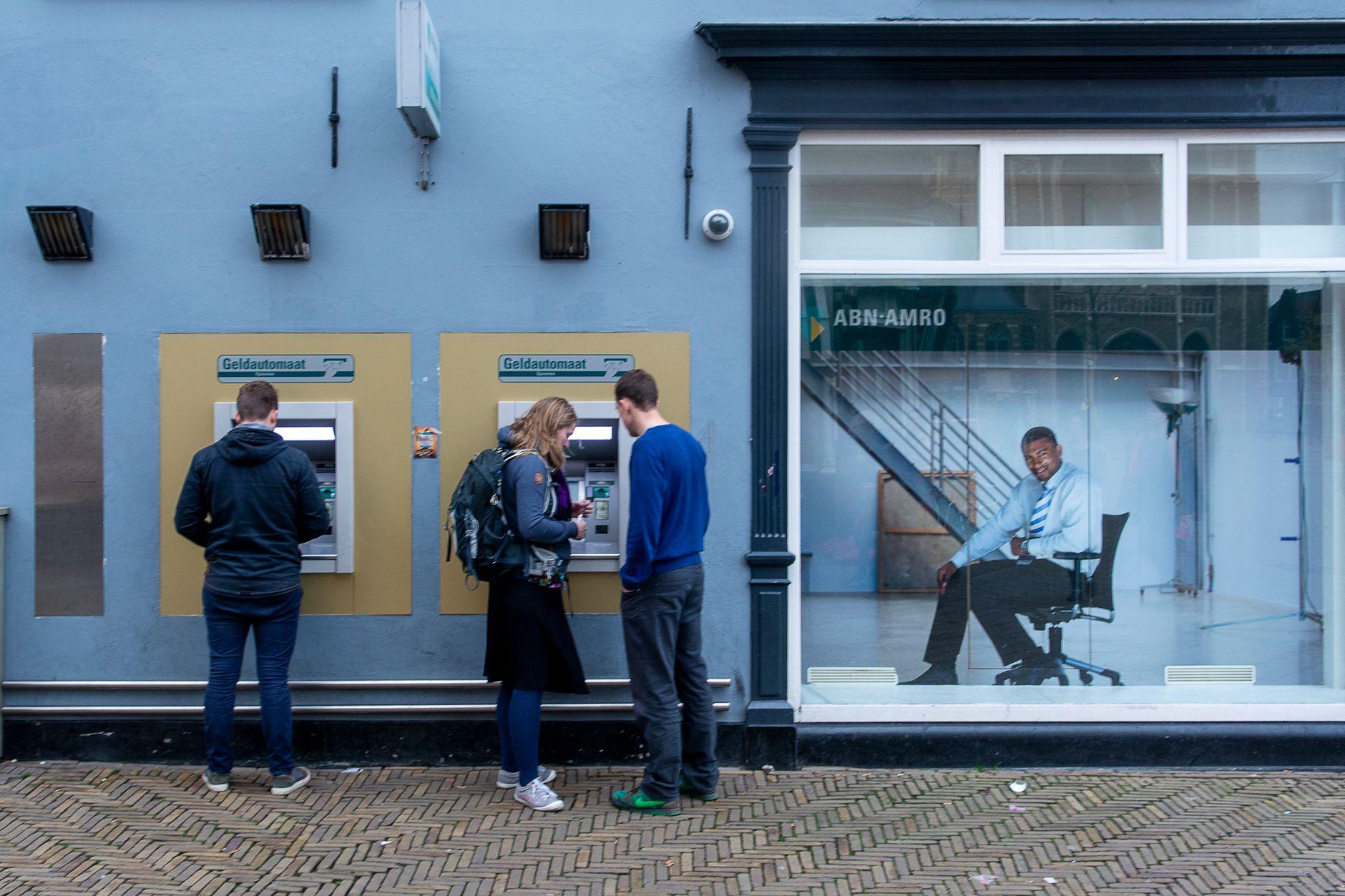
Thai ATMs charge foreign cards a withdrawal fee that is famously painful, often 220 baht per transaction, before your home bank adds its own foreign transaction and conversion fees on top. On a small withdrawal, that fee alone can cost more than your dinner. Travelers respond by withdrawing huge amounts to spread the fee out, which means walking around a night market with a wallet full of thousand baht notes that no skewer vendor wants to break.
We covered the math and the workarounds in more depth in our Thailand spending FAQ, but the short version is that the ATM run is a cost you can mostly design out of your trip, not a fixed tax on being foreign.
Myth 4: PromptPay is only for people with a Thai bank account
This is the myth that keeps travelers stuck in cash. PromptPay QR codes are standard codes, and you do not need a Thai bank account to pay them. With Moreta Pay, you top up a wallet from your home bank (US bank via Plaid or ACH, SEPA in Europe, UK Faster Payments, Canadian e-Transfer) or an international card, all in your own currency. At the stall, you scan the vendor's PromptPay code exactly like a local would. The app shows you the amount, the FX rate, and the merchant name before you confirm, then converts and pays the vendor instantly in baht.
From the vendor's side, nothing is different. Their phone chirps, the payment confirmation appears, you get your mango sticky rice. They do not need to know or care that your money started as dollars or euros this morning.
Myth 5: QR payments slow down a busy stall
Watch a Thai food court at lunch and you will see the opposite. Cash is the slow lane: counting bills, fishing for coins, the vendor wiping their hands to make change. A QR payment is scan, type the amount if the code doesn't include it, confirm, show the screen. Vendors at busy stalls will often glance at your confirmation screen and nod you along without breaking rhythm on the wok.
Two small etiquette points help. First, have the app open before you reach the front of the queue. Second, if the stall has both a static QR sticker and a printed price board, the vendor may ask you to enter the amount yourself, so confirm the total out loud ("haa-sip baht?") before you type. It takes one evening to feel natural.
Myth 6: Outside Bangkok, it all goes back to cash
PromptPay is national infrastructure, not a Bangkok perk. Morning markets in Chiang Rai, walking streets in Ubon, beach stalls in the islands: the QR stickers are there, because the vendors are paying their own suppliers by PromptPay too. Where you will still want some cash is the genuinely analog corners of travel: a songthaew driver in a small town, a boat crossing, a temple donation box, a market grandmother who never bothered with the sticker. Taxis in the cities, meanwhile, are usually cash-or-QR only, so a working QR option saves you from the classic "driver has no change for a 1000" standoff.
The realistic setup for 2026 Thailand is a few hundred baht in small notes as a buffer, and QR for everything else. That is roughly the same ratio locals carry.
What this looks like across a market evening
Put it together and a night market run looks like this: grilled chicken at one stall, papaya salad at another, a fresh coconut, a t-shirt from the clothes racks, dessert from a cart. Five vendors, five scans, zero trips to an ATM, zero moments of holding up the line while someone hunts for change. Each time, Moreta Pay shows you the merchant name and the exact conversion before you confirm, so you know what dinner actually cost in your home currency instead of finding out on a bank statement weeks later. The same wallet handles the rest of Thai life too, from QR checkout on Lazada and Shopee to booking on Agoda or Trip.com.
Thailand made everyday spending fast and phone-first years ago. The only thing that kept travelers out of that system was the Thai bank account requirement, and that barrier is gone. Set up Moreta Pay before your flight and your first night market can be your first PromptPay payment.