
Thailand is one of the easiest countries in the world to pay for things, if you pay the way locals do. It is one of the most expensive if you pay the way most tourists do.
The gap comes down to a handful of avoidable mistakes. Here they are, roughly in the order travelers make them, from the airport to the flight home.
Mistake 1: Treating ATMs as the main plan
Thai ATMs charge foreign cards a notoriously high operator fee, often 220 THB per withdrawal, before your own bank adds its cut on top. Do that every couple of days for a two-week trip and you have quietly paid a decent dinner's worth of fees for the privilege of carrying cash.
The fix is not "withdraw bigger amounts," which just means walking around with more baht than you want to lose. The fix is needing the ATM less. Thailand runs on PromptPay QR codes, and you can pay into that system directly from your phone. We broke down how Thai machines compare to the rest of the region in our country-by-country ATM fee guide, and Thailand is consistently one of the worst places to rely on them.
Mistake 2: Assuming your credit card works everywhere
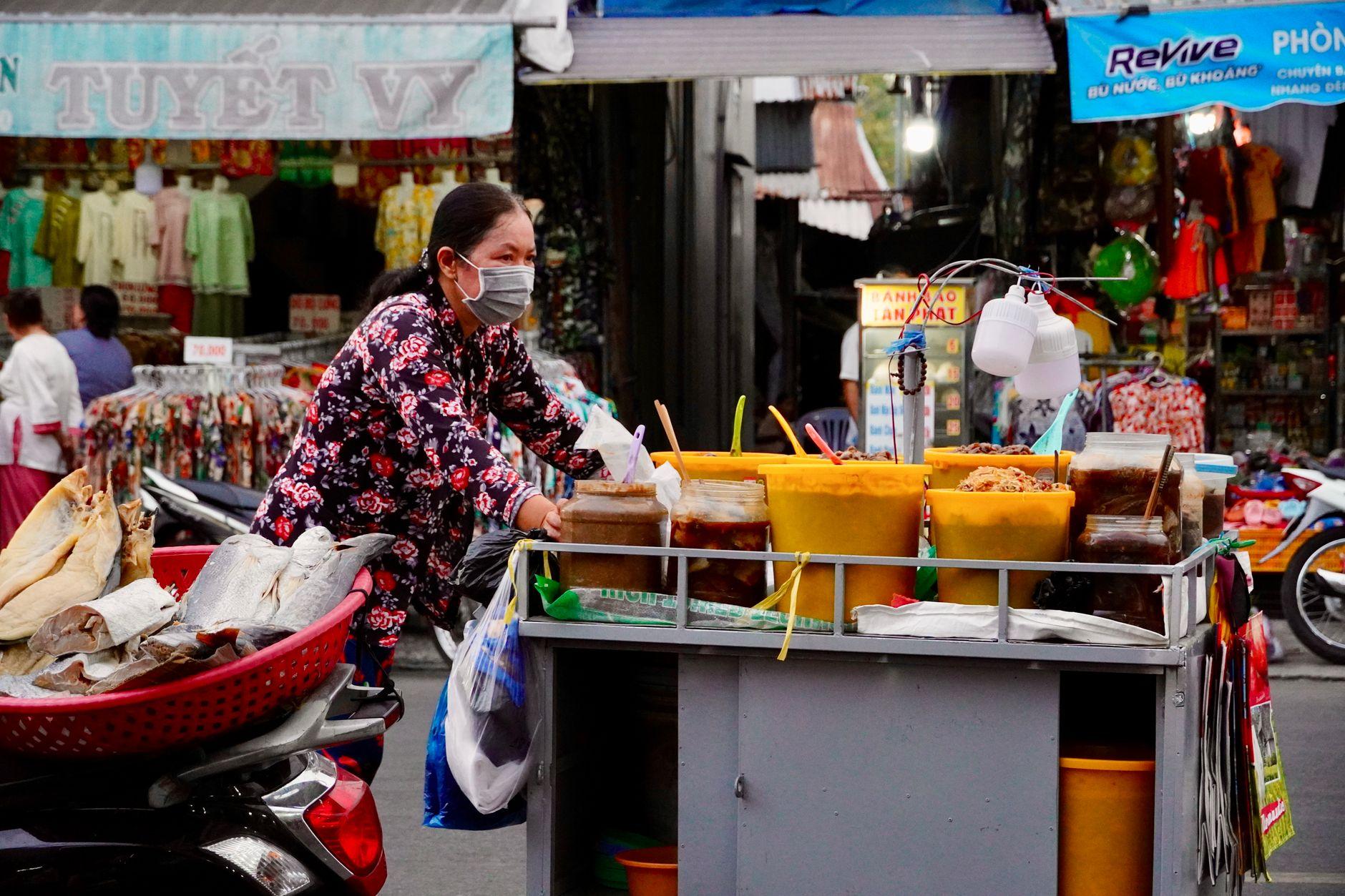
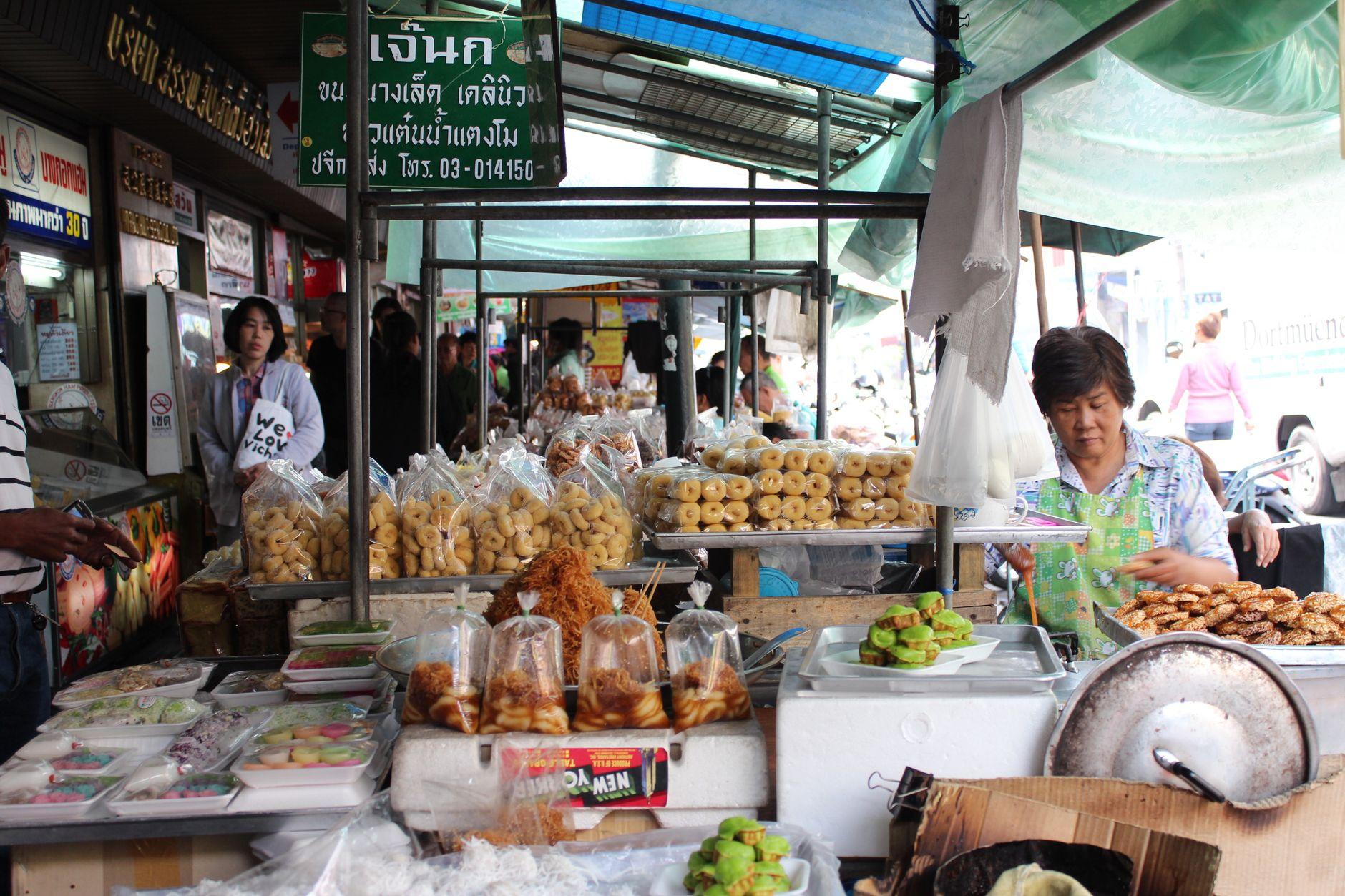
In Bangkok malls and hotel lobbies, sure. But step outside that bubble and Thailand is not a card country. Street food stalls do not take cards. Most market vendors do not take cards. Many small restaurants, laundries, and motorbike rental shops do not either. Plenty of taxis are strictly cash or QR, and the driver will tell you so at the door.
Even merchants with a card terminal sometimes refuse foreign cards or add a surcharge for them. Locals barely notice because they are all paying by PromptPay anyway. The blue and white QR placard taped to the counter is the real national payment terminal.
Mistake 3: Watching locals scan QR codes and assuming you can't
This is the big one. Travelers see the entire country scanning QR codes, at 7-Eleven, at noodle carts, at the back of taxis, and assume PromptPay is locals-only because it is linked to Thai bank accounts.
The Thai bank account part is true. You will not get one on a tourist visa, and even expats often wait weeks. But you do not need one to pay those same QR codes. Moreta Pay lets you scan a merchant's standard PromptPay QR, the exact same code a Thai customer scans, see the amount and the FX rate in your own currency, and confirm. The vendor gets baht instantly, same as from any local. You top up the wallet from your home bank or card before or during the trip, so no Thai account ever enters the picture.
Once you can scan what locals scan, mistakes one and two mostly solve themselves.
Mistake 4: Saying yes to "pay in your home currency"
At card terminals and some ATMs, you will be offered a choice: pay in baht or in dollars, euros, or pounds. Choosing your home currency feels safer. It is not. That option, called dynamic currency conversion, lets the machine set the exchange rate, and it is reliably worse than letting your own bank or wallet handle the conversion.
The rule is simple: always choose baht. Better yet, use a payment method that shows you the exact exchange rate before you confirm, so there is no mystery conversion at all. That transparency before you tap confirm is exactly how a QR wallet payment works, which is part of why locals trust the system.
Mistake 5: Letting the vendor type the amount without looking
Many Thai QR payments work like this: you scan the code, the vendor tells you the amount or types it, and you confirm. At a busy night market with a line behind you, it is tempting to confirm without reading.
Don't. Honest mistakes happen, an extra zero, the previous customer's total still on screen. Always glance at the amount and the merchant name before confirming. With Moreta Pay you see both, plus the conversion to your currency, on one screen, so a 60 baht pad kra pao that somehow became 600 gets caught before the money moves, not after.
Mistake 6: Carrying a week of cash "just in case"
Some cash in Thailand is genuinely useful. A few hundred baht covers temple donations, the odd songthaew ride, and the rare stall with a faded QR sticker that no longer scans. What you do not need is the fat envelope of notes many travelers withdraw on day one.
Big cash reserves create their own problems: you worry about the hotel safe, you break 1,000 baht notes on 40 baht purchases and annoy vendors, and a pickpocket's jackpot gets bigger. Keep walking-around money small and let QR handle the rest. Your phone is harder to spend than your wallet if it goes missing.
Mistake 7: Flying home with a pocket full of baht
Leftover cash is the tax on over-withdrawing. You exchanged your money into baht at one spread, and now the airport kiosk will exchange it back at another. You lose on both ends. We covered why this double conversion quietly costs travelers twice, and Thailand is a classic case.
The prevention is upstream: withdraw less in the first place, pay by QR for daily spending, and spend down whatever cash remains on your last days, 7-Eleven runs are perfect for this. Money sitting in a wallet balance does not have this problem, since nothing converts until the moment you pay.
A realistic day without these mistakes
Morning: iced coffee from a cart, scan the PromptPay QR, confirm 45 baht. Lunch at a shophouse restaurant, same move. Grab a taxi whose driver announces "cash or QR only," and it is a non-event because QR is exactly what you have. Evening at a night market, five stalls, five scans, zero trips to find change. Later, you book a hotel for the islands on Agoda and pay the QR option there too, since Thailand's QR rails also cover online checkouts on platforms like Agoda, Trip.com, Lazada, and Shopee.
Total ATM visits: maybe one all week, for small-bill pocket money. Total surprise fees: none you did not see on screen first.
Set it up before you land
None of this requires a Thai bank, a local SIM registration marathon, or a stack of airport-exchanged notes. It requires about five minutes before your flight: download Moreta Pay, connect your home bank or card, and top up in your own currency. The first time a taxi driver points at the QR card on his dashboard and you just scan it like everyone else, the whole trip gets easier. Get your wallet ready before Thailand does its best to charge you for not having one.