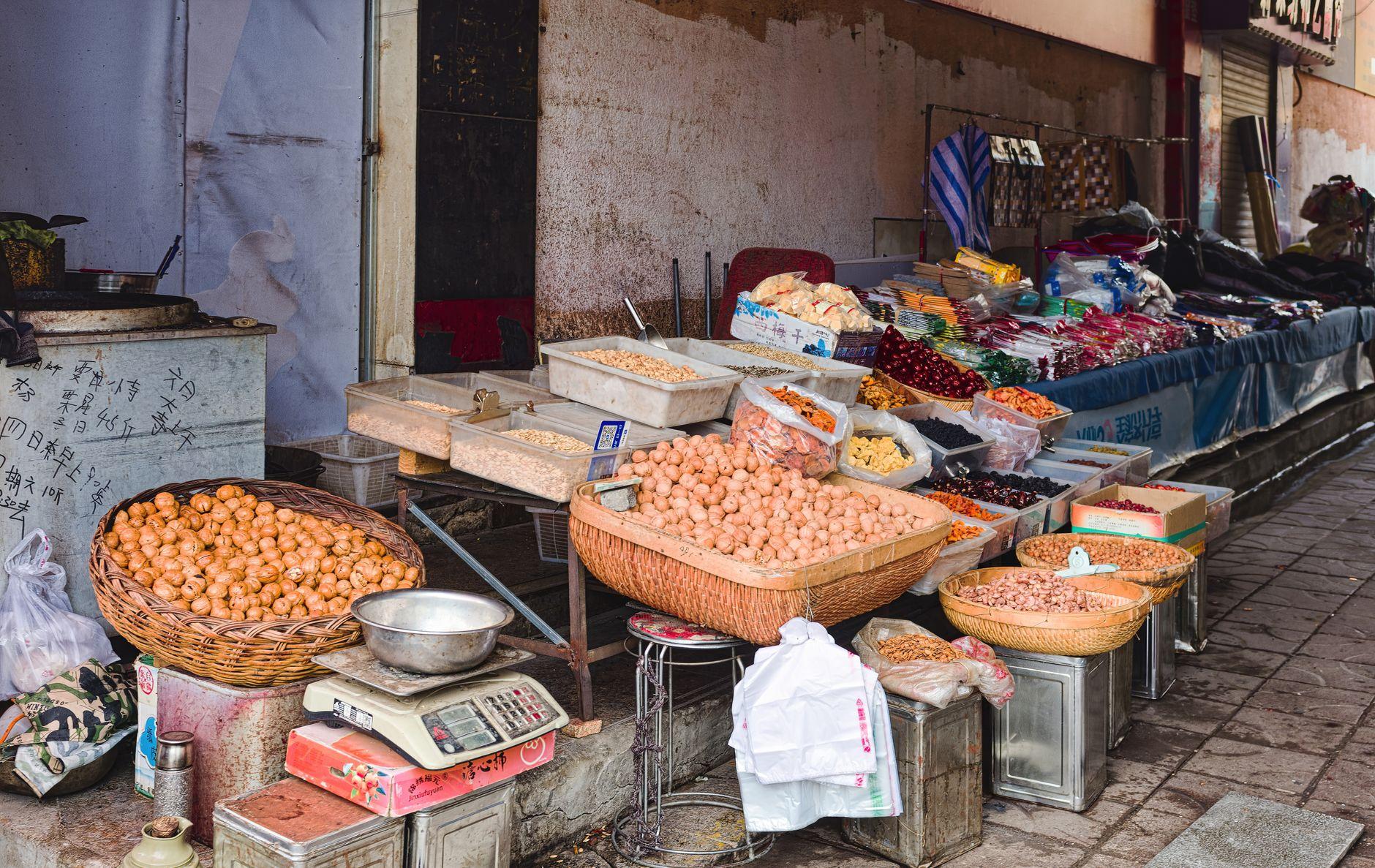

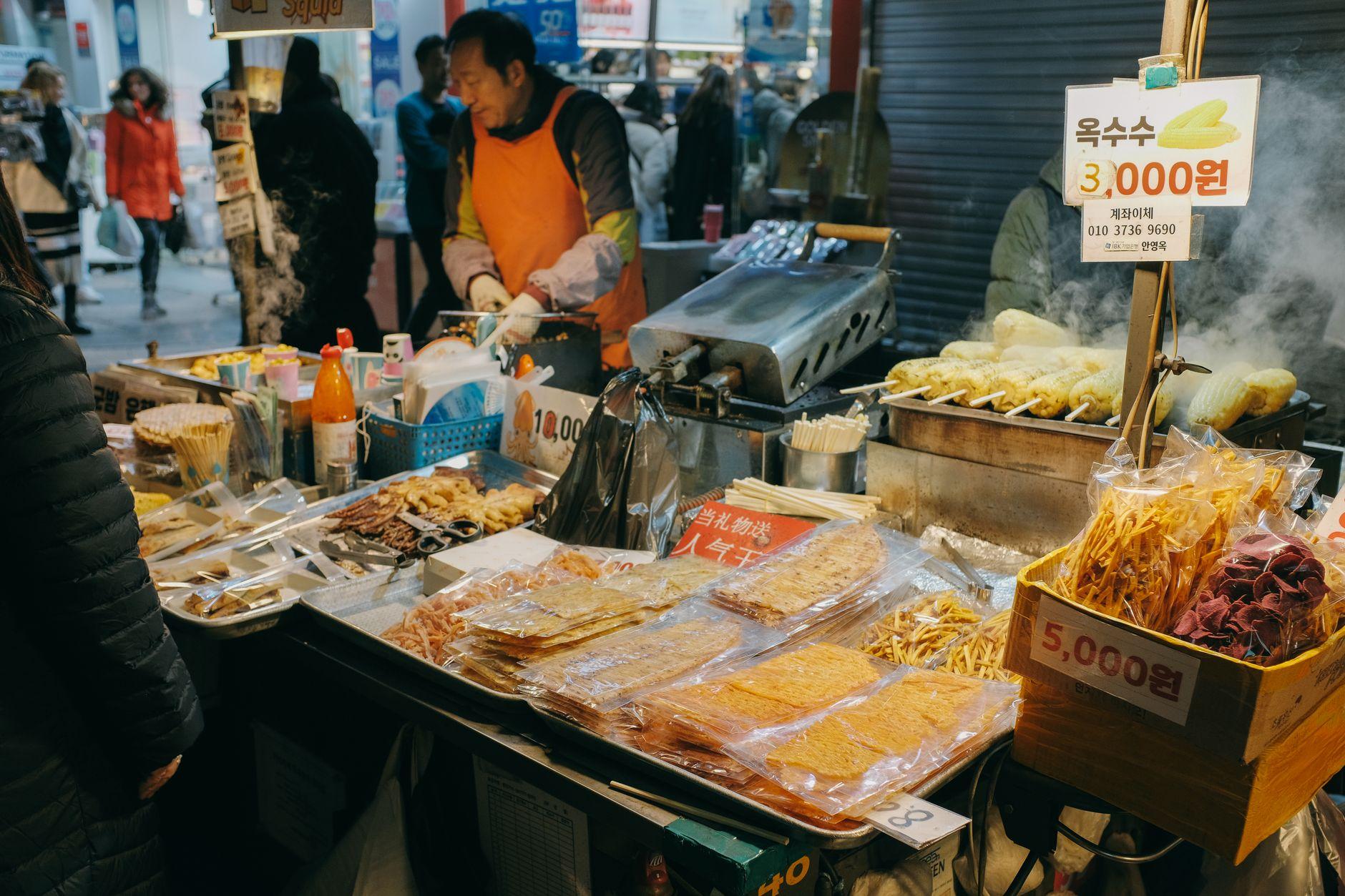
There is a simple test for whether your money setup actually works in South Korea. Walk into Gwangjang Market in Seoul, sit down at a bindaetteok stall, eat, and then try to pay. The big department store two blocks away would have taken your foreign Visa without blinking. The ajumma frying mung bean pancakes may want cash, a Korean card, or a scan of the QR code taped to her counter. That gap, between the Korea that happily takes international cards and the Korea that runs on KakaoPay and Naver Pay, is where most travelers' assumptions fall apart. Let's correct them one at a time.
"Korea is ultra modern, so my card works everywhere"
Half right. South Korea is one of the most cashless societies on earth, and in convenience stores, chain cafes, department stores, and most restaurants in Seoul or Busan, an international credit or debit card goes through without drama. The catch is the other half: the small eateries, traditional markets, pojangmacha tents, and neighborhood shops where daily life actually happens. Many of these are local-payment only. They take Korean cards, cash, or a QR scan through KakaoPay or Naver Pay, and a foreign card simply is not in the system. The country being cashless does not mean it is foreigner-card friendly end to end. It means locals stopped carrying cash because their phones do everything, and the infrastructure followed them, not you.
"I'll just download KakaoPay when I land"
This is the most common plan and the one that fails fastest. KakaoPay and Naver Pay dominate everyday payments in Korea, and both require Korean phone number verification to activate, with the useful features typically tied to a Korean bank account on top of that. A tourist SIM or eSIM with a data-only plan does not get you through identity verification. Expats who have gone through the full resident setup can eventually register, but a visitor on a two week trip realistically cannot. So the apps every Korean is using at the counter next to you are, for practical purposes, closed to you. The workaround is not to fake your way into a Korean app. It is to use something that can read the same merchant QR codes from the outside. This is exactly the gap Moreta Pay fills: you scan the standard QR code at the stall, see the amount in won and the FX rate before confirming, and the merchant gets paid instantly, no Korean phone number or bank account involved.
"I barely need cash, so ATM fees don't matter"
The logic sounds fine until you do the math on behavior. Because so much of Korea is cashless, travelers tend to withdraw cash only occasionally, in small amounts, for markets and the odd cash-only spot. Small, frequent withdrawals are the worst pattern for ATM economics, since fixed operator fees and your home bank's charges hit every single transaction regardless of size. And Korean ATMs add their own friction: not every machine accepts foreign cards, so you are often steered toward "Global ATMs" in convenience stores and tourist areas. Some of those machines will offer to convert the withdrawal into your home currency on screen. Decline that. Letting the machine choose the conversion is almost never in your favor. Always take the charge in Korean won and let your own bank handle conversion, or better, reduce the number of withdrawals you need in the first place by paying the local way.
"A T-money card solves everything"
T-money is genuinely great, and you should get one. It covers the subway, buses, taxis in many cases, and small purchases at convenience stores. But it is a transit card with a side hustle, not a payment system. You usually top it up with cash at a machine or convenience store counter, which means it does not remove the ATM problem, it just launders it through a plastic card. And it will not help you at a restaurant, a market stall, a hair salon, or an online checkout. Treat T-money as your transport layer and plan separately for everything else.
"Small places prefer cash anyway"
Less and less true every year. Korean merchants have strong reasons to prefer digital payments, and plenty of small vendors would rather you scan their QR code than hand over bills they have to count, store, and deposit. There is a whole cost story behind why a printed QR code on the counter can be the merchant's favorite option, which we have written about from the merchant's side of the counter. In Korea the practical effect for you is simple: the QR code taped next to the till is often the easiest door in, if you have an app that can walk through it.
"Online bookings in Korea all take international cards"
Major international platforms usually do, but the moment you drift into Korea-facing checkouts, things change. Local booking pages, some delivery and ticketing flows, and Korean e-commerce options frequently assume a Korean payment method, and your foreign card gets rejected with an unhelpful error in Hangul. When a checkout offers a QR-based payment option, that becomes your escape hatch. Moreta Pay handles QR-based online payments the same way it handles a market stall: scan, review the amount and rate, confirm from your wallet, done. The same approach works on regional platforms like Trip.com or Agoda when they present a QR option at checkout.
So how do you actually pay in South Korea?
Here is the honest layered setup for a visitor in 2026. Bring one good international card for hotels, chains, and larger restaurants, since those will take it. Get a T-money card for transit the moment you land. Keep a small cash reserve for the genuinely cash-only corners, which still exist in older markets and rural areas. Then cover the biggest gap, the local QR economy, with a wallet you top up from home. With Moreta Pay you fund the wallet from your own bank (US via Plaid or ACH, SEPA in Europe, UK Faster Payments, Canadian e-Transfer) or a card, in your own currency, then pay Korean merchants by scanning the same codes locals scan with KakaoPay or Naver Pay. Every payment shows the merchant name, the won amount, and the exact FX rate before you confirm, so there is no mystery line on your statement three days later. If Korea is one stop on a longer swing through Asia, it also helps that one wallet can follow you across borders instead of rebuilding your setup in every country.
The Gwangjang test is passable. You just cannot pass it with the setup that works at home. Load a wallet before your flight and scan your first Korean QR code with Moreta Pay, then order the bindaetteok without checking how much cash is left in your pocket.