
South Korea is one of the most cashless societies on earth, and almost none of that cashless infrastructure was built with visitors in mind. KakaoPay and Naver Pay run daily life for Koreans, from convenience store snacks to splitting a barbecue bill, but both are locked behind Korean phone verification. Meanwhile your foreign card works fine at Olive Young and fails mysteriously at a tteokbokki stall in Gwangjang Market. Travelers land at Incheon with the same list of questions, so here they are, answered directly.
Is South Korea really as cashless as people say?
Yes, and possibly more than you expect. Locals go weeks without touching a banknote. Cafes in Seoul sometimes post signs saying they do not accept cash at all. Taxis, convenience stores, department stores, subway machines, everything is built around cards and phone payments. The irony for visitors is that a hyper-cashless country can still push you toward cash, because the two payment apps everyone uses are hard for a foreigner to join.
Can I sign up for KakaoPay or Naver Pay as a tourist?
Realistically, no. Both require verification tied to a Korean mobile number, and in practice a Korean bank account makes them far more useful. Expats who have registered for residency and opened a local account can get set up, and if you are staying long term it is worth doing. But if you are visiting for two weeks, or you are a nomad on a ninety day stay, you will not get through onboarding, and no amount of app store region switching changes that. This is the same wall travelers hit with GCash in the Philippines and with local wallets across Asia.
Will my foreign Visa or Mastercard work?
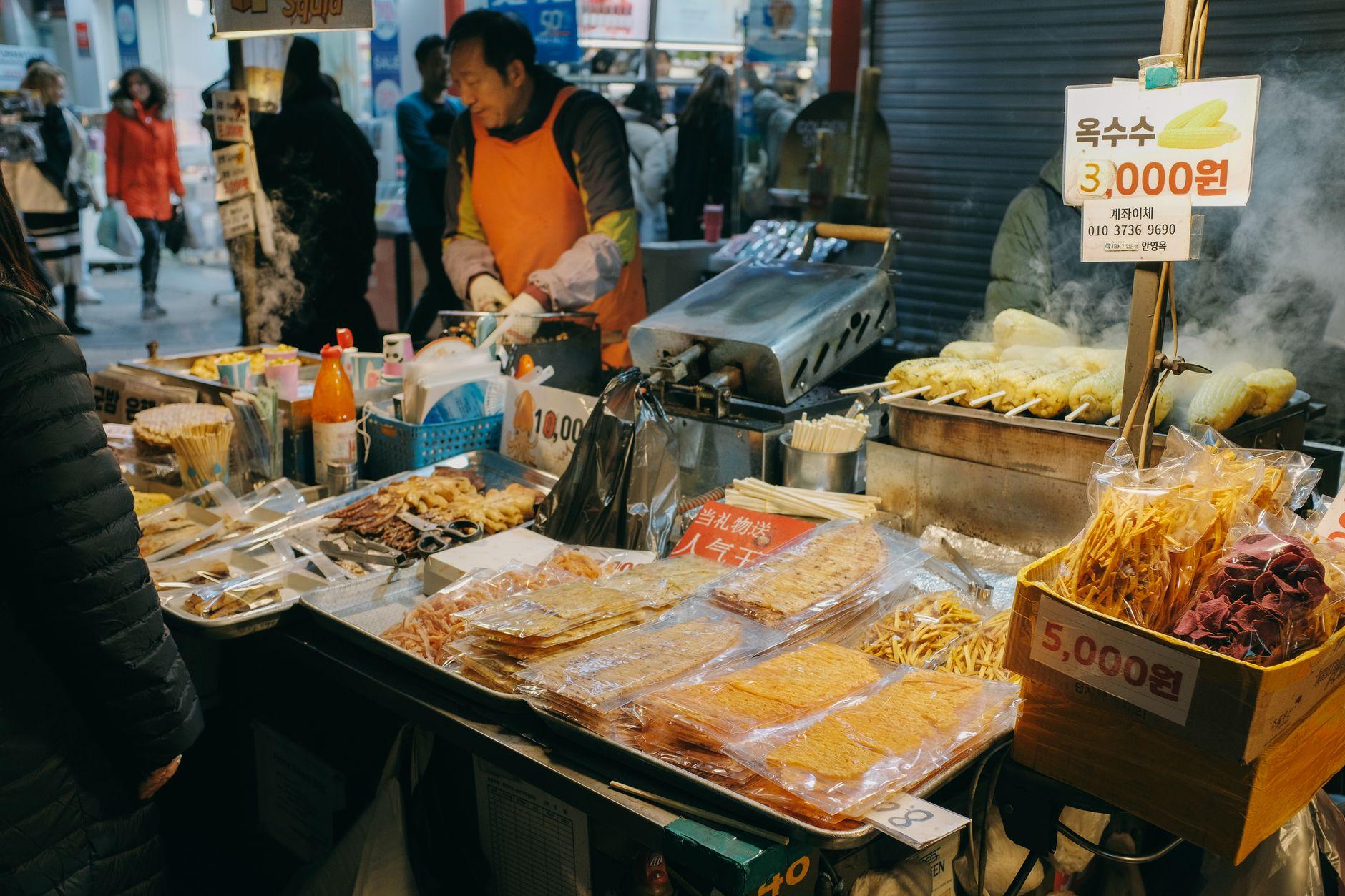
In a lot of places, yes. Korea has broad card acceptance, and major retailers, chain restaurants, hotels, and convenience stores like GS25 and CU will take an international card without drama. Two caveats. First, watch for dynamic currency conversion at terminals and ATMs, which quietly worsens your rate; we covered that trap in detail in our guide to dodging ATM fees and DCC in South Korea. Second, acceptance thins out exactly where Korea gets most interesting: the tiny six-seat noodle shop, the banchan vendor at a traditional market, the pojangmacha tent at midnight. Those places often run on local payment apps or bank transfers between Koreans, and a foreign card gets you a polite shake of the head.
So how do QR payments actually work in Korea?
You will see QR codes in two directions. Some merchants display a printed code, often a Zero Pay sticker (a QR network backed by the Seoul city government and used by many small businesses) or a KakaoPay merchant code, and the customer scans it with their phone. Other merchants scan a barcode or QR shown on the customer’s phone screen, which is common at chains and convenience stores. For visitors, the printed merchant codes are the interesting ones, because scanning a static QR does not require you to be inside the Korean banking system, as long as your app can read that code and settle in won.
Can a visitor actually pay those QR codes?
This is where Moreta Pay earns its place on your home screen. You top up a wallet from your own bank at home (US bank via Plaid or ACH, SEPA in Europe, UK Faster Payments, Canadian e-Transfer) or with an international card, all in your own currency, before or after you land. At the merchant, you scan the same local QR code Koreans use, see the amount, the merchant name, and the exact FX rate on screen, then confirm. The wallet converts to won and the merchant is paid instantly, exactly as if a local had paid. No Korean phone number, no Korean bank account, and no verification wall.
What about markets and street food specifically?
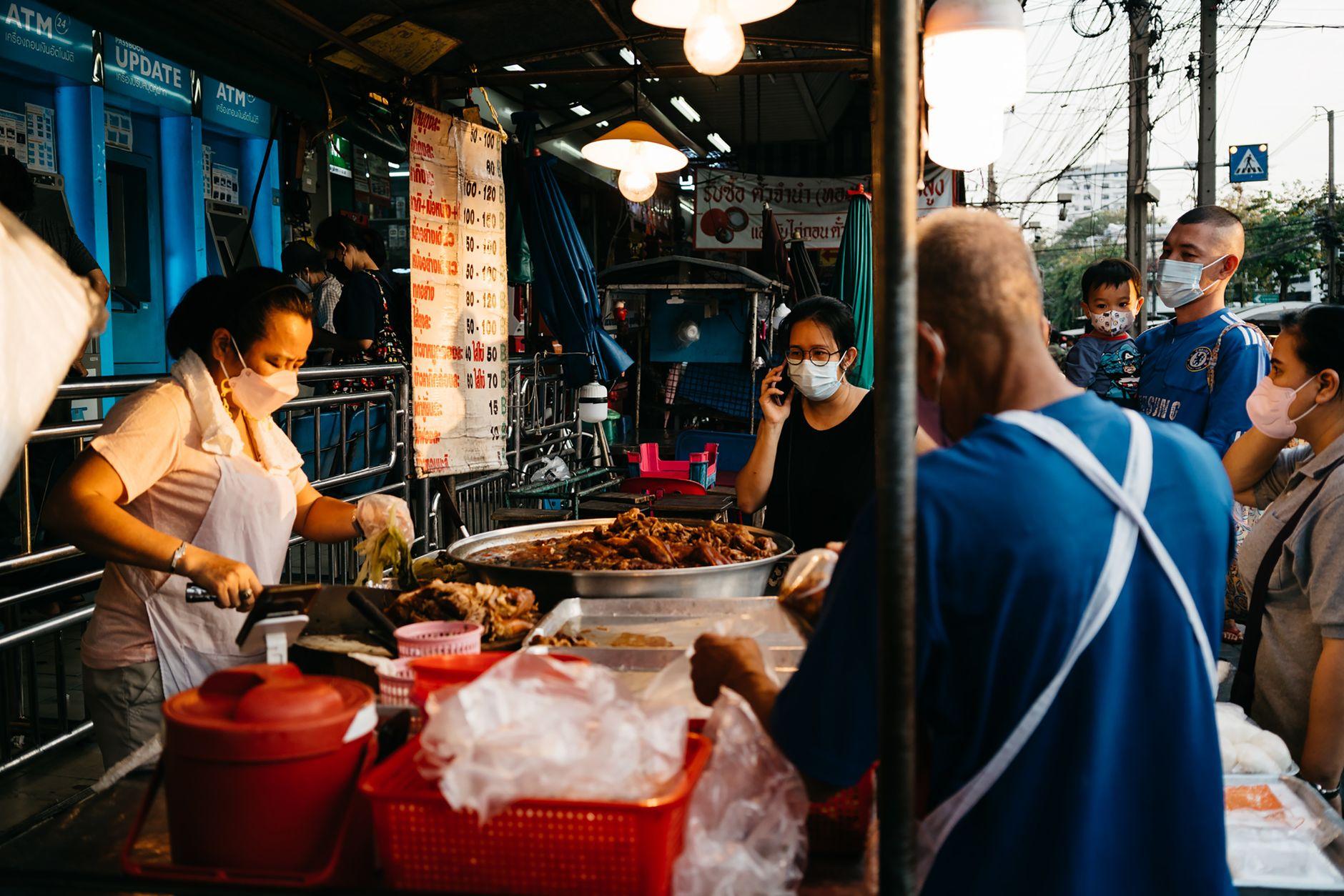
Traditional markets are where the cash-versus-local-payment gap bites hardest. At Mangwon Market or Tongin Market, plenty of stalls quote a price, gesture at a laminated QR code, and expect the transfer to land while you wait. If you can pay that code, you eat. If you cannot, you are hunting for an ATM while your hotteok goes cold. Having a QR-capable wallet means the most local corners of Korea are open to you, not just the corners that installed an international card terminal.
Do I still need any cash at all?
Keep a modest amount of won for edge cases: a rural bus in the countryside, a temple donation box, an elderly vendor who genuinely only takes bills. But treat cash as a backup, not a plan. Every withdrawal in Korea invites ATM fees and DCC prompts, and the whole point of visiting a cashless country is that you rarely need to make one.
What about transit, taxis, and getting around?
For subways and buses, buy a T-money card at any convenience store and load it with a small amount; it is the one piece of plastic that genuinely simplifies your trip. Taxis widely accept international cards, and the Kakao T app lets you hail cabs even without full Kakao ecosystem access. QR payments are for merchants, not turnstiles, so think of T-money and QR as complementary tools.
Can I use QR payments for online bookings too?
Yes. Platforms popular with travelers in Asia, including Trip.com and Agoda, support QR-based checkout, and Moreta Pay handles those the same way it handles a market stall: scan, review the rate, confirm. That matters when your foreign card gets flagged or declined mid-booking, which happens more often on Korean and regional sites than anyone admits.
What should I set up before landing at Incheon?
Three things. Link your home bank or card to a QR wallet and top up before you fly, so you are ready the moment you clear customs. Notify your card issuer you will be in Korea, since you will still tap your physical card at chains. And download Naver Map or Kakao Map, because Google Maps is limited in Korea and you will want directions to that alley restaurant that only takes local payments. If Korea is one stop on a longer Asia trip, the same wallet setup carries over; the QR wall you hit in Seoul is even higher in China, and being prepared once covers you everywhere.
The short version?
South Korea without cash is not just possible, it is how the country prefers to operate. The only real obstacle for visitors is that the local apps will not let you in. Skip the workarounds and the ATM runs: set up Moreta Pay before your flight and pay Seoul’s QR codes the way Seoul does.