
Here is the strange thing about money in South Korea: it is one of the most cashless countries on earth, and yet tourists still manage to get stuck at the register. Not because payment is hard for Koreans. It is effortless for them. The problem is that the two dominant tools, KakaoPay and Naver Pay, are built around a Korean phone number and Korean verification, and the moment you cannot clear that gate, you drop out of the system everyone around you is using.
So visitors improvise. Some carry a thick fold of won they barely spend. Some tap a foreign card everywhere and hope. Some spend an evening in their hotel trying to register a Korean wallet with a foreign SIM, which is an evening they will not get back. Let us weigh the real options honestly, because each one wins in some places and quietly fails in others.
Cash: still legal, increasingly awkward
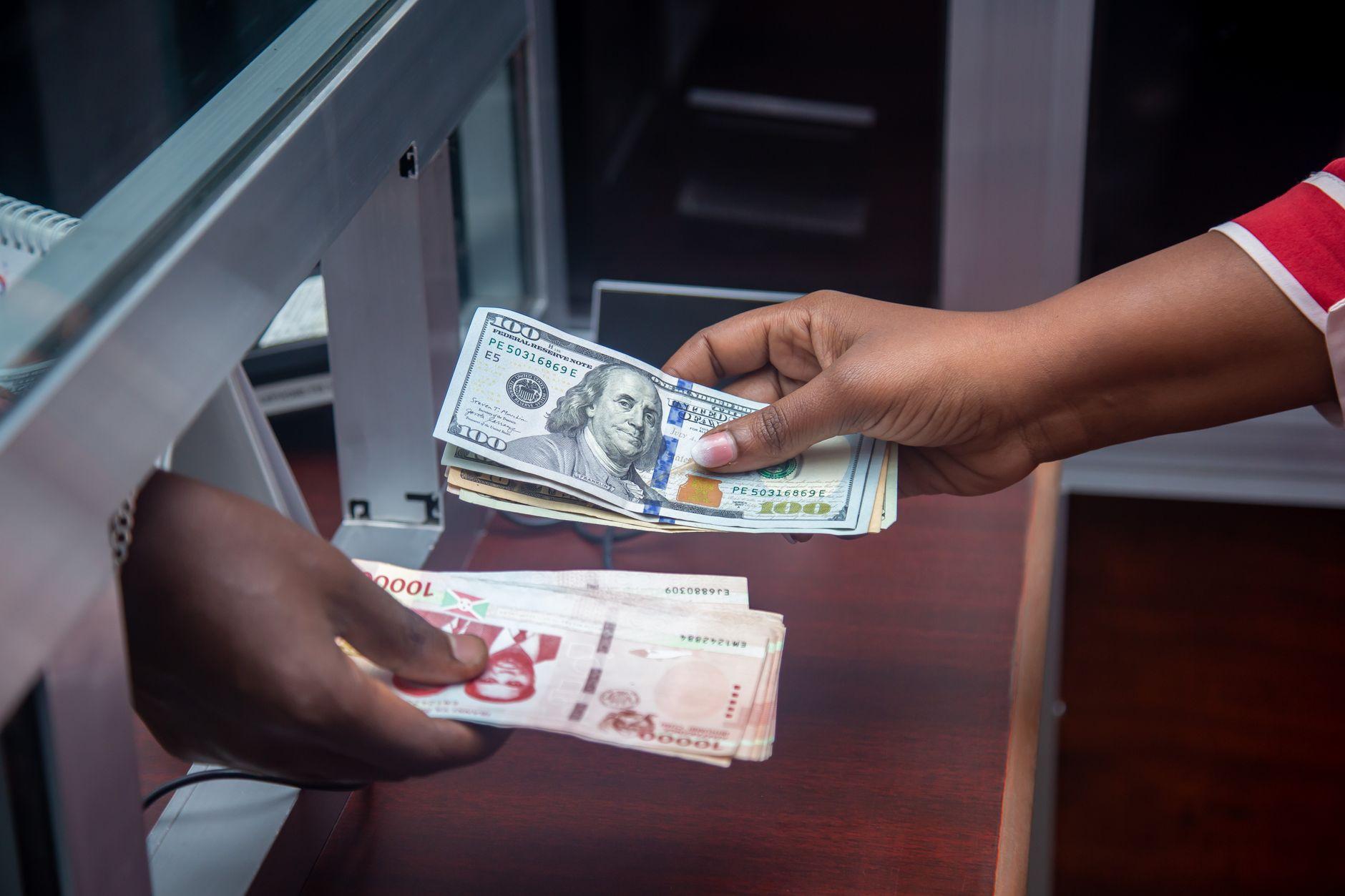
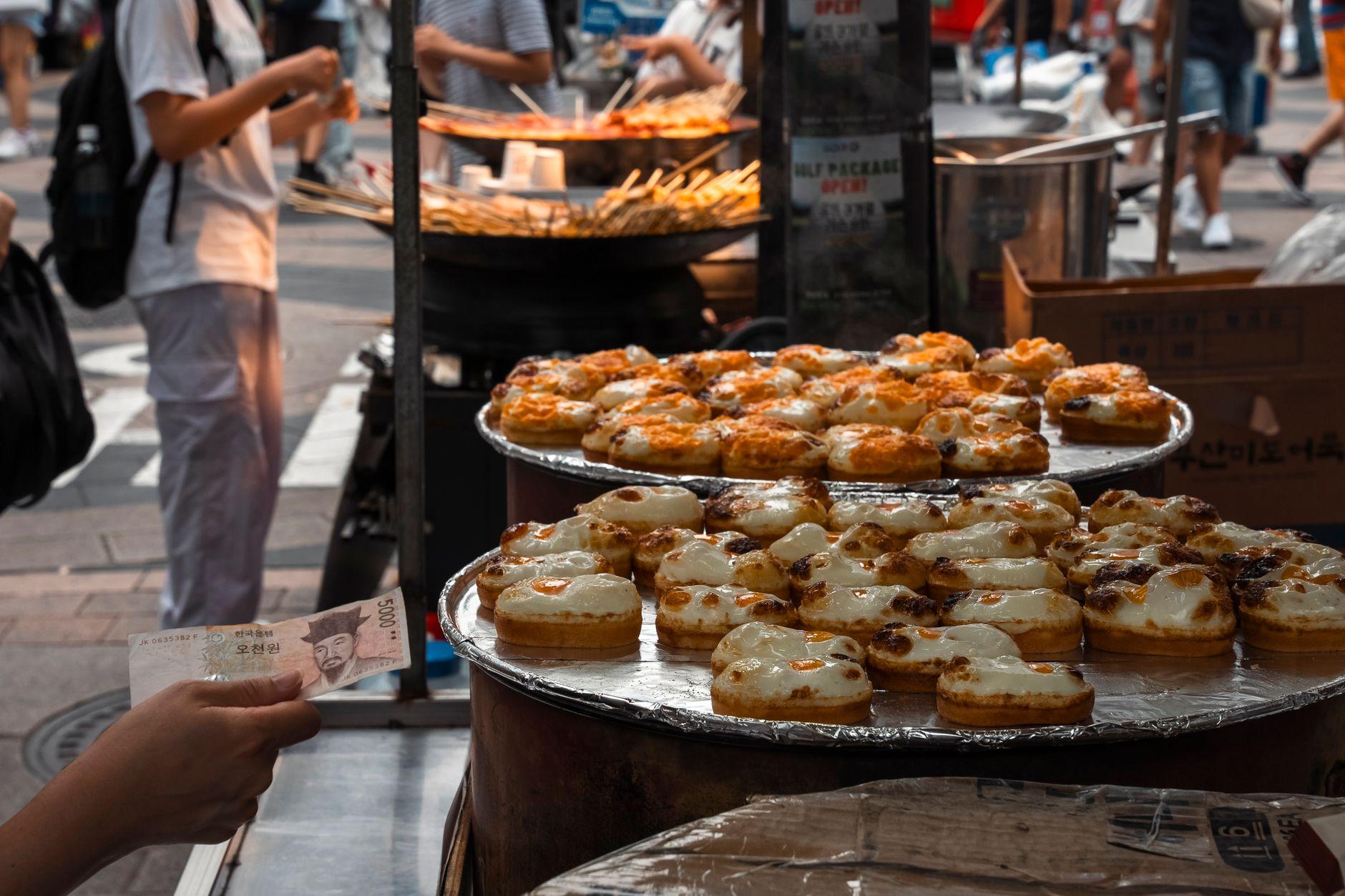
The classic advice, land at Incheon and withdraw a stack of won, is not exactly wrong. Cash still works at traditional markets, older pojangmacha tents, and small-town bus stations. Some elderly vendors at places like Gwangjang Market genuinely prefer it.
But Korea has moved further past cash than almost anywhere. Plenty of Seoul cafes are card-only or app-only by design, with a small sign saying they do not handle cash at all. Vendors who do take cash may not have change for a 50,000 won note first thing in the morning. And withdrawing that cash is its own puzzle: many Korean ATMs do not accept foreign cards, so you end up hunting for machines marked Global ATM inside convenience stores or bank branches, usually with an operator fee attached.
Verdict: keep a modest amount of won for markets and the occasional cash-only holdout. Treating cash as your primary plan means constant ATM runs in a country that has largely stopped using it.
Foreign cards: better in Korea than almost anywhere, with sharp edges
Korea is card-saturated, and this is where it beats most of Asia for visitors. Your Visa or Mastercard will work at GS25 and CU convenience stores, department stores, chain restaurants, coffee franchises, and the subway ticket machines. Tap-to-pay coverage is broad in the big cities.
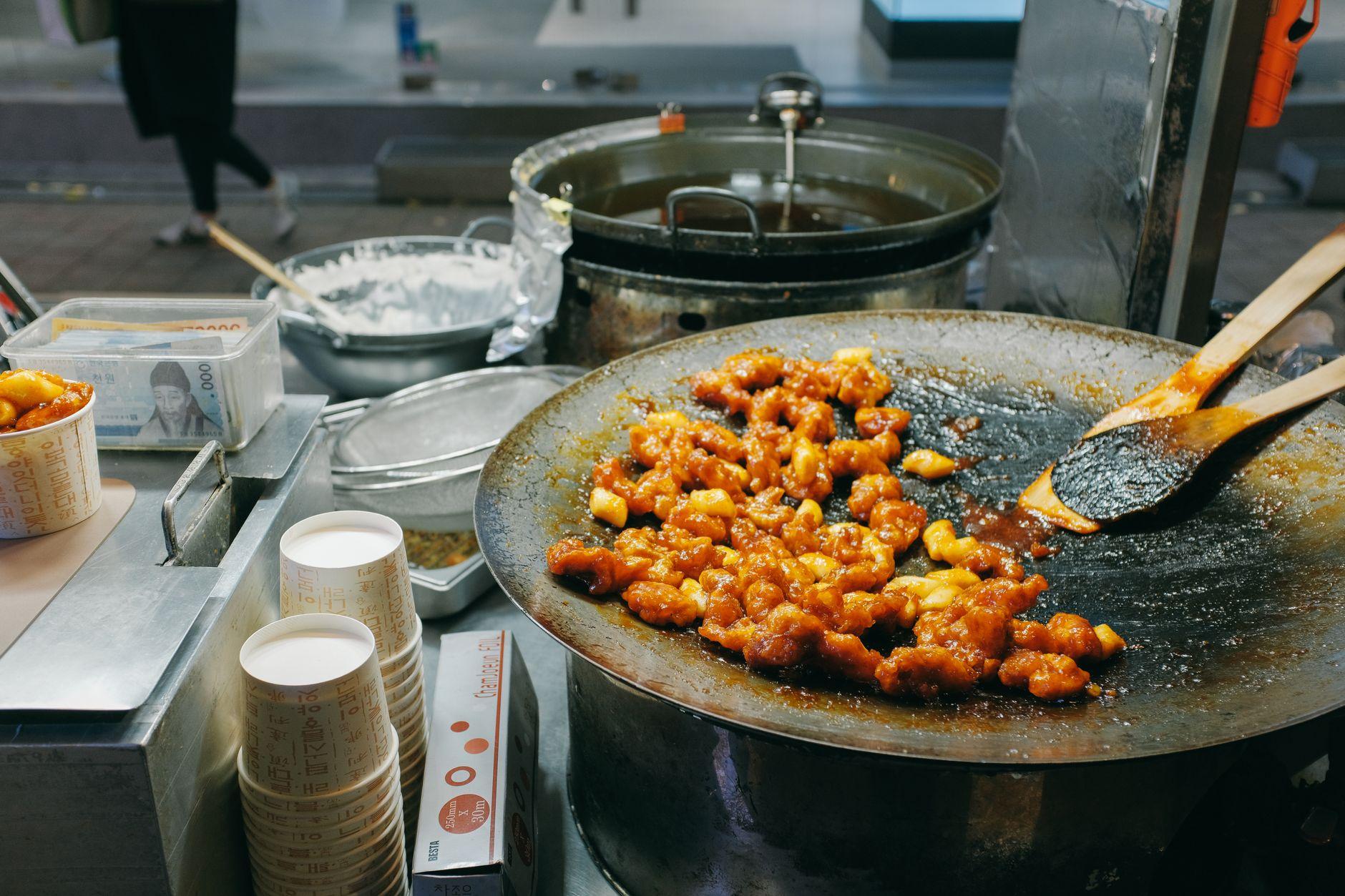
The edges cut in three places. First, the small independent spots: a six-stool kalguksu shop, a stall selling hotteok, a hole-in-the-wall in a market alley. These often run on QR payments or a bare cash box, and a foreign card gets a polite head shake. Second, Korean online checkouts, which are famously unfriendly to overseas cards outside the big international platforms. Third, the invisible cost layer: dynamic currency conversion prompts and conversion markups that make even a fee-free card less free than it looks on paper. Always choose to be charged in won if a terminal offers you your home currency.
Verdict: a good foreign card is your workhorse in Korea. It is just not a complete kit, and the gaps cluster exactly around the food you came for.
KakaoPay and Naver Pay: the local answer that mostly says no to you
Watch any register in Seoul for five minutes and you will see it: a phone comes out, a barcode or QR flashes, done. KakaoPay and Naver Pay are woven into daily life, from taxis to bakery counters to splitting dinner with friends.
The catch for a visitor is structural, not technical. Registration leans on Korean phone verification, and full functionality typically assumes local identity and banking rails. A tourist SIM or eSIM with a foreign number usually cannot clear that. Long-term expats with an Alien Registration Card and a Korean bank account can eventually get set up, and for them it is worth the paperwork. For a two-week trip, the effort-to-payoff math almost never works.
Verdict: brilliant if you live there, mostly out of reach if you are visiting. Do not burn your first day in Korea trying to force it.
The fourth option: scanning the same code without the Korean phone number
This is the gap Moreta Pay exists to fill. You top up a wallet from home, via a US bank connection, SEPA, UK Faster Payments, Canadian e-Transfer, or an international card, in your own currency. At the counter, you scan the merchant's own QR code, the same one displayed for locals, review the amount, the exchange rate, and the merchant name on screen, and confirm. The merchant is paid in won instantly, and you never needed a Korean number, a Korean bank account, or a stack of cash.
The honest cons: it is a QR tool, so it does not replace your card at a tap-to-pay terminal, and like any wallet it needs a data connection, so sort out an eSIM before you land. It also will not help at the rare stall that is strictly cash. What it does cover is precisely the zone where foreign cards fail and local wallets exclude you: the market stall, the tiny eatery, the QR sticker taped to a counter. It also handles QR-based checkouts on platforms like Trip.com and Agoda, and bill payments in supported countries, which matters more the longer you stay.
Match the tool to the moment
Convenience stores, chains, subway: foreign card, no drama.
Market alleys and small eateries: QR via Moreta Pay first, small cash as backup.
Taxis: cards are widely accepted; keep the QR option ready for the occasional independent driver.
Travel bookings online: international platforms with your card or QR checkout; do not fight Korean-only sites.
Living there for months: pursue KakaoPay properly once you have an ARC, and vet any app you fund with the same skepticism you would apply anywhere, the way we outlined in our traveler's checklist for vetting fintech apps.
What this adds up to
Nobody needs to choose a single answer for how to pay in South Korea. The mistake tourists actually make is bringing only one tool, usually cash or a single card, into a country whose payment culture assumes you have a phone-based option too. The winning setup for a visitor in 2026 is boring and layered: a solid foreign card for the card economy, a small cash reserve for the holdouts, and a QR wallet for everything in between. Two of those you already own. The third takes a few minutes: set up Moreta Pay before your flight to Seoul and walk into that market alley able to pay like everyone in line ahead of you.