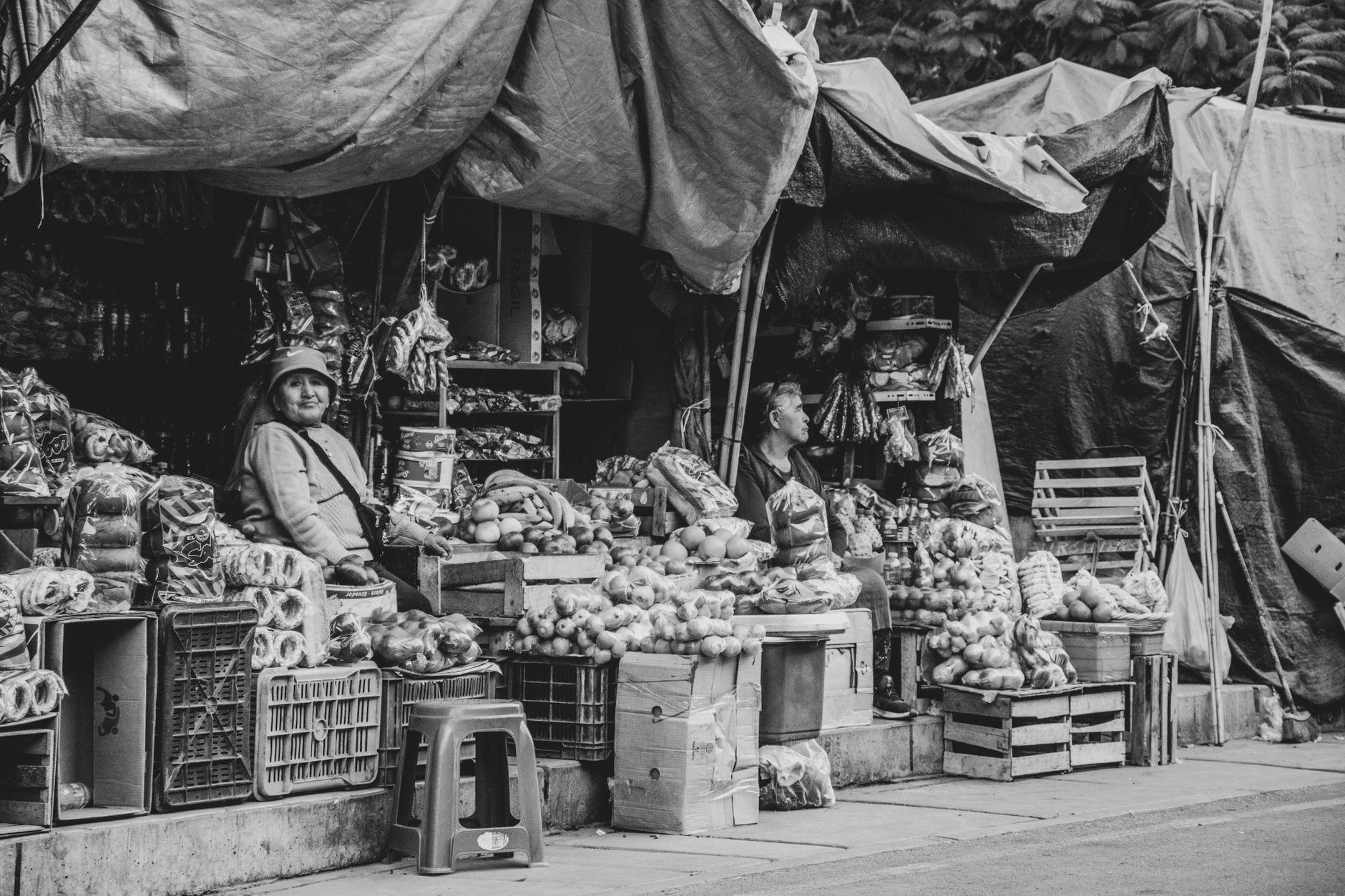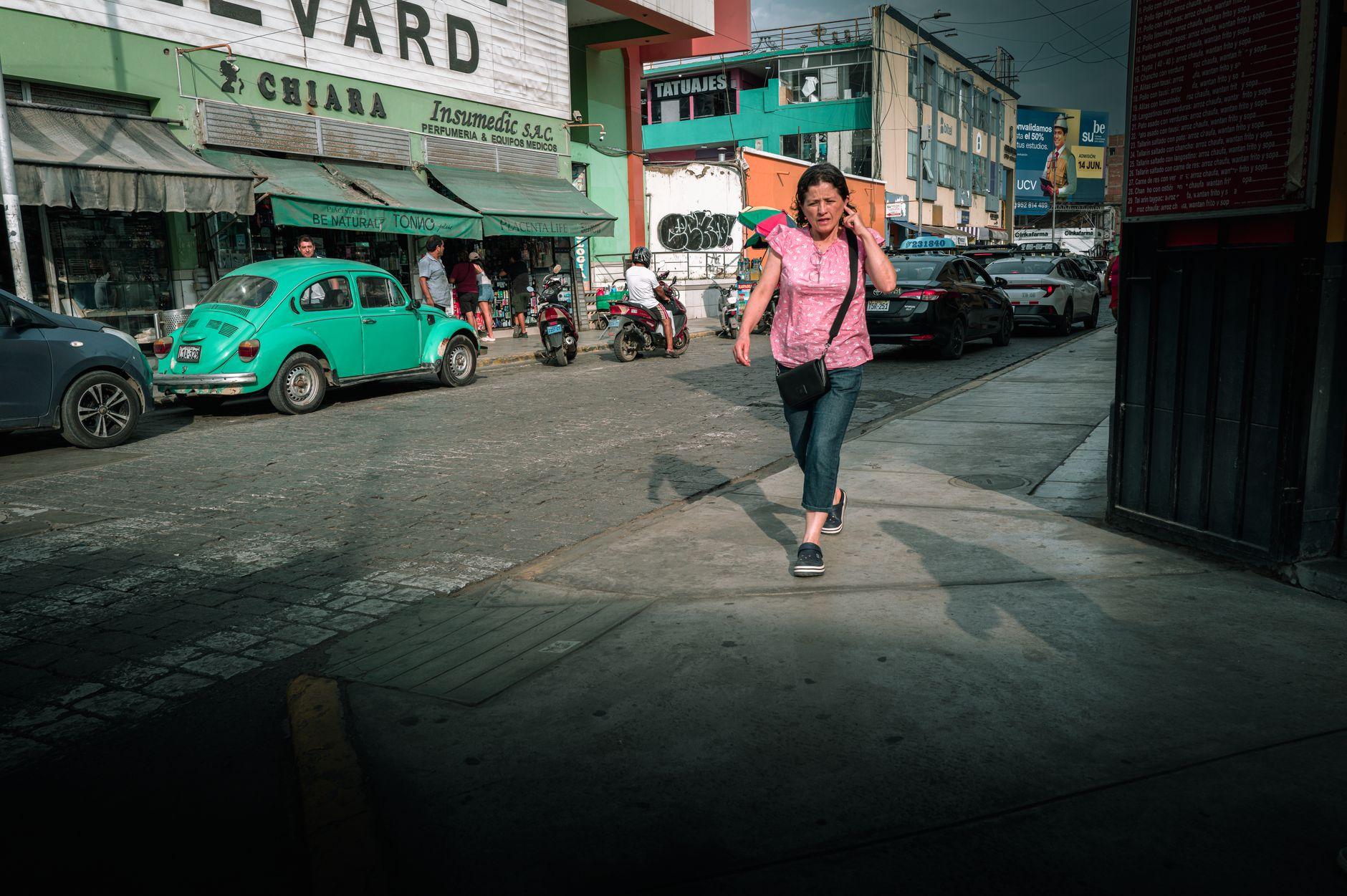

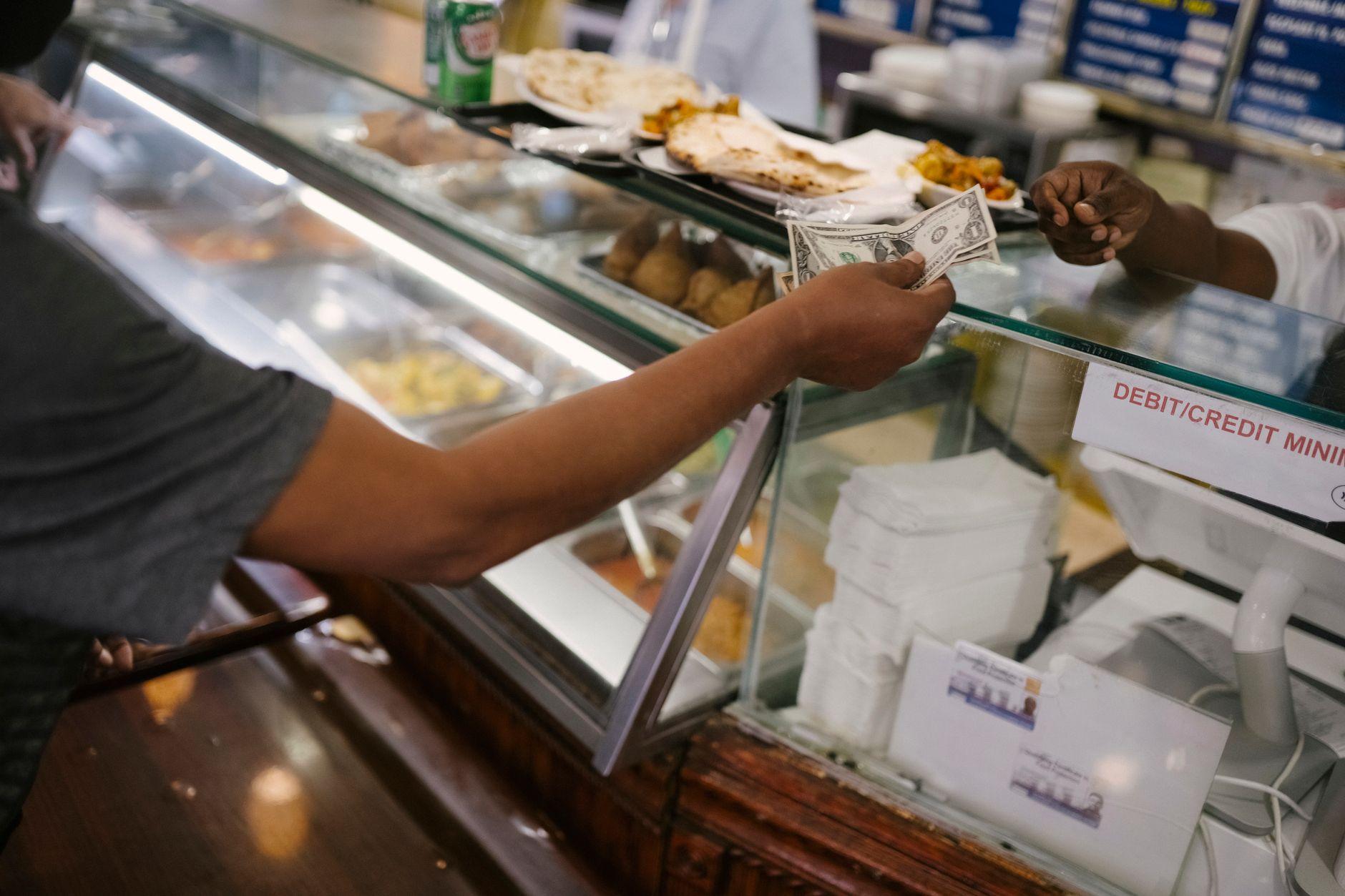
Vietnam runs on a strange mix right now. Grandmothers selling sticky rice off a bicycle accept bank transfers by QR code, while a mid-range restaurant in the same alley might wave off your Visa card. If you just arrived, or you are packing for Hanoi, Da Nang, or Ho Chi Minh City, these are the questions travelers actually type into search bars, answered straight.
What is VietQR, and why is it on every counter?
VietQR is Vietnam’s shared QR payment standard. It lets anyone with a Vietnamese bank app pay anyone else by scanning a code, instantly and usually for free. Because it costs merchants almost nothing to print a code and tape it to the till, adoption exploded. Coffee shops, pharmacies, motorbike mechanics, night market stalls, even parking attendants display them. Locals often pay for a 20,000 dong iced tea by scanning rather than digging for change, and vendors prefer it because they do not have to break large notes.
Do I need a Vietnamese bank account to use it?
Locals do, since VietQR payments normally move between Vietnamese bank accounts. As a visitor you cannot easily open one, and most foreign banking apps cannot read these codes at all. This is the gap Moreta Pay fills. You top up a wallet from your home bank or card in your own currency, then scan the same VietQR codes locals scan. The app shows the amount in dong, the exchange rate, and the merchant name before you confirm, and the vendor gets paid instantly in dong. No Vietnamese account, no paperwork.
Will my foreign credit card work in Vietnam?
In international hotels, big malls, and chain restaurants, usually yes. Almost everywhere else, no. The places that make Vietnam worth visiting, the bún chả spots, the family-run cafes, the tailors in Hoi An’s old town, the fruit ladies at Ben Thanh, rarely have card terminals. Some that do will quietly add a surcharge or ask for cash anyway. Plan for your card to be a backup at hotels, not your daily payment method.
Should I still carry cash?
Yes, some. Cash is still common in Vietnam, especially in rural areas, on long-distance buses, and with older vendors. But QR is growing fast enough that you no longer need thick stacks of it. A practical setup for cities: a modest amount of dong for the occasional cash-only situation, and QR for everything else. That also spares you Vietnam’s banknote confusion, where the 20,000 and 500,000 notes look alarmingly similar under a dim market light.
How does paying a street vendor by QR actually work?
Most small vendors display a laminated printout of their personal or business QR code. You scan it, type in the amount they tell you (or that is written on the menu), and confirm. The vendor’s phone chimes or they check their banking app for the incoming notification, and that is it. With Moreta Pay the flow is the same: scan the laminated code, enter the dong amount, review the rate, confirm. The vendor sees a normal local payment arrive. You do not need to explain anything or hand your phone over.
Can I pay for Grab, online shopping, and hotel bookings this way?
QR-based payment shows up online too. Platforms like Shopee, Trip.com, and Agoda support QR checkout in supported markets, which means you can settle a hotel booking or an order the same way you pay for noodles, by scanning the code on the checkout screen. It is a quiet upgrade for nomads who live out of these apps: one wallet handles both the street food and the flight home.
What about ATMs? Everyone says Vietnamese ATMs are annoying.
They can be. Withdrawal limits per transaction are often low, so a large cash need can mean multiple withdrawals, each with its own machine fee plus whatever your home bank charges. Since you only need cash for a shrinking set of situations, the best strategy is to withdraw less often and cover daily spending by QR instead. Fewer ATM runs, fewer fees, less cash to worry about on a crowded night bus.
Is there anything to watch out for when scanning?
Two habits will keep you safe. First, check the merchant name on your screen matches the shop before confirming, since anyone can print a QR sticker. Second, confirm the amount out loud with the vendor for open-amount codes, because a misplaced zero in dong is easy (100,000 versus 1,000,000 is one keystroke). Reputable vendors will happily show you their incoming notification if you want to double check a payment landed.
How does this compare to Thailand or Cambodia if I am doing the loop?
Every country in the region built its own QR rail, so your habits transfer even when the system name changes. Thailand runs on PromptPay, which we covered in our guide for people who just landed in Bangkok, and Cambodia uses KHQR with its two-currency quirk. The nice part of using one wallet like Moreta Pay across the region is that the scan-review-confirm routine stays identical while the currency underneath changes.
What should I set up before I fly?
Three things. Load some dong-equivalent value into your wallet before you land, so you are not fiddling with bank connections on airport Wi-Fi. Notify your home bank you are traveling so top-ups do not get flagged. And screenshot your hotel’s address in Vietnamese for the taxi, because that problem, at least, no payment app can solve. Everything else, from the first cà phê sữa đá to the last bánh mì before the airport, is a scan away. Get your wallet ready at Moreta Pay and land in Vietnam already speaking the local payment language.