
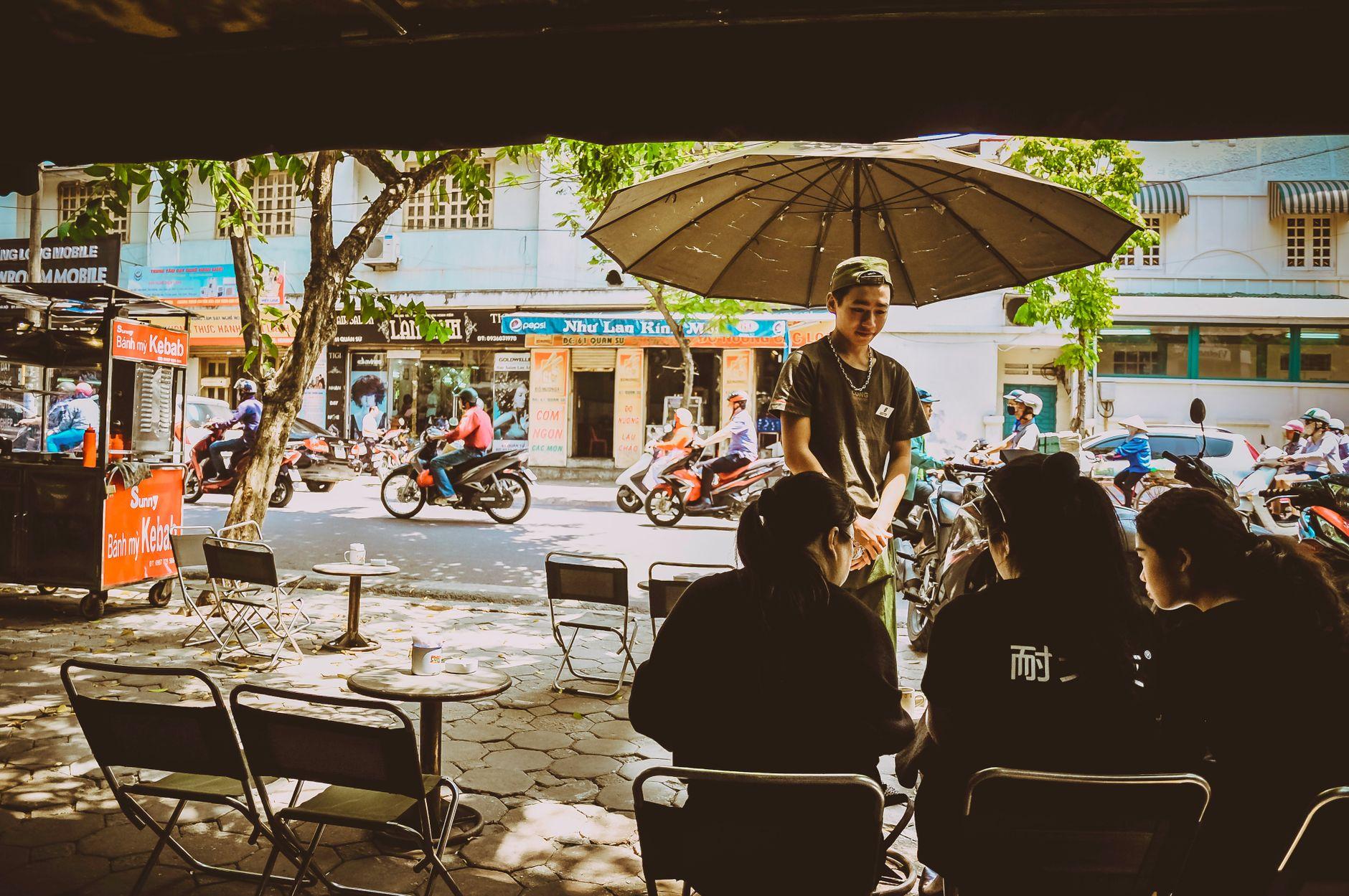
Every nomad heading to Vietnam gets the same briefing from someone who went a few years ago. Carry cash for everything. Your card is useless. Budget an afternoon each week for ATM hunting. That advice was reasonable once. In 2026 it will have you standing in line at a cash machine while the locals around you pay for coffee, laundry, and lunch by pointing a phone at a laminated square taped to the counter. Vietnam changed fast, and the old money folklore did not keep up. Let’s take the most common beliefs one at a time.
“Vietnam runs on cash, so carry a thick wad of dong”
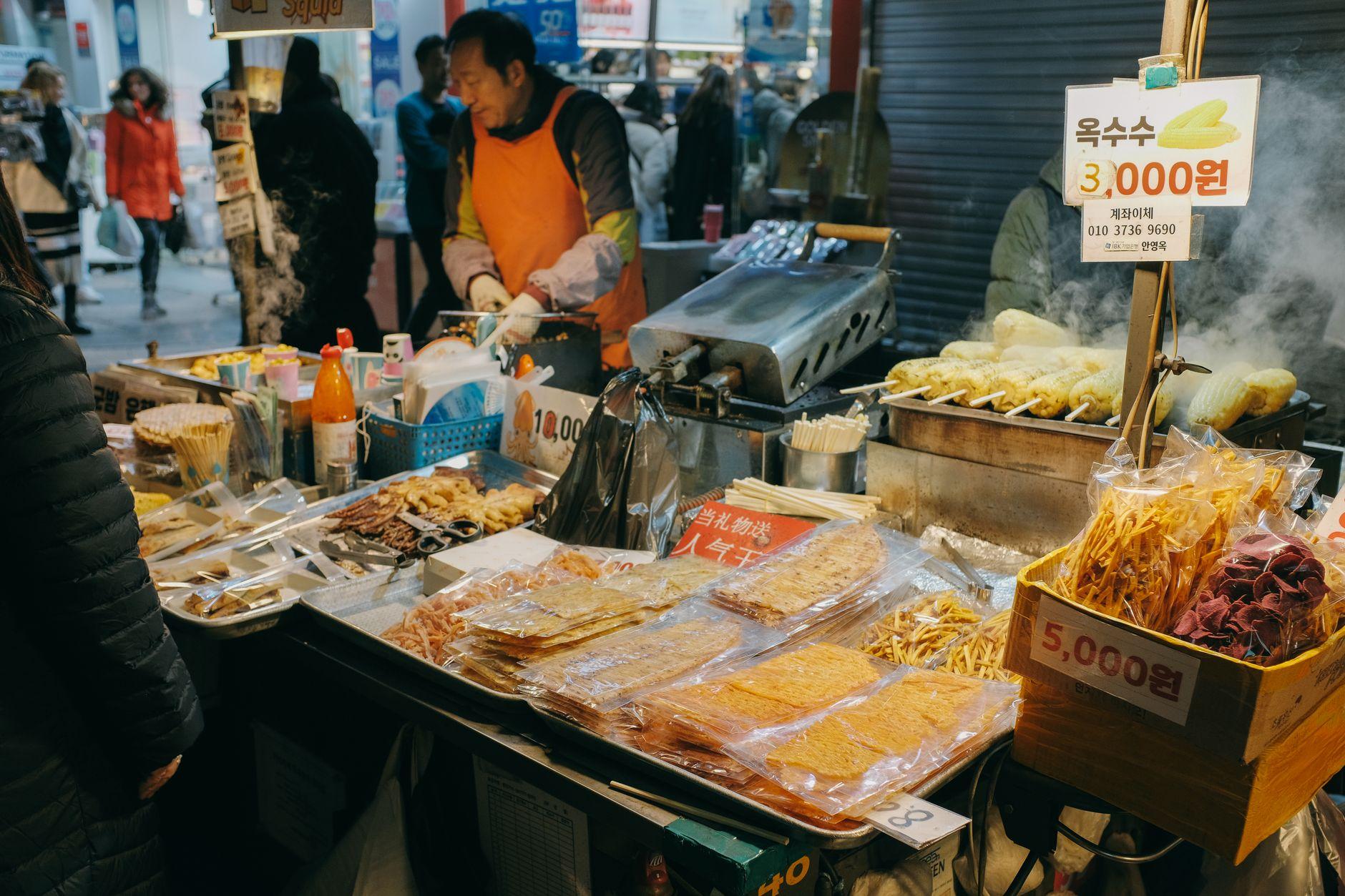
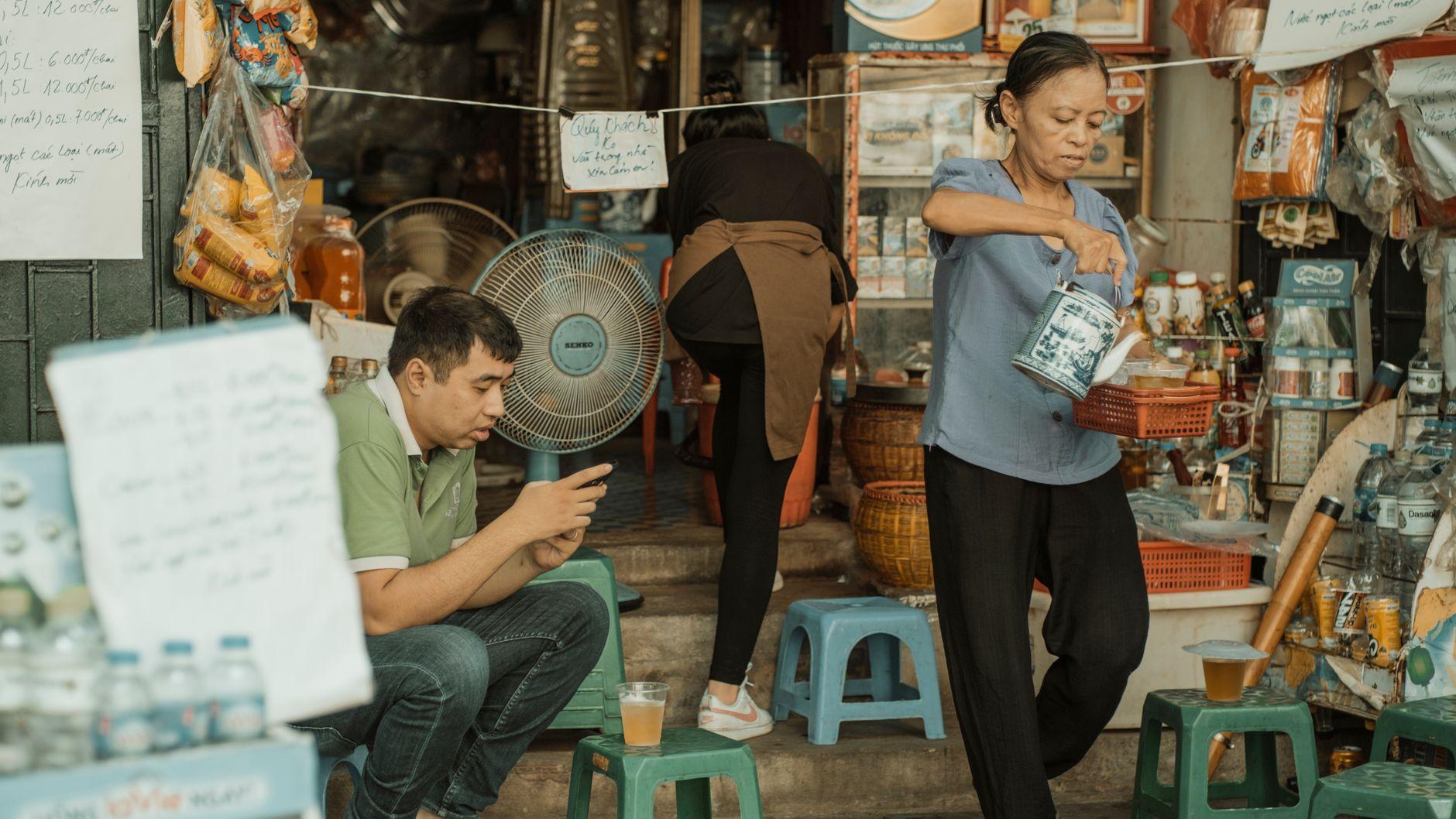
Cash absolutely still circulates in Vietnam, and nobody will look at you strangely for using it. But the idea that it’s the only way to pay is years out of date. The country standardized on VietQR, a shared QR format that works across Vietnamese banks, so a customer with a Vietcombank app can scan a code linked to a Techcombank account and the payment lands instantly. The result is that QR codes are everywhere, not just in fancy shops. The bánh mì cart near your coworking space probably has one. The lady selling cà phê sữa đá from a sidewalk stool probably has one, laminated and clipped to her drink cooler. Watch the person ahead of you at a phở stall in Hanoi’s Old Quarter and there’s a good chance they pay by scanning, not by counting notes. If you want the full landing-day rundown of how the system works, we covered the questions everyone asks about paying in Vietnam in an earlier guide. The short version: Vietnam QR payments went from novelty to default habit in a remarkably short time.
“My Visa or Mastercard will cover me anywhere that matters”
This one is dangerously half true. Your card will work at international hotels, at Vincom malls, at big-chain supermarkets, and at upscale restaurants aimed at tourists. Step outside that bubble and card terminals get rare fast. Independent cafes, local eateries, tailors in Hoi An, markets, small guesthouses, the mechanic who fixes your rented motorbike: many simply don’t have a card machine, and some that technically do would rather not use it. Vietnam essentially leapfrogged the card era. Merchants went from cash straight to bank-app QR, because all a vendor needs is a bank account and a printed code. So the real everyday choice in Vietnam is not card versus cash. It’s QR versus cash, and travelers who show up equipped only with a foreign card discover this on day one, usually while holding a cooling bowl of bún chả.
“Those QR codes are for locals only, you need a Vietnamese bank account”
This used to be the frustrating part. The QR codes are everywhere, but the local banking apps that scan them generally require a Vietnamese account, which requires residency paperwork most nomads and short-term expats don’t have. This is the gap Moreta Pay was built to close. You top up a wallet from your home bank (US bank via Plaid, ACH, SEPA in Europe, UK Faster Payments, Canadian e-Transfer) or an international card, all in your own currency. Then you scan the same VietQR code the locals scan. Before you confirm, you see the amount in dong, the merchant’s name, and the exact FX rate, so there’s no mystery about what you’re paying. Confirm, and the vendor gets paid instantly in dong, exactly as if a local customer had scanned. No local account and no hidden foreign transaction fees.
“ATM runs are just part of the Vietnam experience”
Only if you choose them. The traditional loop goes like this: find a machine, hope it’s stocked and working, withdraw a stack of large notes, then spend the next three days trying to break a 500,000 dong note with street vendors who eye it like a rare artifact. Withdrawal caps mean you repeat this often, and carrying millions of dong (the denominations make everyone a millionaire here) is its own low-grade stress. Every payment you make by QR is one you don’t have to withdraw, break, count, or carry. Most long-stayers who switch to scanning find their ATM visits drop from a weekly chore to an occasional errand.
“QR only really works in Hanoi and Saigon”
Da Nang’s beachfront cafes, Hoi An’s lantern-lit shops, Da Lat’s weekend night market, dive shops in Nha Trang, smoothie stands on Phú Quốc: the laminated codes are all over them. Because VietQR rides on ordinary bank accounts rather than special hardware, small-town merchants adopted it just as readily as city ones. A vendor doesn’t need a terminal, a lease agreement, or a tech budget. They need a bank account and a printer, or honestly just a screenshot on their own phone. That low barrier is why you’ll spot QR codes in places where a card machine would be unthinkable. If your route continues overland, you’ll find the same pattern next door, where most traveler beliefs about money in Cambodia are equally overdue for retirement.
“Fine, then cash is dead and I can skip it entirely”
Now we’ve overcorrected. Keep some cash. Rural markets in the far north, some parking attendants, tiny purchases where a vendor is mid-rush, the occasional temple donation box: small notes still earn their place in your pocket. The sensible setup for a nomad in Vietnam is a modest cash float for edge cases and QR for everything else. That’s how locals operate too. “Vietnam without cash” is nearly achievable in the big cities, but nearly is doing some work in that sentence, and a few hundred thousand dong in small bills is cheap insurance.
“QR is only for in-person stuff anyway”
One more belief worth retiring. QR checkout shows up online in Vietnam too. Booking a hotel on Agoda, arranging a train or flight through Trip.com, or ordering household basics on Shopee often surfaces a QR payment option at checkout, and Moreta Pay can scan those on-screen codes the same way it scans the one at your coffee shop. Settled expats can also handle bills in supported countries through the app, which turns a paperwork errand into a thirty-second scan.
What to actually do before you land
Ignore the 2019 briefing. Bring one card as a backup, plan on a small cash float, and set up your QR access before your flight so you’re ready the moment the first laminated code appears (it will be at the airport coffee stand, probably). Vietnam made everyday payments genuinely easy for anyone holding the right app. Get your wallet topped up and start scanning VietQR with Moreta Pay from your very first cà phê.