
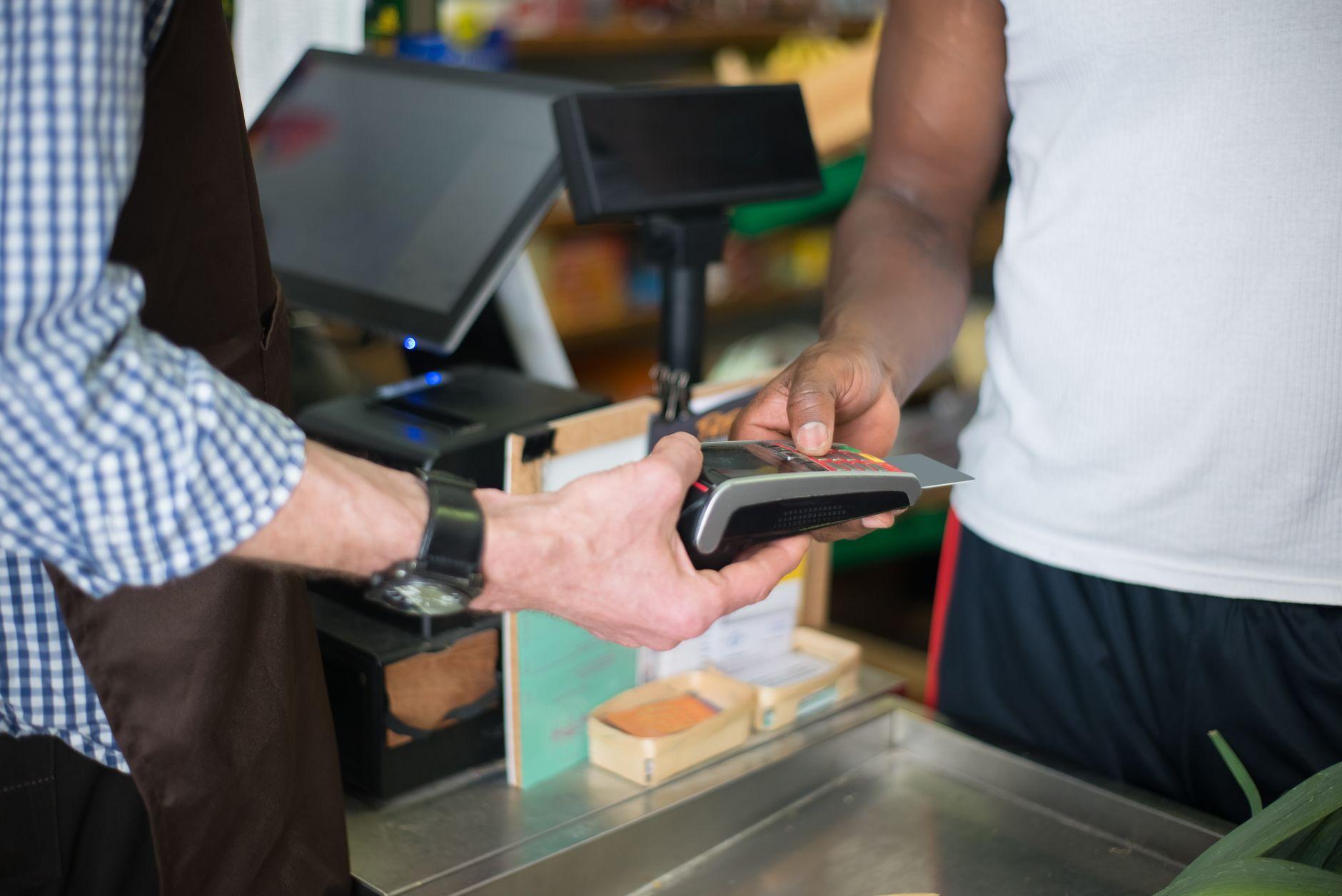
The arepa lady on Carrera 70 in Medellín has a laminated card taped to her cart, right between the hot plate and the bottle of hogao. On it: a QR code and three logos. Nequi’s purple, Daviplata’s red, Bancolombia’s yellow. A guy in gym clothes ahead of you taps his phone against nothing in particular, shows her a green checkmark, and walks off with two arepas de choclo. No cash changed hands. No card was pulled out. The whole thing took maybe eight seconds.
Then it’s your turn, and you’re holding a foreign debit card she has no machine for and a 50,000 peso note she’d rather not break at 9 a.m.
This is the daily texture of paying in Colombia in 2026, and it catches a lot of visitors off guard. So here’s the full walkthrough: what those stickers mean, why locals prefer them, and how you can scan the same codes everyone else does.
Why the Sticker Beat the Card Machine
Colombia didn’t go QR-first because of some top-down mandate. It happened partly out of self-defense. Card cloning has been a real fear here for years, and plenty of Colombians simply do not like handing their card to anyone, or inserting it into a terminal they don’t trust. A QR code flips the interaction: your card never leaves your pocket, nothing gets swiped, and the merchant never touches your payment details.
That anxiety shaped local habits in a way that benefits you as a visitor. Once you’re paying by QR, you’re not handing your foreign card to a stranger either. For a lot of travelers, that alone is worth the switch.
The Three Names You’ll See Everywhere
Almost every QR sticker in Colombia traces back to one of three apps, and it helps to know who’s who.
Nequi is the purple one, and it’s the closest thing Colombia has to a default. When a waiter, taxi driver, or market vendor asks how you’re paying, the question often comes out as “¿Tienes Nequi?” the way people elsewhere might say “card or cash?” It started as a digital wallet from Bancolombia and became its own cultural shorthand.
Daviplata is the red one, from Davivienda. It’s huge outside the big-city cores, and you’ll see it at small shops, corner stores, and stalls in secondary cities and towns where Nequi is less dominant.
Bancolombia’s own QR is the yellow one, common at more established businesses: restaurants with actual menus, pharmacies, boutiques in El Poblado or Bogotá’s Chapinero.
Most counters display two or all three. The merchant doesn’t much care which network the money arrives through. They care that it arrives instantly and that nobody’s counting change.
The Catch: These Apps Weren’t Built for You
Here’s where visitors hit a wall. Nequi and Daviplata are designed around Colombian phone numbers and Colombian identity documents. They’re onboarding local residents, not someone who landed at El Dorado on Tuesday with a US bank account and a three-week itinerary. You can spend an afternoon fighting sign-up screens, or you can accept that these apps assume a life you don’t have here.
This is the same wall travelers hit across the region, whether it’s MODO and Mercado Pago in Buenos Aires or Yape in Lima. The local rails are excellent. The front door is locked to outsiders.
That’s the specific gap Moreta Pay exists to close. You top up a wallet from your home bank (US banks via Plaid or ACH, SEPA in Europe, UK Faster Payments, Canadian e-Transfer) or an international card, in your own currency. Then you scan the same standard QR codes Colombians scan. The arepa lady gets paid in pesos, instantly, through the sticker she already has. She doesn’t need to know or do anything different.
What Scanning Actually Looks Like
The flow, from the moment the vendor points at the laminated card:
Open the app, scan the code, and check three things on the confirmation screen: the merchant name (so you know you’re paying the right stall and not the one next door), the amount in pesos, and the exchange rate you’re getting. That last part matters. The FX rate is shown before you confirm, not buried in a statement three days later, which is more than most foreign cards can say. Confirm, show the success screen, take your arepas.
One local etiquette note: merchants here are used to seeing the confirmation screen. It’s not distrust, it’s just how QR culture works when payments are instant. Turn your phone around, let them glance at it, and you’re done.
Where This Carries You, City by City
Medellín is the easy mode. The digital nomad wave accelerated what was already happening, and neighborhoods like Laureles and El Poblado are close to functionally cashless for daily life. Cafes, coworking spaces, gyms, menú del día lunch spots, the lady selling mango biche outside the metro station: QR everywhere. We’ve written before about how the “cash is king” reputation no longer matches reality here, and Medellín is exhibit A.
Bogotá is nearly as deep. Markets like Paloquemao, where you’d swear cash would rule, are full of vendors with Nequi stickers next to the passion fruit. Taxis increasingly take QR too, which solves the eternal “driver has no change for a 50” standoff.
Cartagena and the coast run a bit more mixed. Tourist-facing restaurants take cards, street vendors take QR or cash, and beach hawkers are increasingly on Daviplata. The pattern holds: the smaller and more informal the seller, the more likely QR is their preferred (sometimes only) digital option.
Online, the same QR rails cover you for booking platforms and shopping sites that support QR checkout, so your wallet isn’t just a street-food tool.
Keep Some Pesos, But Fewer Than You Think
Honesty section. Carry a modest amount of cash for the genuinely offline moments: some rural buses, tiny tiendas in small pueblos, tips in places where handing over a bill is the gesture that matters. What you can skip is the old routine of repeated ATM runs, withdrawal fees stacked on foreign transaction fees, and walking around Cartagena’s old town with a brick of pesos. QR handles the bulk of daily spending, cash handles the edges.
Before Your Flight Lands
Set up your wallet and do your first top-up while you’re still on home wifi. Bank connections are fastest to sort out before you’re standing at a fruit cart with a queue behind you. Then, from your first airport coffee onward, you’re paying the way Medellín pays: scan, confirm, checkmark, done. Get Moreta Pay ready before Colombia, and treat every purple, red, and yellow sticker as yours to scan.