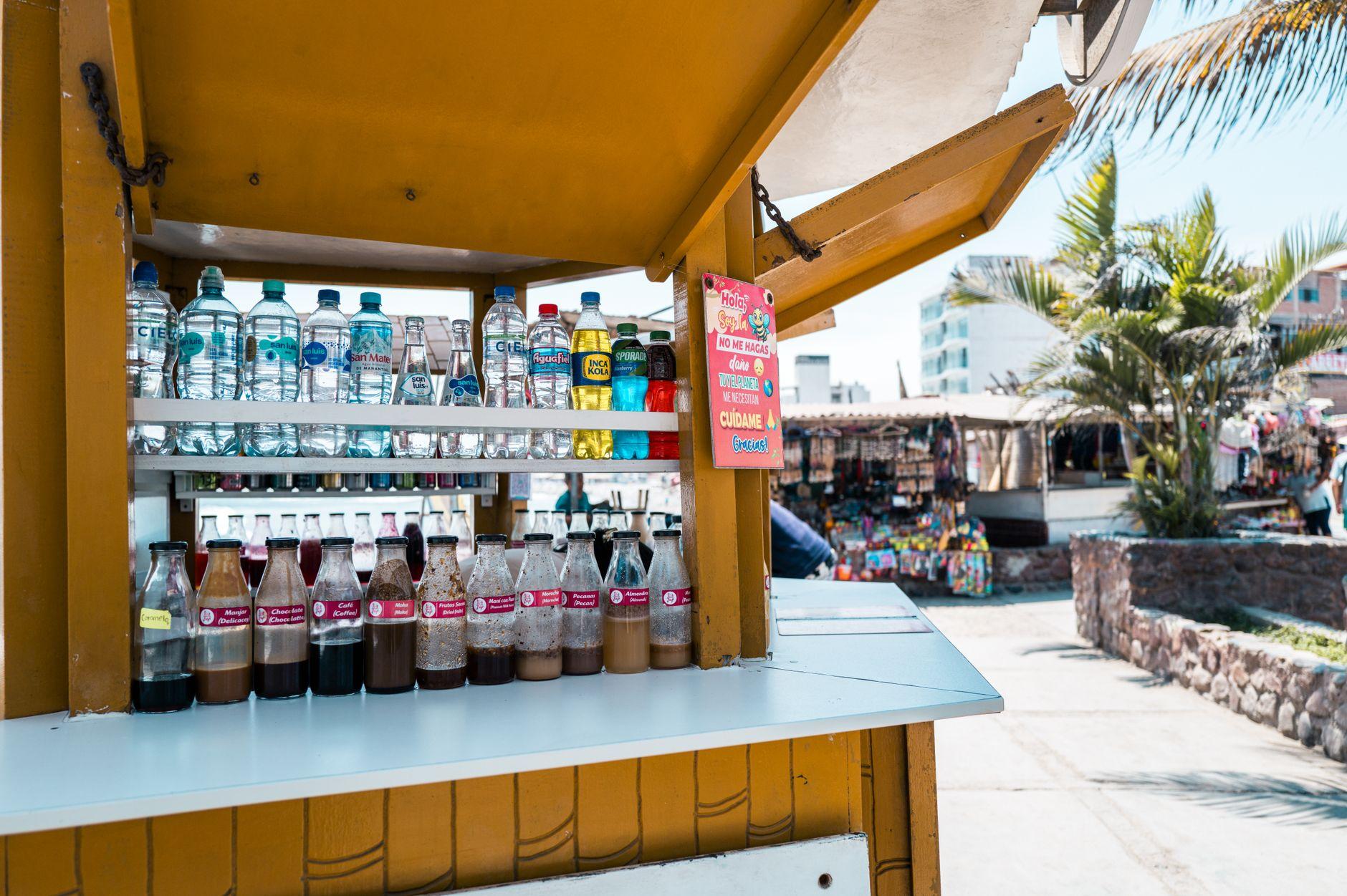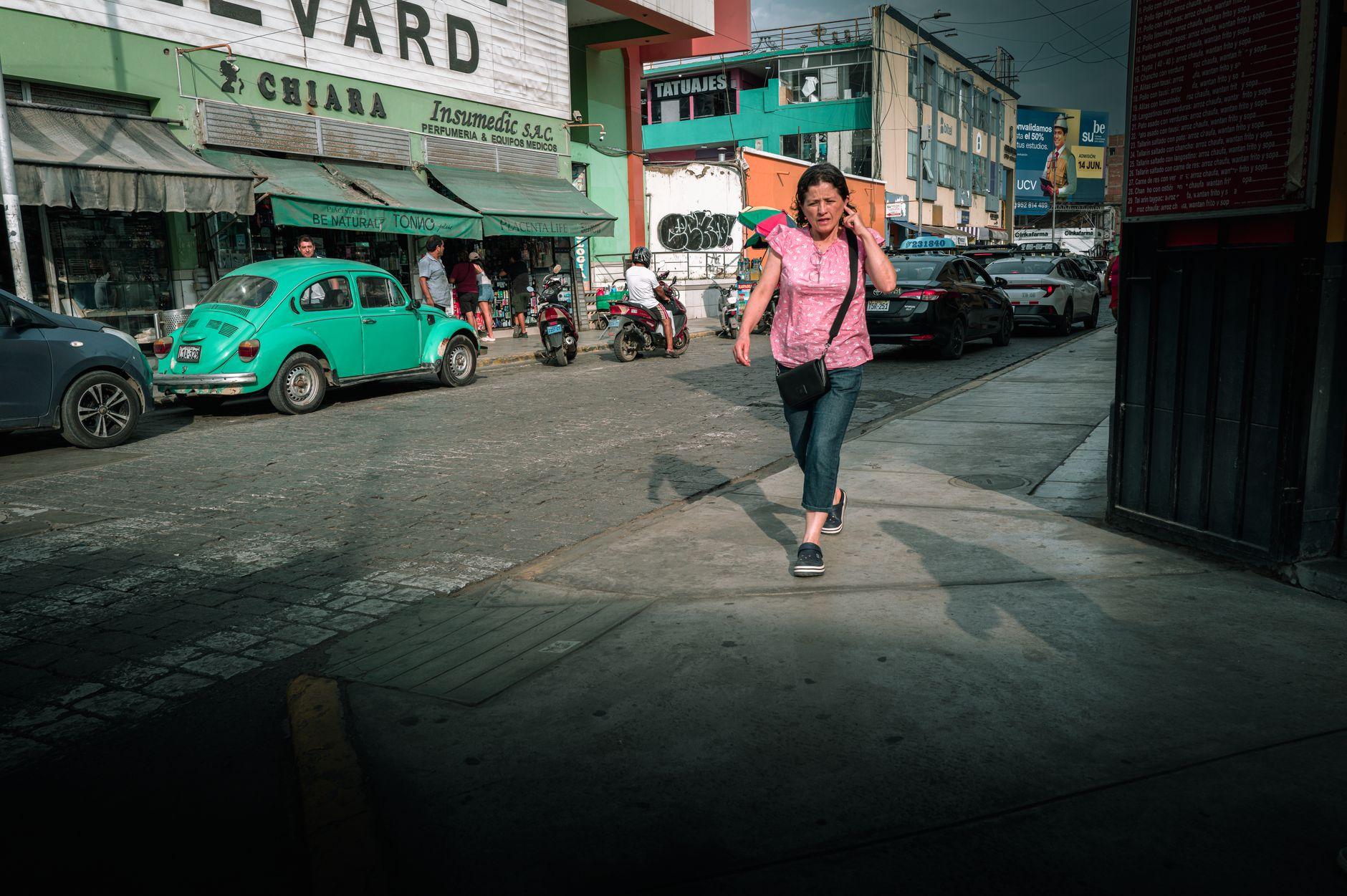

Saturday morning at Mercado de Surquillo in Lima. You point at a bag of lucuma and a fresh juice, the vendor rattles off a price, and you reach for your wallet. She's already tapping a laminated purple square hanging off the edge of her stall. "¿Yapeas?" she asks. Behind you, a woman in gym clothes pays for a whole week of produce without touching a single coin. The guy at the next stall is doing the same thing with a green-and-blue sticker instead. Nobody is counting change. Nobody is holding a fifty up to the light to check the watermark. Except, potentially, you.
If you're planning a month or three in Peru as a digital nomad, this scene is your whole financial life in miniature. Here's how to actually live inside it.
"Yapear" is a verb now, and it runs the country
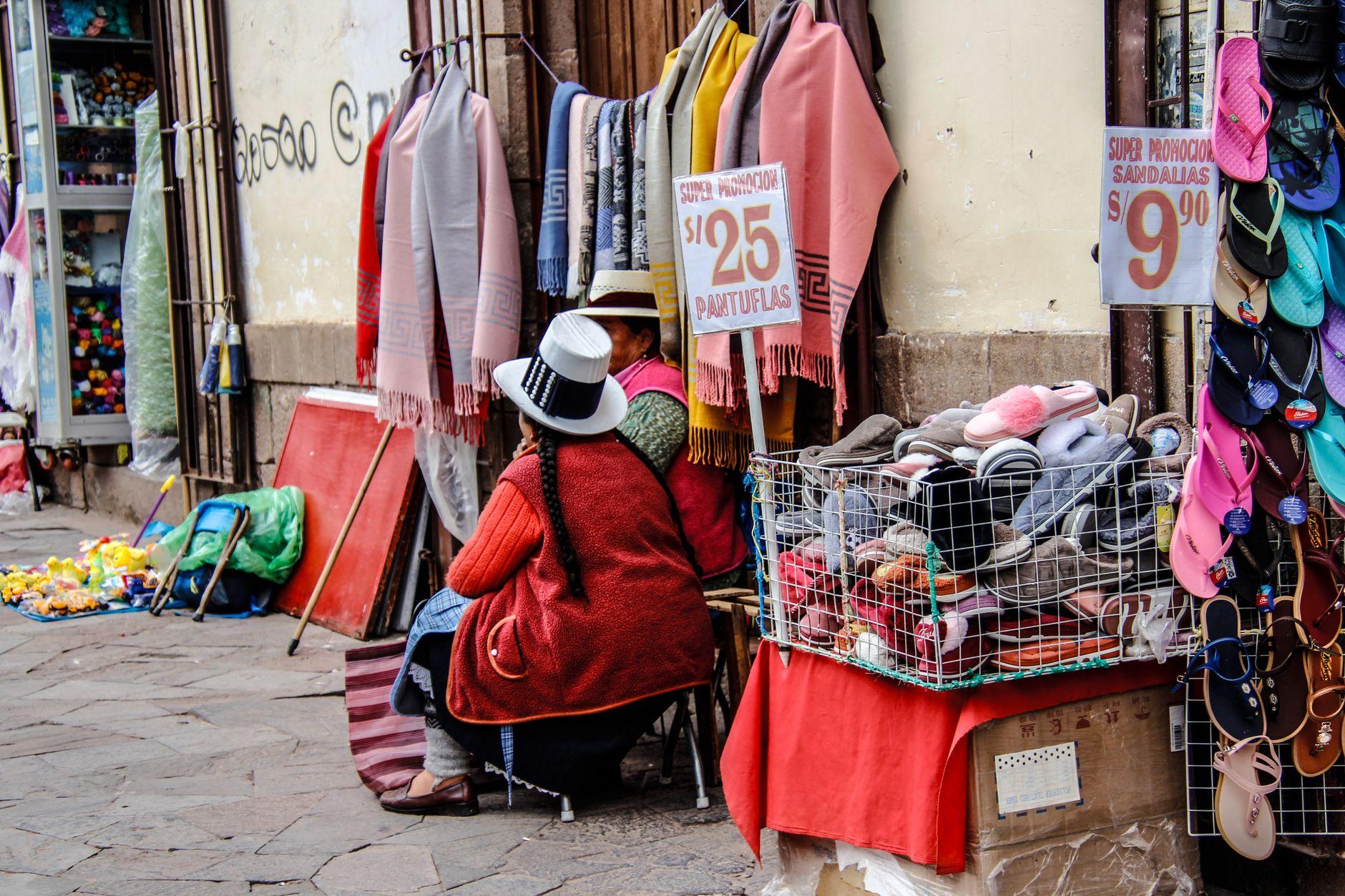
Peru's everyday economy moves through two QR wallets: Yape and Plin. They're not a Lima yuppie thing. The señora selling anticuchos from a cart yapes. The mototaxi driver in Iquitos yapes. The alpaca-sweater seller in the San Blas neighborhood of Cusco has a Plin code taped inside her stall. Your laundry place, your barber, the menú restaurant where lunch costs less than a coffee back home, all of them have a printed code at the till, and most locals under sixty haven't carried meaningful cash in years.
The two systems interoperate for locals, so in practice a merchant showing either sticker can take a payment from almost any Peruvian. The result is a country where cash is increasingly the awkward option, the one that requires the vendor to hunt for change and inspect your bills.
Why your foreign phone can't just join the club
Here's the catch that surprises most arriving nomads: you almost certainly cannot set up Yape or Plin yourself. Both are built on Peruvian banking rails and are designed around local identity documents and local accounts. As a short-term visitor on a tourist stamp, you don't have the paperwork, and no amount of app-store creativity fixes that. It's the same wall travelers hit with local wallets across the region, a pattern we've written about from Colombia's counter stickers to Southeast Asia.
So you're locked out of the system everyone around you uses. Which pushes you toward cash. Which brings its own famous Peruvian problem.
The billete falso anxiety is real
Ask any local how to handle cash in Peru and you'll get a small tutorial: feel the paper, tilt the note, check the security thread, be suspicious of change handed back in dim light. Counterfeit bills circulate enough that guidebooks, hotel staff, and taxi drivers all warn tourists about them, and tourists are exactly who fake notes get passed to, because we're the ones least likely to spot them. Getting stuck with a bad hundred-sol note from an ATM run or a currency exchange is a genuinely common travel story here.
Add the usual cash friction on top: ATMs with withdrawal caps, the eternal struggle to break large bills at small stalls, and the sheer volume of tiny daily purchases (a juice here, a colectivo there) that drain your small notes fast. Cash in Peru isn't just inconvenient. It carries a low-grade tax of vigilance.
Scanning the same purple sticker without a Peruvian bank account
This is where the workaround stops being a workaround. With Moreta Pay, you scan the exact same Yape or Plin QR code the locals scan, using your own phone and your own money. You top up the wallet from home (a US bank via Plaid or ACH, SEPA in Europe, UK Faster Payments, Canadian e-Transfer, or an international card) in your own currency. At the market stall, you scan the code, see the amount in soles, the exchange rate, and the merchant's name on your screen, then confirm. The vendor gets paid in soles instantly, the same as if a local had yaped her.
No local bank account, no local phone plan gymnastics, no counting change under a suspicious eye. The FX rate is on the screen before you commit, so there's no post-trip statement surprise, and no hidden foreign transaction fee buried in the conversion.
A Peru day, sol by sol
What this looks like in practice, based on how nomads actually spend here:
- Morning coffee in Barranco: the specialty cafes almost all have a QR code standing next to the register. Scan, confirm, done before your flat white lands.
- Menú lunch: the set-lunch spots that feed working Lima are exactly the places that hate breaking big bills. They love a QR payment for a small ticket.
- Market run: produce, eggs, that wheel of queso fresco. Individual stall vendors each have their own code, so you're making three or four tiny payments, which is precisely the scenario where cash-and-change is slowest.
- Taxi or mototaxi: many drivers prefer QR because they don't want to carry change or handle bills either. Agree the fare, scan their code from the passenger seat.
- Booking the next leg: Moreta Pay also handles QR-based checkout on platforms like Trip.com and Agoda, useful when you're lining up a Cusco guesthouse or a flight to the jungle from your Lima apartment.
Where you'll still want some soles
Honesty section. Keep a modest stash of small bills for the places QR hasn't reached: remote highland villages on a trek, some rural colectivo routes, the occasional tip. The trick is that when cash is a backup rather than your entire system, the counterfeit problem shrinks. You're carrying small denominations, spending them slowly, and never forced to break a big note with a stranger at dusk. If you want a deeper myth-by-myth breakdown of what's true and false about money here, our earlier piece on Peru money myths from Lima to Cusco covers the folklore in detail.
The setup, done before you land
The best version of this plan starts at home, not at baggage claim in Jorge Chávez. Download the app, connect your bank or card, and load your wallet while you're still on your home wifi. Then your first purchase in Peru can be a scan instead of an airport ATM queue and an exchange-rate guess. Get Moreta Pay set up before your flight, and the next time a vendor asks "¿Yapeas?", your answer is a scan, a glance at the rate, and a yes.