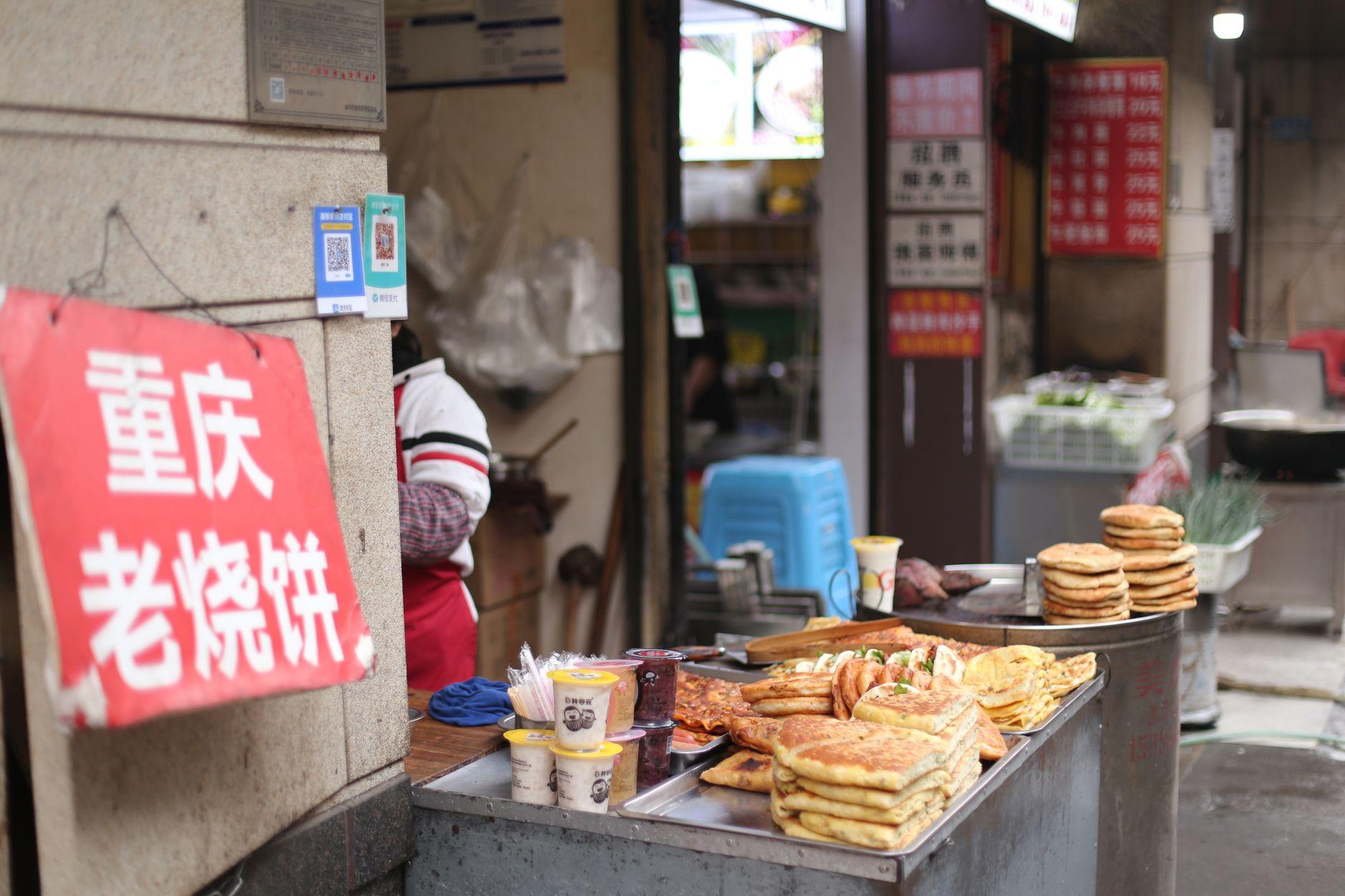

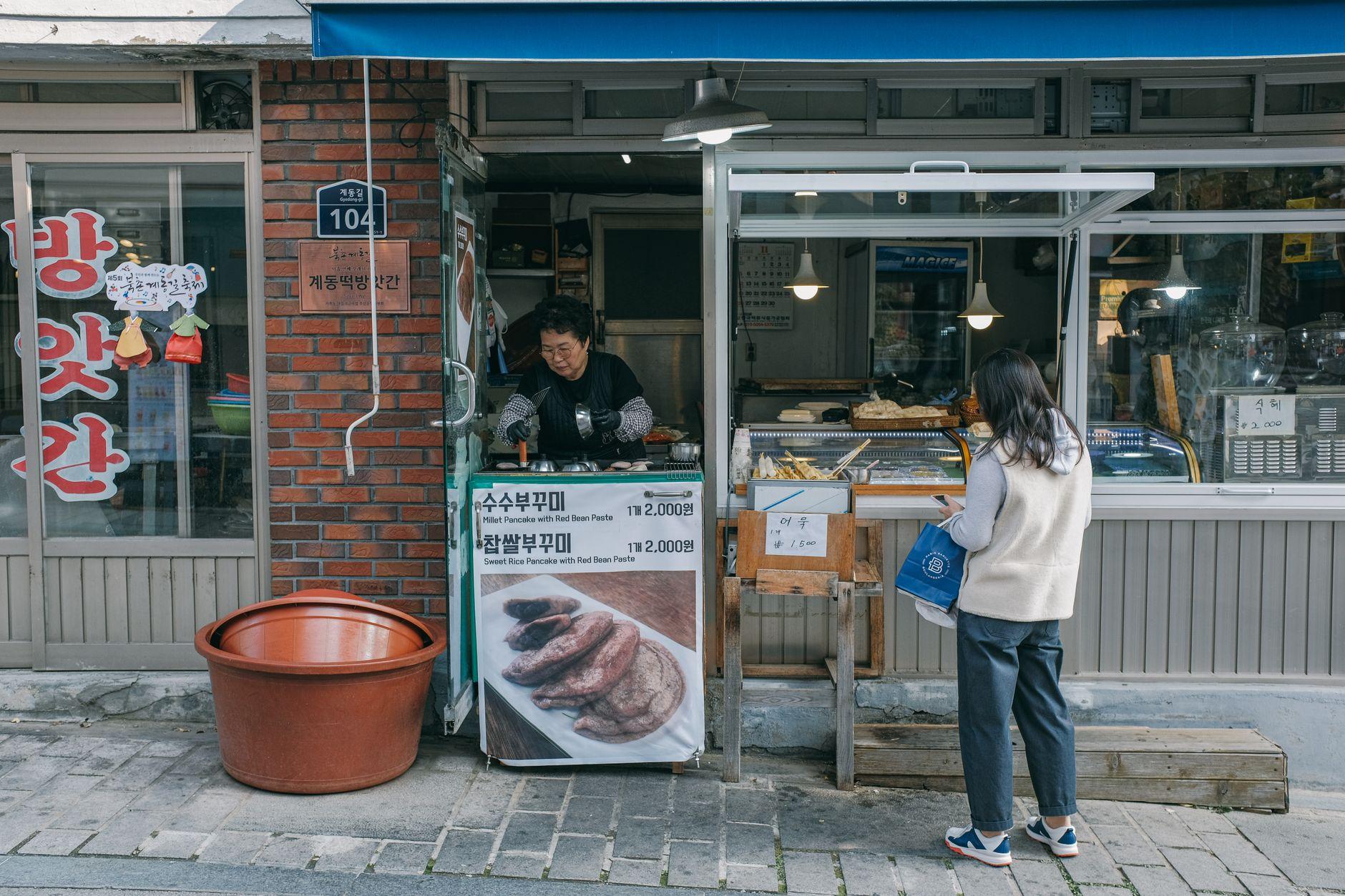
You are standing at a tteokbokki cart in Gwangjang Market. The ajumma behind the counter ladles rice cakes into a paper cup, nods at you, and points at a laminated QR code taped to the cart. Behind you, three locals pay in about two seconds each with their phones. Nobody has touched a coin.
This is the normal Korean market experience in 2026, and it catches a lot of first-time visitors off guard. South Korea is one of the most cashless societies on earth, but the two apps everyone uses, KakaoPay and Naver Pay, are effectively closed to short-term visitors. Here is what that means in practice and how to eat your way through a Korean market anyway.
Why you cannot just download KakaoPay
KakaoPay and Naver Pay dominate daily payments in Korea. They are built into the messaging and search apps Koreans already live in, so merchants of every size accept them, including tiny stalls that would never bother with a card terminal.
The catch: both require identity verification tied to a Korean mobile number, and usually a Korean bank account behind that. A tourist SIM or eSIM with a data-only plan does not get you through verification. Even expats with proper phone plans often spend their first weeks fighting the signup flow.
So the apps that would solve everything are locked. This is the same locals-only pattern you see in a few other countries, and we compared how open each country's network is to foreigners in this guide to tourist-friendly vs locals-only QR systems. Korea sits firmly on the locals-only end for its two big wallets.
Where your foreign card works, and where it quietly fails
The good news first. South Korea is very card-friendly at the mid-size level and up. Convenience stores (GS25, CU, 7-Eleven), chain cafes, department store food halls, restaurants with a proper till, and basically anywhere in a mall will take an international Visa or Mastercard without drama. Tap to pay works widely.
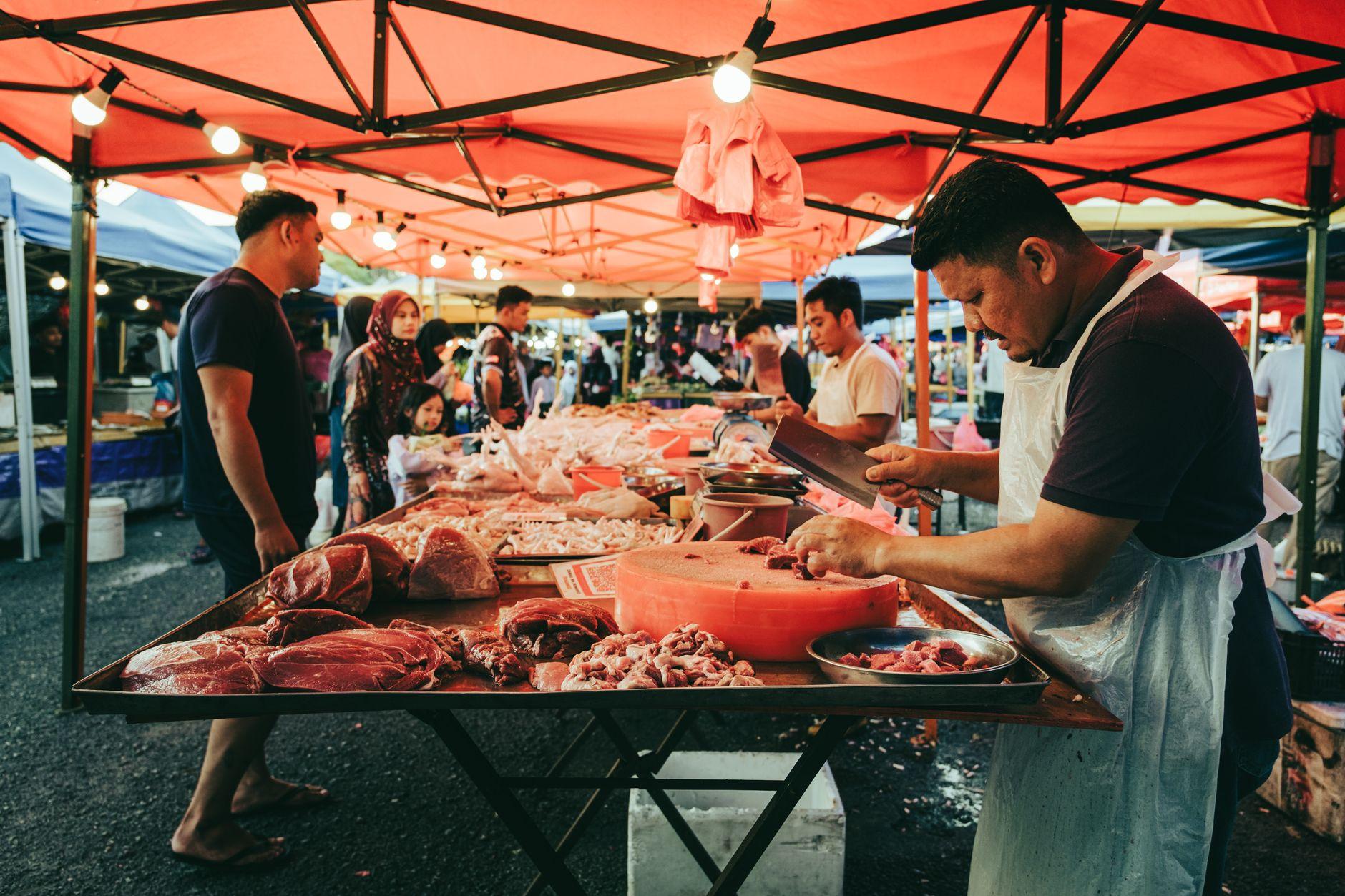
The gap is exactly where the best food is. Street carts, pojangmacha tents, the bindaetteok griddles at Gwangjang, the hotteok lady in Namdaemun, a grandmother selling gimbap at Mangwon Market: many of these spots take two things, Korean mobile payment or cash. Some have a card reader that works, some have one that only accepts domestic cards, and some have a handwritten sign that just says no card.
The frustrating part is you often cannot tell until you are holding the food. A stall at Myeongdong aimed at tourists might take your card happily, while the identical stall one alley over is QR-or-cash only.
Reading the stall before you order
A few tells, from someone who has eaten at a lot of these:
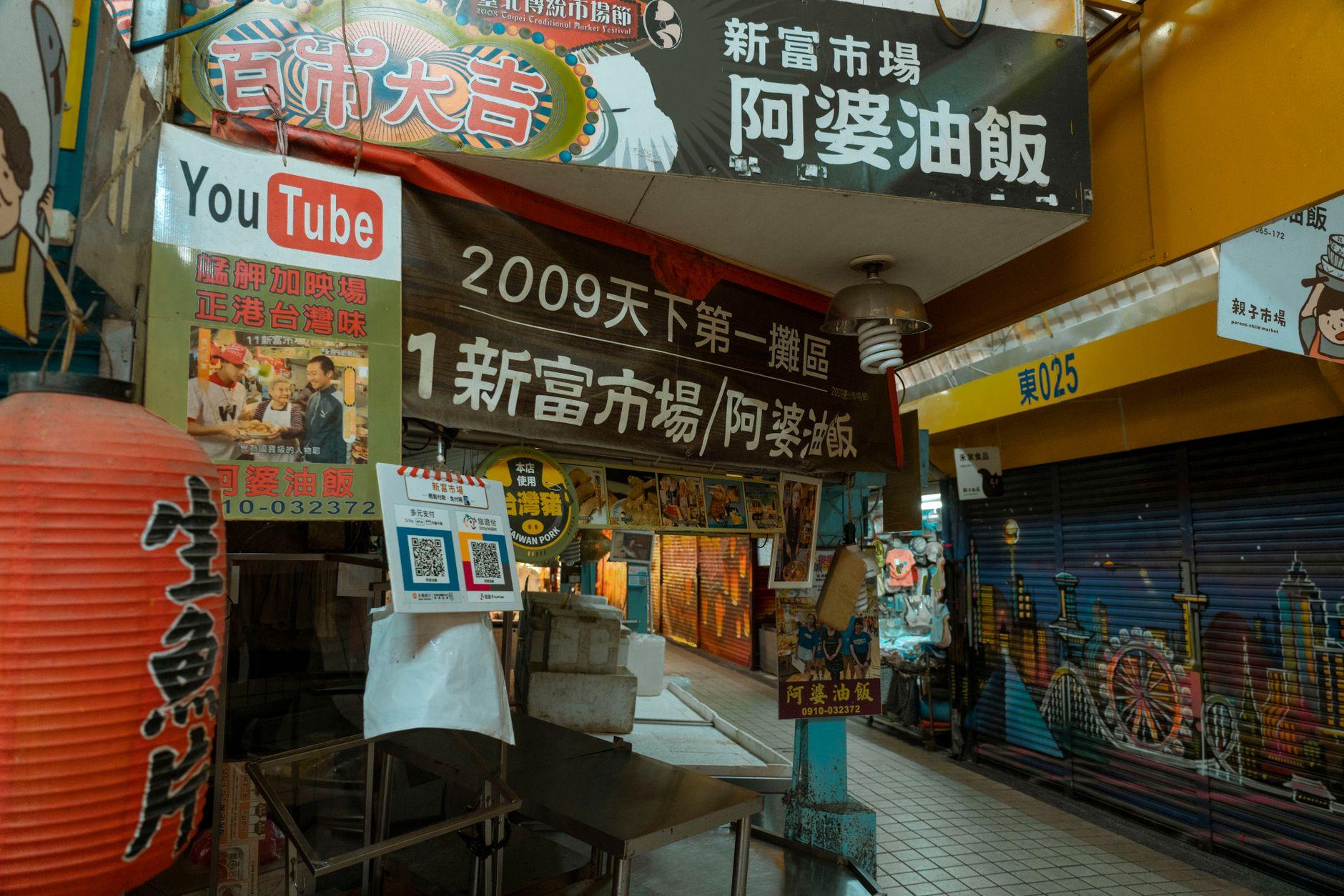
Look for the QR code. Korean market stalls usually display a printed QR standee or sticker near the serving window. If you see one, the stall is set up for scan-to-pay, which is your opening as a visitor.
Look for a card terminal. A visible terminal on the counter is a good sign for foreign cards. No terminal at all almost always means mobile payment or cash.
Watch one local pay. Thirty seconds of observation tells you everything. If they scan the stall's code with their phone, the stall takes merchant-presented QR. If they show their own barcode to the vendor, that is a different flow, and we have broken down when you scan versus when you show your own code if you want the full picture. At Korean market stalls, scanning the stall's printed code is the common pattern.
Scanning the QR as a visitor
This is where Moreta Pay earns its spot on your home screen. Instead of needing a Korean phone number and bank account to join the local QR ecosystem, you top up a wallet from your own bank at home (US bank via Plaid or ACH, SEPA in Europe, UK Faster Payments, Canadian e-Transfer) or an international card, in your own currency, before or during the trip.
At the stall, the flow is the one you have been watching locals do all day. Scan the printed QR code with Moreta Pay, check the screen: the amount in won, the exchange rate, and the merchant name, then confirm. Your balance converts at that moment and the vendor is paid instantly in won. She sees the confirmation on her end the same way she does for a Korean customer.
Two habits worth building. First, always glance at the merchant name on the confirmation screen before you tap pay, especially in a crowded market where ten stalls have QR codes within arm's reach of each other. Second, if the vendor types the amount on her side, say the price back to her ("sam-cheon won?") so you both agree before you confirm. The rate and amount are shown before anything leaves your wallet, so there are no surprise foreign transaction fees buried in the conversion.
Market-specific moments you will run into
Sit-down stalls at Gwangjang. You usually pay after eating. Flag the vendor, she will tally your plates and point you to the QR or the till. Do not walk to another stall's counter to pay, each stall is its own business even when the benches blur together.
Grab-and-go carts. Hotteok, eomuk skewers, bungeoppang: you pay when you order. Have your phone out and unlocked, because the line behind you moves fast and nobody wants to watch you log in.
Produce and dried goods at Namdaemun or Gukje Market in Busan. Larger stalls often bundle purchases. Agree the total first, then pay in one scan rather than three separate small ones.
Pojangmacha tents at night. The most old-school tier. Many now have QR codes, some remain cash-only. Ask "ka-deu dwae-yo?" (does card work?) or just mime scanning a QR, and the owner will point you to whatever they accept.
Still carry a little cash, but only a little
Korea is cashless enough that you do not need the classic envelope of bills, but keep a small amount of won on you for the exceptions: the rare elderly vendor with no QR and no terminal, a temple donation box, an old-style coin locker. A single small ATM withdrawal early in the trip covers it. Everything else, from the market lunch to topping up travel bookings on Trip.com or Agoda via QR checkout, can run through your phone.
That split, phone for ninety-something percent of life and a few bills for the edge cases, is exactly how Koreans themselves operate. You are not working around the system, you are joining it.
Eat first, worry never
The street food is the best reason to visit Korea, and the payment layer should never be the thing standing between you and a second round of bindaetteok. Set up your wallet and link your home bank before you fly, so your first scan at a Seoul market cart just works. Get Moreta Pay ready before you land in Korea and order from any stall with a QR code, no Korean phone number required.