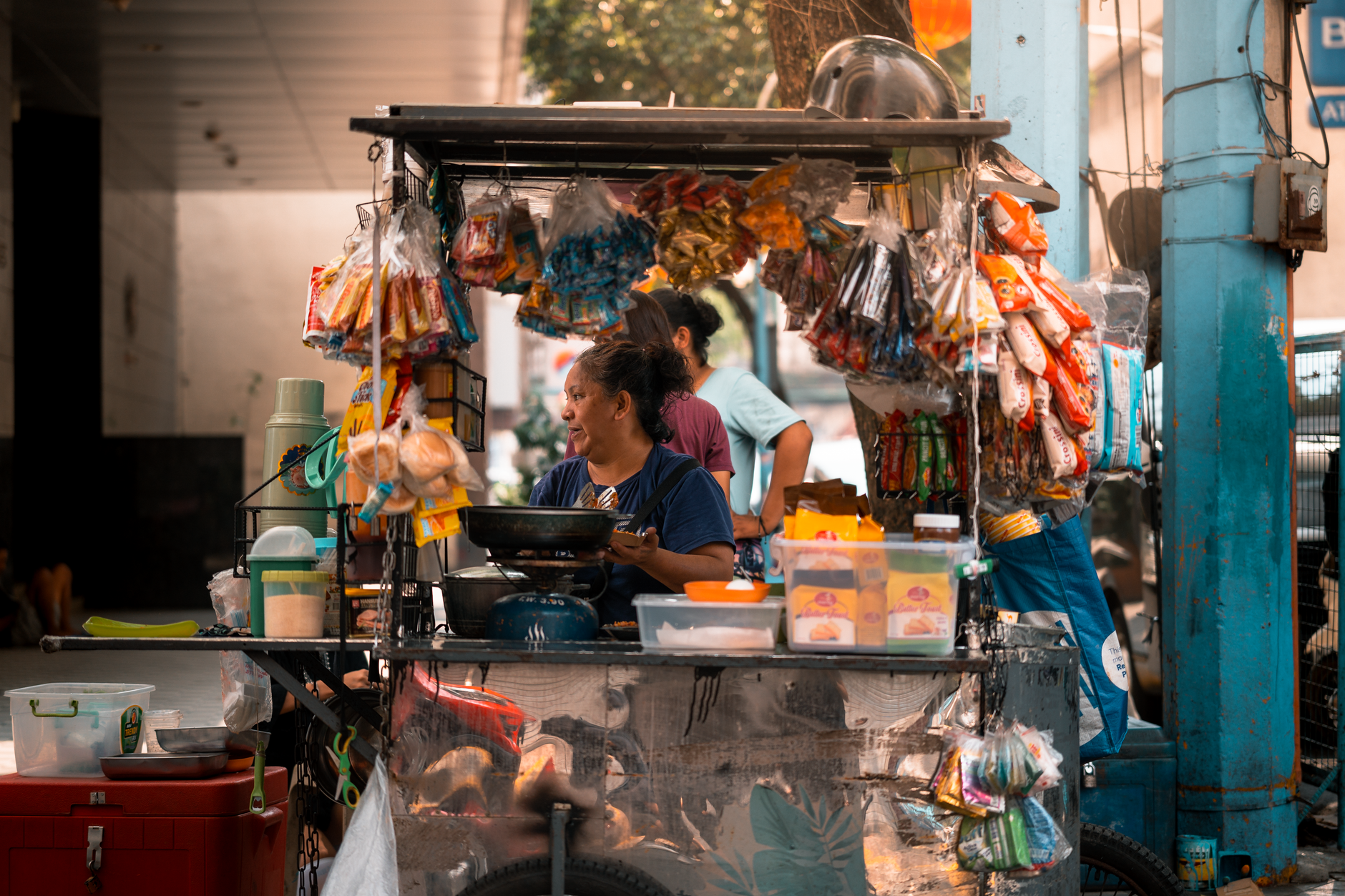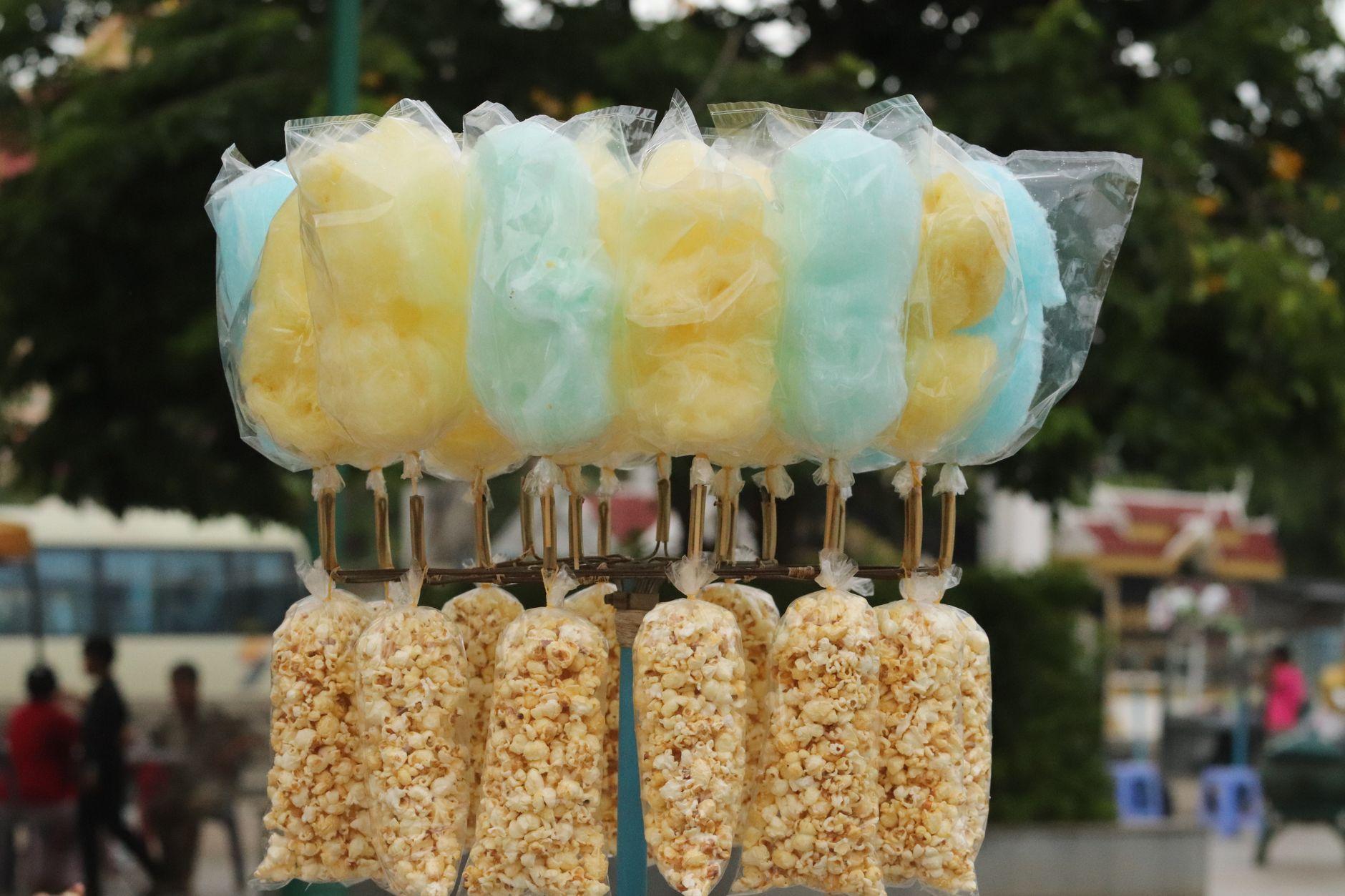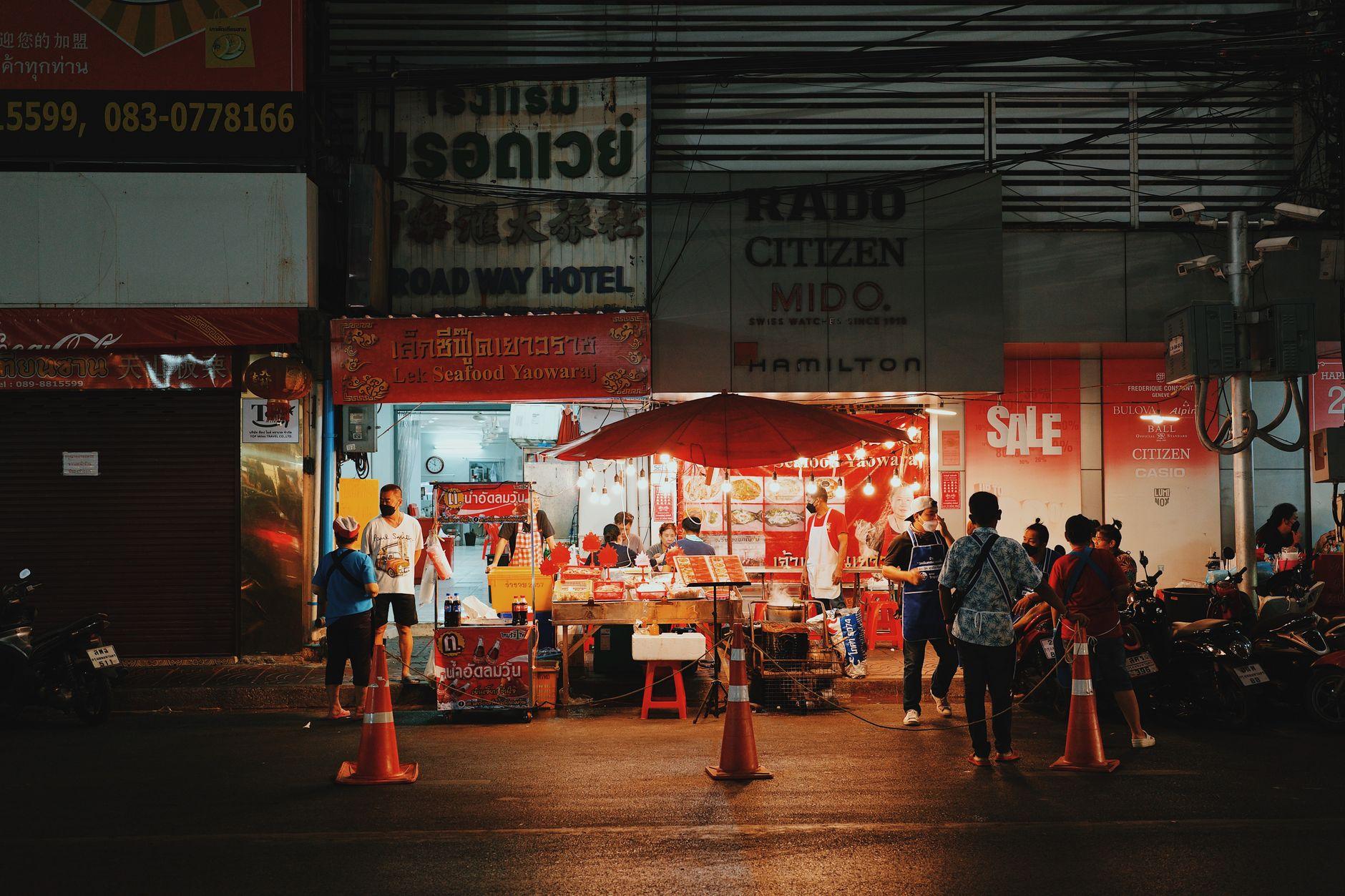

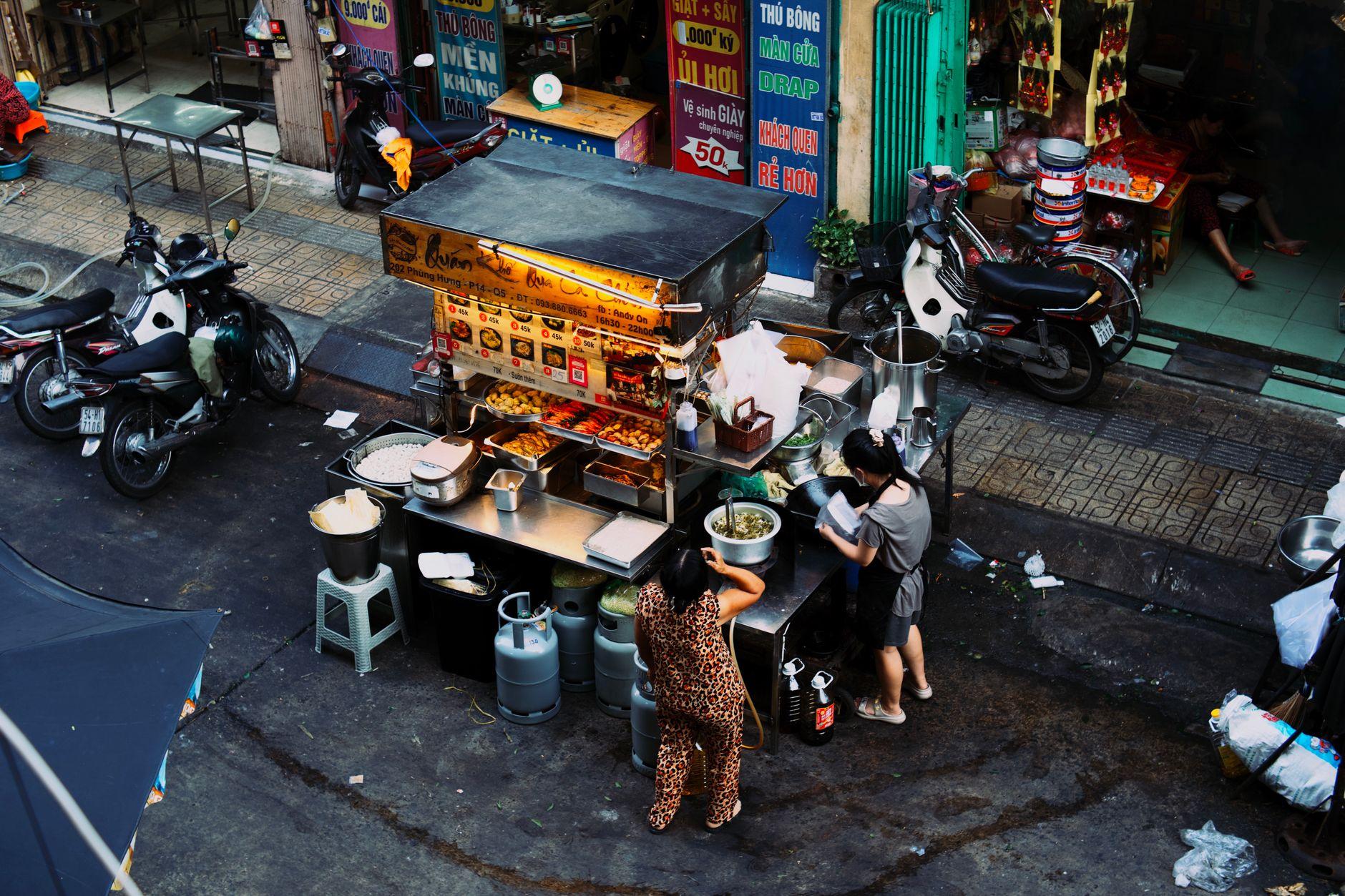
You are on a plastic stool roughly the height of your shin. The bún chả arrives with a pile of herbs, the smoke from the grill drifts over the sidewalk, and the whole thing costs about as much as a coffee back home. Then comes the part nobody prepped you for: paying.
Here is the short version. The stall takes cash, and it almost certainly takes QR. It does not take your Visa. Everything below is about making those first two options work for you.
What that laminated card taped to the cart actually is
Nearly every food cart, cà phê stand, and market stall in Vietnam now displays a laminated card with a QR code on it. Sometimes it is zip-tied to the cart, sometimes propped against the condiment tray, sometimes taped to a pole. That is a VietQR code, usually linked straight to the vendor's bank account.
Locals scan it with their banking app (Vietcombank, Techcombank, MB, whichever they use), type the amount, and the money lands instantly. Many vendors have a small speaker box next to the till that announces incoming payments out loud, so they do not even need to check their phone between orders. When you hear that little robotic voice chirp after you pay, that is your receipt.
This is not a tourist-facing system. It is the everyday payment rail of the country, and the street food economy adopted it fast because it solves a real problem: nobody wants to make change for a 500,000 dong note while flipping pork over charcoal.
Why your card from home is mostly useless here
Foreign credit and debit cards work fine in Vietnam, as long as you stay inside hotels, malls, and upscale restaurants. Step outside that bubble and the acceptance rate falls off a cliff. Street vendors have no terminal. Market stalls have no terminal. Most small cafes have no terminal. Even some mid-range restaurants will point you at the QR code on the counter instead.
So the traveler's real question is not cash versus card. It is cash versus QR, which is the same fork in the road we walked through for street food in Thailand. Vietnam just runs it on VietQR instead of PromptPay.
How a visitor joins the QR side
The catch with VietQR is that it normally expects a Vietnamese bank app, which expects a Vietnamese bank account, which you do not have and do not want to open for a two-week trip.
This is where Moreta Pay fits. You load the wallet from home before or during your trip (US bank via Plaid or ACH, SEPA in Europe, UK Faster Payments, Canadian e-Transfer, or an international card), all in your own currency. Then at the stall:
- Open the app and scan the vendor's laminated VietQR code, the same one locals scan.
- Check the merchant name on screen. At street stalls this is often a personal name, because the code links to the owner's own account. That is normal.
- Enter or confirm the amount. Many street vendors will show you the price on a calculator or just hold up fingers. Type it in dong exactly as shown.
- Review the exchange rate on screen, confirm, and wait for the speaker box or the vendor's nod.
No hidden foreign transaction fees, and the FX rate is shown before you tap confirm, so a 40,000 dong bowl of phở costs what it costs, visibly, in your own currency.
Cash has not left the building, so carry it right
Plenty of vendors still prefer cash, especially older sellers in wet markets and anywhere outside the big cities. A few practical habits save you real grief:
- Hoard small notes. The 10,000, 20,000, and 50,000 dong notes are street food currency. Breaking a 500,000 note at a stall selling 25,000 dong bánh mì is a genuine inconvenience for everyone.
- Watch the blue notes. The 20,000 and 500,000 dong notes are both bluish and have fooled many a jet-lagged traveler. Check the zeros before you hand anything over.
- Keep big notes separate. One pocket for market money, somewhere else for the large bills from the ATM.
A sensible split for a street food day: enough small cash for the handful of cash-only holdouts, QR for everything else. Over time you will notice the QR share creeping up and your cash pile lasting longer than planned.
Market situations, specifically
Bargaining stalls. At places like Bến Thành in Ho Chi Minh City or the Old Quarter night market in Hanoi, you negotiate first, then pay. QR works perfectly well here. Agree on the number, type that exact number, show the vendor your screen before confirming. The amount on screen actually makes the whole exchange smoother than counting notes under a hanging lamp.
Wet markets. Produce and meat sellers skew more toward cash, but the laminated cards are spreading fast even here. Have both options ready and let the vendor steer.
Multiple stalls, one sitting. At many street food clusters, your noodles, your drink, and your dessert come from three different vendors who settle separately. Three small payments, three quick scans. This is exactly the situation where fumbling for exact change three times gets old fast.
Drinks runners. Sometimes a kid or a neighboring stall handles the drinks and collects separately. Do not assume one payment covered the table. Ask, or watch what the locals around you do.
Beyond the stool: the rest of your spending
The same QR habit carries past the street. You can use Moreta Pay for QR checkout on Shopee and Lazada orders, on Trip.com or Agoda bookings, and for bills if you end up staying longer in a supported setup. If your trip is turning into a residency, the broader picture of running a nomad's whole budget on VietQR is worth a read too.
A first-night walkthrough
Say you land in Hanoi at 9pm and want bún chả by 10. Here is the whole playbook:
- Before the flight: load your Moreta Pay wallet from your home bank or card.
- At the airport or hotel: get a modest amount of dong as backup, and break any big notes at a convenience store early.
- At the stall: eat first, like everyone else. Pay after.
- Look for the laminated card. Scan it, confirm the amount and rate, listen for the speaker box.
- If there is no QR in sight, small notes, handed over with a smile.
That is it. No local bank account, no ATM scavenger hunts between meals, no mystery charges surfacing on your statement weeks later.
The vendors already built the system. The laminated card is sitting there on the cart waiting for you. Get Moreta Pay on your phone before you land, and your first bowl in Vietnam is one scan away.